Who Makes the Quietest Generator for Camping and Home
When it comes to power without the noise, the quietest generators come from brands like Honda, Yamaha, and Generac. These manufacturers have built a reputation for producing low-decibel units that are perfect for camping trips and home backup. Whether you need a portable inverter generator or a standby model, this guide will show you which quiet generator brands deserve your attention.
Nothing ruins a peaceful camping trip faster than a loud, rumbling generator. You set up camp, you’re settling in, and then that annoying mechanical roar starts up. It pulls you out of the moment and ruins the whole experience. The same thing happens at home during a power outage. You need electricity, but you don’t want to disturb your neighbors or your family’s sleep.
This is exactly why people ask, who makes the quietest generator. The answer isn’t as simple as naming one brand. Several manufacturers have invested heavily in noise reduction technology and quiet power solutions. And the good news is that you have more options than ever before.
In this guide, we will walk you through the top brands, the technology behind quiet generators, and how to pick the right one for your needs. Whether you are a weekend camper or someone looking for a residential backup power source, this article has you covered.
Key Takeaways
- Honda leads the market: Honda’s inverter generators are widely considered the gold standard for low noise output.
- Yamaha is a close second: Yamaha offers excellent quiet generator models with smart features and solid build quality.
- Inverter technology matters: Inverter generators run significantly quieter than traditional open-frame models.
- Decibel ratings are key: Look for units rated below 60 dB for truly peaceful operation during camping or home use.
- Dual fuel options add flexibility: Many of the best quiet generators can run on both gasoline and propane.
- Home backup models exist too: You don’t have to sacrifice silence just because you need whole-house power.
- Maintenance keeps it quiet: Regular upkeep ensures your generator stays at its lowest noise level over time.
📑 Table of Contents
- What Makes a Generator Quiet
- Top Brands That Make the Quietest Generators
- Inverter Generators vs Traditional Generators
- Best Quiet Generators for Camping
- Best Quiet Generators for Home Backup
- How to Choose the Right Quiet Generator
- Quick Tips for Keeping Your Generator Quiet
- Common Mistakes People Make When Buying Quiet Generators
- Expert Insights on Quiet Generator Technology
- Key Takeaways
- Conclusion
What Makes a Generator Quiet
Before we dive into brands, let’s talk about what actually makes a generator quiet. Understanding the basics helps you make a smarter buying decision. Not all generators are created equal when it comes to noise levels.
Inverter Technology
The biggest game-changer in quiet power is inverter technology. Traditional generators run at a constant speed, usually 3600 RPM. This produces a steady, loud hum that can be hard to ignore. Inverter generators, on the other hand, adjust their engine speed based on the power demand. When the load is light, the engine slows down. When you need more power, it ramps up. This variable speed means lower decibel output and better fuel efficiency.
Think of it like driving a car. A traditional generator is like flooring the gas pedal and keeping it there. An inverter generator is like using cruise control. It only uses the power it needs, and that means less noise.
Soundproof Enclosures
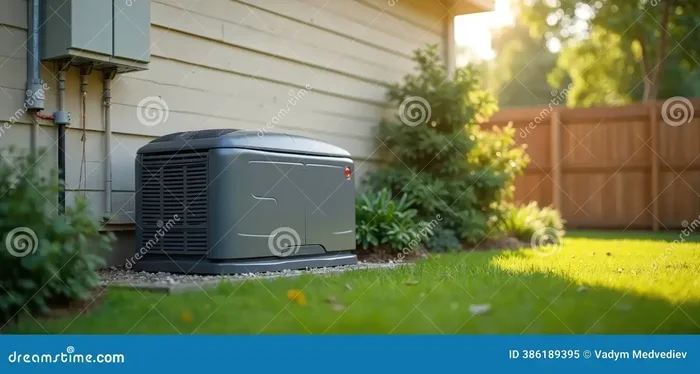
Some generators come with built-in soundproof enclosures. These housings wrap around the engine and absorb sound waves before they reach your ears. The design includes insulated panels and vibration dampeners. This is especially common in standby generators designed for home use.
Engine Design and Mounting
Engine placement matters too. Many low noise generator models use rubber mounts to isolate the engine from the frame. This reduces vibration, which is a major source of noise. Some brands also use specially designed mufflers and exhaust systems that quiet the sound without restricting airflow.
Decibel Ratings Explained
Decibels, or dB, measure how loud something is. Here is a simple way to think about it:
- 30-40 dB: Whisper quiet. Like a library or a gentle breeze.
- 50-60 dB: Normal conversation level. Very comfortable for camping.
- 60-70 dB: Moderate noise. Like a vacuum cleaner. Noticeable but tolerable.
- 70+ dB: Loud. Can disturb neighbors and disrupt sleep.
If you want a truly peaceful experience, look for generators rated at 55 dB or below. Many of the best models on the market today fall in the 45-55 dB range.
Top Brands That Make the Quietest Generators
So, who makes the quietest generator for camping and home? Several brands stand out from the crowd. Let us take a closer look at each one.
Honda
Honda is the name that comes up first in almost every conversation about quiet generators. The brand has built its reputation on reliability, and that extends to their quiet inverter generators. Honda uses a technology called Eco-Throttle, which adjusts engine speed automatically based on the load. The result is incredibly low noise levels.
The Honda EU2200i is one of the most popular quiet camping generators on the market. It runs at around 48 dB, which is quieter than a normal conversation. It also delivers clean power, making it safe for sensitive electronics like laptops and phones.
Honda also offers the EU3000iS, a slightly larger unit that still maintains a low noise profile. These units are a bit pricier, but most users agree the silence and reliability are worth the investment.
Yamaha
Yamaha is another top contender in the quiet generator market. The brand’s inverter generators are known for their smooth operation and low sound output. Yamaha uses what they call “active noise control” technology to minimize engine noise.
The Yamaha EF2000iSv2 is a fan favorite. It operates at around 51.5 dB and weighs just 44 pounds, making it easy to carry on camping trips. The Yamaha EF3000iSEB is a larger model with even better noise dampening.
One thing that sets Yamaha apart is their focus on build quality. These generators feel solid and well-made. They may cost a bit more, but they tend to last for many years with proper maintenance.
Generac
Generac is a well-known name in the generator world, and they have made big strides in reducing noise. Their inverter series offers some of the best quiet home backup generators available. Generac combines powerful output with surprisingly low decibel levels.
The Generac IQ3500 is a standout model. It runs at around 59 dB, which is louder than Honda or Yamaha models but still much quieter than traditional generators. Generac also offers portable standby models that provide whole-home backup without the excessive noise.
One advantage of Generac is their wide availability and strong customer support network. If you need parts or service, finding a Generac dealer is usually easy.
Champion Power Equipment
Champion has become a popular budget-friendly option for those searching for a quiet generator for camping. Their inverter models offer competitive noise levels at a fraction of the cost of Honda or Yamaha.
The Champion 3400-Watt Dual Fuel RV Ready generator is a great example. It runs at around 58 dB and can operate on both gasoline and propane. This dual fuel capability gives you more flexibility, especially for longer trips where refueling might be tricky.
Champion also offers several models with “QuietCast” exhaust systems that reduce noise significantly. If you are on a tighter budget but still want low noise, Champion is worth a serious look.
Westinghouse
Westinghouse is another brand that has joined the quiet generator race. Their inverter models feature advanced muffler designs and low vibration engines that keep noise levels down. Westinghouse generators are often praised for their value and feature set.
The Westinghouse iGen4500DF is a dual fuel inverter generator that operates at around 52 dB. It offers a good balance of power output and noise reduction. It is a solid choice for both camping and home backup situations.
Briggs & Stratton
Briggs & Stratton has been in the engine business for over a century, and their generator line reflects that expertise. Their Quiet Power series is specifically designed for low noise operation. These generators use advanced sound absorption materials and optimized engine designs.
The Briggs & Stratton P2200 Power Smart is a compact and quiet unit. It is perfect for small camping setups or charging electronics during a power outage. The brand also offers larger standby models for home use.
Inverter Generators vs Traditional Generators
Understanding the difference between inverter and traditional generators is essential when choosing a quiet power solution. This comparison helps you see why inverter models dominate the low-noise category.
| Feature | Inverter Generator | Traditional Generator |
|---|---|---|
| Noise Level | 45-60 dB | 65-85 dB |
| Fuel Efficiency | High | Moderate |
| Power Quality | Clean, stable sine wave | Modified sine wave |
| Weight | Lighter | Heavier |
| Price | Higher upfront cost | Lower upfront cost |
| Best For | Camping, RV, sensitive electronics | Construction, heavy tools |
As you can see, inverter generators win in nearly every category that matters for quiet operation. They are lighter, more fuel-efficient, and produce cleaner power. The main trade-off is the higher purchase price. However, if noise reduction is your priority, the investment pays off quickly.
Traditional generators still have their place. They are better suited for high-wattage applications like construction sites or running heavy-duty tools. But for camping, tailgating, or home backup where noise matters, inverter models are the clear winner.
Best Quiet Generators for Camping
Camping requires a different approach than home backup. You need something lightweight, portable, and genuinely quiet. Here are some of the best options for your next outdoor adventure.
Honda EU2200i
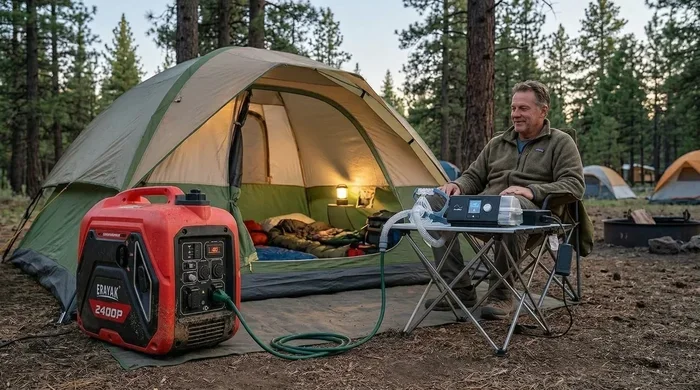
The Honda EU2200i is widely regarded as the best quiet generator for camping. It weighs only 47 pounds and fits in most backpacks or camp gear carriers. At 48 dB, it is quieter than most people talking. It can power a small camping stove, lights, a fan, and charge your devices all at once.
One of the best features is the parallel capability. You can connect two EU2200i units to double your power output. This is perfect for longer camping trips where you need a bit more juice.
Yamaha EF2000iSv2
The Yamaha EF2000iSv2 is a close competitor. It weighs just 44 pounds and runs at 51.5 dB. It has a slightly lower wattage than the Honda but still handles most camping needs with ease. The smart throttle feature adjusts engine speed based on the load, saving fuel and reducing noise.
Champion 2500-Watt RV Ready
For budget-conscious campers, the Champion 2500-Watt RV Ready generator offers excellent value. It operates at around 53 dB and includes RV-ready 30-amp and 20-amp outlets. The dual fuel capability means you can run it on propane when gasoline is hard to find.
Best Quiet Generators for Home Backup
Home backup generators need to be powerful enough to run essential appliances like refrigerators, sump pumps, and HVAC systems. At the same time, you do not want them waking up the whole neighborhood. Here are the best quiet home backup generators.
Generac 7200i
The Generac 7200i is a portable standby generator that delivers 7200 watts of starting power. It runs at around 62 dB, which is louder than camping models but still much quieter than conventional standby units. It has an automatic start feature and can be connected to your home’s electrical system.
This generator is ideal for homeowners who want reliable backup without the excessive noise that most standby generators produce.
Honda EU3000iS
The Honda EU3000iS is a larger portable unit that can handle most home essentials. It runs at 58 dB and provides up to 2800 watts of continuous power. It is not powerful enough for central air conditioning, but it can keep your refrigerator, lights, and electronics running during an outage.
Many homeowners use the EU3000iS as a supplemental power source for their homes. It is quiet enough to run overnight without disturbing sleep.
Westinghouse iGen4500DF
The Westinghouse iGen4500DF offers 4500 watts of starting power and runs at 52 dB. Its dual fuel capability is a big advantage for home backup. If you already have propane on your property, you can use that instead of gasoline. This gives you more options for fuel storage and longer runtime.
How to Choose the Right Quiet Generator
Buying a quiet generator involves more than just picking the lowest decibel number. You need to consider your actual power needs, portability requirements, and budget. Here is a simple guide to help you decide.
Step 1: Determine Your Power Needs
Make a list of the appliances or devices you want to power. Add up their wattage. For camping, you usually need 1500-3000 watts. For home backup, you may need 5000-7000 watts or more. Always choose a generator with a slightly higher wattage than you think you need to avoid overloading it.
Step 2: Consider Portability
If you are taking the generator camping, weight and size matter a lot. Look for units under 50 pounds with built-in handles or wheels. For home backup, portability is less critical, but you still want something you can move if needed.
Step 3: Check the Decibel Rating
Always check the manufacturer’s listed decibel level. Some brands list the noise level at a specific distance, usually 25 feet. Make sure you are comparing numbers measured under the same conditions. A generator rated at 55 dB at 25 feet will sound much louder up close.
Step 4: Think About Fuel Type
Do you want a single fuel or dual fuel model? Dual fuel generators give you flexibility. You can use gasoline for convenience or propane for longer storage life. This is especially useful for emergency home backup situations.
Step 5: Set a Budget
Quiet generators tend to cost more than their louder counterparts. Honda and Yamaha models typically range from $1,000 to $2,500. Champion and Westinghouse offer good budget options in the $500 to $1,000 range. Generac falls in the middle. Set a realistic budget and look for the best value within that range.
Quick Tips for Keeping Your Generator Quiet
Even the quietest generator can become louder over time if you do not take care of it. Here are some simple tips to keep your unit running as silently as possible:
- Change the oil regularly: Fresh oil reduces engine friction and noise. Follow the manufacturer’s recommended oil change schedule.
- Use a quality muffler: If your generator allows it, upgrading to a performance muffler can reduce noise by several decibels.
- Place it on a soft surface: Setting the generator on a rubber mat or anti-vibration pad absorbs sound and prevents it from traveling through the ground.
- Keep it well-maintained: Clean air filters, spark plugs, and exhaust systems all contribute to quieter operation.
- Position it correctly: Place the generator at least 20 feet away from your camping site or home. Point the exhaust away from people.
- Use an acoustic enclosure: If your model does not have a built-in housing, you can purchase or build a soundproof box to further reduce noise.
Common Mistakes People Make When Buying Quiet Generators
Avoid these common pitfalls when shopping for a low noise generator:
- Ignoring the decibel rating: Some brands advertise wattage but do not mention noise levels. Always check the dB number before buying.
- Buying based on price alone: The cheapest generator is rarely the quietest. You get what you pay for in most cases.
- Overlooking fuel type: If you plan to use your generator for extended periods, a dual fuel model gives you more flexibility and can save money on fuel costs.
- Underestimating power needs: Running a generator at full capacity is louder than running it at partial load. Buy a unit with some extra capacity to keep the noise down.
- Skipping regular maintenance: A poorly maintained generator gets louder over time. Simple upkeep keeps it running smoothly and quietly.
Expert Insights on Quiet Generator Technology
Industry experts agree that the quietest generators on the market today are a far cry from the noisy units of just a decade ago. Advances in inverter technology, sound dampening materials, and engine design have transformed the category.
“The shift toward inverter generators has been the single biggest factor in reducing noise levels across the industry,” says a leading power equipment reviewer. “Brands like Honda and Yamaha have set the bar high, and now even budget-friendly options from Champion and Westinghouse deliver impressive results.”
Another expert adds that consumers should focus on the overall package rather than just the decibel number. “A generator that is quiet but cannot deliver clean power is not a good choice for electronics. Look for models that offer both low noise and stable output.”
The rise of solar generators is also worth mentioning. While they cannot match the raw power of fuel-powered units, solar generators produce zero noise. Brands like EcoFlow and Jackery are leading this space. For campers who only need to charge phones, laptops, and small appliances, a solar generator might be the ultimate quiet solution.
Key Takeaways
- Honda and Yamaha dominate the quiet category: Their inverter generators set the industry standard for low noise and reliable performance.
- Inverter technology is the key to quiet operation: Variable engine speeds mean less noise and better fuel economy.
- Decibel ratings under 60 dB are ideal for camping and home use: Look for models in the 45-55 dB range for the best experience.
- Dual fuel models offer more flexibility: Brands like Champion and Westinghouse offer gasoline and propane options.
- Maintenance keeps generators quiet long-term: Regular oil changes, filter replacements, and proper storage all contribute to lower noise levels.
- Budget options exist: You do not need to spend a fortune to get a quiet generator. Champion and Westinghouse offer great value.
- Consider solar generators for zero noise: If your power needs are modest, a solar generator like those from EcoFlow eliminates noise entirely.
Conclusion
Finding the quietest generator for camping or home use is easier today than it has ever been. Brands like Honda, Yamaha, Generac, Champion, Westinghouse, and Briggs & Stratton all offer excellent options in the low-noise category. The key is to match the generator to your specific needs, whether that means a lightweight camping unit or a powerful home backup system.
Focus on inverter technology, check the decibel rating, and do not forget about maintenance. A well-chosen and well-maintained quiet generator will serve you faithfully for years without disturbing the peace.
Take the time to compare models, read reviews, and think about how you will use the generator. The right choice will give you reliable power and the quiet you deserve. Happy shopping, and enjoy your next camping trip or power outage with total peace of mind.
Frequently Asked Questions
What is the quietest generator brand on the market?
Honda is widely considered the quietest generator brand. Models like the Honda EU2200i run at just 48 dB, which is quieter than a normal conversation. Yamaha is a close second with their inverter generators also delivering impressively low noise levels.
How many decibels is considered quiet for a generator?
Any generator rated at 60 dB or below is considered quiet. The best quiet generators on the market operate between 45 and 55 dB. For reference, 45 dB is about as loud as a whisper, and 55 dB is similar to a normal conversation.
Can I use a quiet generator for my entire house?
It depends on your power needs. Smaller quiet generators like the Honda EU3000iS can handle essential appliances such as refrigerators, lights, and electronics. For whole-house backup, you may need a larger portable standby model or a permanently installed home standby generator.
Are solar generators quieter than fuel-powered generators?
Yes, solar generators produce zero noise since they have no engine. Brands like EcoFlow and Jackery offer solar generators that are completely silent. They are ideal for camping and light home use, but they have limited power output compared to fuel-powered models.
How can I make my existing generator quieter?
You can reduce noise by placing the generator on a rubber mat, using a soundproof enclosure, positioning the exhaust away from your area, and keeping up with regular maintenance. A clean engine with fresh oil and a new air filter runs quieter than a neglected one.
Is a dual fuel generator louder than a gasoline-only model?
Not necessarily. Many dual fuel generators from brands like Champion and Westinghouse are just as quiet as their gasoline-only counterparts. The fuel type does not significantly affect noise levels. What matters more is the inverter technology and the sound dampening design of the unit.