Who Invented the Generator and How It Changed Everything
The generator was invented by Michael Faraday in 1831 through his discovery of electromagnetic induction. This breakthrough changed how humanity produces and uses electricity forever. From early dynamos to modern portable generators, the invention of the generator sparked the electrical age and powered the modern world.
Have you ever wondered who invented the generator and how it changed the world? The story starts over 190 years ago with a curious scientist who discovered something amazing. That discovery gave humanity the power to create electricity on demand. It changed everything from how factories run to how you keep your lights on at home.
The generator history is one of the most important stories in science. Without it, there would be no electrical power generation, no electric grids, and no modern life as we know it. In this article, we will walk through the full story of the generator. You will learn who invented it, how it works, and why it still matters today.
We will cover everything from Michael Faraday’s early experiments to modern portable generators and standby generators. Whether you are curious about electromagnetic induction or looking to buy a generator, this guide has you covered. Let us dive into the fascinating world of electricity generation.
Key Takeaways
- Michael Faraday invented the first generator in 1831: His discovery of electromagnetic induction laid the foundation for all modern electricity generation.
- The dynamo was the first practical generator: It converted mechanical energy into electrical current and changed industries forever.
- AC and DC power shaped the electrical wars: Nikola Tesla and Thomas Edison debated the best way to deliver electricity to homes and businesses.
- Generators evolved from large machines to portable units: Today, you can buy a standby generator or a portable generator for home backup.
- Generator technology still drives innovation: Renewable energy sources like wind and solar rely on generator principles to produce power.
- Understanding generator history helps you make better choices: Knowing how generators work helps you pick the right power supply for your needs.
📑 Table of Contents
The Early Days of Electricity Discovery
Before anyone built a working generator, scientists were already fascinated by electricity. In the 1700s and early 1800s, researchers like Benjamin Franklin and Luigi Galvani made important discoveries. They learned that electricity could be created and controlled. But no one knew how to make it in large amounts.
The real breakthrough came when scientists started exploring the connection between magnetism and electricity. This connection is at the heart of electromagnetic induction. It is the principle that makes every generator work today. A changing magnetic field can push electrons through a wire. This flow of electrons is what we call an electrical current.
What Is Electromagnetic Induction?
Electromagnetic induction is the process of creating voltage by moving a conductor through a magnetic field. A conductor is usually a wire. When that wire moves through a magnetic field, it forces electrons to flow. This flow creates an electrical current. The faster the movement, the more voltage you get.
This concept was the missing puzzle piece. Scientists needed someone to put it all together and build a working machine. That person was Michael Faraday.
Why Did Early Scientists Struggle?
Early researchers could produce static electricity. They could also create small sparks. But they could not generate a steady flow of power. The problem was they did not understand how magnetism and electricity were linked. Once that link was discovered, everything changed.
Power generation became possible because of this insight. Scientists realized they could use mechanical energy to create electrical energy. This idea opened the door to the entire electrical age.
Michael Faraday: The Father of the Generator
So, who invented the generator? The answer is Michael Faraday. He was a British scientist born in 1791. Faraday had very little formal education. But he had an incredible curiosity about the natural world. He spent years experimenting with magnets, wires, and electricity.
In 1831, Faraday built the first device that could generate a steady electrical current. He called his invention the “inductorium.” Today, we know it as the first electric generator. It proved that you could create electricity from motion and magnetism.
Faraday’s Disk Generator
Faraday’s first generator looked very different from modern machines. It was a simple copper disk that spun between the poles of a horseshoe magnet. As the disk rotated, electrons were pushed through a wire connected to the disk. This created a small but steady electrical current.
It was not very powerful. But it proved a vital point: motion plus magnetism equals electricity. This simple idea became the blueprint for every generator built since.
The Significance of Faraday’s Work
Faraday’s discovery was revolutionary. Before 1831, electricity came from batteries. Batteries were expensive and could not last long. Faraday showed that you could generate electricity continuously. You just needed to keep the disk spinning.
This was the birth of electricity generation. It meant that power could be produced on a large scale. Factories, cities, and eventually homes could all run on generated electricity. Faraday’s work is why we have a modern power supply today.
Quick Tip
If you want to understand how generators work, think of Faraday’s disk. A spinning wheel between magnets creates electricity. Modern generators use the same basic idea, just with better materials and bigger coils.
How the First Generator Actually Worked
Understanding how a generator works helps you appreciate the genius behind Faraday’s invention. At its core, a generator converts mechanical energy into electrical energy. This process is called energy conversion. It is the same principle used in everything from giant power plants to small portable generators.
The key parts of any generator include a rotor, a stator, and a magnetic field. The rotor spins inside the stator. As it spins, it cuts through magnetic field lines. This movement creates voltage. The voltage pushes electrons through a circuit, producing usable electrical current.
The Role of Voltage and Current
Voltage is the pressure that pushes electrons through a wire. Think of it like water pressure in a hose. Current is the flow of electrons, like the water moving through the hose. A generator creates both voltage and current. Together, they deliver usable power generation.
Faraday’s early generator produced direct current, or DC. DC flows in one direction. It is simple and steady. But it has limits when it comes to long-distance delivery. This limitation would spark one of the biggest debates in electrical history.
From Dynamo to Modern Generator
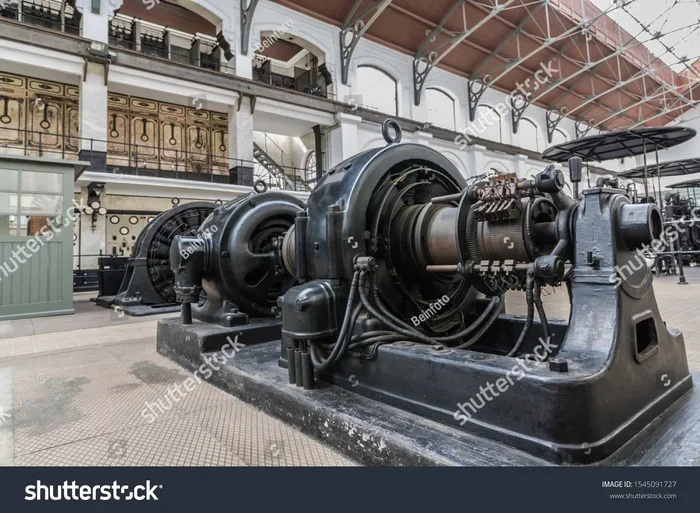
After Faraday, inventors improved his design. They added better coils, stronger magnets, and more efficient rotors. The improved machine became known as a dynamo. A dynamo was the first practical generator for real-world use. It powered early factories and electric lights.
Over time, the dynamo evolved into the modern generator. Today’s machines use advanced materials and smart controls. But the basic principle remains the same: motion plus magnetism equals electricity. This is the foundation of all electrical engineering.
The Battle: AC vs DC Power
As generators improved, a huge debate erupted. It was called the War of Currents. Two brilliant inventors fought over the best way to deliver electricity. On one side was Thomas Edison. On the other was Nikola Tesla. The debate centered on two types of electrical current: DC and AC.
Thomas Edison and DC Power
Thomas Edison was a strong supporter of direct current, or DC. He believed DC was safer and more practical for homes and businesses. Edison built the first commercial power stations that delivered DC electricity to customers. His early generator systems powered parts of New York City in the 1880s.
But DC had a big weakness. It could not travel very far without losing power. You needed a power station every few miles. This made it expensive to build a wide electrical grid.
Nikola Tesla and AC Power
Nikola Tesla, a Serbian-American inventor, championed alternating current, or AC. AC current changes direction many times per second. This allowed it to travel long distances with very little power loss. Tesla worked with George Westinghouse to build AC-based power generation systems.
AC won the War of Currents. Today, most of the electricity in your home is AC power. The alternator, which produces AC, became the standard for large-scale electricity generation. Tesla’s vision of a connected electrical grid changed the world.
Comparison: AC vs DC Power
| Feature | AC Power | DC Power |
|---|---|---|
| Direction of Current | Alternates direction | Flows in one direction |
| Distance Travel | Long distances efficiently | Short distances only |
| Voltage Transformation | Easy with transformers | Difficult without converters |
| Common Use | Homes, businesses, grids | Batteries, electronics, solar |
| Generator Type | Alternator | Dynamo |
| Safety at High Voltage | More dangerous | Slightly safer |
Both AC and DC remain important today. Your phone and laptop use DC power. But the power supply from your wall outlet is AC. Modern renewable energy systems often use a mix of both.
How Generators Evolved Over Time
The story of the generator does not stop in the 1800s. It continues to this day. Generators have grown smaller, smarter, and more efficient. Let us look at how generator technology evolved through the decades.
The Industrial Revolution Era
In the late 1800s, generators powered the Industrial Revolution. Factories replaced steam engines with electric motors. These motors ran on electricity from large dynamos. The demand for reliable power generation grew rapidly. Cities built power plants to supply electricity to homes and streetlights.
This era gave birth to the modern electrical grid. For the first time, people could use electricity for heating, cooking, and manufacturing. The generator was the engine behind this transformation.
The 20th Century: Bigger and Better
In the 1900s, generator design improved dramatically. Engineers developed steam turbines that could spin massive generators. These large machines produced enormous amounts of electrical current. Hydroelectric dams also became popular. They used flowing water to spin turbines and generate clean electricity generation.
During World War II, portable generators became essential for military operations. Soldiers needed reliable power supply in the field. After the war, civilian use of generators grew. Construction sites, farms, and remote areas all started using generators.
The Modern Era: Smart and Portable
Today, generators come in all shapes and sizes. You can buy a small portable generator for camping or tailgating. You can install a heavy-duty standby generator that automatically powers your home during outages. Some modern units are smart enough to monitor fuel levels and start themselves.
Renewable energy has also transformed the generator landscape. Wind turbines use alternators to convert wind energy into electricity. Solar inverters convert DC power from panels into AC power for your home. The basic principles of Faraday’s invention are still at work in all of these modern systems.
Common Mistakes People Make With Generators
- Buying the wrong size generator: Too small and it will overload. Too big and you waste fuel. Always calculate your power needs first.
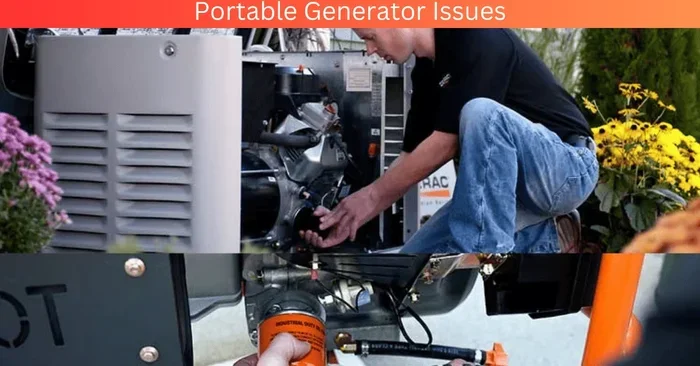
- Neglecting maintenance: Generators need regular oil changes and filter replacements. Skipping maintenance can lead to failure when you need it most.
- Running a generator indoors: This is extremely dangerous. Generator exhaust contains carbon monoxide, which is deadly. Always use generators outdoors in well-ventilated areas.
- Overloading the generator: Plugging in too many devices at once can damage the generator and your appliances. Spread the load across circuits wisely.
- Ignoring fuel quality: Old or contaminated fuel can clog the engine. Use fresh fuel and add a stabilizer for long-term storage.
Modern Generators and Their Uses
Generators play a huge role in our daily lives, even if we do not always think about them. From emergency backup to outdoor adventures, these machines provide essential power supply when we need it most.
Home Backup Generators
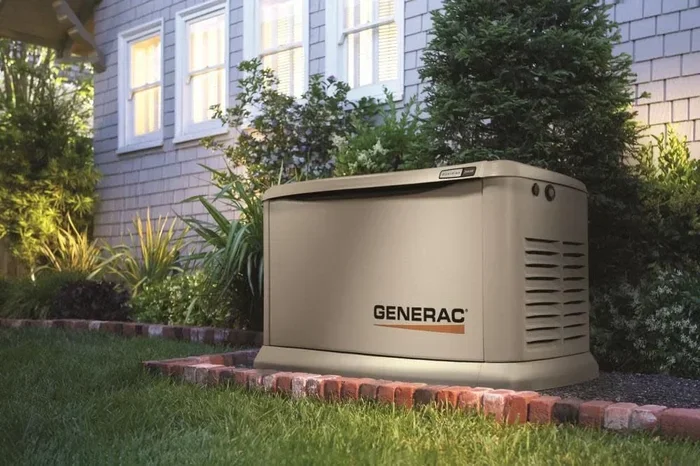
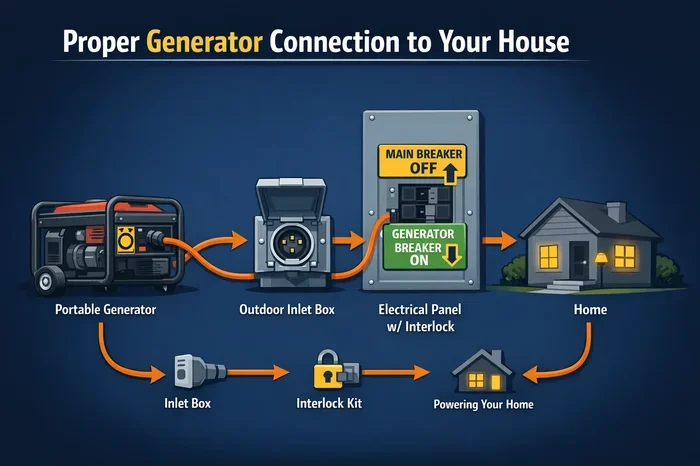
A standby generator is a permanent installation outside your home. It connects to your electrical system and kicks in automatically during a power outage. These units can power your entire house, including HVAC systems, refrigerators, and lights. They run on natural gas or propane and can provide electricity for days.
Standby generators are a smart investment for anyone who lives in an area prone to storms or grid failures. They give you peace of mind and protect your home from food spoilage, frozen pipes, and security risks.
Portable Generators for Everyday Use
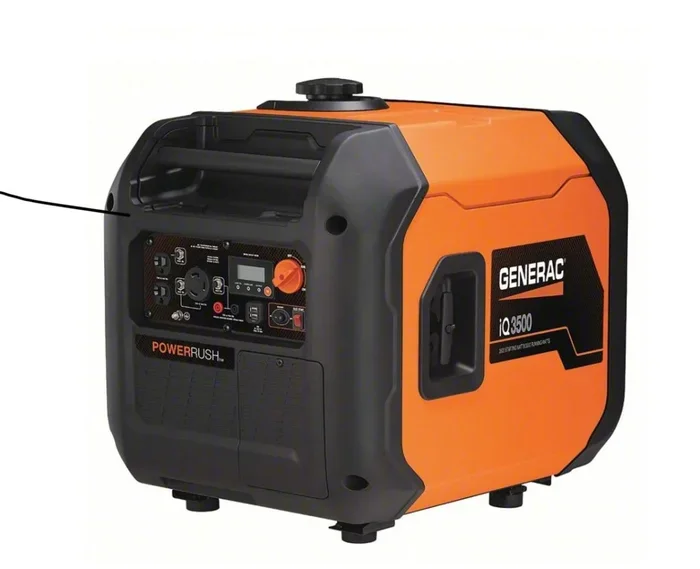
A portable generator is smaller and easier to move. You can carry it to a campsite, a construction site, or a tailgate. These units typically run on gasoline and can power a few tools or appliances at a time. They are not as powerful as standby units, but they are versatile and affordable.
When shopping for a portable generator, look at the wattage rating. This tells you how much power the unit can produce. Make a list of the devices you want to run and add up their wattage. Choose a generator that exceeds your total by at least 20 percent.
Generators in Renewable Energy
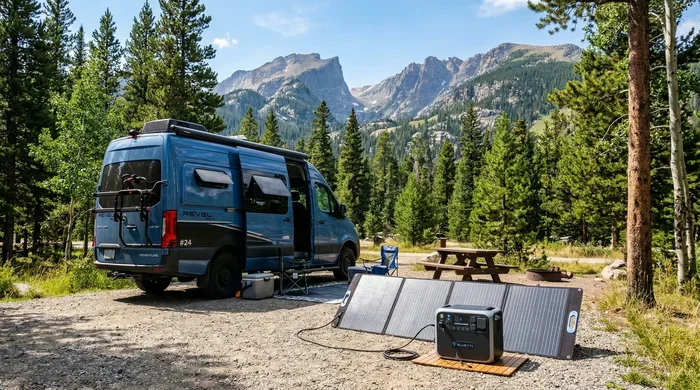
Renewable energy systems rely heavily on generator technology. Wind turbines use alternators to convert wind into electricity. Hydroelectric plants use water-driven turbines connected to large generators. Even solar power systems use inverters, which are a type of generator, to convert DC to AC.
The principles of electromagnetic induction discovered by Faraday are at the heart of all these systems. His invention continues to shape the future of clean energy conversion and sustainable power generation.
Expert Insight
According to electrical engineering experts, the fundamental design of a generator has barely changed in nearly 200 years. What has changed is the efficiency, size, and control systems. Modern electrical engineering has made generators quieter, more fuel-efficient, and smarter than ever before.
Quick Tips for Choosing the Right Generator
- Calculate your power needs: List all devices you want to run and add up their starting and running watts.
- Choose the right fuel type: Gasoline is common for portable units. Propane and natural gas work well for standby systems.
- Consider noise levels: Inverter generators are much quieter than traditional models. Great for camping and residential use.
- Check for safety features: Look for automatic low-oil shutdown, overload protection, and ground fault circuit interrupters.
- Read reviews and compare brands: Trusted brands include Honda, Generac, Yamaha, and Champion. Look for reliability and warranty coverage.
Conclusion
The story of who invented the generator is a story of human curiosity and ingenuity. Michael Faraday’s discovery of electromagnetic induction in 1831 gave the world a way to create electricity from motion. His simple disk generator sparked a revolution that transformed every aspect of modern life.
From the early dynamos of the Industrial Revolution to the smart standby generators of today, the generator has been a driving force behind progress. The battle between AC and DC power shaped how we deliver electricity to every home and business. Today, electricity generation powers our lives in ways Faraday could never have imagined.
Whether you are interested in history, looking to buy a portable generator, or exploring renewable energy options, understanding the generator’s story gives you valuable context. The next time you flip a light switch or charge your phone, remember the brilliant mind behind the machine that made it all possible.
The generator changed everything. And its impact will continue to shape our future for generations to come.
Frequently Asked Questions
Who really invented the first generator?
Michael Faraday invented the first generator in 1831. He discovered electromagnetic induction and built a device called the inductorium. This was the first machine to convert mechanical energy into a steady electrical current.
What is the difference between a dynamo and a modern generator?
A dynamo is an early type of generator that produced direct current, or DC. Modern generators can produce both AC and DC power. The basic principle is the same, but modern designs use better materials and more efficient components.
Can a generator power an entire house?
Yes, a standby generator can power an entire house. These units are permanently installed and connect to your home’s electrical system. They automatically turn on during a power outage and can run for days on natural gas or propane.
How does electromagnetic induction work in a generator?
Electromagnetic induction works by moving a conductor through a magnetic field. This movement pushes electrons through a wire, creating an electrical current. This is the same principle Michael Faraday discovered and used in his first generator.
Are portable generators safe to use indoors?
No, portable generators should never be used indoors. Generator exhaust contains carbon monoxide, which is colorless and deadly. Always use generators outdoors in a well-ventilated area, away from windows and doors.
How has generator technology changed in recent years?
Modern generators are quieter, more fuel-efficient, and smarter than older models. Inverter generators produce clean power for sensitive electronics. Standby units can auto-start and monitor fuel levels. Renewable energy systems also use advanced generator technology for clean power production.