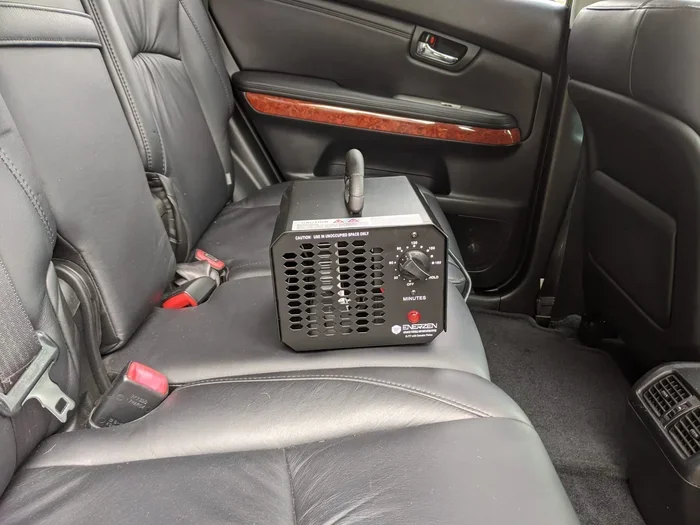
How Long Does It Take to Run an Ozone Generator in Your Car
Running an ozone generator in your car typically takes 15 to 60 minutes, depending on the severity of the odor and the size of your vehicle. The right ozone treatment time ensures your car smells fresh without damaging interior materials. This guide covers everything you need to know about safe and effective car ozone treatment.
Have you ever gotten into your car and been hit with a wave of bad smell? Maybe it is smoke from a previous owner. Maybe it is pet urine or that musty mold odor that just won’t go away. Whatever the cause, a stinky car is no fun. The good news is that an ozone generator can help. But the big question everyone asks is: how long to run ozone generator in car? In this guide, we will walk you through everything you need to know. We will cover timing, safety, step-by-step instructions, and common mistakes to avoid. By the end, you will feel confident running your own car ozone treatment at home.
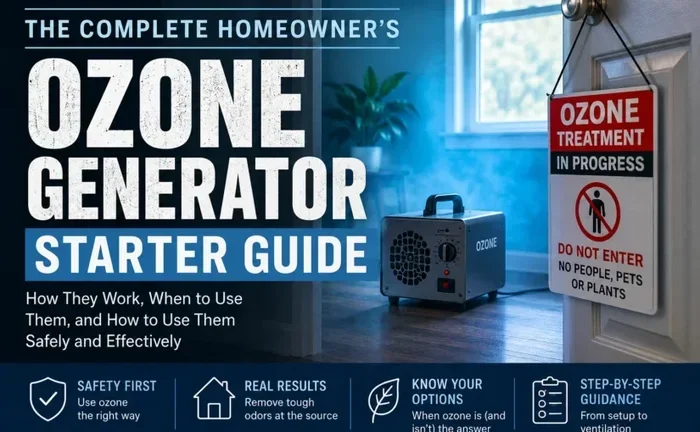
An ozone generator for car works by pumping out ozone molecules. These molecules break down odor-causing particles at a molecular level. Unlike sprays or fresheners that just mask smells, ozone actually eliminates them. This makes it one of the most powerful tools for car odor removal. But using one the wrong way can be risky. That is why understanding the right run time and safety steps is so important. Let us dive in.
Key Takeaways
- Standard treatment time: Most cars need 15 to 60 minutes of ozone exposure for effective odor removal.
- Severe odors need longer: Smoke, pet urine, or mold may require multiple cycles up to 2 hours total.
- Safety is critical: Never stay inside the car while the ozone generator is running.
- Ventilation matters: Always air out your car thoroughly after treatment before driving.
- Car size affects timing: Smaller cars need less time; larger SUVs and vans need more.
- Pre-cleaning boosts results: Cleaning the interior before ozone treatment makes it far more effective.
📑 Table of Contents
- How Long Should You Run an Ozone Generator in Your Car?
- Factors That Affect How Long You Should Run the Generator
- Step-by-Step Guide to Using an Ozone Generator in Your Car
- Safety Tips for Running an Ozone Generator in Your Car
- Common Mistakes People Make When Using Ozone Generators in Cars
- When Should You Call a Professional?
- How Does Ozone Compare to Other Car Odor Removal Methods?
- How Often Should You Use an Ozone Generator in Your Car?
- Tips for Maintaining a Fresh-Smelling Car After Ozone Treatment
- Conclusion
How Long Should You Run an Ozone Generator in Your Car?
The short answer is somewhere between 15 and 60 minutes. But the full answer depends on several factors. Let us break it down so you know exactly what to expect.
Standard Treatment Time for Light Odors
If your car has mild odors like food smells or general stuffiness, 15 to 20 minutes is usually enough. A single ozone cycle at this length can neutralize light smells effectively. This is ideal for cars that just need a quick refresh. Think of it like airing out your car on a fresh day, but much more powerful.
Extended Treatment for Moderate Odors
For moderate smells like cigarette smoke or old sweat, aim for 30 to 45 minutes. You may need to run two separate ozone treatment cycles with a break in between. This gives the ozone time to penetrate deeper into fabric seats, carpets, and headliners. Many users find that splitting the time into two 20-minute sessions works best. This approach gives the car time to “breathe” between cycles.
Heavy-Duty Treatment for Severe Odors
Severe cases like pet urine, water damage, or heavy mold need the longest treatment. Run the generator for 45 to 60 minutes per cycle. You might need two or even three cycles to fully eliminate the smell. In extreme cases, total treatment time can reach 2 hours. These situations often involve deep contamination. The ozone needs time to reach hidden areas like seat cushions and dashboard vents.
Factors That Affect How Long You Should Run the Generator
Not all cars are the same. Several factors play a role in determining the right ozone exposure time for your vehicle. Here is what to consider.
Size of Your Vehicle
A compact car has much less interior space than a full-size SUV. Smaller vehicles need less time because ozone fills the space faster. A sedan might only need 15 to 20 minutes. A large truck or van could need double that time. Think of it like heating a small room versus heating a large hall. The bigger the space, the longer it takes to treat evenly.
Type and Severity of Odor
Not all smells are created equal. Some odors are surface-level and easy to treat. Others have soaked deep into materials. Here is a quick comparison:
- Food or beverage smells: Light treatment, 15 to 20 minutes.
- Cigarette smoke: Moderate treatment, 30 to 45 minutes.
- Pet odors: Moderate to heavy, 30 to 60 minutes.
- Mold or mildew: Heavy treatment, 45 to 60+ minutes.
- Water damage: Heavy treatment, multiple cycles needed.
Ozone Generator Output and Power
Not all automotive ozone generators are built the same. Some produce high output in milligrams per hour. Others are smaller and designed for quick jobs. A high-powered unit will treat your car faster. A lower-powered unit needs more time. Always check the manufacturer’s recommended ozone level and treatment guidelines for your specific model. Using the wrong machine for your car size can lead to poor results.
Temperature and Humidity
Warm and humid conditions can make odors worse. They also help ozone work faster. Running your generator on a warm day can improve results. But avoid extreme heat inside the car. Leave the windows cracked slightly for airflow. This helps the ozone circulate better throughout the cabin.
Step-by-Step Guide to Using an Ozone Generator in Your Car
Now that you know how long to run the machine, let us walk through the process. Following these steps ensures the best results and keeps you safe.
Step 1: Clean the Interior First
This is a step many people skip. Before you plug in the ozone generator car, clean the interior. Vacuum the seats and carpets. Wipe down hard surfaces. Remove any trash or visible debris. This step removes the source of many odors. It also allows the ozone to work on remaining smells instead of fighting through dirt and grime. Car interior cleaning before treatment makes a huge difference.
Step 2: Seal the Car
Close all windows and doors tightly. Seal any gaps to prevent ozone from leaking out. Ozone works best in a contained space. If your car has a sunroof, make sure it is closed too. A sealed car lets the ozone reach full concentration faster. This means shorter treatment times and better results.
Step 3: Place the Generator Safely
Set the ozone generator on the dashboard or passenger seat. Keep it away from fabrics that could be damaged by direct contact. Point the output vent toward the center of the cabin. Never block the air intake or output of the unit. Proper placement ensures even distribution of ozone throughout the car.
Step 4: Run the Generator for the Recommended Time
Turn on the machine and set your timer. Based on our guidelines above, choose the right duration. Do not exceed the manufacturer’s recommended run time. Overuse can damage rubber seals, plastics, and electronics inside your car. Set a timer and walk away. Let the ozone cycle do its work.
Step 5: Ventilate Thoroughly After Treatment
This is the most important safety step. Once the treatment is done, open all doors and windows immediately. Let fresh air circulate for at least 15 to 30 minutes. This clears out any remaining ozone gas. Ozone at high levels is harmful to breathe. Never drive the car immediately after treatment. Wait until the smell of ozone is completely gone.
Step 6: Check the Results
After ventilating, get in the car and smell-test. If the odor is gone, you are done. If you still notice some smell, run a second cycle. Often one cycle is enough for light to moderate odors. Severe cases may need follow-up treatment.
Safety Tips for Running an Ozone Generator in Your Car
Ozone is a powerful tool, but it must be used carefully. Here are the most important safety rules to follow.
Never Stay Inside the Car During Treatment
This cannot be stressed enough. Ozone at high concentrations is toxic to humans and pets. Even low levels can cause coughing, throat irritation, and chest tightness. Always exit the vehicle completely before starting the generator. Keep pets and children away from the car during treatment.
Avoid Direct Contact with Electronics and Rubber
Prolonged ozone exposure can degrade rubber seals, gaskets, and certain plastics. It can also affect sensitive electronics. Keep the generator’s output away from direct contact with these materials. Using the generator for the recommended time minimizes this risk. If your car has old or cracked rubber seals, be extra cautious.
Use in a Well-Ventilated Area
Even though you will seal the car during treatment, do not run the generator in an enclosed garage afterward. After treatment, move the car outside or into a well-ventilated area. This ensures that any residual ozone dissipates safely. It also prevents ozone buildup in your garage or indoor space.
Follow Manufacturer Instructions
Every ozone generator model is different. Read the user manual carefully. Follow the recommended run times, output levels, and safety warnings. Using the machine beyond its specifications can damage your car or create health risks. When in doubt, start with a shorter treatment time and increase if needed.
Common Mistakes People Make When Using Ozone Generators in Cars
Avoiding mistakes saves time, money, and protects your car. Here are the most common errors we see.
Skipping the Pre-Cleaning Step
Many people jump straight to running the ozone generator. But if the source of the odor is still present, ozone alone cannot fix it. For example, if there is old food stuck under a seat, no amount of ozone will fully remove that smell. Pre-cleaning removes the root cause and lets the ozone handle the remaining airborne particles.
Running the Generator Too Long
More is not always better. Running an ozone generator for hours can damage your car’s interior. It can also leave a lingering ozone smell that is hard to get rid of. Stick to the recommended time frames. If the odor persists, run a second short cycle rather than one long one.
Not Ventilating Enough After Treatment
Some people close the car back up after treatment. This traps ozone inside. Always ventilate thoroughly. Wait until the ozone smell is completely gone before getting back in. This usually takes 15 to 30 minutes of open-air ventilation.
Using a Low-Quality Generator
Cheap, low-powered generators may not produce enough ozone to treat your car effectively. They also tend to wear out quickly. Invest in a quality car air purifier with a proven ozone output. Look for models designed specifically for automotive use. Read reviews and check the output rating before buying.
Ignoring the Source of the Odor
Ozone treats airborne and surface odors. But it cannot fix problems caused by ongoing sources. If you have a leaking coolant system or a damp carpet that keeps growing mold, ozone will only be a temporary fix. Identify and fix the root cause first. Then use the ozone treatment to eliminate the remaining smell.
When Should You Call a Professional?
Most car odor problems can be handled at home with a portable ozone generator. But some situations call for professional help. If your car has severe water damage or extensive mold growth, a professional car detailing service may be the better choice. Professionals have industrial-grade equipment and know-how to handle tough cases. They can also assess hidden damage that you might miss. If you have tried multiple home treatments and the smell keeps coming back, it is time to call in the experts.
Professional ozone treatment for cars typically costs between $100 and $300 depending on the severity. This is more expensive than DIY, but it guarantees thorough results for extreme odor problems. Many car detailing shops offer ozone treatment as part of their full interior cleaning package.
How Does Ozone Compare to Other Car Odor Removal Methods?
There are many ways to remove car odors. Let us compare the most popular options.
Ozone Generator vs. Air Fresheners
Air fresheners simply mask odors with a stronger scent. They do not remove the underlying cause. Ozone generators actually destroy odor molecules. The results last much longer with ozone treatment.
Ozone Generator vs. Baking Soda
Baking soda absorbs some smells over time. It works well for mild odors but struggles with heavy smoke or pet smells. Ozone treatment is far more powerful and works much faster.
Ozone Generator vs. Chemical Sprays
Chemical sprays can neutralize some odors, but many contain harsh fragrances that may irritate allergies. Ozone is a natural oxidizer with no added chemicals. It breaks down odors without leaving behind artificial scents.
How Often Should You Use an Ozone Generator in Your Car?
For most car owners, one treatment is enough to eliminate odors. After that, a single 15 to 20 minute session every few months can keep your car smelling fresh. If you are a smoker or have pets, you may benefit from monthly treatments. Just remember to always ventilate properly after each session. Regular maintenance keeps your car air quality at a healthy level.
Tips for Maintaining a Fresh-Smelling Car After Ozone Treatment
Once you have completed your ozone treatment, keep your car smelling great with these simple habits. Regular vacuuming removes dirt and debris that can cause odors. Use washable seat covers if you have pets. Keep a small box of baking soda under a seat to absorb smells naturally. Avoid eating in the car when possible. Crack a window on hot days to prevent stale air buildup. These small habits go a long way in keeping your car fresh between treatments.
Another great tip is to replace your car’s cabin air filter regularly. A clean filter improves overall car air quality and helps prevent musty smells from developing. Most manufacturers recommend replacing the filter every 12 to 15 months. Check your owner’s manual for the exact schedule.
Conclusion
So, how long to run ozone generator in car? The answer is 15 to 60 minutes for most situations. Light odors need less time. Heavy odors need more. The key is to match the treatment duration to the severity of the smell and the size of your vehicle. Always prioritize safety by never staying inside the car during treatment and ventilating thoroughly afterward. Running an ozone generator in your car is one of the most effective ways to eliminate stubborn odors. With the right approach, your car can smell fresh and clean in under an hour. Follow the steps in this guide, avoid common mistakes, and enjoy a odor-free driving experience.
Frequently Asked Questions
Can I sleep in my car while the ozone generator is running?
No, you should never stay inside the car while the ozone generator is running. Ozone at high concentrations is harmful to breathe and can cause serious health issues. Always exit the vehicle completely and keep pets and children away during treatment.
How long after ozone treatment can I drive my car?
Wait at least 15 to 30 minutes after turning off the generator before driving. Open all doors and windows to let fresh air in. Make sure the ozone smell is completely gone before getting behind the wheel.
Will an ozone generator damage my car’s interior?
When used correctly and for the recommended time, an ozone generator will not damage your car. However, running it for too long or using it too frequently can degrade rubber seals and certain plastics. Always follow the manufacturer’s guidelines.
Can ozone remove cigarette smoke smell from a car?
Yes, ozone is highly effective at removing cigarette smoke smell. For heavy smoke odor, you may need a 30 to 45 minute treatment or even two cycles. Pre-cleaning the interior greatly improves results for smoke removal.
Do I need to turn on the car’s engine or AC during ozone treatment?
No, keep the car completely off and the AC system closed during treatment. The ozone needs to fill the sealed cabin to work effectively. After treatment, you can run the AC on fresh air mode to help ventilate.
How long does the ozone smell last after treatment?
The ozone smell typically fades within 15 to 30 minutes of proper ventilation. If you still smell ozone after an hour, increase ventilation time or open doors and windows in a well-ventilated area. The smell should not persist once the car is fully aired out.