Can a Generator Power a Whole House The Complete Guide
Yes, a generator can power a whole house, but choosing the right size and type is critical. A whole house generator with proper wattage, an automatic transfer switch, and correct load calculation ensures your home stays powered through any power outage. This guide walks you through everything you need to know.
Can a generator power a whole house? The short answer is yes. But the real question is whether you have the right generator, the right size, and the right setup to make it work safely and efficiently. A whole house generator is one of the best investments you can make for your home. It keeps your lights on, your fridge running, and your family comfortable during power outages and severe weather events.
Whether you live in a small apartment or a large suburban home, understanding how home backup power works is essential. This guide breaks down everything you need to know about using a generator to power your entire house. We will cover sizing, types, costs, installation, and practical tips to help you make the best decision for your home and budget.
Key Takeaways
- Whole house generators exist: Standby generators rated 20kW to 50kW can power an entire home when properly sized.
- Load calculation matters: You must add up the wattage of all essential circuits to pick the right generator.
- Two main types: Standby generators turn on automatically, while portable generators require manual setup.
- Fuel options vary: Propane, natural gas, and diesel each have pros and cons for home use.
- Installation is key: Professional setup with an automatic transfer switch ensures safe and reliable operation.
- Cost ranges widely: Expect to pay between $3,000 and $20,000+ depending on size and features.
📑 Table of Contents
Can a Generator Power a Whole House?
The answer depends on several factors. The most important one is wattage capacity. Every home has different electrical needs. A small house with basic appliances needs far less power than a large home with central air, an electric water heater, and multiple kitchens.
When people ask can a generator power a whole house, they usually mean keeping all the essential circuits running. This includes lights, the refrigerator, heating or cooling systems, sump pumps, and a few outlets for phones and devices. You do not always need to power every single circuit in the house. Many homeowners prioritize the essentials and skip high-draw items like electric ovens or hot tubs during an outage.
A properly sized standby generator handles this with ease. Portable generators can work too, but they require more effort and have limitations. We will explore both options in detail below.
Understanding Your Home’s Power Needs
Before buying any backup power system, you need to know how much electricity your home uses. This is called a load calculation. It tells you the total wattage requirements for all the devices and systems you want to keep running.
Here is a simple way to think about it. Every appliance and device in your home uses a certain number of watts. Some use more when they start up than when they run continuously. This is called surge wattage versus running wattage.
For example, a refrigerator might need 700 watts to run but 2,100 watts to start the compressor. If you ignore surge wattage, your generator will trip or fail to start the appliance. Always account for both numbers when planning your generator setup.
How to Calculate Your Load
Start by making a list of every appliance and system you want to power. Write down the wattage for each one. You can usually find this label on the back or bottom of the device. If it lists amps instead of watts, multiply amps by volts (usually 120V or 240V) to get watts.
Add up all the running watts. Then find the highest surge watt among your devices. Add that surge number to the total running watts. The result is your peak wattage requirement. This is the minimum size generator you should buy.
Most average homes need between 5,000 and 7,500 watts for basic essentials. A full-house setup with central air and all appliances might need 20,000 to 30,000 watts or more.
Types of Generators for Whole House Power
Not all generators are the same. Different types serve different purposes. Choosing the right one depends on your budget, your power needs, and how much effort you want to put into running it.
Standby Generators
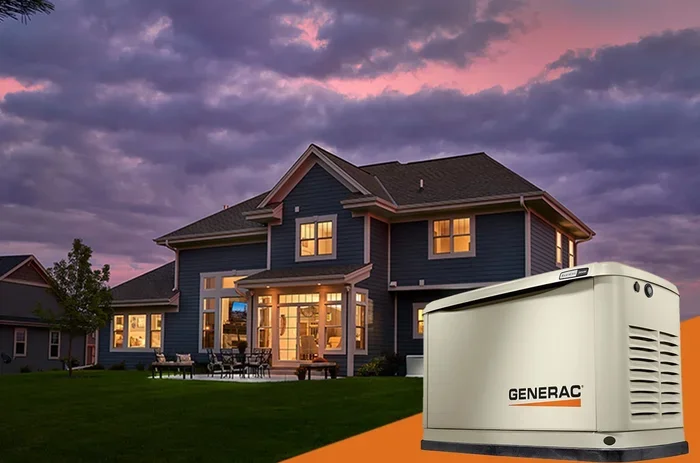
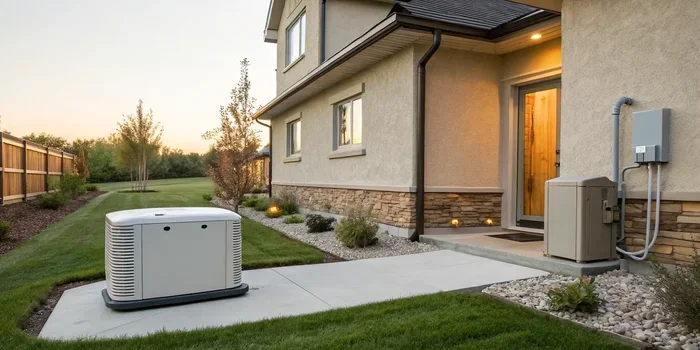
A standby generator is the gold standard for whole house power. These units sit outside your home, much like a central air conditioner. They connect directly to your home’s electrical panel and fuel supply.
The biggest advantage of a standby generator is automatic operation. When the power goes out, the generator detects it and turns on within seconds. You do not need to be home. You do not need to flip any switches. It just works. This is why many homeowners call them automatic backup generators.
Standby generators run on natural gas or propane. They come in sizes from 7 kilowatts all the way up to 150 kilowatts or more. For most homes, a 20kW to 50kW unit covers the full range of needs.
Portable Generators
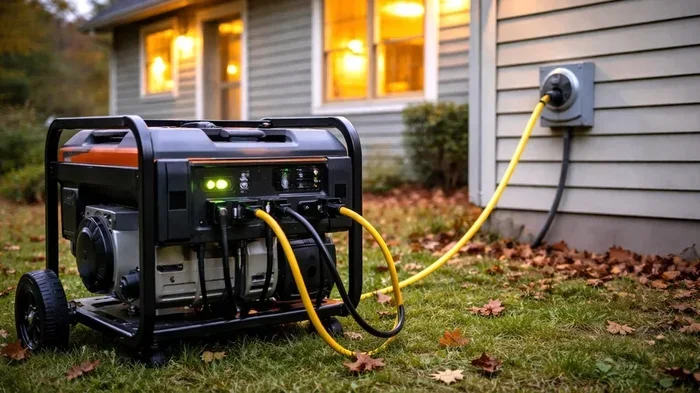
A portable generator is a more affordable option. You can move it around, store it easily, and use it for camping trips or job sites too. However, powering a whole house with a portable generator is more complicated.
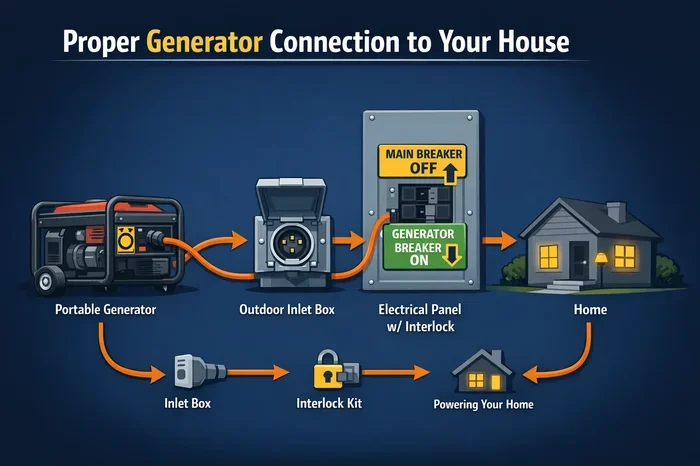
You need to run extension cords from the generator to individual appliances. Or, for a more permanent setup, you can use a manual transfer switch that connects the generator to your electrical panel. Even with a transfer switch, portable generators usually have lower output limits.
Most portable generators produce between 3,000 and 8,500 watts. That is enough for essentials but not enough to run everything in a large home. If you want to power a whole house with a portable unit, you need one in the 7,500 to 10,000 watt range and a smart plan for managing your electrical load.
Inverter Generators
An inverter generator produces clean, stable power. This makes it safe for sensitive electronics like laptops, smartphones, and TVs. Inverter generators are typically more fuel-efficient and quieter than traditional portable models.
However, inverter generators usually max out around 4,000 to 7,000 watts. They work great for partial home power but are not ideal for running an entire house at once. They are best as a supplement or for powering specific zones of your home.
How to Choose the Right Generator Size
Sizing is the most critical step in the whole process. Buy a generator that is too small, and it will overload. Buy one that is too big, and you waste money. The sweet spot is a unit that matches your load calculation with a small buffer for safety.
Generator Size Chart for Common Homes
Here is a general guide to help you estimate the right generator size for your home:
- Small home or apartment (1,000 sq ft): 5,000 to 8,000 watts. Enough for lights, fridge, a few outlets, and a sump pump.
- Medium home (1,500 to 2,500 sq ft): 10,000 to 15,000 watts. Covers essentials plus a window AC unit or small central air.
- Large home (2,500 to 4,000 sq ft): 20,000 to 30,000 watts. Handles central air, electric water heater, multiple kitchen appliances, and all essentials.
- Very large home (4,000+ sq ft): 30,000 to 50,000+ watts. Powers nearly everything including electric heating, hot tubs, and workshop tools.
These numbers are starting points. Always do a detailed load calculation based on your specific home and appliances.
Quick Tips for Sizing Your Generator
- Add 10 to 20 percent extra capacity to your total wattage. This buffer prevents overloading and extends the generator runtime.
- Focus on essential circuits first. You can always add more later.
- Talk to a licensed electrician. They can perform a professional load assessment and recommend the right size.
- Consider your fuel source. Natural gas and propane availability in your area affects your options.
Installation and Safety Considerations
Installing a generator is not a DIY project for most homeowners. It involves electrical wiring, fuel connections, and local building codes. Professional installation ensures everything is safe, legal, and optimized for your home.
The Role of the Automatic Transfer Switch
An automatic transfer switch (ATS) is the brain of your backup power system. It sits between your generator and your electrical panel. When the power goes out, the ATS detects the outage, signals the generator to start, and transfers your home’s load to the generator.
When utility power returns, the ATS switches your home back to the grid and signals the generator to shut down. This entire process happens in seconds. You barely notice the outage.
Without an ATS, you would need to manually connect the generator to your home. This is not only inconvenient but also dangerous if done incorrectly. Backfeeding, which is when generator power flows back into utility lines, can kill utility workers. An ATS prevents this entirely.
Placement and Ventilation
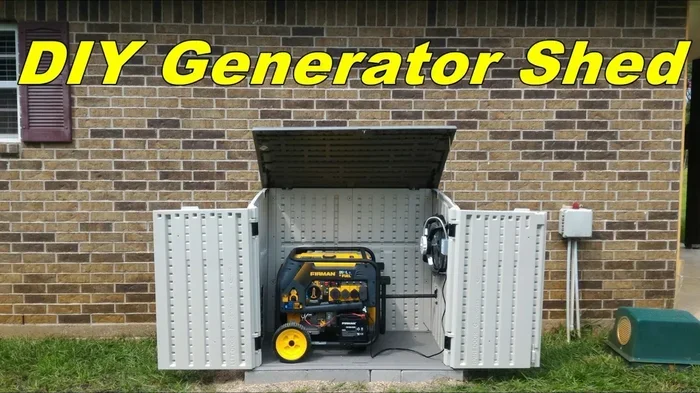
Generators produce carbon monoxide, a colorless and odorless gas that can be deadly. Always place your generator outside, at least 20 feet from your home, doors, and windows. Never run a generator in a garage, basement, or enclosed space.
Make sure the exhaust faces away from your home and any neighboring properties. Install carbon monoxide detectors on every floor of your home as an extra safety measure.
Fuel Storage and Supply
Standby generators typically connect to your home’s existing natural gas line or a propane tank. This means they can run for days or even weeks without needing a fuel refill. Portable generators use gasoline, which has a shorter shelf life and requires more frequent refueling.
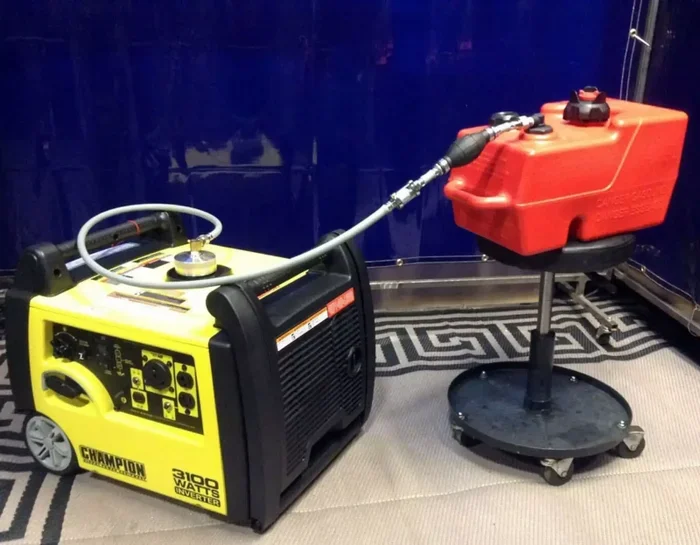
If you use a portable generator, store fuel in approved containers in a cool, well-ventilated area. Never store gasoline near your home or near ignition sources. Consider a fuel stabilizer if you keep gasoline on hand for long periods.
Cost of Generating Whole House Power
The cost of a whole house generator varies a lot. The price depends on the size, type, fuel source, brand, and installation complexity. Here is a realistic breakdown of what to expect.
Generator Purchase Costs
- Portable generators (5,000 to 10,000 watts): $500 to $2,500
- Standby generators (20kW to 30kW): $3,000 to $7,000
- Large standby generators (40kW to 50kW): $7,000 to $15,000
- Premium standby generators (50kW+): $15,000 to $25,000+
Installation Costs
Professional installation typically adds $1,000 to $5,000 to your total cost. This includes the automatic transfer switch, electrical wiring, concrete pad, and any permits required by your local building department.
Keep in mind that costs vary by region. Labor rates are higher in urban areas. If your home needs electrical panel upgrades or gas line modifications, the installation cost will be higher too.
Operating Costs
Standby generators running on natural gas or propane have moderate fuel costs. A 20kW standby generator might use 4 to 10 gallons of propane per hour, depending on the load. Natural gas costs are typically lower and more predictable since you are connected to the utility grid.
Portable generators running on gasoline have higher per-hour fuel costs and require more maintenance. However, they have a much lower upfront price, which makes them attractive for budget-conscious homeowners.
Common Mistakes to Avoid
Many homeowners make avoidable mistakes when setting up whole house backup power. Learning from these errors saves time, money, and frustration.
Undersizing the Generator
The most common mistake is buying a generator that is too small. People estimate their power needs and then pick the cheapest unit that barely meets the number. But they forget about surge wattage, startup demands, and future needs.
Always add a buffer. A 20 percent cushion above your calculated load gives you room to breathe and prevents the generator from overloading during peak demand.
Ignoring the Transfer Switch
Some homeowners try to plug a generator directly into a wall outlet. This is extremely dangerous. It is called backfeeding, and it can electrocute utility workers repairing power lines. Always use a proper transfer switch, whether manual or automatic.
Skipping Regular Maintenance
A generator that sits unused for months or years will not start when you need it most. Run your generator under load for at least 30 minutes every month. Change the oil, replace the air filter, and test the spark plug regularly.
Many standby generator brands offer automatic self-test features. These run a weekly exercise cycle to keep the system in top shape. If your model has this feature, make sure it is enabled.
Neglecting Noise Complaints
Generators can be loud. If you live in a neighborhood with close neighbors, a noisy generator can cause friction. Choose a model with a sound-dampening enclosure or place it as far from property lines as possible.
Some modern standby generators operate at 60 to 65 decibels, which is about as loud as a normal conversation. Portable generators are often much louder, sometimes exceeding 75 decibels.
Expert Insights on Whole House Power
We spoke with licensed electricians and generator specialists to get their top recommendations for homeowners considering whole house backup power.
Start with an energy audit. A professional can tell you exactly how much power your home uses and identify the circuits that matter most during an outage. This saves you from guesswork and overspending.
Invest in a standby generator with an ATS. The convenience and safety of automatic operation are worth the higher upfront cost. You will not even notice the power switchover.
Consider your fuel availability. If your home already has a natural gas line, a natural gas standby generator is the easiest option. If you prefer independence from the grid, propane is a solid alternative.
Plan for the future. If you are planning to add electric vehicles, a hot tub, or a home office, factor those into your wattage requirements now. Upgrading a generator later is expensive and inconvenient.
Buy from a reputable dealer. Not all generators are created equal. Stick with trusted brands that offer strong warranties and local dealer support for maintenance and repairs.
Key Takeaways
- Yes, a generator can power a whole house: with the right size, type, and setup, your home can stay fully powered during any outage.
- Standby generators are the best option: they offer automatic operation, whole-home coverage, and reliable long-term performance.
- Load calculation is essential: know your wattage needs before buying to avoid overspending or undersizing.
- Professional installation is recommended: a licensed electrician ensures safe wiring, proper transfer switch setup, and code compliance.
- Budget $5,000 to $15,000 total: for a quality standby generator with professional installation for most average homes.
- Maintenance keeps it reliable: regular exercise cycles, oil changes, and filter replacements extend the life of your generator significantly.
Conclusion
So, can a generator power a whole house? Absolutely. With the right standby generator, proper load calculation, and professional generator installation, your home can have reliable backup power during any outage. The key is choosing a unit that matches your home’s wattage requirements and having a safe, code-compliant setup with an automatic transfer switch.
Whether you opt for a propane generator, a natural gas generator, or a portable unit for partial power, the investment pays for itself the first time you avoid spoiled food, frozen pipes, or uncomfortable living conditions during a blackout. Take the time to plan, calculate your needs, and work with qualified professionals. Your home and your family will thank you when the power goes out and yours stays on.
Start your research today. Get quotes from local dealers, ask your electrician about load calculations, and explore the options that fit your budget. A whole house generator is not just a convenience. It is a smart investment in your home’s resilience and your family’s comfort.
Frequently Asked Questions
What size generator do I need to power a whole house?
Most average homes need a 20kW to 30kW standby generator to power all essential circuits. However, the exact size depends on your home’s square footage, the number of appliances, and your electrical systems. A licensed electrician can perform a load calculation to give you a precise recommendation.
Can a portable generator power a whole house?
Yes, but with limitations. A portable generator in the 7,500 to 10,000 watt range can power essential circuits if you use a manual transfer switch. However, it cannot handle the full load of a large home with central air and multiple high-draw appliances. Standby generators are better suited for whole house coverage.
How much does it cost to install a whole house generator?
Total costs range from $3,000 for a small portable setup to $15,000 or more for a large standby generator with professional installation. The average homeowner spends between $5,000 and $10,000 for a quality 20kW to 30kW standby system with an automatic transfer switch.
How long can a generator run continuously?
Standby generators connected to natural gas or a propane tank can run for days or weeks without interruption. Portable generators on gasoline typically run 8 to 24 hours on a single tank, depending on the load and fuel capacity. Always check the manufacturer’s rated runtime before purchasing.
Is it safe to run a generator during a storm?
Yes, standby generators are designed to operate in all weather conditions. They have weather-resistant enclosures and are installed outdoors with proper clearances. Portable generators must also be placed outside at least 20 feet from your home. Never run any generator indoors or in an enclosed space due to carbon monoxide risks.
Do I need a permit to install a whole house generator?
Most localities require a building permit for generator installation. This ensures the setup meets electrical codes and safety standards. Your licensed installer will typically handle the permitting process. Always check with your local building department before starting the project.