What Can a 10000 Watt Generator Run During an Outage
A 10000 watt generator can keep your home running smoothly during a power outage by powering essential appliances like refrigerators, HVAC systems, and lights. Understanding starting watts vs running watts helps you plan your backup power setup correctly. This guide covers everything you need to know about load management and maximizing your generator’s power output.
Power outages can strike without warning. Storms, equipment failures, and grid overloads all play a part. When the lights go out, a 10000 watt generator becomes your best friend. But what exactly can a 10000 watt generator run? That is the question many homeowners ask before buying or renting one.
A 10000 watt generator sits in a sweet spot for backup power. It is strong enough to handle essential household systems. Yet it is not so massive that it requires a full-scale installation. Whether you live in a small house or a mid-sized home, this power level covers a lot of ground. In this guide, we break down exactly what you can power and how to do it safely.
Let us dive into the world of backup power and help you make the most of your generator’s power output. By the end, you will know exactly what to expect from a 10000 watt unit during your next outage.
Key Takeaways
- Versatile Power: A 10000 watt generator can handle most essential household appliances and even some heavy-duty tools during an outage.
- Know Your Wattage: Distinguishing between starting watts and running watts is critical to avoid overloading your generator.
- Smart Planning: Prioritizing essential circuits and using load management keeps your 10000 watt generator running safely.
- Fuel Matters: Propane, gasoline, and natural gas options affect how long your generator can sustain power.
- Safety First: Always follow proper installation and ventilation guidelines when using a backup power system.
- Right-Sizing: A 10000 watt generator hits a sweet spot between portability and power for most homes.
📑 Table of Contents
What a 10000 Watt Generator Can Power
A 10000 watt generator delivers serious power output for home use. But the real question is how to use that power wisely. You cannot plug in everything at once and expect it to work. Smart planning makes all the difference.
Here is a closer look at what a 10000 watt generator can typically handle during a power outage:
Essential Household Appliances
Most households rely on a few key appliances every day. A 10000 watt generator can keep these running without breaking a sweat:
- Refrigerator and freezer – keeps food safe and cold
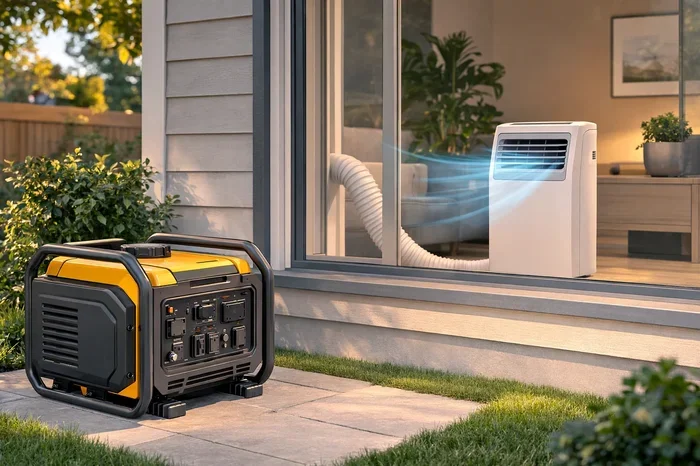
- Central air conditioner or window unit – maintains comfortable temperatures
- Heating system – stays warm in cold weather
- Lights – multiple rooms lit up
- Television and entertainment systems – keeps everyone informed and entertained
- Wi-Fi router and modem – stays connected
- Microwave – quick meal prep
- Sump pump – prevents basement flooding
These items cover the essentials. You can run most of them at the same time on a 10000 watt generator. The key is managing your total load carefully.
Kitchen and Laundry
Your kitchen and laundry room pull a lot of power. A 10000 watt generator can handle several of these items, but not all at full blast:
- Coffee maker – about 800 to 1200 watts
- Toaster oven – around 1200 to 1500 watts
- Dishwasher – roughly 1200 to 2400 watts
- Washing machine – about 500 to 1000 watts
- Dryer – this one is tricky. A full electric dryer needs 3000 to 5000 watts
You can run a washing machine and a refrigerator at the same time. But adding a dryer to the mix may push your wattage capacity to the limit. If you use an electric dryer, consider running it separately or switching to gas.
Home Office and Electronics
Working from home during an outage is possible with a 10000 watt generator. Here is what you can keep powered:
- Desktop computer – about 300 to 800 watts
- Laptop – around 50 to 100 watts
- Monitor – 30 to 100 watts
- Printer and scanner – small draw
- Phone chargers – minimal power
- Small space heater – about 1500 watts
Running your home office is very doable. Just be mindful of the total draw. A space heater and a computer together are fine. Add a printer and chargers, and you are still well within range.
Starting Watts vs Running Watts
Understanding the difference between starting watts and running watts is one of the most important parts of using a 10000 watt generator. Many people get tripped up by this concept.
Running watts are the continuous power an appliance needs to stay on. A refrigerator, for example, might need 700 watts to keep running. That is its running wattage.
Starting watts are the extra power needed to kick an appliance on. A refrigerator compressor needs a burst of energy to start. That burst might be 2200 watts for a split second. This is the starting wattage.
Here is why this matters. If you add up all the starting watts of everything you want to run at once, you might exceed your generator’s power output. A 10000 watt generator typically offers around 12500 starting watts. That gives you a buffer. But you still need to be smart about what you turn on at the same time.
The Surge Factor
Some appliances need a big surge of power when they start. Air conditioners and refrigerators are the biggest culprits. A central AC unit might need 3000 to 5000 starting watts. That is a big chunk of your 10000 watt capacity.
Here is a quick tip: start your heaviest appliances one at a time. Let the AC unit start up and stabilize before you turn on the refrigerator. This load management approach prevents tripping the generator’s breaker.
A Simple Comparison
Let us put this into perspective with a quick comparison:
- Refrigerator: 700 running watts, 2200 starting watts
- Window AC unit: 1200 running watts, 3600 starting watts
- Central AC (3 ton): 3500 running watts, 5000+ starting watts
- Electric water heater: 4000 running watts (no surge)
- Well pump: 1000 running watts, 3000 starting watts
As you can see, mixing a central AC and a well pump at the same time would push your wattage capacity beyond safe limits. Plan your usage carefully.
Common Appliances and Their Power Needs
Not all appliances pull the same amount of power. Knowing the numbers helps you plan better. Here is a detailed breakdown of common household items and their power requirements:
Low-Draw Appliances (Under 500 Watts)
- LED light bulbs – 8 to 15 watts each
- Laptop computer – 50 to 100 watts
- Phone charger – 5 to 20 watts
- Wi-Fi router – 5 to 20 watts
- Television (LED, 50 inch) – 80 to 150 watts
- Radio – 10 to 50 watts
- Fan – 40 to 100 watts
These low-draw items are easy to run. You could power dozens of them on a 10000 watt generator and barely notice the difference.
Medium-Draw Appliances (500 to 2000 Watts)
- Microwave – 1000 to 1500 watts
- Coffee maker – 800 to 1200 watts
- Toaster – 800 to 1500 watts
- Blender – 300 to 800 watts
- Window air conditioner – 1200 to 1800 watts
- Refrigerator – 700 running, 2200 starting
- Vacuum cleaner – 1000 to 1400 watts
Medium-draw appliances are where planning really matters. Running a microwave and a coffee maker at the same time uses about 2300 watts. That leaves plenty of room on a 10000 watt unit. But add an AC unit, and you need to be more careful.
High-Draw Appliances (Over 2000 Watts)
- Electric dryer – 3000 to 5000 watts
- Electric water heater – 3000 to 4500 watts
- Central air conditioner – 3500 to 5000 watts
- Electric oven – 2000 to 5000 watts
- Well pump – 1000 to 3000 starting watts
- Space heater – 1200 to 1800 watts
High-draw appliances are the ones that can push you over the edge. A 10000 watt generator can run one or two of these, but not all at once. Choose your priorities during an outage.
How to Plan Your Power Setup
Setting up a 10000 watt generator the right way makes a huge difference. You want to stay safe and get the most out of your backup power system. Here is how to plan like a pro.
Step 1: Make a List of What You Need
Sit down before an outage happens. Write down the appliances and systems you absolutely need during a power outage. Include their wattage numbers. You can usually find these on a label or in the owner’s manual.
Prioritize essentials first:
- Refrigerator
- Heating or cooling
- Lights
- Medical equipment
- Sump pump
- Wi-Fi and communication
Once you cover the essentials, you can add comfort items like a television or microwave.
Step 2: Add Up Your Wattage
Now add up the running watts of everything on your list. Then check the starting watts for any motor-driven appliances. Make sure the total starting watts stay under 12500 (the typical surge capacity of a 10000 watt generator).
Quick Tip: Use a wattage calculator online. These tools let you input your appliances and automatically calculate your total power needs. They take the guesswork out of the equation.
Step 3: Use a Transfer Switch
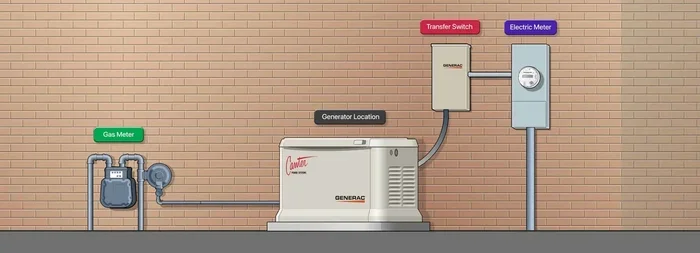
A transfer switch is a must-have for any home backup system. It connects your generator to your home’s electrical panel safely. Without one, you risk backfeeding power into the grid, which is extremely dangerous for utility workers.
A transfer switch also makes it easy to power entire circuits. Instead of plugging in individual appliances, you can run your whole essential panel through the generator.
Step 4: Practice Before You Need It
Run your generator before an actual outage. Test all the appliances you plan to use. This helps you identify any issues ahead of time. It also gets you comfortable with the setup process.
Tips for Getting the Most from a 10000 Watt Generator
A 10000 watt generator is a great investment. But like any tool, it works best when you use it right. Here are some practical tips to maximize performance and safety.
Manage Your Load Wisely
Do not plug in everything at once. Stagger your appliance usage. Start heavy items one at a time. This prevents overloads and keeps your generator fuel consumption steady.
Choose the Right Fuel
Most 10000 watt generators run on gasoline, propane, or natural gas. Each has pros and cons:
- Gasoline: Easy to find, but has a shorter shelf life
- Propane: Burns cleaner and stores longer
- Natural gas: Unlimited supply if you have a gas line
Your fuel choice affects how long your backup power lasts. Plan accordingly based on how long outages typically last in your area.
Keep It Maintained
Regular maintenance keeps your generator ready when you need it. Change the oil, check the spark plugs, and run the unit periodically. A well-maintained generator starts right up when the lights go out.
Place It Safely
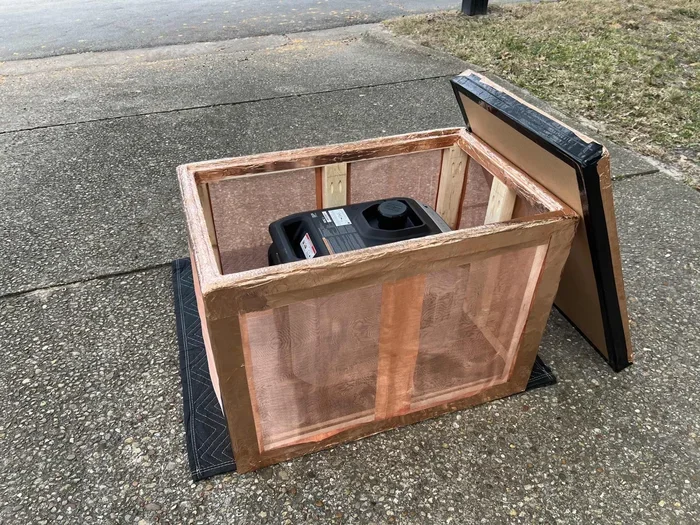
Always run your generator outdoors. Never use it inside a garage, basement, or shed. Carbon monoxide is a real danger. Place the unit at least 20 feet from your home with the exhaust facing away from windows and doors.
Is a 10000 Watt Generator Right for Your Home?
Deciding if a 10000 watt generator fits your needs depends on a few factors. Consider the size of your home, your power needs, and your budget.
A 10000 watt generator works great for:
- Small to medium-sized homes (1000 to 2000 square feet)
- Homes with a mix of electric and gas appliances
- Families who need to keep essentials running during short outages
- Users who want portable or semi-portable backup power
It may not be enough for:
- Large homes with all-electric systems
- Homes with multiple AC units
- Properties that need to run heavy machinery or shop tools
If your needs exceed a 10000 watt unit, consider a larger standby generator. A 15000 or 20000 watt model might be a better fit for whole-house coverage.
The Bottom Line
A 10000 watt generator offers a great balance of power and practicality. It covers most household essentials without the complexity and cost of a whole-house system. For many families, it is the perfect middle ground in backup power planning.
Take the time to understand your wattage capacity needs. Plan your load carefully. And always prioritize safety. With the right approach, your generator will keep your home running smoothly no matter what the weather brings.
Remember, a 10000 watt generator is not just about surviving an outage. It is about staying comfortable, safe, and connected until the power comes back on. Make the right choices today, and you will be glad you did when the next outage hits.
Frequently Asked Questions
Can a 10000 watt generator run a central air conditioner?
Yes, a 10000 watt generator can run a central air conditioner, but it depends on the size of the unit. A 3-ton AC unit typically needs around 3500 running watts and 5000 starting watts. This leaves enough capacity for a few other essentials. Just be careful not to run too many high-draw appliances at the same time.
How long can a 10000 watt generator run continuously?
Run time depends on your fuel tank size and load. A gasoline-powered 10000 watt generator typically runs 8 to 12 hours on a full tank at half load. Propane models can run longer with larger tanks. Natural gas units can run indefinitely as long as the gas supply stays on.
Can I power my entire house with a 10000 watt generator?
It depends on your home’s size and electrical setup. A 10000 watt generator can power most essential circuits in a small to medium home. However, it may not handle all appliances simultaneously in a larger all-electric home. A transfer switch helps you prioritize the most important circuits.
What is the difference between a portable and standby 10000 watt generator?
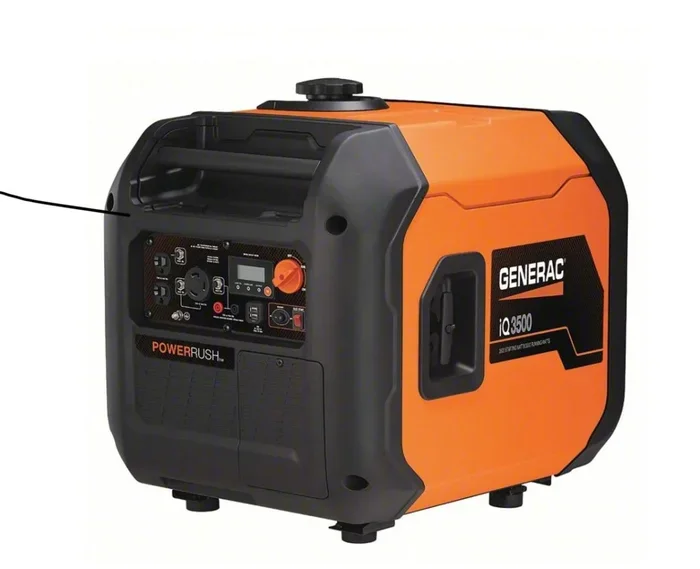
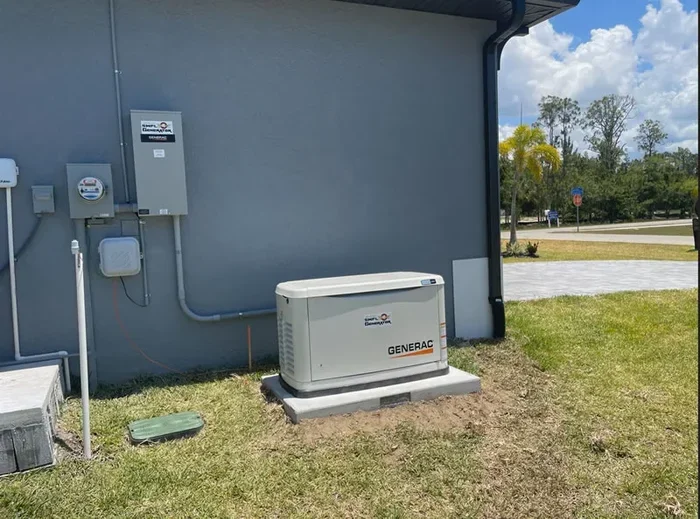
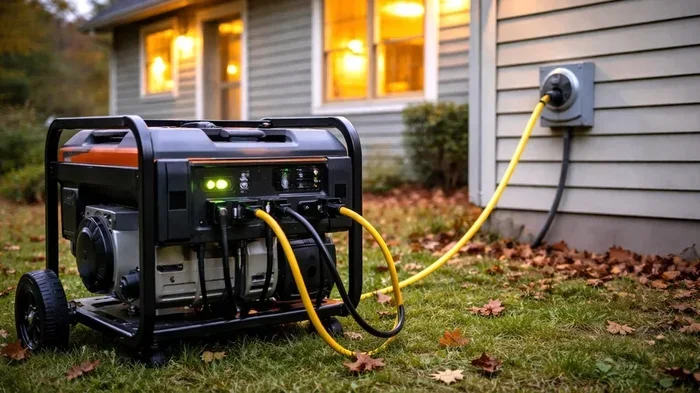
A portable 10000 watt generator is movable and usually runs on gasoline or propane. A standby 10000 watt generator is permanently installed outside your home and connects directly to your electrical panel. Standby models turn on automatically during an outage, while portable models require manual setup.
Do I need a transfer switch with a 10000 watt generator?
Yes, a transfer switch is strongly recommended. It safely connects your generator to your home’s wiring and prevents dangerous backfeed into the power grid. It also allows you to power hardwired systems like your furnace and sump pump with ease.
How do I calculate my home’s power needs for a 10000 watt generator?
List every appliance you want to run and note its wattage. Add up the running watts, then check the starting watts for motor-driven appliances. Make sure your total starting watts stay within the generator’s surge capacity. Online wattage calculators can simplify this process significantly.
=== CONCLUSION ===
A 10000 watt generator is a reliable and versatile solution for keeping your home powered during an outage. From your refrigerator and AC unit to lights and electronics, this power level covers the essentials comfortably. The key is understanding your wattage capacity, managing your load, and planning ahead.
By knowing the difference between starting watts and running watts, you can avoid overloading your unit. By prioritizing essential circuits, you make the most of every watt. And by following safety guidelines, you protect your family and your home.
Take the time to plan your backup power setup today. A little preparation goes a long way when the lights go out. With the right approach, your 10000 watt generator will keep you running smoothly no matter what comes your way.