What Are Digital Marketing Tools and Why You Need Them
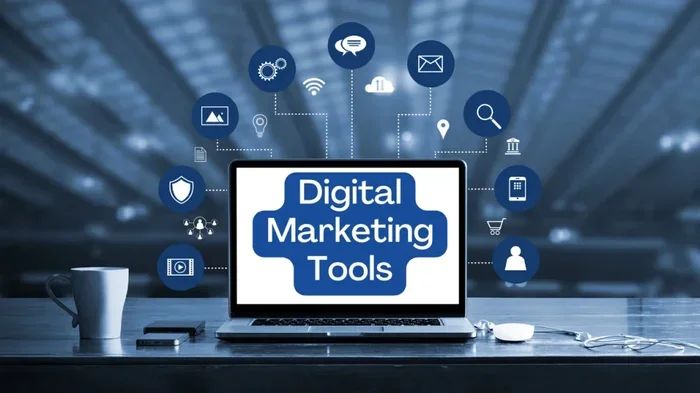
Digital marketing tools are software platforms that help businesses promote products and services online. They cover everything from social media and email to search engine optimization and paid ads. Using the right digital marketing tools saves time, boosts reach, and drives real results for any brand.
Let’s be honest. Running a business online today is not simple. There are so many channels, platforms, and strategies to manage. That is exactly where digital marketing tools come in. They are software programs designed to help you plan, execute, and measure your marketing efforts. Without them, you would be juggling everything by hand, and that is a recipe for burnout and missed opportunities.
Whether you are a solo entrepreneur or part of a big team, understanding what digital marketing tools can do is the first step toward growth. These platforms handle tasks like posting on social media, sending emails, tracking website visitors, and running paid ads. They turn chaotic processes into smooth workflows. In this guide, we will break down what these tools are, why you need them, and how to pick the best ones for your business.
Key Takeaways
- Digital marketing tools automate tasks so you can focus on strategy and growth instead of repetitive work.
- They give you measurable data about your campaigns, letting you track what works and what doesn’t.
- The right tools save money by replacing manual processes and reducing wasted ad spend.
- There are tools for every budget, from free options to enterprise-level platforms.
- Building a solid marketing stack helps your team collaborate and stay organized.
- Start small and scale up as your business grows and your needs change.
📑 Table of Contents
- What Exactly Are Digital Marketing Tools?
- Why Every Business Needs Digital Marketing Tools
- Types of Digital Marketing Tools Explained
- How to Choose the Right Digital Marketing Tools for Your Business
- Common Mistakes to Avoid When Using Digital Marketing Tools
- The Future of Digital Marketing Tools
- Final Thoughts
What Exactly Are Digital Marketing Tools?
At their core, digital marketing tools are applications or platforms that help you market your business online. They automate, simplify, and improve the way you reach and engage your audience. Think of them as your digital Swiss Army knife. Instead of using ten different methods to handle one task, one tool can do it all.
The digital marketing landscape is huge. It includes social media, email, search engines, websites, and more. Each area has its own set of tools built specifically for it. Some tools are general purpose, meaning they cover multiple areas. Others are highly specialized, focusing on just one task like keyword research or image design.
The Main Categories of Digital Marketing Tools
To make sense of this space, it helps to group these tools by what they do. Here are the main categories you will come across:
- Social media management tools – These help you schedule posts, respond to comments, and track engagement across platforms like Facebook, Instagram, and X.
- Email marketing platforms – They let you build lists, design newsletters, and automate email sequences to nurture leads and customers.
- SEO tools – These help you find the right keywords, optimize your content, and track your rankings on search engines.
- Content creation tools – From graphic design to video editing, these tools help you produce the media that makes your marketing shine.
- Analytics and reporting tools – They collect data about your campaigns and show you what is working, so you can make smart decisions.
- Paid advertising platforms – These include tools for running ads on Google, Facebook, and other networks with precise targeting options.
- CRM and lead generation tools – They help you manage customer relationships and capture leads from your marketing efforts.
Each category plays a different role, but they all work together to form your complete marketing stack. A strong stack means less manual work and better results.
Why Every Business Needs Digital Marketing Tools
You might wonder, “Do I really need these tools?” The short answer is yes. Here is why digital marketing tools have become essential for businesses of all sizes.
First, they save an incredible amount of time. Imagine writing and posting social media updates by hand every single day. Now imagine scheduling a whole month of posts in one sitting. That is the power of automation. Marketing automation lets you set things up once and let the tools handle the rest.
Second, they improve your accuracy. Manual work leads to human error. A missed email, a typo in a post, or a wrong date can cost you customers. Digital marketing platforms reduce these mistakes by standardizing your processes and catching issues before they go live.
Third, they give you real data. Gut feelings are fine, but data is better. With the right analytics tools, you can see exactly how many people clicked your ad, opened your email, or visited your landing page. This data helps you make smarter choices every day.
How Digital Marketing Tools Boost Your ROI
Return on investment is what every business cares about. Digital marketing tools directly improve your ROI in several ways:
- They reduce wasted ad spend by targeting the right people at the right time.
- They increase efficiency so your team can do more with less.
- They improve conversion rates through better targeting and personalized messaging.
- They provide insights that help you double down on what works and cut what does not.
When you use online marketing solutions properly, every dollar you spend works harder for you. That is the real beauty of these tools.
Types of Digital Marketing Tools Explained
Now that you know the categories, let us dive deeper into the most important types of tools and how they work in practice.
Social Media Management Tools
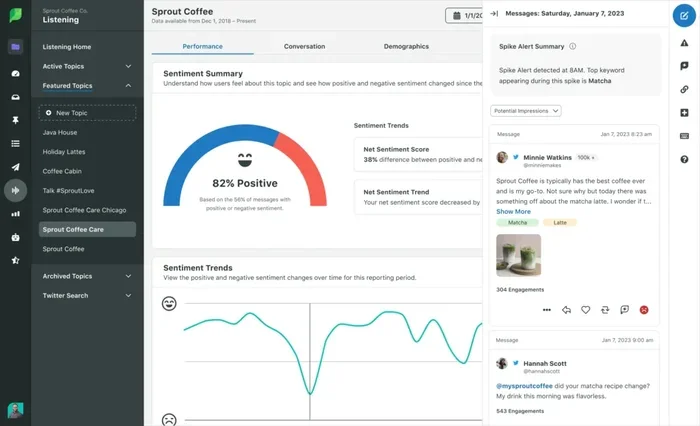
Social media is a huge part of any digital marketing strategy. But managing multiple accounts can be overwhelming. That is where social media tools step in. They let you schedule posts across platforms, monitor mentions and comments, and analyze your performance metrics.
Popular options include platforms like Hootsuite, Buffer, and Sprout Social. These tools save hours every week and help you stay consistent. Consistency is key on social media. When you post regularly, your audience grows and engages more.
Email Marketing Platforms
Email is still one of the most powerful channels for customer engagement. Tools like Mailchimp, ConvertKit, and ActiveCampaign make it easy to build your list, design beautiful emails, and set up automated drip campaigns.
With email marketing software, you can segment your audience and send personalized messages to different groups. For example, you might send a welcome series to new subscribers and a re-engagement campaign to people who have not opened your emails in a while. This level of personalization would be impossible without the right tools.
SEO and Keyword Research Tools
If you want people to find your website on Google, you need SEO tools. These platforms help you research what your audience is searching for, optimize your content, and track your rankings over time.
Tools like Ahrefs, SEMrush, and Moz are industry leaders. They give you insights into keyword difficulty, competitor strategies, and backlink opportunities. Using keyword research tools is one of the best things you can do for your organic search traffic.
Content Creation and Design Tools
Great marketing needs great content. Content creation tools help you produce high-quality visuals, videos, and written materials. Canva is a favorite for graphic design, while tools like Grammarly help you polish your writing.
For video content, platforms like Adobe Premiere and CapCut offer powerful editing features. Even if you are a beginner, many of these tools have templates and easy-to-use interfaces that make professional-looking content achievable for everyone.
Analytics and Data Tools
Data is the backbone of any successful digital marketing campaign. Analytics tools show you where your traffic comes from, what your audience likes, and how they interact with your website.
Google Analytics is the most widely used platform, and for good reason. It is free and incredibly powerful. Other tools like Hotjar and Crazy Egg provide heatmaps that show you exactly where users click and scroll on your pages. This kind of insight helps you optimize your site for better performance.
Paid Advertising and PPC Tools
Running paid ads is one of the fastest ways to drive traffic and sales. PPC advertising tools like Google Ads and Facebook Ads Manager let you create, manage, and optimize your campaigns with precision.
These platforms offer advanced targeting options. You can reach people based on their age, location, interests, and online behavior. The key is to start with a clear strategy, set a budget, and use campaign management software to track your results and adjust as needed.
How to Choose the Right Digital Marketing Tools for Your Business
With so many options out there, picking the right tools can feel overwhelming. Here is a practical guide to help you make smart choices.
Step 1: Identify Your Goals
Before you look at any software, ask yourself what you want to achieve. Do you want more website traffic? Better email open rates? Higher social media engagement? Your goals will determine which digital marketing tools deserve your attention.
Step 2: Know Your Budget
Tools come at every price point. Some are completely free, while others cost hundreds of dollars per month. Set a realistic budget and look for tools that offer the best value within that range. Remember, the most expensive tool is not always the best one for your needs.
Step 3: Consider Your Team’s Skill Level
Some tools are built for beginners, while others require advanced technical knowledge. Choose platforms that match your team’s experience level. If your team is small, look for all-in-one tools that cover multiple functions in one place.
Step 4: Check Integration Options
Your tools should work well together. When choosing marketing software, check whether it integrates with your existing platforms. Seamless integration means less manual data entry and fewer headaches.
Step 5: Start Small and Scale Up
You do not need every tool on day one. Start with the essentials, learn how they work, and add more as your business grows. This approach keeps things manageable and prevents you from overspending on features you do not need yet.
Common Mistakes to Avoid When Using Digital Marketing Tools
Even with the best tools, mistakes can happen. Here are some common pitfalls to watch out for.
- Using too many tools at once. This leads to confusion and wasted money. Stick to a few reliable platforms and master them first.
- Ignoring your data. If you are not checking your analytics regularly, you are missing valuable insights. Make data review part of your weekly routine.
- Skipping training. Most tools have tutorials and resources. Take the time to learn them properly so you get the full value.
- Not updating your tools. Software updates often include new features and security fixes. Keep your tools up to date for the best performance.
- Copying competitors blindly. Just because a competitor uses a certain tool does not mean it is right for you. Focus on your own goals and needs.
Avoiding these mistakes will help you get the most out of your digital marketing toolkit and keep your efforts on track.
The Future of Digital Marketing Tools
The world of online marketing solutions is always evolving. New technologies are reshaping how businesses reach their audiences. Here are some trends to watch.
Artificial intelligence is playing a bigger role every day. AI-powered tools can write content, generate images, analyze data, and even predict customer behavior. Platforms like Jasper and ChatGPT are already changing how marketers create and optimize their campaigns.
Voice search optimization is another growing area. As more people use smart speakers and voice assistants, the way people search for information is changing. SEO tools are adapting to help businesses optimize for voice queries.
Privacy-focused marketing is also on the rise. With changes in data tracking and cookie policies, marketers need tools that respect user privacy while still delivering personalized experiences. The future belongs to businesses that can balance personalization with transparency.
Staying informed about these trends will help you choose tools that will remain relevant and effective in the years ahead.
Final Thoughts
Digital marketing tools are no longer a nice-to-have. They are a must-have for any business that wants to grow online. From social media and email to SEO and paid ads, the right tools can transform the way you reach and connect with your audience.
The key is to start with clear goals, choose tools that fit your budget and needs, and avoid common mistakes along the way. Build your marketing stack thoughtfully, and you will see the results in your traffic, leads, and sales. The digital world is competitive, but with the right tools in your corner, you can stand out and succeed.
Take action today. Pick one area of your marketing that needs improvement, find the right tool, and start experimenting. Small steps lead to big results over time. Your future self will thank you for investing in the right digital marketing tools now.
Frequently Asked Questions
What are digital marketing tools?
Digital marketing tools are software applications that help businesses promote their products or services online. They cover areas like social media, email, search engine optimization, content creation, and paid advertising. These tools automate tasks, improve efficiency, and provide valuable data to guide your marketing decisions.
Do I really need digital marketing tools for my small business?
Yes, even small businesses benefit greatly from using the right tools. They save time, reduce errors, and help you reach more customers without hiring a large team. Many tools are affordable or even free, making them accessible for businesses of any size.
How much do digital marketing tools cost?
Prices vary widely depending on the tool and its features. Some tools are completely free, while others cost anywhere from $10 to several hundred dollars per month. The best approach is to start with free or low-cost options and upgrade as your business grows.
Can I use multiple marketing tools together?
Absolutely. In fact, most businesses use a combination of tools to cover different aspects of their marketing. This is called a marketing stack. The key is to choose tools that integrate well with each other so your workflows stay smooth and organized.
What is the easiest digital marketing tool for beginners?
For beginners, email marketing platforms like Mailchimp and social media schedulers like Buffer are great starting points. They are user-friendly, offer free plans, and deliver quick results. As you gain confidence, you can explore more advanced tools like SEO platforms and analytics software.
How do I know which digital marketing tools are right for me?
Start by identifying your goals and budget. Then research tools that address your specific needs. Read reviews, take advantage of free trials, and ask other business owners for recommendations. The right tools are the ones that fit your unique situation and help you achieve measurable results.
=== CONCLUSION ===
Digital marketing tools are the engines behind every successful online business. They handle the heavy lifting so you can focus on what matters most: connecting with your audience and growing your brand. From automation to analytics, these platforms give you the power to work smarter, not harder.
Remember to start small, choose tools that align with your goals, and keep learning as the landscape evolves. The right digital marketing toolkit can make all the difference between struggling to get noticed and thriving in a crowded online market. Take that first step today, and watch your efforts pay off in ways you never expected.