What Are Marketing Tools That Will Transform Your Work
Marketing tools are software platforms and applications designed to help businesses promote products, engage customers, and grow their brand online. They cover everything from social media management and email campaigns to analytics and automation. Understanding the right marketing tools can save you hours, boost your online visibility, and drive real results for your business.
Running a business today means competing in a crowded digital space. You need to stand out, reach the right people, and keep them coming back. That is where marketing tools come in. They are the software and platforms that help you do all of this and more.
If you have ever wondered what are marketing tools and why everyone talks about them, you are in the right place. This guide breaks down everything you need to know. We will cover what they are, the different types, how to pick the best ones, and how they can truly transform the way you work.
Marketing tools are not just for big companies anymore. Small businesses, freelancers, and startups all use them to level the playing field. The right set of digital marketing software can save you time, reduce stress, and deliver better results than manual methods ever could. Let us dive in.
Key Takeaways
- Marketing tools streamline every part of your promotion: from planning and creating content to analyzing results and improving campaigns.
- Automation platforms save time: they handle repetitive tasks so you can focus on strategy and creativity.
- Analytics tools give you real insights: you can track what works and drop what doesn’t with data-driven marketing.
- CRM software helps you manage relationships: keeping your customers happy and engaged leads to more sales.
- SEO tools improve your online visibility: they help you rank higher and attract more organic traffic.
- Social media tools keep you consistent: scheduling and managing posts across platforms becomes effortless.
- Choosing the right tools depends on your goals: start small, scale up, and always measure your performance metrics.
📑 Table of Contents
What Exactly Are Marketing Tools?
At their core, marketing tools are software applications that help businesses plan, execute, and measure their promotional efforts. They replace guesswork with data. They replace manual tasks with automation. And they give you a clear picture of what is working and what is not.
Think of marketing tools as your digital toolbox. Just like a carpenter needs a hammer, saw, and drill, a marketer needs the right software to get the job done. Some tools handle one specific task, like email marketing campaigns. Others are all-in-one platforms that cover many functions at once.
The world of marketing tools has grown enormously in recent years. What used to require a full team and a big budget can now be handled by a single person with the right software. This shift has made it possible for anyone with a good idea to reach a global audience.
Why Marketing Tools Matter for Modern Businesses
Without the right tools, marketing becomes slow and inconsistent. You might forget to post on social media. You might not know which campaign brought in the most customers. You might send the same message to everyone instead of personalizing it.
Marketing tools solve these problems. They keep you organized, consistent, and informed. They help you workflow efficiency by automating repetitive tasks. They also help you understand your audience better through performance metrics and analytics dashboards.
When you use marketing tools effectively, you free up time to focus on what really matters. That means more time for creative thinking, building relationships, and growing your brand. The tools handle the busywork so you can handle the big picture.
Types of Marketing Tools You Should Know
The world of marketing tools is vast. Different tools serve different purposes. Here are the main categories you should understand.
Social Media Management Tools
Social media management tools help you plan, schedule, and publish posts across multiple platforms. Instead of logging into Facebook, Instagram, Twitter, and LinkedIn separately, you can do it all from one dashboard.
These tools also let you track engagement. You can see which posts get the most likes, shares, and comments. This helps you understand what your audience wants and adjust your content creation tools strategy accordingly.
Popular options include platforms that offer team collaboration features. This means your whole marketing team can work together on posts, approvals, and schedules in one place.
Email Marketing Platforms
Email marketing campaigns remain one of the most powerful ways to connect with customers. Email marketing platforms let you build lists, design beautiful templates, and send messages to thousands of people at once.
These tools also track opens, clicks, and conversions. You can see exactly how many people read your email and took action. This data helps you improve your campaign management over time.
Many email platforms now include automation features. You can set up sequences that send the right message to the right person at the right time. This is a huge part of marketing automation and saves hours of manual work.
SEO and Content Optimization Tools
If you want people to find your website through search engines, you need SEO optimization tools. These tools analyze your content, suggest keywords, and help you improve your rankings.
SEO optimization tools also track your online visibility. They show you where you rank for specific keywords and how your competitors are performing. This information is gold for any data-driven marketing strategy.
Content optimization tools go a step further. They help you create blog posts, articles, and web pages that both humans and search engines love. They check readability, suggest improvements, and ensure your content is fully optimized.
CRM and Customer Relationship Tools
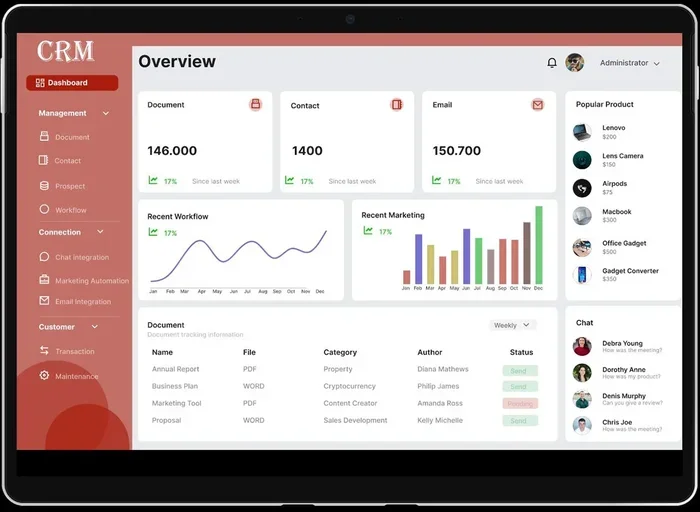
CRM software stands for Customer Relationship Management. It helps you track every interaction you have with your customers and leads. From first contact to final sale and beyond, a good CRM keeps everything organized.
These tools are essential for customer engagement. They remind you to follow up, note important details about each contact, and help you personalize your outreach. When your team uses CRM software properly, nothing falls through the cracks.
Many businesses use CRM tools alongside their lead generation efforts. The CRM captures leads from your website, emails, and social media, then nurtures them until they are ready to buy.
Analytics and Reporting Tools
Analytics dashboards give you a clear picture of your marketing performance. They pull data from all your channels and present it in easy-to-read charts and graphs.
With analytics dashboards, you can see which channels drive the most traffic, which campaigns generate the most sales, and where you are losing potential customers. This data-driven marketing approach helps you make smarter decisions every day.
Performance metrics like conversion rates, bounce rates, and customer acquisition costs all come together in these tools. Instead of guessing, you can measure exactly what is working and double down on it.
How Marketing Tools Transform Your Daily Work
The real power of marketing tools shows up in your day-to-day operations. Here is how they change the game.
Saving Time Through Automation
One of the biggest benefits of marketing tools is automation. Tasks that used to take hours can now happen in seconds. You can schedule social media posts for the entire week in one sitting. You can set up email sequences that run on autopilot. You can generate reports automatically every month.
This frees up your time for higher-value work. Instead of manually posting updates, you can focus on strategy, creative brainstorming, and building deeper relationships with your audience. Workflow efficiency is one of the top reasons businesses invest in these tools.
Improving Consistency and Quality
Consistency is key in marketing. When you use marketing tools, you are less likely to miss posts, forget follow-ups, or send inconsistent messages. Automation keeps your brand present and reliable.
Quality also improves. Many tools include templates, brand guidelines, and collaboration features. This means every piece of content you publish meets your standards. Your branding strategies stay consistent across all channels.
Making Better Decisions with Data
Gone are the days of guessing what works. Marketing tools give you real-time data on everything. You can A/B test different headlines, see which emails get the best open rates, and track which social media posts drive the most website visits.
This data-driven marketing approach means you always know what to do next. You can pivot quickly when something is not working. You can scale up what is working. The result is better return on every dollar you spend.
How to Choose the Right Marketing Tools for Your Business
With so many options out there, picking the right marketing tools can feel overwhelming. Here is a simple approach that works.
Step 1: Define Your Goals
Before you look at any software, know what you want to achieve. Do you need more lead generation? Better customer engagement? Higher online visibility? Your goals will guide which tools you need most.
Step 2: Audit Your Current Process
Look at what you are doing now. Where do you waste time? Where do you make mistakes? Where do you lose track of customers? These pain points tell you exactly which marketing tools will give you the biggest return.
Step 3: Start Small and Scale Up
You do not need every tool at once. Start with one or two that address your biggest needs. Learn them well. Then add more as your business grows. This keeps things manageable and your budget under control.
Step 4: Check for Integrations
The best marketing tools work well together. Look for platforms that integrate with your existing software. This creates a seamless workflow efficiency and prevents data silos between your systems.
Step 5: Consider Your Budget
Tools come at every price point. Many offer free tiers or trials. Set a budget and stick to it. Remember that the cheapest option is not always the best. Focus on value and features that match your needs.
Common Mistakes People Make with Marketing Tools
Even with the best marketing tools, mistakes happen. Here are a few to avoid.
- Buying too many tools at once: This leads to confusion, high costs, and a steep learning curve. Start small and add tools as you grow.
- Ignoring training: Most tools have powerful features you will never use if you do not learn them. Invest time in tutorials and onboarding.
- Not tracking results: The whole point of marketing tools is data. If you do not check your performance metrics, you are missing out on valuable insights.
- Using tools without a strategy: Software alone does not build a brand. You need a clear plan that guides how and why you use each tool.
- Neglecting updates and maintenance: Keep your tools updated and your data clean. Outdated software leads to poor conversion tracking and missed opportunities.
Avoiding these mistakes puts you ahead of most businesses. It means you get more value from every tool you use and waste less time and money along the way.
Expert Tips for Getting the Most from Your Marketing Tools
Marketing tools can do amazing things, but only if you use them well. Here are some tips from experienced marketers.
Tip 1: Dedicate time to learn each tool fully. The difference between a beginner and a power user is often just a few hours of exploration. Watch tutorials, read guides, and experiment with every feature.
Tip 2: Set up dashboards for your key metrics. Do not dig through reports every week. Build a dashboard that shows your most important performance metrics at a glance. This saves time and keeps you focused.
Tip 3: Automate everything you can. If a task repeats weekly or monthly, automate it. This includes social media posts, email sequences, report generation, and lead generation follow-ups.
Tip 4: Review your tool stack every quarter. As your business changes, your tool needs change too. Remove tools you no longer use. Replace ones that do not deliver value. Keep your stack lean and effective.
Tip 5: Prioritize tools that support team collaboration. If you work with a team, choose platforms where everyone can access, edit, and comment. This boosts team collaboration and keeps everyone aligned on your branding strategies.
Tip 6: Use integrations to connect your tools. When your CRM talks to your email platform and your analytics tool, you get a complete picture of your customer journey. This connected approach is the foundation of modern data-driven marketing.
Conclusion
Marketing tools are no longer a nice-to-have. They are a necessity for any business that wants to grow and compete in today’s digital world. From social media management and email marketing campaigns to SEO optimization and CRM software, the right tools can transform how you work.
The key is to start with clear goals, choose tools that fit your needs, and use them consistently. Avoid the common mistakes that waste time and money. And always keep learning new ways to get more value from your marketing tools.
When you invest in the right digital marketing software and use it wisely, the results speak for themselves. You save time, reach more people, and build stronger customer relationships. That is what marketing tools are really all about: helping you do your best work and grow your business with confidence.
Frequently Asked Questions
What are the most essential marketing tools for beginners?
For beginners, the most essential marketing tools include an email marketing platform, a social media scheduling tool, and a basic analytics dashboard. These three cover the core areas of promotion, consistency, and measurement. You can always add more tools as your business grows and your needs become clearer.
How much should I spend on marketing tools each month?
Your budget depends on your business size and goals. Many tools offer free plans that work well for small businesses. As a general rule, aim to spend no more than 5 to 10 percent of your marketing budget on software. Focus on tools that deliver measurable results and cut the ones that do not.
Can marketing tools replace a marketing team?
Not entirely. Marketing tools make your team more efficient and can handle many tasks automatically. However, they still need human creativity, strategy, and decision-making. Think of tools as powerful assistants that amplify what your team can do, not as replacements for skilled marketers.
What is the difference between marketing tools and marketing platforms?
A marketing tool usually handles one specific function, like email or SEO. A marketing platform is an all-in-one solution that covers multiple functions in one place. Many businesses start with individual tools and later move to a platform as their needs become more complex.
How do I know if a marketing tool is working for me?
Track your performance metrics before and after using a new tool. Look at changes in engagement, leads, conversions, and time saved. If you see positive trends in your campaign management results and customer engagement levels, the tool is likely working well for you.
Are free marketing tools worth using?
Yes, many free marketing tools offer excellent value, especially for small businesses and startups. They may have limited features compared to paid versions, but they can still handle core tasks like scheduling, basic analytics, and email campaigns. Free tools are a great way to start building your digital marketing software stack without a big investment.