What Are Some CRM Tools That Can Boost Your Business
CRM tools help businesses manage customer relationships, automate sales, and grow revenue. Customer relationship management software keeps track of leads, contacts, and deals in one place. The right CRM platform can save time, improve teamwork, and make customers happier. This guide covers the top CRM tools, key features, and how to choose the best one for your business.
Running a business means juggling a lot. You have leads to follow up with, customers to keep happy, and deals to close. That is where CRM tools come in. Customer relationship management software helps you organize everything in one place. Instead of scattered spreadsheets and sticky notes, you get one system that keeps track of it all.
If you have ever wondered what are some CRM tools and how they actually help, you are in the right place. This guide breaks down the best options, the features that matter, and how to pick the right one for your business. Whether you run a small team or a growing company, the right CRM platform can make a real difference.
Let us dive in and explore what makes CRM software so powerful and which tools deserve your attention.
Key Takeaways
- CRM tools centralize customer data: They bring all contact info, notes, and interactions into one easy-to-use system.
- Sales automation saves hours each week: CRM software handles repetitive tasks so your team can focus on closing deals.
- Small businesses benefit the most: Affordable CRM platforms level the playing field with bigger companies.
- Integration matters: The best CRM tools connect with email, marketing, and support software you already use.
- Scalability is key: Choose a platform that grows with your business needs over time.
- Reporting features drive decisions: CRM analytics help you spot trends and improve customer retention.
- Free trials let you test risk-free: Most top CRM platforms offer demos or free plans to try before you buy.
📑 Table of Contents
- What Exactly Is a CRM Tool?
- Top CRM Tools You Should Know About
- Key Features to Look For in CRM Tools
- How to Choose the Right CRM Tool for Your Business
- Benefits of Using CRM Tools in Your Daily Workflow
- Common Mistakes to Avoid When Choosing CRM Tools
- Quick Tips for Getting the Most Out of Your CRM
- Final Thoughts on CRM Tools
What Exactly Is a CRM Tool?
A CRM tool is a software platform that helps businesses manage their relationships with customers and potential leads. Think of it as a digital Rolodex on steroids. It stores contact details, tracks conversations, and reminds you when to follow up. But it does so much more than just save names and numbers.
At its core, customer relationship management software gives you a single view of every customer. You can see their purchase history, support tickets, emails, and notes all in one place. This makes your team smarter and faster. No one has to guess what happened in the last conversation or dig through inboxes for context.
Why CRM Tools Matter for Business Growth
Businesses that use CRM tools see better results. They close more deals. They keep customers longer. They spend less time on busywork. Here is why it matters:
- Better organization: Every piece of customer data lives in one system.
- Improved communication: Your team knows exactly what to say and when to say it.
- Faster sales cycles: Automation handles the repetitive stuff so humans can focus on relationships.
- Higher customer retention: You stay on top of needs and fix problems before they escalate.
- Data-driven decisions: Reports and analytics show you what is working and what is not.
Without a CRM, teams rely on memory, spreadsheets, and scattered files. That approach does not scale. As your business grows, things fall through the cracks. A good CRM platform prevents that.
Top CRM Tools You Should Know About
There are dozens of CRM tools on the market. Some are built for huge enterprises. Others are perfect for small businesses just getting started. Here are some of the most popular and effective options.
Salesforce
Salesforce is one of the biggest names in CRM software. It is a full-featured platform that handles sales, marketing, and customer support. Salesforce offers deep customization and a huge app ecosystem. It works well for businesses of all sizes, though it can be complex for small teams just starting out.
Key strengths include powerful automation, detailed analytics, and strong integrations. If you need a platform that can grow with you, Salesforce is worth a serious look.
HubSpot CRM
HubSpot CRM is a favorite among small businesses and startups. The free version is genuinely useful, which makes it easy to get started. It offers contact management, deal tracking, email integration, and a clean, simple interface. You do not need a tech degree to figure it out.
HubSpot also has paid tiers that add marketing automation, live chat, and more advanced features. For teams that want an all-in-one platform without a steep learning curve, HubSpot is a top choice.
Zoho CRM
Zoho CRM delivers strong features at an affordable price. It covers sales automation, contact management, and workflow rules. Zoho also offers a suite of business apps, so you can connect your CRM with email, invoicing, and more. It is a great option for budget-conscious businesses that still want powerful tools.
Pipedrive
Pipedrive focuses on sales pipeline management. Its visual interface makes it easy to see where every deal stands. You drag and drop deals through stages, set reminders, and track activity. Pipedrive is ideal for sales teams that want simplicity and clarity above all else.
Freshsales
Freshsales by Freshworks combines CRM with AI-powered lead scoring. It helps you prioritize the leads most likely to convert. The platform includes built-in phone, email, and chat features. If you want a modern CRM with smart features out of the box, Freshsales is worth considering.
Key Features to Look For in CRM Tools
Not all CRM platforms are created equal. When you are evaluating options, look for features that match your business needs. Here are the most important ones to consider.
Contact and Lead Management
This is the foundation of any CRM tool. You need to store and organize contact details, track where leads come from, and monitor their progress through your sales funnel. Good contact management means no lost leads and no forgotten follow-ups.
Sales Pipeline and Deal Tracking
A visual pipeline lets you see every deal at a glance. You can track stages from first contact to closed deal. This feature helps managers spot bottlenecks and forecast revenue more accurately. It keeps everyone on the same page about what is happening with each opportunity.
Workflow Automation
Automation saves your team hours of manual work. You can set rules that trigger emails, assign tasks, or update deal stages automatically. For example, when a lead fills out a form, the CRM can send a welcome email and notify the right sales rep. This keeps things moving without anyone lifting a finger.
Email and Communication Integration
The best CRM tools connect directly with your email. You can log emails, schedule follow-ups, and track opens and clicks from within the platform. This eliminates the need to switch between tools and keeps all communication in one place. Look for support with Gmail, Outlook, and popular messaging apps.
Reporting and Analytics
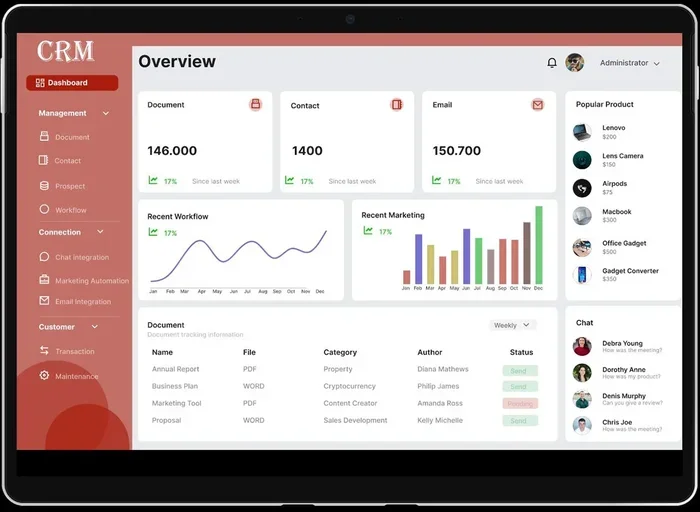
Data is only useful if you can understand it. CRM reporting gives you dashboards that show key metrics like conversion rates, deal velocity, and revenue forecasts. These insights help you make smarter decisions and coach your team more effectively. The best platforms let you build custom reports tailored to your goals.
Mobile Access
Your team is not always at a desk. Mobile access lets them update deals, log calls, and check on leads from anywhere. A good CRM app should feel fast and intuitive on a phone or tablet. This is especially important for field teams and outside sales reps.
Integration with Other Tools
Your CRM should play nice with the rest of your tech stack. Look for integrations with marketing platforms, customer support software, accounting tools, and more. The more connected your systems are, the smoother your workflows become. APIs and app marketplaces make this easier than ever.
How to Choose the Right CRM Tool for Your Business
With so many options, picking the right CRM can feel overwhelming. Here is a simple approach to make the decision easier.
Step 1: Define Your Goals
Before you look at any software, know what you want to achieve. Are you trying to close more deals? Improve customer support? Streamline marketing? Your goals will guide which features matter most. A small business focused on lead generation needs different tools than a company focused on customer retention.
Step 2: Consider Your Budget
CRM tools range from free to hundreds of dollars per user per month. Set a realistic budget before you start shopping. Keep in mind that free plans often have limitations. Paid plans unlock more features, automation, and storage. Think about the long-term cost, not just the monthly price.
Step 3: Evaluate Ease of Use
Your team will actually use the CRM every day. If it is complicated or confusing, adoption will be low. Look for platforms with clean interfaces, intuitive navigation, and good onboarding resources. Many providers offer free trials or demos. Take advantage of these to test the user experience before committing.
Step 4: Check Integration Options
Your CRM should work with tools you already rely on. Check whether it connects with your email provider, marketing software, and support platform. Native integrations are usually smoother than third-party connectors. Also look for API access if you have custom needs down the road.
Step 5: Think About Scalability
The CRM you choose today should still work for you in two years. Consider how your team will grow and how your needs will evolve. A platform that works for five users should also handle fifty. Scalability ensures you do not outgrow your software too quickly.
Benefits of Using CRM Tools in Your Daily Workflow
CRM tools change the way teams work. Here are the real-world benefits you can expect when you adopt the right platform.
Better Customer Relationships
When everyone has access to customer history and preferences, interactions become more personal. Your team remembers what matters to each customer. This builds trust and loyalty. Happy customers buy more and refer others.
Increased Team Productivity
Automation handles the repetitive tasks. Your team spends less time on data entry and more time on meaningful work. Follow-up reminders, deal assignments, and email templates all speed things up. Productivity gains add up fast across a whole team.
Improved Collaboration
A shared CRM system means everyone sees the same information. Sales, marketing, and support teams stay aligned. There is no confusion about who is handling what or what was promised to a customer. Collaboration improves when information flows freely.
Smarter Decision Making
CRM analytics give you real insights into your business. You can see which strategies drive results and which ones do not. These data-driven decisions lead to better resource allocation and stronger outcomes. Over time, the insights become a competitive advantage.
Common Mistakes to Avoid When Choosing CRM Tools
Many businesses make avoidable mistakes when selecting a CRM platform. Here is what to watch out for.
Choosing Based on Features Alone
It is easy to fall in love with a long feature list. But features mean nothing if your team will not use the tool. Focus on usability and fit over sheer capability. A simpler tool that gets adopted beats a complex one that sits unused.
Ignoring User Adoption
Training and change management matter. If you roll out a new CRM without proper onboarding, people will resist. Involve your team in the selection process. Show them the value and provide hands-on training. Adoption is the biggest factor in CRM success.
Overlooking Data Migration
Moving existing customer data into a new CRM can be tricky. Plan for data cleanup and migration before you start. A messy import leads to bad data, and bad data leads to bad decisions. Take time to get this step right.
Forgetting About Security
Customer data is sensitive. Make sure your CRM platform has strong security measures. Look for encryption, access controls, and compliance with relevant regulations. A breach can damage your reputation and trust with customers.
Quick Tips for Getting the Most Out of Your CRM
Once you have chosen your CRM tool, follow these tips to get real value from it.
- Start small: Do not try to use every feature at once. Focus on the basics first and expand over time.
- Set daily habits: Encourage your team to log updates every day. Consistency keeps data accurate.
- Clean your data regularly: Remove duplicates and update outdated information. Clean data leads to better insights.
- Use templates: Save time with email templates, call scripts, and deal stages that match your workflow.
- Review reports weekly: Schedule time to look at dashboards and adjust your strategy based on what the data shows.
- Get feedback from your team: Ask users what works and what does not. Their input helps you optimize the setup.
Final Thoughts on CRM Tools
CRM tools are more than just software. They are a strategy for building stronger customer relationships and growing your business. The right customer relationship management platform keeps your team organized, your customers happy, and your sales pipeline full. Whether you are a solo entrepreneur or managing a large team, there is a CRM solution that fits your needs and budget.
Take the time to evaluate your options. Use free trials to test drive different platforms. Focus on the features that matter most to your business. And remember, the best CRM is the one your team actually uses every day. Start small, stay consistent, and watch the results add up over time.
The world of CRM software has never been more accessible. Affordable options exist for every type of business. Do not let the decision overwhelm you. Pick a platform, get your team on board, and start building better customer relationships today.
Frequently Asked Questions
What are CRM tools used for?
CRM tools are used to manage customer relationships, track leads, organize contacts, and automate sales and marketing tasks. They give businesses a centralized place to store all customer data and interactions. This helps teams work more efficiently and provide better service.
What are some free CRM tools available?
HubSpot CRM offers a robust free plan with core features like contact management and deal tracking. Zoho CRM also has a free tier for small teams. Pipedrive and Freshsales have free trial periods as well. These free options let you test the waters without any financial risk.
How do CRM tools help small businesses?
CRM tools help small businesses stay organized and professional. They keep track of every customer interaction, automate follow-ups, and prevent leads from falling through the cracks. Small businesses can compete with larger companies by using CRM software to deliver better customer experiences.
What features should I look for in a CRM tool?
Look for contact management, sales pipeline tracking, workflow automation, email integration, and reporting analytics. Mobile access and third-party integrations are also important. Choose features based on your specific business goals and team needs.
How long does it take to set up a CRM tool?
Most CRM tools can be set up within a few days to a couple of weeks. Simpler platforms like HubSpot CRM can be running in just a few hours. More complex solutions like Salesforce may take longer due to customization and data migration. The key is to start with a clear plan and involve your team early.
Can CRM tools integrate with other business software?
Yes, most CRM platforms offer integrations with email tools, marketing software, accounting systems, and customer support platforms. HubSpot, Salesforce, and Zoho all have extensive app marketplaces. These integrations help create a seamless workflow across your entire business.
=== CONCLUSION ===
CRM tools are essential for any business that wants to grow and stay organized. From managing contacts to automating sales, the right platform transforms how you work with customers. The options covered in this guide give you a strong starting point, whether you are a small team or a growing company. Take action today, explore the tools that fit your needs, and start building stronger customer relationships that drive real results.