How to Choose the Best Back Up Generator for Your Home
Choosing the right back up generator keeps your home running during power outages. This guide covers everything from generator types and sizes to costs, features, and safety tips. You will learn exactly what to look for so you can make a confident, smart purchase.
Nothing beats the frustration of a sudden power outage. Lights go out. The fridge stops running. Your Wi-Fi drops. If you have ever been stuck in the dark for hours, you know exactly why a back up generator matters so much.
A back up generator is a machine that automatically kicks in when the power goes out. It keeps your essential appliances running and your family comfortable. Whether you live in a cozy apartment or a large single family home, the right generator can make all the difference.
But here is the thing. Not all generators are created equal. Some are too small. Some are too loud. Some cost way more than they should. That is exactly why we put together this guide. By the end, you will know exactly what size you need, which type works best, and how to avoid common mistakes.
Key Takeaways
- Match the size to your needs: A whole house back up generator typically ranges from 7 kW to 24 kW depending on your home’s power demands.
- Fuel type matters: Natural gas, propane, and diesel each offer different run times, costs, and maintenance needs.
- Look for key features: Automatic transfer switches, low noise levels, and smart monitoring make a big difference.
- Installation distance is critical: Place your generator at least 5 feet from windows and doors for safety.
- Regular maintenance extends lifespan: Simple tasks like oil changes and filter replacements keep your unit running for 20 to 30 years.
- Budget wisely: Total costs including installation range from $4,000 to $15,000 depending on the model and your home.
📑 Table of Contents
What Is a Back Up Generator?
A back up generator is an emergency power system that turns on automatically when your regular electricity goes out. It connects directly to your home’s electrical panel. When the grid fails, the generator starts within seconds and keeps your lights, fridge, and other devices running.
Think of it like a safety net. You do not think about it much until you need it. And when you do need it, you will be really glad you have one.
Most home backup power systems run on natural gas, propane, or diesel fuel. They come in different sizes to match different home sizes and power needs. A small unit might keep just your fridge and a few lights going. A large one can power your entire house.
How Does a Back Up Generator Work?
The process is simpler than you might think. Here is how it works in plain language:
- The generator sits outside your home and connects to your electrical panel.
- It monitors the power supply from the grid.
- When the power goes out, a sensor detects the drop.
- The generator starts up automatically, usually within 10 to 30 seconds.
- It sends power to your home through an automatic transfer switch.
- When grid power returns, the generator shuts off and switches back.
You do not need to flip any switches or go outside in the rain. The whole process happens automatically. That is the beauty of a standby generator system.
Types of Back Up Generators
Not every generator is the same. There are two main types you should know about. Each has its own strengths and weaknesses.
Portable Generators
A portable generator is smaller and easier to move around. You can wheel it from your garage to your backyard. These units usually run on gasoline or propane. They are great for temporary power needs.
However, portable generators have limits. They usually produce between 3 kW and 8 kW of power. That is enough for a few essential items but not enough to run your whole house. You also need to manually set them up each time the power goes out.
Portable units are also noisier than their permanent counterparts. And they require extension cords, which can be a tripping hazard.
Standby Generators
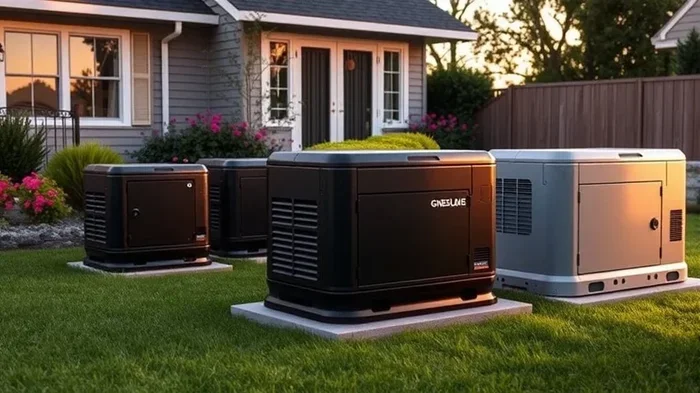
A standby generator is a permanent unit installed outside your home. It connects directly to your electrical system and fuel supply. When the power goes out, it turns on by itself. This is the type most homeowners think of when they hear the term back up generator.
Standby generators range from 7 kW to 24 kW or more. They can power your entire home or just your essential circuits. They run on natural gas or liquid propane, which means no refueling. They also run much quieter than portable units.
The tradeoff? They cost more upfront. But for most homeowners, the convenience and reliability are worth every penny.
How to Size the Right Generator for Your Home
Sizing is one of the most important decisions you will make. Get it wrong and you either waste money or end up without enough power. Here is how to figure out the right generator size for your home.
Step 1: List Your Essential Appliances
Start by writing down the things you absolutely need during an outage. Common essentials include:
- Refrigerator and freezer
- Heating or cooling system
- Lights in key rooms
- Wi-Fi router and modem
- Medical equipment
- Phone chargers
- Well pump (if applicable)
Every appliance has a wattage rating. You can usually find it on a label on the back or bottom of the unit. Add up the wattages to get a baseline number.
Step 2: Understand Starting vs. Running Watts
Here is something many people miss. Some appliances need more power to start up than to keep running. This is called the starting wattage. A fridge, for example, might need 2,200 watts to start but only 700 watts to keep running.
Always add the starting wattage for your biggest appliances. This ensures your generator can handle the initial surge without tripping.
Step 3: Match the Size to Your Home
As a general rule of thumb:
- Small homes (up to 1,000 sq ft): 7 kW to 10 kW covers basic essentials.
- Medium homes (1,000 to 2,000 sq ft): 12 kW to 16 kW handles most needs.
- Large homes (2,000+ sq ft): 20 kW to 24 kW or more powers the whole house.
If you are unsure, check out our detailed guide on what size generator for whole house for more specific recommendations. The right generator capacity depends on your unique situation.
Key Features to Look For
Not all generators offer the same features. Some have extras that make a huge difference in comfort and convenience. Here is what to look for when shopping for a back up generator.
Automatic Transfer Switch
The automatic transfer switch is the brain of your backup system. It detects power loss and tells the generator to start. It also switches your home from grid power to generator power seamlessly. Without this feature, you would need to manually start the generator and connect it every time.
Every standby generator should include this feature. If a portable unit offers it, that is a major plus.
Fuel Type and Availability
The fuel your generator uses affects everything from cost to run time to maintenance. Here is a quick comparison:
- Natural Gas: Clean burning, unlimited supply (connected to your gas line), lower emissions. Most popular choice for home standby units.
- Propane: Burns clean, stores well for long periods, slightly higher fuel cost than natural gas.
- Diesel: Very efficient, great for larger generators, but can be harder to store long term.
Natural gas is the most common fuel for residential home backup power systems. It connects directly to your existing gas line, so you never run out.
Runtime and Fuel Efficiency
How long can your generator run on a full tank? For a permanently installed standby generator connected to natural gas, the answer is essentially unlimited. The fuel line keeps it running as long as needed.
Portable units with gas tanks typically run 8 to 24 hours depending on the load. If you want to know more about maximizing your runtime, check out our guide on how long can a generator run.
Noise Level
Nobody wants a generator that sounds like a jet engine. Modern standby generators run at around 60 to 70 decibels. That is about as loud as a normal conversation. Portable units tend to be louder, especially older models.
If noise is a concern in your neighborhood, look for units with soundproof enclosures or low-decibel ratings.
Smart Monitoring and Remote Start
Many newer generators come with Wi-Fi enabled controllers. These let you monitor your unit from your phone. You can check fuel levels, run times, and maintenance alerts from anywhere. Some models even let you start the generator remotely.
This is a nice luxury feature, but it is not essential. If you are on a tighter budget, focus on the core features first.
How Much Does a Back Up Generator Cost?
The cost of a back up generator varies quite a bit. The unit itself can range from $1,500 for a small portable model to $10,000 or more for a large standby unit. Installation adds another $500 to $5,000 depending on complexity.
On average, most homeowners spend between $4,000 and $15,000 total. For a detailed breakdown, our page on how much does a home generator cost covers pricing in depth.
| Generator Type | Price Range (Unit Only) | Installation Cost | Total Cost Range |
|---|---|---|---|
| Portable (3-8 kW) | $500 – $2,000 | $0 – $500 | $500 – $2,500 |
| Standby (7-12 kW) | $2,000 – $5,000 | $1,000 – $3,000 | $3,000 – $8,000 |
| Standby (13-24 kW) | $4,000 – $10,000 | $2,000 – $5,000 | $6,000 – $15,000 |
The upfront cost can feel steep. But think about what you are protecting. A spoiled fridge full of food costs $500 or more. A frozen pipe burst can cause thousands in water damage. A back up generator pays for itself many times over.
Installation and Safety Tips
Installing a generator is not a DIY project for most homeowners. It involves electrical wiring, gas connections, and local building codes. Always hire a licensed professional for the installation.
Placement Matters
Where you put your generator is more important than you might think. The unit should always be placed outside, away from windows and doors. Exhaust fumes contain carbon monoxide, which is deadly in enclosed spaces.
As a general rule, place your generator at least 5 feet from any window, door, or vent. Check your local codes for specific distance requirements. You can also read our guide on how far should generator be from house for more details.
Place the unit on a level surface. Concrete pads work great. Avoid low-lying areas where water could pool during heavy rain or flooding.
Permits and Codes
Most cities require a permit for generator installation. Your installer should handle this for you. They will also make sure the unit meets all local electrical and fire safety codes. Never skip this step. It protects your family and your home insurance coverage.
Generator Safety Basics
Safety should always come first with any power equipment. Here are some key generator safety rules to follow:
- Never run a generator indoors or in a garage, even with the door open.
- Install carbon monoxide detectors near sleeping areas.
- Keep the generator dry. Do not operate it in rain or snow without proper protection.
- Turn off the generator and let it cool before refueling.
- Use heavy-duty, outdoor-rated extension cords if connecting portable units.
Following these simple rules keeps your family safe and your generator running smoothly for years.
Maintenance and Long-Term Care
A back up generator is an investment. Like any investment, it needs regular care to perform well. The good news is that maintenance is pretty straightforward.
Routine Maintenance Tasks
Here is what you should do on a regular schedule:
- Oil changes: Change the oil every 100 to 200 hours of run time, or at least once a year.
- Air filter: Check and replace the air filter every 6 months or as needed.
- Spark plugs: Inspect and replace spark plugs annually.
- Fuel system: If using propane, check the fuel lines for leaks. If using natural gas, ensure the connection is secure.
- Battery test: Test the battery and transfer switch every few months to make sure everything starts properly.
Most manufacturers recommend a professional inspection once a year. A trained technician can spot potential problems before they become expensive repairs.
How Long Does a Generator Last?
A well-maintained standby generator can last 20 to 30 years or more. Portable units typically last 10 to 15 years with regular care. The key is staying on top of maintenance and using the unit correctly.
Think of it like maintaining a car. Regular oil changes and tune-ups keep everything running smoothly. The same principle applies here.
Common Mistakes to Avoid
Buying a generator is a big decision. Avoid these common mistakes that trip up many homeowners:
- Undersizing the unit: A generator that is too small will overload and shut down. Always add a buffer of 20 to 25 percent above your calculated needs.
- Ignoring fuel costs: Natural gas and propane costs add up over time. Factor in fuel expenses when calculating the total cost of ownership.
- Skipping the transfer switch: Connecting a generator without a proper transfer switch is dangerous and illegal in most areas. It can backfeed power into the grid and endanger utility workers.
- Neglecting maintenance: A generator that sits unused for months may not start when you need it most. Run it regularly to keep everything in working order.
- Buying the cheapest option: The cheapest generator is rarely the best value. Look for a reliable brand with good warranty coverage and customer support.
Final Thoughts
Choosing the best back up generator for your home comes down to three things: size, type, and features. Know what you need to power. Pick the right fuel type for your situation. And invest in the features that matter most to your family.
A power outage can happen anytime. Storms, accidents, and equipment failures do not send calendar invites. But with the right home backup power system in place, you will not even notice the difference. Your lights stay on. Your food stays cold. Your family stays safe and comfortable.
Take the time to do your research before you buy. Use this guide as your starting point. And when you are ready, consult with a licensed installer who can assess your home and recommend the perfect unit.
The right back up generator is one of the smartest investments you can make for your home. It gives you peace of mind and real protection every single day.
Frequently Asked Questions
What size back up generator do I need for a 2000 square foot house?
For a 2,000 square foot home, a 12 kW to 16 kW standby generator usually covers most essential and some non-essential circuits. The exact size depends on which appliances and systems you want to run. If you want to power your entire house including central air, aim for 20 kW or higher.
Can I install a back up generator myself?
While some handy homeowners attempt DIY installation, it is strongly recommended to hire a licensed professional. Generator installation involves electrical wiring, gas connections, and local code compliance. Improper installation can be dangerous and may void your warranty.
How much does it cost to install a whole house back up generator?
Total installation costs typically range from $4,000 to $15,000 depending on the generator size, fuel type, and complexity of the installation. This includes the unit, labor, permits, and any electrical or gas line upgrades needed.
How long does a back up generator run during a power outage?
A standby generator connected to natural gas or propane can run indefinitely as long as fuel is available. Portable generators with gas tanks typically run 8 to 24 hours per tank. For more details on runtime, check out our guide on how long can a generator run.
Is a back up generator worth the investment?
Absolutely. A generator protects your home from food spoilage, frozen pipes, and loss of comfort during outages. It also adds resale value to your property. Most homeowners find that the peace of mind alone makes it worth the investment.
What fuel is best for a home back up generator?
Natural gas is the most popular choice because it connects to your existing gas line and never runs out. Propane is a great alternative, especially in areas without natural gas service. Diesel is efficient but less common for residential use.