Sound Wave Generator Everything You Need to Know Today
A sound wave generator is a powerful software tool that creates, manipulates, and analyzes audio frequencies for music, testing, and healing. Whether you are a musician, engineer, or wellness enthusiast, understanding how these tools work unlocks creative and practical possibilities. This guide covers everything from basic principles to advanced features, so you can choose the right tool with confidence.
A sound wave generator is one of the most versatile tools you can have in your digital toolkit. Whether you are a music producer shaping the next hit track or a scientist running acoustic experiments, this software puts powerful audio control right at your fingertips. The beauty of a sound wave generator is that it makes complex audio creation simple and accessible to anyone willing to learn.
In this guide, we will walk you through everything you need to know about sound wave generators today. You will learn how they work, what types are available, which features matter most, and how to pick the right one for your needs. By the end, you will have a clear picture of how to use these tools to create, test, and explore sound in ways you never thought possible.
Sound wave generators have exploded in popularity over the last few years. With so many free and affordable options available, there has never been a better time to dive in. Let us get started with the basics and build from there.
Key Takeaways
- Sound wave generators create precise audio frequencies for music, testing, therapy, and education.
- Multiple types exist, including digital software, hardware devices, and online tools.
- Key features to look for include frequency range, waveform options, and user-friendly interfaces.
- Applications span industries from audio engineering to sound therapy and scientific research.
- Choosing the right tool depends on your specific needs, budget, and technical skill level.
- Free and paid options are widely available, making sound wave generation accessible to everyone.
📑 Table of Contents
What Is a Sound Wave Generator?
A sound wave generator is a tool that produces audio signals at specific frequencies. Think of it as a digital tuning fork that lets you create any sound you want. Instead of plucking a string or blowing into a instrument, you type in a number and hear the result instantly.
These tools work by generating waveforms, which are the visual patterns of sound. The most common waveform types include sine waves, square waves, sawtooth waves, and triangle waves. Each one has a unique character and use case.
How Sound Waves Work
Sound travels through the air as vibrations. When something vibrates, it pushes and pulls the air molecules around it. This creates areas of high pressure and low pressure that travel outward. Your ears detect these pressure changes and your brain interprets them as sound.
A sound wave generator mimics this process digitally. It calculates the pressure changes at a given frequency and sends the signal to your speakers or headphones. The result is a pure, controlled tone that you can adjust with precision.
Why Sound Wave Generators Matter
These tools serve many important purposes. Musicians use them to tune instruments and create synthetic sounds. Engineers use them to test speakers and audio equipment. Scientists use them in laboratories for research. And wellness practitioners use them for sound therapy sessions. The versatility of a sound wave generator makes it valuable across many fields.
If you are curious about how generators work in general, you might also enjoy learning about what kind of generator do I need for different applications. The principles of power generation share some interesting parallels with audio signal generation.
How Does a Sound Wave Generator Work?
Understanding the inner workings of a sound wave generator helps you use it more effectively. The process is simpler than you might think, and it all comes down to mathematics and digital signal processing.
The Role of Frequency and Amplitude
Every sound wave has two main properties: frequency and amplitude. Frequency determines the pitch of the sound. Higher frequencies produce higher-pitched tones, while lower frequencies create deeper sounds. Amplitude determines the volume or loudness of the sound.
A sound wave generator lets you control both of these properties. You can set the frequency to 440 Hz to produce the standard tuning note A, or you can go as low as 20 Hz to create deep bass vibrations. The amplitude control lets you adjust how loud that sound plays.
Digital Signal Processing Basics
Inside a sound wave generator, a computer chip performs millions of calculations per second. It follows a mathematical formula to create the waveform shape you selected. This digital signal then gets converted to an analog electrical signal by a digital-to-analog converter.
The analog signal travels to your audio output device, whether that is a speaker, headphones, or recording equipment. The entire process happens in milliseconds, giving you real-time control over the sound you are creating.
Waveform Types Explained
Different waveform shapes produce different tonal qualities. Here is a quick breakdown of the most common types:
- Sine wave: The smoothest and purest tone. It contains only one frequency with no harmonics. Perfect for tuning and basic testing.
- Square wave: Has a harsh, buzzy quality. It contains odd harmonics that give it a distinctive electronic sound.
- Sawtooth wave: Produces a bright, rich tone with all harmonics present. Popular in synthesizers and electronic music.
- Triangle wave: Softer than a square wave but richer than a sine wave. It has a warm, mellow character.
Each waveform type serves different purposes. A sine wave is ideal for precision testing, while a sawtooth wave shines in music production. Understanding these differences helps you get the most out of your sound wave generator.
Types of Sound Wave Generators
Not all sound wave generators are created equal. They come in several forms, each with its own strengths and ideal use cases. Let us explore the main types available today.
Software-Based Generators
Software-based sound wave generators are programs you install on your computer or access through a web browser. They offer the most flexibility and features. Popular options include Audacity, Reaktor, and various online tone generator websites.
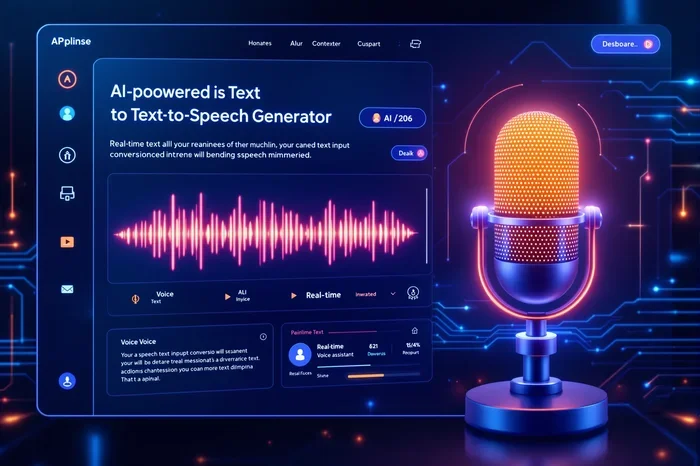
These tools typically provide a wide range of waveform options, frequency controls, and output settings. Many also include visualization features that show the waveform in real time. This makes them excellent for both beginners and professionals.
Hardware Devices
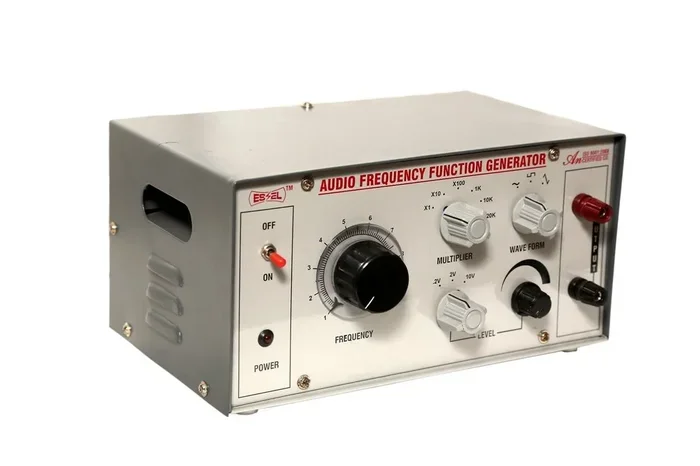
Hardware sound wave generators are physical devices that produce audio signals. They are commonly used in professional studios, laboratories, and industrial settings. These devices tend to offer higher quality output and more reliable performance than software alternatives.
However, hardware generators come with a higher price tag and less portability. If you need a dedicated tool for professional acoustic testing, a hardware generator may be worth the investment.
Mobile Apps
Mobile apps bring sound wave generation to your smartphone or tablet. They are convenient, portable, and often free or low-cost. Many apps offer basic functionality that is perfect for casual use, tuning instruments, or exploring sound on the go.
The trade-off is that mobile apps usually have fewer features than desktop software. They work well for simple tasks but may not satisfy advanced users who need precise control over every parameter.
Just as choosing the right how long a generator can run depends on your power needs, selecting the right type of sound wave generator depends on what you plan to do with it.
Top Features to Look For
Not every sound wave generator offers the same capabilities. When shopping for the right tool, pay attention to these essential features that make a real difference in your experience.
Frequency Range
The frequency range tells you what tones the generator can produce. Most human hearing spans from 20 Hz to 20,000 Hz. A good sound wave generator should cover this full range. Some specialized tools go beyond these limits, producing infrasound or ultrasound for scientific purposes.
If you plan to use the tool for music, a standard range is fine. For scientific or medical applications, look for extended range capabilities.
Waveform Selection
More waveform options give you greater creative freedom. The basics include sine, square, sawtooth, and triangle waves. Premium tools also offer noise generators, custom waveforms, and wavetable synthesis options.
For most users, having at least the four basic waveforms is sufficient. Advanced users may want tools that support complex waveform creation and editing.
Output Controls
Look for generators that give you control over volume, balance, and output routing. Some tools allow you to send the signal to specific audio channels or export it as a file for later use.
These controls matter especially if you are using the generator for recording or testing purposes. Clean, adjustable output ensures accurate results every time.
Visualization and Display
A visual display of the waveform helps you understand what you are creating. Look for tools that show real-time frequency response, amplitude graphs, and phase information. These visual aids make it much easier to fine-tune your sound.
Presets and Templates
Presets save you time by providing pre-configured settings for common tasks. Whether you need a standard tuning tone, a test frequency, or a specific musical note, presets let you jump right in without manual adjustments.
Good presets indicate that the developers have thought about real-world use cases. They also help beginners get started quickly without needing deep technical knowledge.
Best Uses for Sound Wave Generators
The applications for sound wave generators are surprisingly diverse. Let us look at the most common and impactful ways people use these tools in their daily work and creative projects.
Music Production and Sound Design
Musicians and producers rely on sound wave generators to create unique sounds and textures. Synthesizers are essentially sophisticated sound wave generators that form the backbone of electronic music. Even in traditional music production, tone generators help with tuning, calibration, and creating reference tones.
Sound designers use these tools to craft effects for movies, video games, and interactive media. The ability to generate precise frequencies and shapes gives creators unprecedented control over their sonic palette.
Audio Equipment Testing
Engineers and technicians use sound wave generators to test speakers, microphones, amplifiers, and other audio gear. By sending a known frequency through a system, they can measure how the equipment responds. This helps identify problems, optimize performance, and ensure quality control.
Sine sweeps are particularly popular for this purpose. The generator produces a tone that slowly sweeps from low to high frequency, revealing how the equipment handles different pitches.
Sound Therapy and Wellness
Sound therapy has gained significant traction in recent years. Practitioners use specific frequencies to promote relaxation, reduce stress, and support healing. Binaural beats, which involve playing slightly different frequencies in each ear, are a popular technique that relies on sound wave generators.
While research is ongoing, many people report positive effects from regular sound therapy sessions. The accessibility of sound wave generator tools has made it easy for anyone to explore these practices at home.
Education and Demonstration
Teachers and educators use sound wave generators to demonstrate acoustic principles in the classroom. Students can see and hear how frequency affects pitch, how amplitude affects volume, and how different waveforms create distinct tones.
These hands-on demonstrations make abstract physics concepts tangible and memorable. They are especially effective for engaging visual and auditory learners alike.
For broader applications involving power and equipment, you might also want to explore how to power your house with a generator, which covers practical power solutions that complement audio and technical setups.
How to Choose the Right Sound Wave Generator
With so many options available, picking the right sound wave generator can feel overwhelming. Here is a practical framework to help you make a confident choice.
Define Your Primary Use Case
Start by asking yourself what you need the tool for. Are you producing music? Testing audio equipment? Exploring sound therapy? Teaching acoustics? Your primary use case determines which features matter most.
A musician needs different capabilities than a scientist. A casual user has different priorities than a professional engineer. Being clear about your needs narrows down the options quickly.
Set a Budget
Sound wave generators range from completely free to several hundred dollars. Free tools often provide excellent functionality for basic tasks. Paid tools typically offer more advanced features, better audio quality, and dedicated support.
Consider what you are willing to invest. Many paid tools offer free trials or basic free versions, so you can test them before committing. This approach lets you find the right balance between cost and capability.
Check Compatibility
Make sure the generator works with your operating system and audio setup. Some tools are Windows-only, while others support Mac, Linux, or run entirely in a web browser. Check the system requirements before downloading anything.
Also consider whether the tool integrates with your existing audio workflow. If you use a digital audio workstation, look for generators that offer plugin formats like VST or AU.
Read User Reviews
User reviews provide real-world insights that specifications alone cannot. Look for feedback about ease of use, audio quality, stability, and customer support. Pay attention to reviews from users with similar needs to yours.
Be cautious of reviews that seem overly promotional or generic. Focus on detailed reviews that discuss specific features and experiences. These give you the most useful information for making your decision.
Consider the Learning Curve
Some sound wave generators are designed for experts and come with steep learning curves. Others prioritize simplicity and ease of use. Your comfort level with audio technology should guide your choice.
If you are new to audio tools, start with a simple, well-reviewed option. You can always upgrade to a more advanced tool as your skills and needs grow. There is no shame in beginning with a basic generator and building from there.
Much like understanding how much gas a generator uses helps you plan for longer sessions, understanding the operational costs and resource requirements of a sound wave generator helps you use it effectively.
Common Mistakes to Avoid
Even experienced users make mistakes when working with sound wave generators. Being aware of these pitfalls helps you avoid frustration and get better results faster.
- Ignoring hearing protection: Always use ear protection when testing high-frequency or high-amplitude tones. Prolonged exposure to loud sounds can cause permanent hearing damage.
- Using the wrong sample rate: Make sure your generator and audio interface are set to compatible sample rates. Mismatched settings cause distortion and artifacts.
- Overlooking room acoustics: The environment where you use the generator affects the results. Hard surfaces create reflections that alter the sound. Use acoustic treatment for accurate testing.
- Skipping calibration: Always calibrate your equipment before critical listening or testing sessions. Small errors in calibration compound over time and lead to inaccurate results.
- Choosing features you do not need: Do not pay for advanced features you will never use. Focus on tools that match your actual needs and budget.
Conclusion
A sound wave generator is a remarkably useful tool that opens up a world of creative and practical possibilities. From music production to scientific research, from wellness practices to education, these generators put precise audio control in your hands. The wide variety of options means there is a perfect tool for every need and budget.
By understanding how they work, what features to look for, and how to avoid common mistakes, you are well-equipped to make the most of these powerful tools. Start with a clear purpose, choose a generator that fits your needs, and experiment freely. The more you use a sound wave generator, the more you will discover about the fascinating world of sound.
Remember that the best tool is the one that helps you achieve your goals. Whether you are a beginner exploring sound for the first time or a professional pushing the boundaries of audio technology, there is a sound wave generator out there that is perfect for you. Start your journey today and let your creativity flow.
For those curious about larger-scale power solutions, you may also want to check out how much a generator costs for a 2 to understand equipment pricing across different generator categories.
Frequently Asked Questions
What exactly does a sound wave generator do?
A sound wave generator creates audio signals at specific frequencies and waveform shapes. It produces tones that you can hear through speakers or headphones. You control the pitch, volume, and character of the sound using simple controls. These tools are used for music, testing, therapy, and education.
Are sound wave generators free to use?
Many sound wave generators are completely free, especially online tools and basic software apps. Free options work great for casual use, learning, and simple tasks. Paid versions offer more advanced features, better audio quality, and professional-grade capabilities. You can start with a free tool and upgrade later if needed.
Can a sound wave generator damage your hearing?
Yes, prolonged exposure to loud tones from any generator can harm your hearing. Always use ear protection when working with high volumes or high frequencies. Keep the volume at a comfortable level and take regular breaks. Your hearing is precious, so protect it whenever you are working with audio equipment.
Do I need technical skills to use a sound wave generator?
No, most modern sound wave generators are designed to be user-friendly. Many tools require no technical background at all. You simply choose a waveform, set a frequency, and adjust the volume. More advanced features do require some audio knowledge, but beginners can start simple and learn over time.
What is the difference between a sound wave generator and a synthesizer?
A sound wave generator produces basic audio tones at set frequencies. A synthesizer is a more complex tool that combines multiple generators, filters, and effects to create rich, evolving sounds. Generators are simpler and more focused, while synthesizers offer deeper creative possibilities for music production.
How do I know which frequency to use for my project?
The right frequency depends on your specific goal. For music tuning, 440 Hz is the standard reference. For sound therapy, practitioners often use frequencies between 100 Hz and 1000 Hz. For audio testing, a sweep across the full hearing range works best. Research your specific application to find the recommended frequency range.