How Big of a Generator Do I Need for My Camper Setup
So, how big of a generator do I need for my camper? The answer hinges on your power needs, not the vehicle size. You must add up the wattage of all appliances you plan to run simultaneously, including startup surges. This guide walks you through calculating your camper power requirements, comparing inverter vs conventional generators, and choosing the best portable generator for camper setups.
So, how big of a generator do I need for my camper? That is the first question every RV owner asks before heading out. The right generator size for your camper is not about the vehicle’s length. It is about the watts your appliances need. You might have a cozy travel trailer or a spacious Class A motorhome. Either way, you need enough power to run your fridge, lights, and maybe an AC unit. A too-small generator will trip breakers. A too-big one wastes fuel and money. This camper generator guide helps you find the perfect match.
You do not need an engineering degree to figure this out. I will walk you through simple steps to calculate your wattage needs. You will learn the difference between running watts and starting watts. I will also compare inverter generators with conventional models. By the end, you will know exactly which portable generator for camper to buy.
Key Takeaways
- Calculate Total Wattage First: Add up the running and starting watts of every appliance you will use at the same time.
- Inverter Generators Are Best for Campers: They provide clean, quiet power and are fuel-efficient.
- Always Account for Startup Surge: Appliances like air conditioners and microwaves need extra watts to start.
- 2000–3000 Watts Covers Most Basic Campers: This range handles lights, fridge, and a small TV easily.
- Larger RVs Need 4000–7000 Watts: If you have two AC units or a big microwave, you need more power.
- Match Fuel Type to Your Trip Length: Propane and diesel offer longer runtime for off-grid camping.
- Portability Matters: A lightweight, wheeled generator is easier to move around a campsite.
📑 Table of Contents
Understanding Your Camper’s Power Needs
Before you shop for a generator, you must understand what your camper uses. Every appliance has a wattage rating. Add them up, and you get your baseline camper power requirements. This step is the foundation of choosing the right RV generator size.
What Appliances Run on Your Camper
Most campers run a few essential devices. Think about what you use every day:
- Refrigerator (12V or 110V) – uses 60–180 watts
- Lights (LED) – 5–20 watts per bulb
- Microwave – 700–1200 watts
- Air Conditioner – 1000–2000 watts to run, 2000–3500 watts to start
- TV – 50–150 watts
- Coffee maker – 800–1200 watts
- Phone/laptop charging – 30–100 watts
Write these down. You will need the total wattage needs for your specific setup.
How to Calculate Total Wattage
Follow these simple steps:
- List every appliance you will run at the same time.
- Find the running wattage on the label or manual.
- Add the starting wattage for the biggest appliance (usually the AC).
- Sum all running watts plus the starting surge.
This total tells you the minimum generator capacity you need. Always add a 20% buffer for safety.
Quick Tips for Measuring Power
- Use a power meter like a Kill-A-Watt to get real-time readings.
- Check your camper’s label near the electrical panel for max amp draw.
- Do not forget converters that turn 12V to 110V; they draw power too.
Generator Size Guide for Different Camper Types
The size of your camper changes your power demands. A small pop-up needs far less than a large fifth wheel. Here is how to match the RV generator size to your rig.
Travel Trailers and Pop-Ups
These lightweight campers usually need 1000–2000 watts. You run the fridge, lights, and charge devices. A small inverter generator of 2000 watts is often perfect. It is quiet and easy to store.
Class C and Class A Motorhomes
Class C rigs often have one AC unit and more appliances. A 3000–4000 watt generator handles them well. Class A motorhomes with two AC units need 5000–7000 watts. These larger rigs require a heavy-duty portable generator for camper use.
Fifth Wheel Campers
Fifth wheels sit heavy and may have multiple slide-outs with rooftop AC. A 4000–6000 watt generator is a common sweet spot. Always check the dry camping power needs if you boondock often.
Expert Insights: What RV Technicians Say
Many RV technicians recommend sizing for the AC unit first. The air conditioner is the biggest power hog. Once you cover the AC, add the fridge and a few other loads. This approach prevents under-sizing. A good rule of thumb from experienced techs: buy a generator that gives you 25–30% more capacity than your calculated total. This headroom keeps the generator from running at full blast all the time, which extends its life.
Inverter vs Conventional Generators for Campers
Not all generators are the same. The two main types are inverter and conventional. Your choice affects noise, power quality, and fuel use.
Why Inverter Generators Are a Game Changer
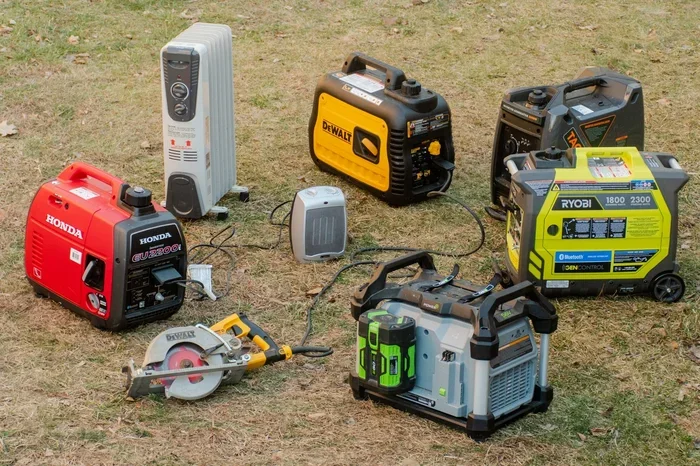
An inverter generator produces clean, stable power. It adjusts engine speed to match the load. This means better fuel efficiency and less noise. They are ideal for quiet generator for camping situations. You can run sensitive electronics like laptops without worry.
Noise Levels and Neighbor-Friendly Camping
Conventional generators run at full speed all the time. They can be very loud, often 70–80 decibels. Inverter models stay around 50–60 decibels. That is the level of a normal conversation. If you camp in crowded RV parks, a quiet unit keeps you in good standing with neighbors.
Common Mistakes: Choosing the Wrong Type
- Buying a cheap conventional generator just because it is cheaper. It may damage your camper electronics.
- Ignoring total harmonic distortion (THD). Keep THD under 3% for safe power.
- Overlooking parallel capability. Some inverter generators can be linked for more power without buying a huge new unit.
How Big of a Generator Do I Need for My Camper? The Numbers
This is the core of your decision. The generator size you need depends on the appliances you run. Here is a clear breakdown of wattage ranges and what they can handle.
1000–2000 Watt Generators: Minimal Power
These small units are great for minimal setups. They can run LED lights, a 12V fridge, and charge phones. They cannot handle a microwave or AC unit. If you only do campground hookups and use the generator as a backup, this size works.
2000–3000 Watt Generators: The Sweet Spot
This range covers most basic to mid-size campers. You can run the fridge, lights, TV, and a small microwave. Some 2000W units can handle a 13,500 BTU AC unit with a soft start. For many travel trailer owners, this is the ideal RV generator size.
4000–7000 Watt Generators: Powering Multiple AC Units
Larger rigs with two roof AC units need serious power. A 5000–7000 watt generator can run both ACs, the fridge, and microwave at the same time. These are often portable or frame generators. They are heavier but provide the dry camping power you need for off-grid adventures.
Comparison Table: Generator Sizes and What They Can Run
| Generator Size (Watts) | Running Watts | Starting Surge | Best For | Can Run Simultaneously |
|---|---|---|---|---|
| 1000–2000W | 1000–2000 | 2000–3000 | Pop-ups, minimal setups | Lights, fridge, phone charging |
| 2000–3000W | 2000–3000 | 3000–4000 | Travel trailers, Class C | Fridge, AC (13.5K BTU), TV, microwave |
| 4000–5000W | 4000–5000 | 5000–6000 | Class C, fifth wheels with one AC | Two ACs (13.5K), fridge, microwave |
| 6000–7000W | 6000–7000 | 8000–9000 | Class A, two AC units | Two ACs (15K), washer, multiple tools |
Common Mistakes When Sizing a Generator
- Ignoring startup surge – The AC compressor needs a big boost to start. If you only count running watts, you will overload the generator.
- Forgetting about runtime – A bigger generator may use more fuel per hour. Check how long it runs on a tank at 50% load.
- Buying too much power – An oversized generator wastes fuel and costs more upfront. Match it to your actual needs.
Fuel Type, Runtime, and Portability
Wattage is not the only factor. You also need to consider what fuel the generator uses and how long it runs.
Gasoline vs Propane vs Diesel
Gasoline is the most common. It is easy to find at any gas station. However, it has a shorter shelf life. Propane burns cleaner and stores indefinitely. Many campers love dual-fuel units that can switch between propane and gas. Diesel is the most fuel-efficient and durable. It is ideal for large Class A motorhomes but harder to find in remote areas.
How Long Will a Generator Run on a Tank?
Generator runtime varies by load. A 2000W inverter generator might run 8–10 hours on a 1-gallon tank at 25% load. A 5000W unit may only run 4–6 hours at half load. If you plan long dry camping trips, look for a large fuel tank or an external fuel connection. Some models can run on a propane tank, which extends runtime significantly.
Quick Tips for Extending Runtime
- Turn off the generator when you are not using power.
- Use LED lights instead of incandescent bulbs.
- Keep the air filter clean for better fuel efficiency.
- Use a fuel stabilizer if you store the generator for weeks.
Final Verdict: Picking the Perfect Generator
Choosing the right size comes down to your specific camper power requirements. There is no one-size-fits-all answer. A small pop-up camper thrives on a 2000W inverter generator. A large Class A with two AC units needs a 7000W+ unit. The key is to calculate your total watts, add a buffer, and pick a generator that meets those needs without being oversized.
Summary Table: Recommended Sizes by Camper Type
| Camper Type | Recommended Generator Size | Generator Type | Best Use Case |
|---|---|---|---|
| Pop-up / Tent Trailer | 1000–2000W | Inverter | Basic lights and fridge |
| Travel Trailer (10–20 ft) | 2000–3000W | Inverter | AC, microwave, TV |
| Class C Motorhome | 3000–5000W | Inverter or Conventional | Two slides, AC, microwave |
| Fifth Wheel (with AC) | 4000–6000W | Conventional or Inverter | Dry camping, multiple appliances |
| Class A Motorhome | 6000–7000W+ | Conventional | Two large ACs, washer, full off-grid |
Final Thoughts and Next Steps
Now you know exactly how big of a generator do I need for my camper. Start by listing your appliances. Calculate the total watts. Choose a generator that covers that number with a 20–30% cushion. If you boondock often, invest in a quiet inverter model with good runtime. If you stay in RV parks with hookups, a smaller backup generator is fine. The right generator size for your camper gives you comfort and freedom on every trip.
Key Takeaways
Remember these core points: always calculate your wattage needs before buying. Inverter generators offer the best balance of quiet operation and clean power. Match the generator to your camper type and camping style. A portable generator for camper should be easy to move and store. Fuel type affects runtime and convenience. Avoid the trap of buying too much or too little power. With the right camper generator guide steps, you will have reliable electricity wherever you camp.
Frequently Asked Questions
Can I run my camper’s AC unit on a 2000 watt generator?
It depends on the AC size. A 13,500 BTU AC needs about 2000–2500 watts to start. A 2000W generator may struggle with the startup surge. A 3000W inverter generator with a soft-start feature is a safer choice for most 13.5K BTU units.
What is the difference between running watts and starting watts?
Running watts are the continuous power needed to keep an appliance running. Starting watts are the extra power needed for a few seconds when the appliance turns on. Motors in AC units and fridges need this extra boost. Always add the starting wattage of the biggest appliance to your total.
Is a solar generator enough for a camper?
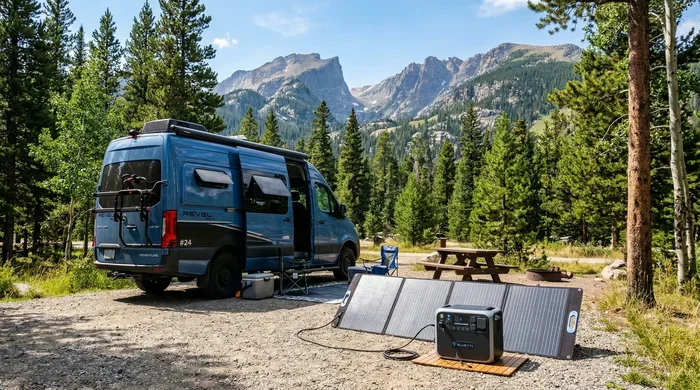
Solar generators work well for light use like charging phones and running LED lights. They are silent and eco-friendly. However, they may not provide enough power for running an AC unit or microwave for long periods. You may need a large battery bank or a backup conventional generator for heavy loads.
How loud is a quiet generator for camping?
Inverter generators typically produce 50–60 decibels at a distance of 25 feet. That is similar to a normal conversation. Conventional generators can be 70–80 decibels, which is as loud as a vacuum cleaner. Always check the decibel rating before buying if noise is a concern.
What fuel is best for a camper generator?
Gasoline is the most accessible and easy to use. Propane burns cleaner and stores well for long periods. Diesel is the most fuel-efficient and lasts longer under heavy loads. Many campers choose dual-fuel units that can run on either gasoline or propane for flexibility.
Do I need a generator if my camper has a 30-amp hookup?
If you always camp with full hookups, you might not need a generator. But if you enjoy dry camping or boondocking, a generator gives you independence. Even with hookups, a small backup generator is smart for power outages at crowded campgrounds. It ensures your fridge and lights keep running no matter what.

One Comment