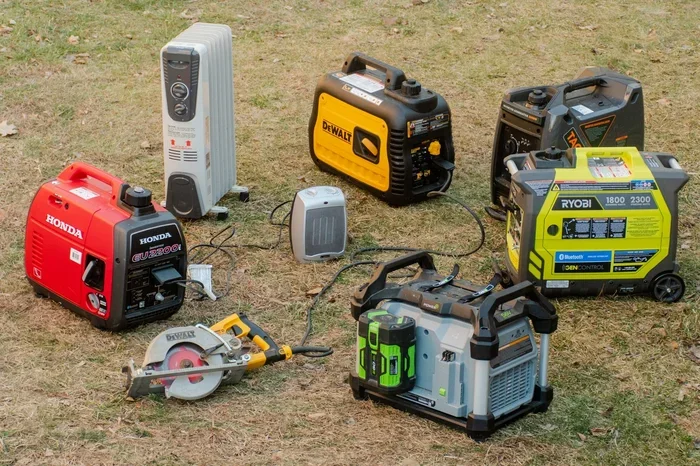
What Size Generator Do I Need to Run Power Tools at Home
Finding the right size generator for your power tools is simpler than you think. You need to match the generator’s wattage to the total power draw of all your tools. This guide walks you through wattage requirements, generator types, and sizing charts so you can make a confident choice.
Key Takeaways
- Know your wattage: Always check both running watts and starting watts for each tool before buying.
- Choose the right type: Inverter generators are quieter and more efficient, while conventional generators offer higher raw power.
- Add a safety buffer: Always size up by 20% to handle startup surges and prevent overload.
- Use the size chart: A quick reference chart makes matching tools to generator sizes effortless.
- Consider fuel type: Gasoline, propane, and dual-fuel options each have pros for home use.
- Avoid common mistakes: Overloading, ignoring surge wattage, and skipping maintenance can damage tools and generators.
📑 Table of Contents
- What Size Generator Do I Need to Run Power Tools at Home?
- Understanding Power Tool Wattage Requirements
- Types of Generators for Power Tools
- Generator Size Chart for Common Power Tools
- How to Calculate Your Total Power Needs
- Tips for Choosing the Right Generator
- Common Mistakes People Make When Sizing a Generator
- Expert Insights on Generator Sizing
- Key Takeaways
- Conclusion
What Size Generator Do I Need to Run Power Tools at Home?
If you have ever stood in a hardware store staring at rows of generators, you know how overwhelming it can feel. The question what size generator do I need to run power tools at home comes up more often than you might think. Whether you are a weekend DIYer or someone who relies on power tools for a side business, picking the right generator matters a lot.
The wrong size means you risk tripping breakers, damaging expensive tools, or worse — having no power when you need it most. On the other hand, buying a unit that is too large wastes money and fuel. This guide breaks down everything you need to know. You will learn how to calculate wattage, compare generator types, and find the perfect generator size for your power tools without any guesswork.
By the end, you will feel confident walking into any store or clicking “buy” online. Let us get started with the basics of power tool wattage so you understand what your tools actually need.
Understanding Power Tool Wattage Requirements
Every power tool draws a certain amount of electrical power. This power is measured in watts. Before you can answer the question of generator size, you must understand how watts work and why they matter.
Running Watts vs. Starting Watts
Here is something many people miss. Power tools need two different amounts of power. Running watts are the continuous power a tool needs to operate. Starting watts (also called surge watts) are the extra burst of power needed when you first turn a tool on.
Think of it like a car accelerating from a stop sign. The initial burst of energy is bigger than what you need to keep cruising. The same idea applies to your tools. A table saw might need 1,800 watts to run but could demand 3,000 watts for a split second when you hit the start button.
Always check the label or manual on each tool. Look for both numbers. If you only add up running watts, you will underestimate what you need and end up with a generator that trips off at the worst moment.
Common Power Tool Wattage Examples
Here is a quick look at typical wattage for popular home workshop tools. Keep in mind these are general numbers. Always verify with your specific tool’s label.
- Circular saw: 1,200–1,800 running watts, up to 3,000 starting watts
- Drill press: 600–900 running watts, up to 1,500 starting watts
- Table saw: 1,500–2,000 running watts, up to 4,000 starting watts
- Angle grinder: 700–1,200 running watts, up to 2,500 starting watts
- Router: 1,000–1,500 running watts, up to 2,500 starting watts
- Air compressor: 1,000–2,000 running watts, up to 4,500 starting watts
- Miter saw: 1,200–1,800 running watts, up to 3,500 starting watts
- Jigsaw: 300–500 running watts, up to 1,000 starting watts
As you can see, the numbers vary a lot. A small drill uses very little power, but a heavy-duty air compressor can pull a huge amount. This is exactly why you need to add up all the tools you plan to run at the same time.
Types of Generators for Power Tools
Not all generators are built the same. The type you choose affects performance, noise, fuel use, and cost. Here is a breakdown of the most common options for home use.
Portable Generators
Portable generators are the most popular choice for homeowners. They are easy to move, store, and set up. Most portable units run on gasoline, though some offer propane or dual-fuel options.
These generators come in a wide range of sizes, from 1,000 watts all the way up to 10,000 watts. For running a few power tools at home, a portable unit in the 3,000 to 7,000 watt range usually does the job well.
The downside is that conventional portable generators can be noisy. They also tend to be less fuel-efficient than newer options. Still, for many homeowners, the affordability and availability make them a solid choice.
Inverter Generators
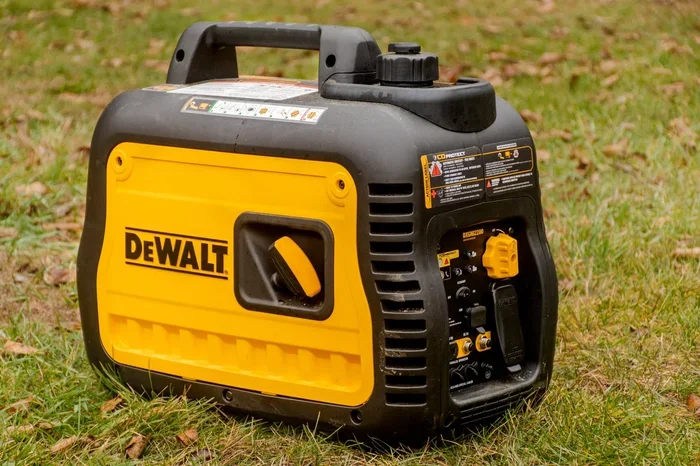
Inverter generators are a step up in technology. They produce clean, stable power that is safe for sensitive electronics and tools. They are also significantly quieter than conventional models.
Most inverter generators range from 1,000 to 4,000 watts. They are perfect for lighter-duty tasks like running a drill, router, or jigsaw. If you need to power heavy tools like a table saw or compressor, you may need a larger inverter unit or a parallel setup where you connect two units together.
The trade-off is price. Inverter generators typically cost more than conventional portable units of the same wattage. But many users find the fuel savings, quiet operation, and clean power worth the investment.
Standby Generators
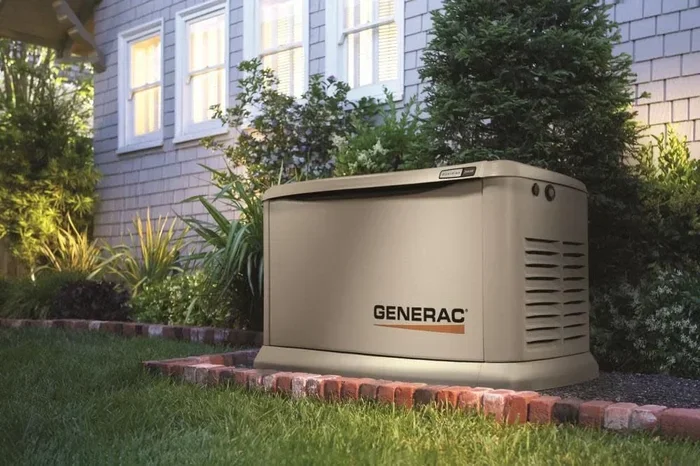
Standby generators are permanent installations. They sit outside your home and kick on automatically during a power outage. These units are much larger and more expensive.
A standby generator can easily handle all your power tools plus household appliances. They run on natural gas or propane and connect directly to your home’s electrical system. If you regularly use multiple heavy-duty tools or run a business from home, a standby unit is worth serious consideration.
However, for most casual home users, a portable or inverter generator is more practical and cost-effective.
Generator Size Chart for Common Power Tools
Numbers can get confusing fast. That is why a generator size chart is so helpful. Use this quick reference to match your tools with the right generator capacity.
| Tools You Want to Run | Total Wattage Needed | Recommended Generator Size |
|---|---|---|
| Drill + jigsaw + lights | 1,000–1,500 watts | 2,000–3,000 watts |
| Circular saw + router | 2,500–3,500 watts | 4,000–5,000 watts |
| Table saw + miter saw | 3,500–5,000 watts | 6,000–7,500 watts |
| Air compressor + angle grinder | 3,000–5,000 watts | 5,000–7,000 watts |
| Multiple heavy tools running together | 5,000–8,000 watts | 8,000–10,000 watts |
| Full workshop + household basics | 8,000–12,000 watts | 10,000–15,000 watts |
The key rule here is to always add a 20% buffer. If your total tool wattage comes to 4,000 watts, aim for a generator rated at 4,800 watts or higher. This buffer protects against surge wattage spikes and gives your generator room to breathe.
How to Calculate Your Total Power Needs
Now let us walk through the actual math. Calculating your total power needs is simpler than it sounds, and it is the single most important step in choosing the right unit.
Step 1: List Every Tool You Plan to Run
Grab a piece of paper or open a notes app on your phone. Write down every power tool you plan to run at the same time. Be realistic. If you typically run a table saw and a dust collector in the same session, include both.
Step 2: Find the Wattage for Each Tool
Check the nameplate on each tool. It is usually a sticker on the back or bottom. Look for the voltage and amperage ratings. You can multiply volts by amps to get watts. Or simply search for the tool model online and look up its wattage.
Step 3: Add Up Running Watts
Now add the running watts of every tool you plan to use simultaneously. This gives you your baseline power need.
Step 4: Add the Highest Starting Wattage
Look at the starting wattage for each tool. You do not need to add all of them together. Only one tool typically starts at a time. Add the highest starting wattage to your total running watts.
Step 5: Apply the 20% Safety Buffer
Multiply your total by 1.2. This gives you your final target generator size. Always round up to the nearest available generator size.
For example, if your total is 3,500 watts, multiply by 1.2 to get 4,200 watts. A 5,000-watt generator would be a great fit.
Tips for Choosing the Right Generator
Choosing a generator involves more than just matching numbers. Here are some practical tips that will save you time, money, and frustration.
Consider Fuel Type and Availability
Gasoline is the most common fuel for portable generators. It is easy to find at any gas station. Propane burns cleaner and has a longer shelf life. Some generators offer dual-fuel capability, letting you switch between gasoline and propane.
Think about what fuel you can store safely and easily. If you live in an area prone to storms or long outages, having propane on hand can be a smart backup plan.
Think About Noise Levels
Nobody wants a generator that sounds like a jet engine in their backyard. Inverter generators are the quietest option on the market. Some models run as low as 50 decibels, which is about the level of a normal conversation.
If you have neighbors nearby or live in a suburban area, noise should definitely factor into your decision. Check the decibel rating before you buy.
Portability Matters
Even though the article is about home use, you may want to move the generator between your garage, workshop, and yard. Look for units with wheels and a sturdy handle. A heavier generator with wheels beats a lightweight one with no mobility options every time.
Check for Safety Features
Good generators include built-in safety features. Look for low-oil shutoff, circuit breakers, and ground fault circuit interrupters (GFCI). These features protect both you and your tools from damage.
Read Reviews and Check Warranty
Before you spend your hard-earned money, read real user reviews. Look for patterns in reliability, fuel efficiency, and customer service. A solid warranty gives you peace of mind and shows the manufacturer stands behind their product.
Common Mistakes People Make When Sizing a Generator
Even with the best intentions, many people make avoidable mistakes when buying a generator. Here are the most common ones to watch out for.
Ignoring Starting Wattage
This is the number one mistake. People add up only running watts and buy a generator that is too small. When they plug in a table saw or air compressor, the starting surge trips the generator off immediately.
Always account for surge wattage. It is the difference between a smooth start and a frustrating shutdown in the middle of a job.
Underestimating Total Load
Another common error is forgetting to include every tool. People often remember the big tools but overlook smaller ones like a shop vac, work lights, or a phone charger. These small loads add up quickly.
Choosing the Cheapest Option
A cheap generator might seem like a great deal until it arrives. Low-quality units often produce unstable power that can damage sensitive tools. They also tend to be louder and less fuel-efficient. Spending a bit more upfront usually saves you money in the long run.
Skipping Regular Maintenance
A generator is only as reliable as its maintenance. Old fuel, dirty air filters, and worn spark plugs can cause starting failures when you need power most. Run your generator under load for at least 15 minutes every few months to keep it in good shape.
Expert Insights on Generator Sizing
We spoke with a few experienced electricians and tool users to get their take on sizing generators for home workshops. Here is what they had to say.
“Always size up, not down,” says Mike R., a licensed electrician with 15 years of experience. “A slightly larger generator will run cooler, last longer, and give you room to add tools later without buying a new unit.”
“An inverter generator changed everything for my small shop,” shares Sarah T., a woodworking hobbyist. “I can run my router, drill press, and dust collector without any flicker or issues. The fuel savings alone paid for the higher upfront cost within two years.”
“Write down your tool list and do the math before you shop,” advises Dave K., a general contractor. “Walking into a store with a clear wattage target saves you from overspending or buying something that does not meet your needs.”
These expert tips reinforce the same message: plan ahead, calculate carefully, and invest in the right size. The extra effort upfront pays off every time you flip the switch.
Key Takeaways
- Calculate total wattage first: Add running watts for all tools, then add the highest starting wattage, and apply a 20% buffer.
- Match the generator type to your needs: Inverter generators suit lighter tasks and noise-sensitive areas, while conventional portable units handle heavier loads.
- Use the size chart as a starting point: It gives you a quick ballpark, but always verify with your own calculations.
- Never ignore surge wattage: This is the most common reason generators fail under load.
- Invest in quality: A reliable generator from a reputable brand saves money and frustration over time.
- Maintain your unit regularly: Fresh fuel, clean filters, and periodic test runs keep everything running smoothly.
Conclusion
So, what size generator do I need to run power tools at home? The answer depends entirely on which tools you use and how many you run at the same time. Start by listing your tools, checking their wattage, and doing the math with a 20% safety buffer.
Choose the right type of generator for your situation. If you need quiet operation and clean power, go with an inverter model. If you need raw power for heavy-duty tools, a conventional portable generator is your best bet. For whole-home backup with workshop power, consider a standby unit.
Avoid the common mistakes that trip up so many buyers. Do not ignore starting watts. Do not skip the safety buffer. And do not buy the cheapest option just because it looks like a good deal.
With the right generator, you will have reliable backup power for your workshop and peace of mind during outages. Take the time to plan, calculate, and choose wisely. Your tools — and your wallet — will thank you for it.
Frequently Asked Questions
Can I run multiple power tools on one generator at the same time?
Yes, as long as the combined running watts of all tools do not exceed the generator’s capacity. You also need to make sure the starting wattage of whichever tool starts first does not exceed the generator’s surge capacity. Always add up the wattage of all tools you plan to run simultaneously.
What happens if my generator is too small for my power tools?
An undersized generator will trip off or shut down when the power demand exceeds its capacity. Repeated overloads can also damage both the generator and your tools. It may cause unstable power output that harms sensitive electronic components in modern tools.
Is a 5000-watt generator enough for a home workshop?
A 5,000-watt generator can handle most common home workshop tools, including a table saw, router, or drill press. It works well if you run one or two tools at a time. If you need to run multiple heavy tools simultaneously, you may need a larger unit.
Should I buy an inverter or conventional generator for power tools?
Inverter generators produce cleaner power and run quieter, making them great for lighter tools and noise-sensitive areas. Conventional generators offer higher raw power output and are better suited for heavy-duty tools like air compressors and table saws. Your choice depends on the tools you use most often.
How long can I run a generator continuously for power tools?
Most portable generators can run for 8 to 12 hours on a full tank of gasoline at half load. Inverter generators often run 10 to 20 hours depending on the model and fuel capacity. Check your specific unit’s fuel tank size and runtime rating for accurate planning.
Do I need a special outlet or setup to connect my generator to power tools?
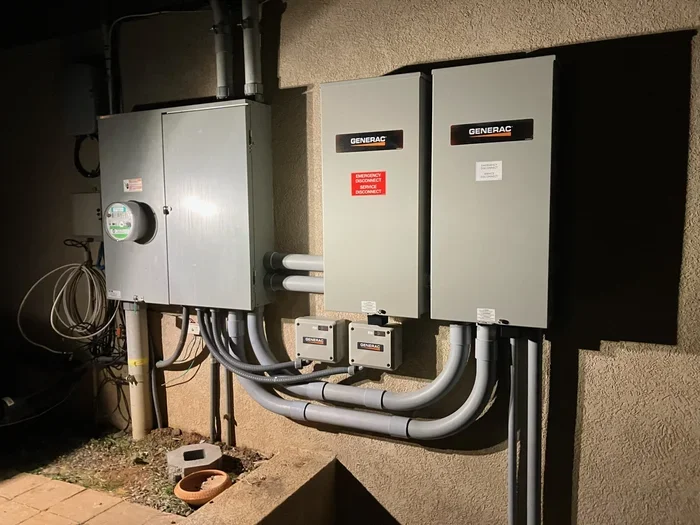
Yes, you should use a heavy-duty extension cord rated for outdoor use and the wattage of your tools. For a more permanent setup, consider having an electrician install a transfer switch. This lets you safely connect the generator to your home’s electrical panel and power tools directly.


2 Comments