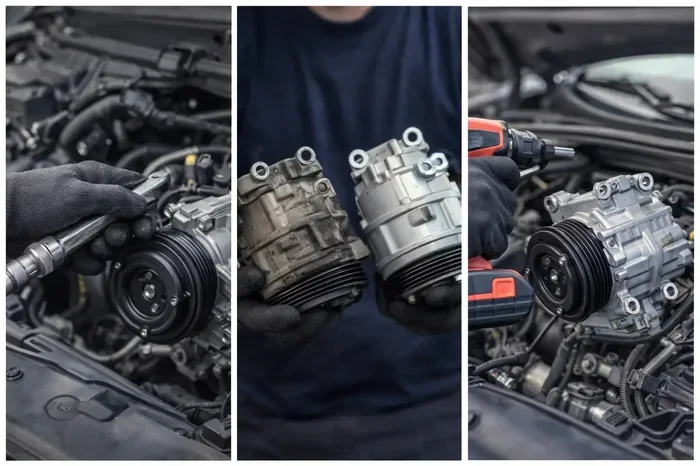
Common AC Compressor Failure Symptoms You Should Know
ac compressor failure symptoms is an essential topic that provides valuable insights.
There is nothing worse than a broken air conditioner on a hot summer day. Your home turns into a sauna, and you start scrambling for answers. The ac compressor is the part that makes the whole cooling process work. Without it, your air conditioning compressor cannot move refrigerant through the system. That means no cool air and a very uncomfortable home.
Understanding ac compressor failure symptoms helps you act fast. The sooner you catch a problem, the less it costs to fix. Most compressor issues do not happen overnight. They show warning signs over days or even weeks. In this article, we break down every symptom you should watch for. We also cover common causes, when to call a professional, and how to prevent future problems.
Key Takeaways
- Warm air from vents: One of the clearest signs your compressor is struggling to cool your home.
- Strange noises like clicking or grinding: These often point to mechanical failure inside the unit.
- Frequent breaker tripping: A failing compressor draws too much power and overloads your circuit.
- Refrigerant leaks: Low refrigerant levels force the compressor to work harder and eventually fail.
- Short cycling: Your ac unit turning on and off too often is a red flag for compressor stress.
- Hard starting: If your system struggles to turn on, the compressor may be wearing out.
- Early detection saves money: Spotting symptoms early can prevent a full system breakdown and expensive repairs.
📑 Table of Contents
What Does an AC Compressor Do?
Before we dive into symptoms, it helps to understand the role of your compressor. The ac compressor is sometimes called the “heart” of your cooling system. It pressurizes and moves refrigerant through the coils. This process is what makes your home feel cool and comfortable.
Here is a simple way to think about it. Your compressor works like a pump. It takes warm gas from inside your home and turns it into high-pressure gas. This gas then releases heat outside. After that, it returns as cool liquid to absorb more heat from your rooms. This cycle repeats over and over to keep your space comfortable.
When the compressor starts to fail, this cycle breaks down. Your hvac compressor cannot do its job properly. That is when you start to notice problems. Let us look at the most common ac compressor failure symptoms in detail.
Top AC Compressor Failure Symptoms
Symptom 1: Warm Air Coming From Vents
This is the most obvious sign that something is wrong. You set your thermostat to a cool temperature, but the air coming out feels warm or just lukewarm. Your ac unit not cooling properly is a clear signal that the compressor is not doing its job.
There are many reasons warm air might blow from your vents. A refrigerant leak is one of the most common causes. When refrigerant levels drop too low, the compressor cannot produce cool air. Another possibility is that the compressor clutch has failed. This part engages and disengages the compressor. If it stops working, the compressor cannot run at all.
Quick Tip: Before assuming the compressor is bad, check your air filter. A dirty filter can restrict airflow and make your system seem like it is not cooling. Always rule out simple fixes first.
Symptom 2: Strange Noises From the Outdoor Unit
A healthy air conditioning system runs relatively quietly. You might hear a gentle hum, but nothing loud or jarring. If you start hearing ac compressor noise, that is a warning sign you should not ignore.
Here are some common sounds and what they might mean:
- Clicking sounds: These often point to a failing compressor relay or a loose part inside the unit.
- Grinding or squealing: This suggests metal parts are rubbing together. It could mean worn bearings or a damaged compressor clutch.
- Loud banging or knocking: This is serious. It may mean a broken internal component like a piston or connecting rod.
- Hissing or bubbling: These sounds usually indicate a refrigerant leak in the ac system.
Any of these sounds mean you should call a professional right away. Ignoring them can lead to a complete ac system failure.
Symptom 3: Frequent Circuit Breaker Tripping
If your air conditioner keeps tripping the circuit breaker, do not just keep resetting it. This is one of the more serious ac compressor failure symptoms. A failing compressor draws more electrical current than it should. This extra load causes the breaker to trip as a safety measure.
Common reasons for breaker tripping include:
- Compressor short cycling: The unit turns on and off too rapidly, putting stress on the electrical system.
- Overheating compressor: When the compressor gets too hot, it pulls excess power and triggers the breaker.
- Wiring problems: Damaged or loose wires in the compressor can cause electrical shorts.
- Failing compressor relay: This small part controls power to the compressor. When it fails, it can cause electrical surges.
Repeated breaker tripping is dangerous. It can damage your electrical system and even cause a fire. Stop using the unit and call for ac compressor repair immediately.
Symptom 4: Reduced Airflow From Vents
Weak airflow is another sign that your compressor may be struggling. You might notice that some rooms are cooler than others. Or the air feels barely stronger than a gentle breeze. Reduced airflow often means your system is not cycling refrigerant properly.
This problem can stem from several issues:
- A clogged or dirty evaporator coil
- Blocked or damaged ductwork
- A failing compressor that cannot maintain proper pressure
- Low refrigerant levels due to a leak
If you have ruled out dirty filters and blocked vents, the compressor itself may be the culprit. A professional hvac compressor inspection can confirm this.
Symptom 5: Ice Building Up on the AC Unit
This one surprises a lot of homeowners. Ice forming on your outdoor unit or refrigerant lines is a sign of a serious problem. It usually means the evaporator coil is getting too cold. This happens when airflow is restricted or refrigerant levels are low.
When the compressor cannot pump refrigerant correctly, the pressure inside the system drops. This causes moisture on the coils to freeze. Over time, ice buildup can damage the compressor itself. It is a vicious cycle that gets worse the longer you ignore it.
Quick Tip: Turn off your system if you see ice forming. Let it thaw completely before turning it back on. Then call a technician to inspect the unit.
Symptom 6: Compressor Hard Starting or Not Starting at All
Your compressor should start up smoothly when you lower the thermostat. If you notice a long delay before cooling starts, or if the system just hums without starting, that is a problem. AC compressor hard starting is a common early warning sign.
This symptom often points to:
- A failing compressor relay that cannot send power to the unit
- Worn compressor motor windings
- Electrical issues in the ac compressor circuit
- Old age and general wear of the compressor
Hard starting puts extra strain on the compressor motor. Each failed start attempt causes more wear. Eventually, the compressor will stop working entirely.
Common Causes of AC Compressor Failure
Knowing the symptoms is only half the battle. Understanding what causes compressor failure helps you prevent it. Here are the most common reasons ac compressor problems develop.
Refrigerant Leaks
Low refrigerant is one of the biggest enemies of your compressor. When refrigerant levels drop, the compressor has to work much harder to cool your home. Over time, this extra strain causes overheating and eventual failure. Refrigerant leaks can happen from worn connections, corrosion, or physical damage to the lines.
Dirty Coils and Filters
Your system relies on clean coils and filters to operate efficiently. When they get dirty, airflow is restricted. The compressor has to run longer and harder to reach the set temperature. This constant overworking leads to overheating and premature wear. Regular maintenance keeps everything clean and running smoothly.
Electrical Problems
Electrical issues can damage your compressor in several ways. Power surges, faulty wiring, or a failing contactor can all cause problems. Over time, acid builds up inside the compressor from electrical damage. This acid corrodes internal components and leads to complete failure.
Lack of Regular Maintenance
Skipping annual maintenance is one of the top reasons compressors fail early. During a tune-up, a technician checks refrigerant levels, cleans coils, tests electrical connections, and inspects the compressor clutch. Without these checks, small problems grow into big, expensive ones.
AC Compressor Failure Symptoms Compared
Use this comparison table to quickly identify which symptoms you are experiencing and what they might mean.
| Symptom | Possible Cause | Urgency Level |
|---|---|---|
| Warm air from vents | Low refrigerant, failed compressor clutch | High |
| Strange noises (clicking, grinding) | Mechanical failure, loose parts | High |
| Breaker tripping | Overheating, electrical issues | Critical |
| Reduced airflow | Low refrigerant, clogged coils | Medium |
| Ice on unit | Low refrigerant, poor airflow | High |
| Hard starting or not starting | Failed relay, worn motor | High |
| Short cycling | Overheating, thermostat issues | Medium |
How to Prevent AC Compressor Failure
The good news is that many compressor failures are preventable. A little maintenance goes a long way in protecting your air conditioning compressor and extending its lifespan.
Schedule Annual Maintenance
Have a professional inspect your system at least once a year. Most experts recommend scheduling this in early spring before the cooling season begins. During maintenance, the technician will check refrigerant levels, clean the coils, test electrical components, and inspect the compressor clutch.
Keep the Area Around the Outdoor Unit Clean
Your outdoor unit needs good airflow to work properly. Remove leaves, dirt, and debris from around the unit regularly. Keep plants and furniture at least two feet away. This simple step prevents overheating and keeps your compressor running efficiently.
Change Your Filters Regularly
A dirty filter restricts airflow and forces the compressor to work harder. Check your filter every month during heavy use seasons. Replace it when it looks dirty or every 30 to 90 days. This small habit can prevent many ac compressor problems.
Watch for Early Warning Signs
Do not ignore unusual sounds, weak airflow, or warm air from vents. These are your system’s way of telling you something is wrong. Addressing small issues early prevents them from turning into major compressor failure.
When to Call a Professional
Some ac compressor failure symptoms can be fixed with simple DIY steps. But others require the skills of a trained technician. You should call a professional if you notice any of the following:
- The breaker trips repeatedly when the AC runs
- You hear loud banging or grinding from the outdoor unit
- Your system is not cooling at all, even after checking the thermostat and filter
- You see ice forming on the refrigerant lines
- The compressor makes a humming sound but does not start
Trying to repair a compressor yourself can be dangerous. The unit contains high voltage electrical components and pressurized refrigerant. Always leave these repairs to licensed professionals. They have the tools, training, and experience to fix the problem safely.
When you do call for help, ask about ac compressor replacement cost upfront. This way you can make an informed decision about whether to repair or replace the unit.
AC Compressor Repair vs. Replacement
Sometimes the damage is too severe for a simple repair. Here is how to decide between fixing and replacing your unit.
Repair is usually the better choice when:
- The unit is less than 10 years old
- The repair cost is less than half the replacement cost
- The issue is isolated to one component like the compressor relay
Replacement makes more sense when:
- The unit is over 15 years old
- The compressor has failed completely
- Multiple components are failing at once
- The ac compressor replacement cost is competitive with a new energy-efficient unit
Newer units are much more energy efficient than older models. A new air conditioning compressor system can save you money on energy bills over time. Talk to your technician about the best option for your situation and budget.
Quick Tip: Ask your technician about warranty coverage. Many compressors come with a 10-year warranty. This can significantly reduce your out-of-pocket costs if the compressor fails early.
Key Takeaways
- Warm air from vents: One of the clearest signs your compressor is struggling to cool your home.
- Strange noises like clicking or grinding: These often point to mechanical failure inside the unit.
- Frequent breaker tripping: A failing compressor draws too much power and overloads your circuit.
- Refrigerant leaks: Low refrigerant levels force the compressor to work harder and eventually fail.
- Short cycling: Your ac unit turning on and off too often is a red flag for compressor stress.
- Hard starting: If your system struggles to turn on, the compressor may be wearing out.
- Early detection saves money: Spotting symptoms early can prevent a full system breakdown and expensive repairs.
Conclusion
Your ac compressor works hard every day to keep your home cool and comfortable. When it starts to fail, it sends clear warning signs. From warm air and strange noises to breaker tripping and ice buildup, these ac compressor failure symptoms should never be ignored.
The best thing you can do is stay alert and act quickly. Regular maintenance, clean filters, and prompt repairs all help protect your compressor. If you notice any of the symptoms we covered in this article, do not wait. Call a professional for an inspection.
Catching problems early saves you money, stress, and discomfort. Your air conditioning compressor is a major investment. Treat it well, and it will keep you cool for many years to come.
Now that you know what to look for, you are better prepared to handle any issues that come up. Share this guide with friends and family so they too can spot ac compressor failure symptoms before they become expensive problems. Stay cool and stay proactive this summer.
Frequently Asked Questions
What are the first signs of AC compressor failure?
The first signs usually include warm air blowing from vents, strange noises like clicking or grinding from the outdoor unit, and the breaker tripping more often than usual. Reduced airflow and ice buildup on the unit are also early warning signs. If you notice any of these symptoms, it is best to schedule an inspection right away.
Can a bad AC compressor still run?
Yes, in some cases a failing compressor may still run but will not cool properly. You might hear unusual sounds or notice the unit short cycling. However, running a damaged compressor can cause further damage and lead to a complete breakdown. Have a professional check it as soon as possible.
How much does it cost to replace an AC compressor?
The ac compressor replacement cost typically ranges from $1,000 to $3,500 depending on the unit size and model. Labor costs, refrigerant, and any additional repairs can affect the total price. Always get multiple quotes from licensed technicians before making a decision.
What causes an AC compressor to fail?
Common causes include refrigerant leaks, dirty coils and filters, electrical problems, lack of maintenance, and general wear over time. Power surges can also damage the compressor. Regular maintenance helps prevent most of these issues and extends the life of your unit.
Is it better to repair or replace a failed AC compressor?
It depends on the age of the unit and the extent of the damage. If the unit is less than 10 years old and the repair cost is reasonable, fixing it is usually the better option. For older units or widespread damage, replacement may be more cost-effective in the long run. Your technician can help you decide.
How can I prevent AC compressor failure?
Schedule annual maintenance, change your filters regularly, keep the area around the outdoor unit clean, and address unusual symptoms immediately. These simple steps go a long way in preventing ac compressor problems and keeping your system running efficiently for years.