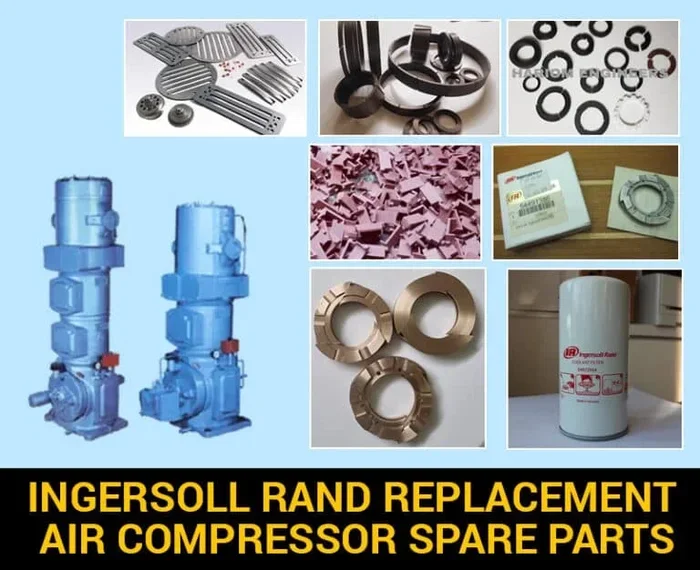
Air Compressor Spare Parts Guide for Better Performance
Air compressor spare parts are the key to keeping your compressor running smoothly and efficiently for years to come. Whether you own a small portable unit or a heavy-duty industrial compressor, having the right replacement parts on hand saves time, money, and frustration. This guide covers everything you need to know about selecting, maintaining, and replacing critical components.
Air compressors are workhorses. They power your pneumatic tools, fill tires, and run spray guns day after day. But like any machine, they wear down. And when a critical part fails, the whole operation can grind to a halt.
That is exactly why understanding air compressor spare parts matters so much. Whether you are a DIY enthusiast working in a home garage or a contractor managing a busy job site, knowing which parts to keep on hand can make all the difference. This guide walks you through everything you need to know about replacement parts, maintenance, and keeping your compressor in top shape.
The right air compressor spare parts do more than just fix problems. They boost performance, improve energy efficiency, and extend the overall life of your machine. Let us dive in and explore what every compressor owner should know.
Key Takeaways
- Stocking essential spare parts prevents costly downtime and extends your compressor’s life.
- Filters, seals, and gaskets are the most common parts that need regular replacement.
- Matching parts to your specific model ensures proper fit and safe operation.
- Regular maintenance can double the lifespan of your compressor components.
- Knowing when to replace vs. repair saves both money and headaches in the long run.
- Using genuine or high-quality aftermarket parts protects your investment and performance.
📑 Table of Contents
- Understanding Your Air Compressor and Why Spare Parts Matter
- Essential Air Compressor Spare Parts You Should Stock
- How to Choose the Right Replacement Parts
- Maintenance Tips to Extend Part Lifespan
- When to Replace vs. When to Repair
- Expert Tips for Buying Air Compressor Spare Parts
- Common Mistakes to Avoid When Replacing Parts
- Conclusion
Understanding Your Air Compressor and Why Spare Parts Matter
Before you start shopping for replacement parts, it helps to understand how your compressor works. At its core, an air compressor draws in ambient air, compresses it using a pump or motor, and stores it in a tank. That compressed air then powers your tools and equipment through a series of hoses and regulators.
Every component in this system plays a vital role. When one part wears out, it affects everything else. A clogged intake filter makes the motor work harder. A worn gasket seal causes air leaks that reduce pressure. These small issues add up fast, leading to poor performance and higher energy bills.
Key Components of an Air Compressor
Let us break down the main parts you should know. Understanding these components makes it easier to identify problems and find the right compressor replacement parts.
- Compressor Pump: This is the heart of the system. It compresses the air and pushes it into the tank. Over time, pump seals and valves wear down.
- Air Tank: The tank stores compressed air for use when needed. Tanks can develop rust, cracks, or valve issues over time.
- Pressure Switch: This controls when the compressor turns on and off based on tank pressure. A faulty switch causes inconsistent pressure.
- Unloader Valve: This releases pressure from the pump when the compressor shuts off. A stuck unloader valve makes starting difficult.
- Regulator: The regulator controls the output pressure going to your tools. An inaccurate regulator damages sensitive equipment.
- Check Valve: This prevents compressed air from flowing back into the pump. A failing check valve causes air leaks and pressure loss.
Each of these parts has a lifespan. Regular use, dust exposure, humidity, and temperature changes all affect how quickly they wear. Keeping spare parts on hand means you can swap out worn components before they cause bigger problems.
Essential Air Compressor Spare Parts You Should Stock
Not all parts need frequent replacement. But some components wear out regularly and are cheap to keep in your inventory. Here is a list of the most important air compressor spare parts every owner should consider stocking.
Filters and Intake Components
Air filters protect the compressor pump from dust and debris. A dirty filter restricts airflow and forces the motor to work harder. This reduces efficiency and can lead to overheating.
- Intake Filters: Replace every 3 to 6 months depending on usage. These are inexpensive and easy to swap out.
- Oil Filters (for oil-lubricated models): These keep contaminants out of the compressor oil. Change them during every oil change.
- Air Output Filters: These clean the air before it reaches your tools. Important for painting and sanding applications.
Quick Tip: Always check your filter during routine inspections. A visual inspection can tell you a lot. If the filter looks dark or clogged, replace it immediately.
Seals, Gaskets, and Hose Fittings
Air leaks are the silent killer of compressor efficiency. Even a small leak can waste 10 to 20 percent of your compressed air. Most leaks come from worn seals and gaskets.
- Gasket Seals: These sit between the pump head and the tank. They degrade over time from heat and pressure.
- Hose Fittings: Connectors and fittings can loosen or corrode. Keep spare couplings and adapters on hand.
- O-Rings: These small rubber rings seal connections throughout the system. They are cheap and easy to replace.
Expert Insight: Many compressor owners overlook hose fittings until a connection starts leaking. By then, moisture and debris have already caused damage. Keeping a small kit of O-rings and fittings in your toolbox prevents this entirely.
Belts, Valves, and Moving Parts
For belt-driven compressors, the drive belt is a consumable part. It stretches and wears with regular use. Other moving parts like valves and pistons also need attention over time.
- Compressor Belts: Replace when you notice cracking, fraying, or slippage. A worn belt reduces pumping efficiency.
- Safety Valves: These release excess pressure to prevent tank explosions. Test them monthly and replace if they fail.
- Piston Rings: These seal the piston inside the cylinder. Worn rings cause low pressure and oil consumption.
How to Choose the Right Replacement Parts
Finding the correct air compressor spare parts can feel overwhelming. There are so many brands, models, and part numbers out there. But the process becomes simple when you follow a few key steps.
Matching Parts to Your Compressor Model
Always start with your owner’s manual. It lists the exact specifications for every component. Note the model number, serial number, and part numbers for the parts you need.
- Find your compressor’s model number (usually on a sticker near the motor).
- Check the manual for recommended part numbers.
- Search for compatible parts from the manufacturer or trusted aftermarket brands.
- Verify dimensions, pressure ratings, and material compatibility before purchasing.
Common Mistake: Do not assume parts from a similar model will fit. Even slight differences in thread size or pressure rating can cause problems. Always double-check compatibility.
OEM vs. Aftermarket Parts
You have two main options when buying replacement parts: original equipment manufacturer (OEM) parts or aftermarket alternatives. Both have pros and cons.
| Feature | OEM Parts | Aftermarket Parts |
|---|---|---|
| Price | Higher cost | More affordable |
| Fit and Compatibility | Guaranteed exact fit | Varies by brand |
| Quality | Consistent with original | Depends on manufacturer |
| Warranty | Usually covered | May void warranty |
| Availability | Sometimes hard to find | Widely available online |
For critical safety components like pressure relief valves and safety switches, always go with OEM parts. For less critical items like filters and O-rings, quality aftermarket parts can save you money without sacrificing performance.
Maintenance Tips to Extend Part Lifespan
Prevention is always better than replacement. A solid maintenance routine keeps your compressor running efficiently and reduces the need for frequent air compressor spare parts purchases.
Daily and Weekly Maintenance Habits
- Drain the tank: Moisture builds up inside the tank every time you run the compressor. Drain it after every use to prevent rust and corrosion.
- Check for leaks: Listen for hissing sounds and feel for air escaping around connections. Fix leaks immediately.
- Inspect the intake filter: A clogged filter forces the motor to work harder. Clean or replace it weekly in dusty environments.
Monthly and Seasonal Maintenance
- Check the oil level: For oil-lubricated compressors, verify the oil level before each use. Change the oil every 500 to 1,000 hours of operation.
- Inspect belts and hoses: Look for cracks, wear, or loose connections. Replace any damaged components before they fail.
- Test safety valves: Lift the test lever on the pressure relief valve monthly. If it does not release air, replace it immediately.
Quick Tip: Keep a maintenance log. Write down when you changed the oil, replaced filters, and inspected key components. This simple habit helps you stay ahead of problems and track part replacement schedules.
Related: If you also use a portable air compressor for outdoor tasks like inflating RV tires or running pneumatic tools at job sites, proper maintenance becomes even more important. Exposure to dust, moisture, and temperature changes accelerates wear on compressor replacement parts. A well-maintained portable unit can last 10 to 15 years with consistent care.
When to Replace vs. When to Repair
Not every problem requires a new part. Sometimes a simple repair does the job. Knowing the difference saves you money and prevents unnecessary downtime.
Signs You Need Replacement Parts
Watch for these warning signs that indicate a part needs replacing rather than repairing:
- Persistent air leaks: If you tighten a fitting and it still leaks, the gasket or seal is worn out.
- Low pressure that won’t build: This often points to worn piston rings or a failing pump valve.
- Unusual noises: Grinding, squealing, or knocking sounds usually mean internal parts are damaged.
- Excessive vibration: A wobbling compressor may have a worn belt, unbalanced motor, or loose mounting bolts.
- Oil leaking from the pump: Worn pump seals or gaskets are the likely culprit.
When Repair Makes More Sense
Some issues are simple and cost-effective to repair. For example, replacing a check valve or cleaning a clogged regulator usually costs just a few dollars and takes minutes. Loose hose fittings, minor air leaks from O-rings, and dirty intake filters all fall into the repair category.
However, if your compressor pump is making grinding noises and losing pressure, that is a sign of serious internal wear. At that point, replacing the pump or the entire unit may be more cost-effective than repeated repairs.
Expert Tips for Buying Air Compressor Spare Parts
Buying the right parts the first time saves frustration. Here are some expert tips to guide your purchases.
- Buy in bulk for consumables: Filters, O-rings, and gaskets wear out regularly. Buying them in bulk saves money and ensures you always have replacements ready.
- Keep a parts kit ready: Assemble a basic kit with the most common replacement parts for your specific model. This way, you are never caught off guard by a failure.
- Verify part numbers carefully: One wrong digit in a part number can mean the difference between a perfect fit and a return trip to the store.
- Consider the environment: If you work in a humid or dusty environment, invest in higher-quality filters and seals. They last longer and protect your compressor better.
- Check return policies: Even with careful research, sometimes a part does not fit. Buy from suppliers with good return policies to avoid wasted money.
Expert Insight: Many professional contractors keep a spare parts inventory specifically for their compressor. A small investment of $50 to $100 in commonly needed parts pays for itself the first time a component fails mid-job. Downtime on a job site costs far more than the parts themselves.
Also worth noting: If you rely on your compressor alongside other power equipment, understanding the full power ecosystem helps. For instance, if you use a generator to power your compressor at remote job sites, knowing the right generator size for your tools is essential. Check out our guide on what size generator for 30 amp RV air conditioner to learn more about matching power sources to demanding equipment.
Similarly, keeping up with air compressor maintenance goes hand in hand with knowing which pneumatic tools your compressor can efficiently power. A well-matched system runs cooler, uses less energy, and lasts longer. Investing time in understanding your compressor’s needs pays dividends in reliability and performance.
Common Mistakes to Avoid When Replacing Parts
Even experienced compressor owners make mistakes when replacing parts. Here are the most common ones to watch out for.
- Skipping the manual: The owner’s manual contains critical information about torque specs, part numbers, and installation procedures. Skipping it can lead to improper installation.
- Using generic parts: Generic parts may seem like a bargain, but they often do not fit properly or last as long. Stick with quality brands for critical components.
- Over-tightening fittings: Cranking down too hard on fittings can crack threads or damage gaskets. Hand-tighten first, then give it a quarter turn with a wrench.
- Ignoring small leaks: A tiny hiss might seem harmless, but it wastes compressed air and forces the compressor to run longer. Fix leaks promptly.
- Not replacing parts in pairs: If one seal is worn, the other one is probably close behind. Replace seals in pairs to avoid repeat failures.
Common Mistake: Many people wait until a part completely fails before replacing it. This is a reactive approach that leads to unexpected downtime. A proactive maintenance schedule prevents this entirely.
Conclusion
Taking care of your air compressor starts with understanding air compressor spare parts. From filters and gaskets to pumps and pressure switches, every component plays a role in delivering reliable, efficient performance. By stocking essential replacement parts, following a regular maintenance routine, and knowing when to replace versus repair, you keep your compressor running at its best for years to come.
The small investment in quality spare parts pays off big time. You avoid costly downtime, extend the life of your equipment, and keep your pneumatic tools running at peak efficiency. Start building your spare parts inventory today. Your future self will thank you the next time a component fails right when you need it most.
Remember, a well-maintained compressor is a reliable compressor. Stay proactive, stay prepared, and let your equipment do the heavy lifting for many years to come.
Frequently Asked Questions
What are the most common air compressor spare parts that need replacement?
The most common replacement parts include intake filters, gasket seals, O-rings, check valves, and drive belts. These components wear out regularly from use, heat, and exposure to moisture. Keeping spares of these parts on hand prevents unexpected downtime and keeps your compressor running smoothly.
How often should I replace air compressor filters?
Intake filters should be replaced every 3 to 6 months depending on how often you use the compressor and the environment you work in. If you work in a dusty or dirty space, you may need to replace them more frequently. Oil filters for oil-lubricated models should be changed with every oil change, typically every 500 to 1,000 hours of operation.
Can I use aftermarket parts instead of OEM parts for my compressor?
Yes, for many non-critical parts like filters, O-rings, and gaskets, quality aftermarket parts work well and save you money. However, for safety-critical components like pressure relief valves and unloader valves, it is best to stick with OEM parts to ensure proper function and safety compliance.
How do I know if my air compressor needs a new pump or just a repair?
If your compressor is losing pressure, making grinding noises, or leaking oil from the pump, these are signs of serious internal wear. A simple repair like replacing a gasket or valve might fix minor issues. But if the pump is making persistent abnormal sounds and losing pressure even after repairs, a full pump replacement is usually the more cost-effective option.
What is the best way to store air compressor spare parts?
Store parts in a clean, dry location away from moisture and extreme temperatures. Keep small parts like O-rings and gaskets in labeled containers to prevent loss. For filters and belts, keep them in their original packaging or sealed bags to prevent dust contamination and degradation until you are ready to use them.
How can I improve my air compressor’s performance with spare parts?
Replacing worn filters, seals, and valves restores lost efficiency and pressure. Upgrading to a higher-quality regulator or installing a moisture separator can also improve performance. Regularly replacing consumable parts like intake filters and O-rings keeps your compressor running at peak efficiency and reduces energy consumption.