Why Does My AC Compressor Keep Turning On and Off Now
Your AC compressor keeps turning on and off because of short cycling, and it can ruin your comfort and spike your energy bills. This guide walks you through every reason this happens, from simple thermostat problems to serious refrigerant leaks. You will learn how to spot the signs, fix common issues, and know exactly when to call a pro.
There is nothing more frustrating than walking into your home on a hot day and finding that your AC compressor keeps turning on and off. You adjust the thermostat, wait for cool air, and then… nothing. Or worse, the system kicks on for a few minutes and shuts right back down. This annoying behavior is called short cycling, and it is one of the most common HVAC problems homeowners face today.
Short cycling does not just ruin your comfort. It also drives up your energy bills, wears out expensive components, and can lead to costly repairs if you ignore it. The good news is that most causes of a compressor that keeps turning on and off are easy to identify and fix. Whether it is a simple thermostat issue or something more serious like low refrigerant, this guide covers every reason your AC compressor might be cycling on and off and gives you clear steps to solve the problem.
We will walk through each possible cause in plain language so you can understand what is happening inside your system. You will also learn when it is safe to DIY and when you should definitely call a professional. By the end, you will know exactly what to check, what to fix, and how to keep your cooling system running smoothly all season long.
Key Takeaways
- Short cycling is the real culprit: Your compressor turning on and off frequently is called short cycling, and it stresses your entire HVAC system.
- Thermostat problems are the most common fix: A faulty or poorly placed thermostat often causes the compressor to shut off too early.
- Low refrigerant is a serious issue: When your system lacks enough refrigerant, the compressor works harder and cycles more frequently.
- Dirty coils block airflow and cause cycling: Both condenser and evaporator coils need to stay clean for proper operation.
- Electrical failures can trigger constant cycling: Bad capacitors, contactors, or wiring can make your compressor turn on and off randomly.
- An oversized AC unit short cycles by design: If your system is too big for your space, it cools too fast and shuts off prematurely.
- Know when to call a technician: Some causes need professional diagnosis, especially refrigerant leaks and electrical faults.
📑 Table of Contents
- What Is Short Cycling and Why Does My AC Compressor Keep Turning On and Off
- Top Reasons Why Your AC Compressor Keeps Turning On and Off
- Can a Generator Cause Your AC Compressor to Cycle
- How to Diagnose and Fix a Compressor That Keeps Short Cycling
- When to Call a Professional About Compressor Cycling
- Final Thoughts on Why Your AC Compressor Keeps Turning On and Off
What Is Short Cycling and Why Does My AC Compressor Keep Turning On and Off
Before we dive into the causes, let us understand what short cycling actually means. A normal cooling cycle starts when your thermostat detects the room temperature has risen above your set point. The compressor kicks on, refrigerant flows through the system, and cool air spreads into your home. Once the temperature drops to the set point, the compressor shuts off. This cycle usually lasts 10 to 15 minutes.
Short cycling happens when the compressor turns on and off much more frequently than it should. Instead of running for 10 to 15 minutes, it might run for only 3 to 5 minutes before shutting down. Then it starts again a few minutes later. This rapid AC compressor cycling puts enormous stress on every part of your cooling system.
How a Normal Cooling Cycle Works
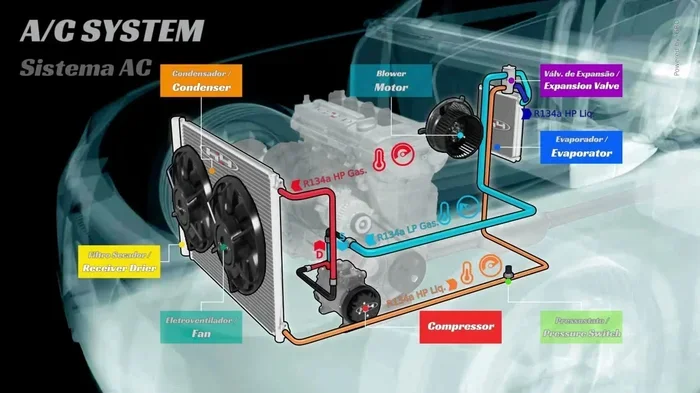
Your cooling system relies on a carefully balanced process. The compressor pressurizes refrigerant gas, sending it to the condenser unit where it releases heat. The refrigerant then flows to the evaporator coil inside your home, where it absorbs heat from the air. A fan blows this cool air through your ducts and into your rooms.
Once the thermostat reaches the target temperature, it signals the compressor to stop. The system rests until the temperature rises again. A healthy HVAC system should complete full cycles consistently. When something disrupts this balance, the compressor starts short cycling instead of running long, efficient cooling periods.
Think of it like driving a car. You want steady highway driving, not constant stopping and starting. The same principle applies to your compressor. Long, steady cycles mean less wear, better efficiency, and a more comfortable home.
Why Short Cycling Is So Harmful
Every time your compressor starts up, it uses a surge of electricity. Frequent starts and stops mean your system uses far more energy than normal. This directly increases your monthly utility bills and wastes money you could be saving.
Beyond energy waste, short cycling causes serious mechanical wear. The compressor motor experiences the most stress during startup. Repeated rapid starts can overheat the motor, damage the compressor clutch, and eventually lead to complete compressor failure. Repairing or replacing a compressor is one of the most expensive HVAC jobs you can face, often costing hundreds or even thousands of dollars.
Short cycling also reduces your home’s comfort. The system never runs long enough to properly dehumidify the air, leaving your home feeling damp and sticky even when the temperature reads cool. You end up paying more for less comfort, which is the worst outcome for any homeowner.
Top Reasons Why Your AC Compressor Keeps Turning On and Off
Now that you understand short cycling, let us look at the most common reasons it happens. Each cause below includes clear signs to watch for and practical steps you can take to fix the problem.
Thermostat Problems
The thermostat is the brain of your cooling system. When it malfunctions, it can send incorrect signals that cause the compressor to shut off too early or turn on too frequently. A thermostat malfunction is one of the simplest and most common reasons for compressor cycling, and it is also one of the easiest to fix.
Here are the most common thermostat issues that trigger short cycling:
- Poor placement: If your thermostat is near a heat source, in direct sunlight, or near a drafty window, it reads the wrong temperature and cycles the compressor unnecessarily. Even a lamp or electronic device near the thermostat can trick it into thinking the room is warmer than it actually is.
- Dead or weak batteries: A low battery can cause erratic behavior in digital thermostats, leading to frequent on-and-off cycling that looks a lot like a serious system problem.
- Calibration errors: Over time, thermostats can drift out of calibration. The temperature reading might be off by several degrees, causing premature shutdown and frequent restarts.
- Dirty contacts: Internal dust can corrode the thermostat contacts, creating intermittent connections that interrupt the cooling cycle at the worst possible times.
Quick tip: Try replacing the batteries first. Then check the placement. Move the thermostat away from heat sources and direct sunlight. If the problem persists, consider upgrading to a smart thermostat. These devices offer better accuracy and can help you monitor your AC unit troubleshooting in real time through a phone app.
Low Refrigerant Levels
Refrigerant is the lifeblood of your cooling system. It absorbs heat from your home and releases it outside through the condenser unit. When refrigerant levels drop too low, the compressor struggles to maintain proper pressure, and the system starts short cycling as a protective measure.
Low refrigerant is almost always caused by a refrigerant leak. Small leaks can develop over time at connection points, valves, Schrader ports, or coils. The refrigerant slowly escapes, and the system loses efficiency bit by bit. You might not notice the problem at first because the decline is gradual.
Watch for these signs of low refrigerant:
- Ice forming on the evaporator coil or refrigerant lines near the indoor unit
- Hissing or bubbling sounds coming from the refrigerant lines or outdoor unit
- Warm air blowing from vents even when the system has been running for a while
- The compressor cycles on and off every few minutes instead of running steadily
- Higher energy bills without any change in your usage habits
If you suspect low refrigerant, do not try to add more yourself. Refrigerant handling requires proper certification and equipment in most states. Call a licensed HVAC technician to locate the leak, repair it, and recharge the system to the correct refrigerant levels. Ignoring a leak will only make the problem worse and can eventually destroy the compressor entirely.
Dirty Condenser and Evaporator Coils
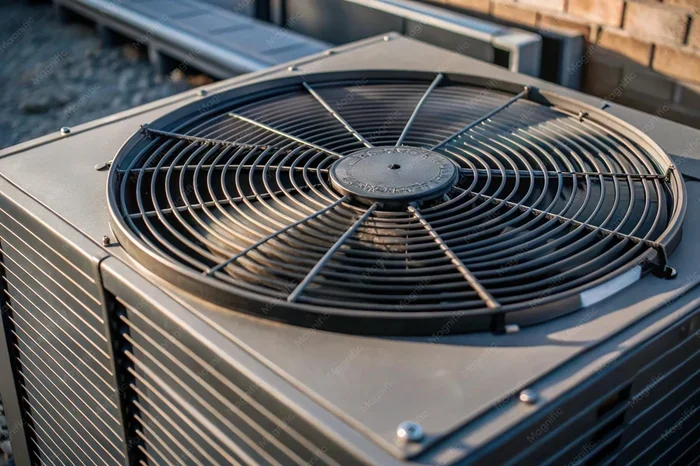
Your condenser unit sits outside and releases heat from the refrigerant into the surrounding air. The evaporator coil sits inside your air handler and absorbs heat from your home’s air. When either of these becomes dirty, airflow is restricted, and the system cannot exchange heat efficiently. This forces the compressor to work harder and cycle more frequently.
A dirty condenser coil is especially problematic because it is exposed to the elements. Dirt, leaves, grass clippings, and debris build up on the outdoor coil over time. This layer of grime insulates the coil and prevents it from releasing heat properly. The compressor has to work harder and longer, which can lead to overheating and premature shutdown.
Inside, a dirty evaporator coil causes similar problems in reverse. Reduced airflow means the coil gets too cold, frost builds up on the surface, and the system shuts down to protect itself. A few minutes later, the frost melts, and the compressor kicks back on. This creates the classic short cycling pattern that many homeowners mistake for a serious breakdown.
Quick tip: Check your outdoor condenser unit regularly, especially during heavy use seasons. Remove any debris, leaves, or dirt from around the unit. You can gently hose down the coil fins to remove light buildup. Never use a pressure washer, as it can bend the delicate fins and make the problem worse. For heavy dirt or bent fins, call a professional for a thorough coil cleaning.
Electrical Issues and Capacitor Failure
Your compressor relies on several electrical components to start and run properly. When any of these fail, the compressor may cycle on and off erratically. Electrical issues are among the most serious causes of compressor short cycling because they can affect multiple parts of the system and create safety hazards if not addressed.
The compressor capacitor provides the electrical boost needed to start the compressor and keep it running smoothly. A failing capacitor may send intermittent power, causing the compressor to start, stall, and restart repeatedly. The compressor contactor is the relay switch that sends power to the compressor when the thermostat calls for cooling. When contacts wear out or become pitted, they can make and break connections unpredictably, causing random cycling behavior.
Other electrical culprits include:
- Compressor relay: This switch tells the compressor when to start and stop. A faulty relay can send constant on-and-off signals that mimic other serious problems.
- Wiring problems: Loose connections, corroded wires, or damaged circuit boards can interrupt the electrical flow to the compressor at unpredictable intervals.
- Thermal overload: When the compressor overheats, a thermal overload switch shuts it down for protection. If the compressor keeps overheating due to low refrigerant, dirty coils, or electrical issues, this cycle repeats constantly throughout the day.
If you are comfortable working with electrical components, you can visually inspect the capacitor for bulging, leaking, or burn marks. However, electrical diagnostics should generally be left to a qualified technician. Working with HVAC electrical components can be dangerous, and incorrect handling can cause further damage to your system.
An Oversized AC Unit
This might surprise you, but having an AC unit that is too large for your home is a surprisingly common cause of short cycling. An oversized system cools your home too quickly. The thermostat reaches the set point fast, the compressor shuts off, and then the temperature rises again within minutes. The compressor never gets a chance to run a full, efficient cycle.
This rapid on-and-off pattern means the compressor never runs long enough to properly dehumidify your home. The result is a space that feels cool but clammy and uncomfortable. An oversized unit also wastes energy and wears out components faster than a properly sized system would.
If you recently had a new system installed and started noticing short cycling right away, the unit size might be the problem. A professional HVAC load calculation can confirm whether your system is correctly sized for your home. This calculation takes into account your square footage, insulation, window exposure, and local climate to determine the right unit size.
Can a Generator Cause Your AC Compressor to Cycle
Many homeowners rely on generators to power their homes during outages or in off-grid situations. If you run your AC on a generator, the power supply can directly affect how your compressor behaves. A generator that cannot provide stable, consistent power may cause your AC compressor keeps turning on and off problem, especially during peak cooling demand when the compressor is working hardest.
Power Supply Stability and Your HVAC
Your cooling system needs a steady flow of electricity to operate smoothly. Generators, especially portable models, can produce voltage fluctuations that confuse the compressor’s electrical components. These fluctuations may cause the compressor to start, stall, and restart in rapid succession, mimicking the symptoms of a serious mechanical failure.
If you notice your AC compressor cycles more frequently when running on a generator compared to normal grid power, the generator output is likely the culprit. Voltage instability can stress the compressor capacitor and other sensitive components, leading to premature wear and erratic cycling behavior that goes away once you switch back to grid power.
Fuel and Capacity Issues with Generators
The size and fuel capacity of your generator play a huge role in whether it can power your AC compressor reliably. If your generator is too small, it will struggle to handle the electrical load of the compressor, causing it to trip, shut down, and restart repeatedly. This creates the exact same short cycling pattern you would see from an internal system problem.
For example, if you are using a portable generator, you need to make sure it has enough capacity to handle the startup surge of the compressor. The amount of fuel consumed also matters, because a generator running low on fuel may produce inconsistent power output that affects compressor performance. Understanding your generator’s fuel consumption helps you plan for longer cooling sessions without interruption.
To understand your generator’s fuel consumption better, check out this guide on how much gas does a generator use and plan accordingly for extended cooling sessions during power outages.
Also, choosing the right generator size is critical for reliable AC operation. An undersized generator will not only cause compressor cycling but can also damage your HVAC system over time. If you are running AC from a generator, make sure you select one that can handle the continuous load. This guide on how big of a generator do I need for my camper offers helpful sizing principles that apply to any portable generator setup, whether you are cooling a camper or a home.
For homes using standby generators, the issue might be different. A whole-house generator should be properly sized for your home’s total electrical load, including the AC compressor and all other appliances running simultaneously. If your generator is undersized for your full home electrical needs, the compressor may not get consistent power and will short cycle. You can learn more about proper capacity planning at what size generator to run refrigerator and freezer, which covers capacity planning for major home appliances that draw significant power.
How to Diagnose and Fix a Compressor That Keeps Short Cycling
Now that you know the major causes, let us talk about what you can actually do. Some fixes are simple enough for a handy homeowner, while others require professional help. Here is a practical approach to diagnosing and resolving compressor cycling problems.
Step-by-Step Troubleshooting
Start with the easiest checks and work your way up to more complex diagnostics. Here is a logical order for AC unit troubleshooting:
- Check the thermostat: Verify the temperature reading is accurate. Replace batteries, clean the contacts, and make sure it is not near a heat source. Try setting the temperature a few degrees lower and see if the compressor runs longer, more stable cycles.
- Inspect the air filter: A clogged filter restricts airflow over the evaporator coil. Replace it if it looks dirty. Most filters should be changed every 1 to 3 months during heavy cooling season to maintain proper airflow.
- Clean the condenser unit: Remove debris from around the outdoor unit. Hose down the fins gently to remove dirt and dust buildup that restricts heat rejection.
- Check for ice: Look at the evaporator coil through the access panel. If you see ice forming, turn the system off and let it thaw completely. Ice usually indicates low refrigerant or restricted airflow somewhere in the system.
- Listen for unusual sounds: Clicking, buzzing, or humming sounds near the compressor often point to electrical issues like a bad capacitor or contactor that needs replacement.
- Monitor cycle length: Use a stopwatch to time how long each cooling cycle lasts. Cycles under 10 minutes are a red flag for short cycling and warrant further investigation.
Quick Tips for Prevention
Prevention is always easier and cheaper than repair. Here are some habits that keep your compressor running smoothly and prevent short cycling before it starts:
- Schedule annual maintenance: A professional tune-up once a year catches small problems before they become big ones. The technician will check refrigerant levels, clean coils, test electrical components, and inspect the compressor clutch and contactor for early signs of wear.
- Keep the outdoor unit clear: Maintain at least 2 feet of clearance around the condenser unit. Trim bushes, remove leaves, and keep debris away to ensure unrestricted airflow.
- Use a surge protector: Power surges can damage the compressor capacitor and other sensitive electrical components. A quality surge protector adds an extra layer of defense against electrical spikes.
- Replace filters regularly: Set a reminder to check your filter every month during cooling season. A clean filter protects the evaporator coil and keeps airflow strong throughout the system.
- Do not ignore warning signs: If you notice warm air, ice, unusual sounds, or shorter cycles, address the problem immediately. Early intervention prevents expensive AC compressor repair bills later and keeps your home comfortable all summer long.
When to Call a Professional About Compressor Cycling
While some causes of short cycling are easy to fix, others require professional diagnosis and specialized tools. Knowing the difference saves you time, money, and potentially dangerous mistakes. A licensed HVAC technician has the training and equipment to diagnose complex issues that are not visible to the naked eye.
Warning Signs You Should Not Ignore
Call a professional right away if you notice any of the following warning signs:
- Refrigerant leaks: If you see oil stains near refrigerant lines or hear hissing sounds, you likely have a leak that needs professional repair and system recharge.
- Burning smells: Electrical burning odors indicate serious wiring or component issues that can become fire hazards if not addressed immediately.
- Compressor will not start: If the compressor clicks but never starts, the capacitor or contactor is likely failed and needs professional replacement.
- Frequent circuit breaker trips: A compressor that trips the breaker is drawing too much current, which signals a serious electrical or mechanical problem that needs urgent attention.
- Ice on the compressor lines: This almost always means low refrigerant, which requires a certified technician to locate and repair the leak safely.
A professional has the tools to check refrigerant pressure, test electrical components with multimeters, measure airflow with manometers, and diagnose complex issues that go beyond what a homeowner can safely handle. Trying to fix refrigerant leaks or electrical faults without proper training can be dangerous and may void your system warranty, leaving you responsible for costs that could have been avoided.
Final Thoughts on Why Your AC Compressor Keeps Turning On and Off
Dealing with a compressor that keeps turning on and off is frustrating, but it is almost always a solvable problem. The key is to identify the cause early and take action before small issues turn into expensive, system-wide failures. Most homeowners can handle basic checks like thermostat settings, filter replacement, and outdoor unit cleaning. For anything beyond that, a professional diagnosis is the smart and safe choice.
Start with the basics: check your thermostat, replace your air filter, and clean the outdoor condenser unit. These simple steps resolve many short cycling problems and cost you nothing more than a few minutes of your time. If the issue persists, look deeper at refrigerant levels, electrical components, and system sizing.
Remember that your cooling system is a complex machine with interdependent parts. When one component fails or underperforms, it affects everything else in the loop. Regular maintenance is your best defense against short cycling and extends the life of your compressor and entire HVAC system significantly.
If you are ever unsure about what you are seeing or hearing, do not hesitate to call a professional. A quick diagnostic visit can save you thousands of dollars in emergency repairs and give you peace of mind that your system is running safely and efficiently. Your comfort and your family’s well-being are worth the investment.
By understanding the common causes and taking proactive steps, you can keep your AC compressor running in healthy, long cycles all season long. Your home will stay cool, your energy bills will stay low, and your system will last for years to come. Do not let short cycling steal your comfort, take action today.
Frequently Asked Questions
Why does my AC compressor turn on and off every few minutes?
This is a classic sign of short cycling, and the most common causes are a faulty thermostat, low refrigerant, or a dirty air filter. Start by checking your thermostat settings and replacing your filter. If the problem continues, you may have a refrigerant leak or electrical issue that needs professional attention.
Can a dirty air filter cause the compressor to short cycle?
Yes, absolutely. A clogged filter restricts airflow over the evaporator coil, causing it to freeze up. When the ice melts, the system restarts, creating a rapid on-and-off cycle. Replacing your filter every 1 to 3 months during cooling season prevents this simple but common problem.
Is short cycling bad for my AC compressor?
Yes, short cycling is very harmful. Every startup puts extra stress on the compressor motor, and frequent rapid cycling leads to overheating, worn components, and eventually compressor failure. It also wastes energy and drives up your electricity bills significantly.
How do I know if my compressor capacitor is failing?
Common signs include the compressor clicking but not starting, humming sounds from the outdoor unit, or the system cycling on and off erratically. You may also notice the capacitor looking bulged, leaking, or scorched. A technician can test the capacitor with a multimeter to confirm failure.
Should I turn off my AC if it is short cycling?
Yes, if your compressor is cycling rapidly, turn it off and let it rest. Continuous short cycling can overheat the motor and cause further damage. Check your filter and thermostat first, and if the problem persists, contact a professional before running the system again.
How much does it cost to fix a compressor that short cycles?
The cost varies widely depending on the cause. Simple fixes like replacing a thermostat or cleaning coils may cost under $150. Electrical repairs like replacing a capacitor or contactor typically run $200 to $500. Refrigerant leak repairs can cost $500 or more, and a full compressor replacement can range from $1,000 to $3,000 or higher.