Are Tools a Business Expense Worth Deducting Today
Yes, tools are a business expense that you can often deduct on your taxes. Understanding which tools qualify for deductions and how to document them properly can save you significant money. This guide covers everything from IRS rules to practical tips for maximizing your tax write-offs.
Every business owner wants to reduce their tax bill. And one of the smartest ways to do that is by claiming deductions for the tools you use every day. But here is the big question: are tools a business expense that the IRS actually allows you to write off? The short answer is yes. The longer answer depends on the type of tools you buy, how you use them, and whether you follow the right rules.
Whether you run a construction company, a small workshop, or a freelance design business, the tools in your workspace matter. They help you do your job better and faster. But more importantly, they can help you keep more of your hard-earned money. In this guide, we will walk through everything you need to know about deducting tools as a business expense. We will cover the rules, the eligible items, and the common pitfalls to avoid.
If you have ever wondered whether that new drill, laptop, or software subscription counts as a tax-deductible tool, you are in the right place. Let us break it all down in simple terms so you can make smart decisions this tax season.
Key Takeaways
- Tools qualify as business expenses: Most tools used for work are deductible under IRS rules.
- Documentation is key: Keep receipts, records, and proof of business use to support your deductions.
- Section 179 and depreciation: Large tool purchases may qualify for immediate expensing or phased depreciation.
- Ordinary and necessary rule: The tool must be common and helpful for your specific business type.
- Avoid common mistakes: Mixing personal and business use without tracking can trigger audits.
- Small tools add up: Even low-cost items like hand tools and software count toward deductions.
- Consult a tax professional: A CPA can help you identify every deduction you qualify for.
📑 Table of Contents
What Counts as a Business Tool?
The IRS does not have a single strict definition of a “tool.” Instead, they look at the purpose and use of the item. If you use something primarily to do your job, it likely qualifies as a business tool. But the line between a personal item and a business tool can sometimes get blurry.
Types of Tools That Qualify
Tools come in many forms. They are not just wrenches and hammers. Here are common categories of business tools you can deduct:
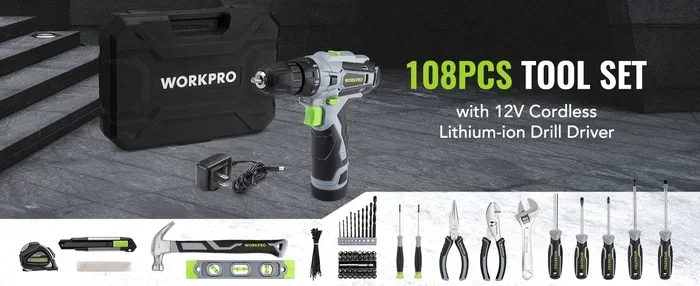
- Hand tools: Wrenches, screwdrivers, pliers, hammers, and saws used on job sites.
- Power tools: Drills, grinders, sanders, and routers that help you complete work faster.
- Digital tools: Software subscriptions, apps, and cloud-based platforms for business operations.
- Measuring and diagnostic tools: Levels, calipers, multimeters, and inspection cameras.
- Protective gear: Gloves, safety glasses, hard hats, and steel-toed boots.
- Office tools: Laptops, monitors, printers, and calculators used for business tasks.
Any item that you use to perform your job duties can fall into the business expense deduction category. The key is proving that the tool serves a business purpose.
When a Tool Becomes an Asset
Here is where things get interesting. If you buy a tool that costs a lot and lasts a long time, the IRS may classify it as a business asset rather than a simple expense. Tools that cost more than a few hundred dollars and have a useful life of over a year often fall into this category.
When a tool becomes an asset, you cannot deduct the full cost in one year. Instead, you depreciate it over time. This means you claim a portion of the cost each year. However, there are ways to speed this up, which we will cover later.
For example, if you buy a generator for your contracting business, it might cost several thousand dollars. You would not write off the entire amount at once unless you use a special tax provision like Section 179. Understanding this distinction helps you plan your purchases and deductions wisely.
Tax Rules for Deducting Business Tools
The IRS has clear rules about what you can and cannot deduct. Knowing these rules protects you from audits and penalties. Let us look at the main guidelines that apply to tool deductions.
The Ordinary and Necessary Rule
This is the golden rule of business deductions. A tool must be both ordinary and necessary to qualify. “Ordinary” means it is common and accepted in your industry. “Necessary” means it is helpful and appropriate for your business.
Think about it this way. A contractor buying a hammer finds it both ordinary and necessary. A freelance writer buying a hammer does not. The same physical tool can have different tax treatment depending on your line of work.
Here are some quick examples to illustrate this point:
- A carpenter buying a table saw: ordinary and necessary. Fully deductible.
- A graphic designer buying a drawing tablet: ordinary and necessary. Fully deductible.
- A restaurant owner buying a generator for backup power: ordinary and necessary. Deductible as a business expense.
- A personal user buying the same generator for home use: not deductible as a business expense.
Personal vs. Business Use
This is one of the trickiest areas of tool deductions. If you use a tool for both personal and business purposes, you can only deduct the business portion. The IRS expects you to be honest and accurate about how much you use the tool for work.
For instance, if you buy a laptop and use it 70 percent for business and 30 percent for personal browsing, you can only deduct 70 percent of the cost. Keeping a simple log of usage helps you stay accurate and defend your deductions if questioned.
Similarly, if you are wondering how much gas does a generator use and whether those fuel costs are deductible, the answer is yes, as long as you use the generator for business purposes. Fuel, maintenance, and repairs for business tools all count as deductible expenses.
De Minimis Safe Harbor
The IRS offers a helpful shortcut called the de minimis safe harbor. This rule lets you deduct items that cost less than $2,500 per item in the year you purchase them. This means you do not have to depreciate small tools over several years.
This is great news for businesses that buy lots of small tools regularly. Screwdriver sets, drill bits, measuring tapes, and small accessories all fall under this threshold. You can deduct them immediately, which simplifies your bookkeeping and boosts your tax savings right away.
Tools You Can Deduct as a Business Expense
Not all tools are created equal when it comes to deductions. Some are straightforward, while others need a bit more planning. Let us explore the specific types of tools that qualify and how to handle each one.
Hand Tools and Power Tools
Basic hand tools like wrenches, pliers, and hammers are some of the most common deductible business expenses. These items are relatively inexpensive and wear out quickly, which makes them easy to deduct. Power tools like angle grinders, circular saws, and impact drivers also qualify, especially if they are essential to your daily work.
If you run a mobile business and need portable power, you might consider a generac generator for your truck or job site. Generators power your tools and equipment on location. The cost of the generator itself, plus fuel and maintenance, can all be deducted as business expenses. You can learn more about how a generac generator is powered and whether it fits your business needs.
Digital Tools and Software
In today’s world, digital tools are just as important as physical ones. Software subscriptions, cloud storage, project management apps, and design programs all count as business tools. The IRS treats these as deductible operating expenses in the year you pay for them.
Whether you pay monthly or annually, these costs add up. A small business that spends $200 a month on software tools is deducting $2,400 every year. That is real money back in your pocket. Just make sure you keep records of every subscription and receipt.
Protective Equipment and Safety Gear
Safety gear is not just smart, it is deductible. Helmets, gloves, safety glasses, high-visibility vests, and steel-toed boots all qualify as business expense deductions. The IRS recognizes that protective equipment is necessary to keep workers safe on the job.
Even specialized gear like harnesses, respirators, and ear protection falls into this category. If your business requires employees to wear specific protective items, you can deduct the cost of purchasing and replacing them.
Large Equipment and Heavy Machinery
When you invest in expensive equipment like generators, heavy machinery, or large vehicles, the deduction process changes. These items are considered business assets and must be depreciated over their useful life.
The good news is that the Section 179 deduction allows you to write off the full cost of qualifying equipment in the year you purchase it, up to a certain limit. This is a powerful tool for businesses that make large investments in equipment and machinery. For example, a company that buys a large generator for a construction site can potentially deduct the entire purchase price in one year instead of spreading it over several years.
Similarly, if you are considering a generator for your business, understanding the cost of a whole-house generator or a commercial-grade unit helps you plan your deductions. You can explore more about how much a whole house generator costs to budget properly for both the purchase and the tax benefits.
Common Mistakes When Deducting Tools
Deducting tools seems simple, but many business owners make mistakes that cause problems. Avoiding these errors keeps your taxes clean and your deductions safe.
Failing to Separate Personal and Business Use
The most common mistake is mixing personal and business use without tracking it. If the IRS sees a tool on your deduction that you also use for personal projects, they may question the entire claim. Always keep a record of how much time you spend using each tool for business versus personal purposes.
Not Keeping Receipts and Records
Receipts are your best friend during tax season. Without proper documentation, your deductions have no proof. The IRS requires you to show that you actually purchased the tool and used it for business. Save every receipt, invoice, and credit card statement related to your tool purchases.
Deducting Tools You Do Not Use
Some business owners try to deduct tools they bought but never actually used. If a tool sits in a closet unused, it does not qualify as a business expense. The IRS expects the tool to be actively used in your trade or business. Only deduct tools that play a real role in your work.
Ignoring the De Minimis Rule
Many small business owners miss out on the de minimis safe harbor because they do not know about it. If you buy several small tools throughout the year, each under $2,500, you can deduct them all immediately. Failing to use this rule means you might be missing out on valuable tax savings.
Overlooking Operating Costs
People often forget that the costs of using a tool are also deductible. Fuel, oil, batteries, replacement parts, and repair bills all count. If you use a generator on job sites, the gas you buy for it is a deductible business expense. Many contractors miss these smaller deductions, which add up significantly over a year.
How to Document Your Tool Expenses
Proper documentation is the backbone of any successful tax deduction. Without it, even legitimate deductions can be denied. Here is how to keep your records in order.
Create a Dedicated Business Account
Use a separate credit card or bank account for all business purchases. This makes it easy to track every tool expense in one place. When tax time comes, you simply pull the statements and categorize the purchases.
Use a Simple Tracking System
You do not need fancy software to track your tools. A simple spreadsheet works great. List the date of purchase, the item name, the cost, the vendor, and how the tool is used in your business. Update it every time you buy something.
Store Receipts Digitally
Paper receipts fade and get lost. Take photos of every receipt or scan them into a cloud folder. Apps like QuickBooks, Expensify, or even Google Drive make this process quick and painless. Digital records are easier to organize and harder to lose.
Keep a Usage Log
For tools that serve both personal and business purposes, a usage log is essential. Write down how many hours or days you use the tool for work each week. This log becomes your evidence if the IRS ever asks for clarification.
Organize by Category
Group your tool expenses into categories like hand tools, power tools, digital tools, safety gear, and maintenance. This makes it easier to calculate your total deductions and spot any missing categories before you file.
Expert Tips for Maximizing Your Tool Deductions
Smart business owners do not just deduct what they must, they maximize every legal deduction available. Here are some expert strategies to get the most out of your tool expenses.
Buy Tools Before Year-End
If you need a new tool for your business, consider purchasing it before December 31st. The timing of your purchase matters for tax deductions. Buying tools at the end of the tax year means you can claim the deduction for that same year, which reduces your taxable income immediately.
Bundle Purchases When Possible
If you need multiple tools, buying them together can sometimes help you stay under the de minimis threshold or qualify for bulk discounts. Just make sure each individual item still meets the deduction requirements. Planning your purchases strategically saves money in the long run.
Consider Leasing Instead of Buying
For expensive tools and equipment, leasing can be a smart alternative. Lease payments are fully deductible as business operating expenses. This spreads the cost over time and keeps your upfront expenses lower. It also simplifies your taxes since you do not have to deal with depreciation schedules.
Talk to a Tax Professional
Tax laws are complex and change every year. A qualified CPA or tax advisor who understands your industry can help you find deductions you might not even know exist. They can also make sure you are following the rules correctly, which gives you peace of mind and protects you from audits.
Review Your Deductions Annually
Do not wait until tax season to review your tool expenses. Set aside time at the end of each quarter to go over your purchases. This habit keeps your records up to date and helps you catch any missed deductions early.
How Much Is A Generator For Business Use?
Generators deserve special mention because they serve as both a tool and a power source for other tools. The cost of a generac generator for business use varies widely depending on size and capacity. Small portable generators might cost a few hundred dollars, while large commercial units can run several thousand.
When you buy a generator, the full purchase price is deductible as a business expense if you use it primarily for work. You can also deduct the ongoing costs of fuel, oil changes, and maintenance. If you want to explore different options, check out how much a generac generator costs and how much a home generator costs to find the right fit for your business needs.
Generators are especially valuable for contractors and mobile businesses that need reliable power on job sites. They keep your tools running and your projects moving forward, which makes them a worthwhile business investment from both a productivity and tax perspective.
Conclusion
Are tools a business expense worth deducting? Absolutely. The right tools help you do your job better, and the right deductions help you keep more of your money. From basic hand tools to expensive generators, the IRS gives you plenty of opportunities to write off your business expenses.
Remember to follow the ordinary and necessary rule, keep thorough documentation, and take advantage of the de minimis safe harbor and Section 179 deductions. Avoid the common pitfalls like mixing personal and business use or skipping your receipts. With the right approach, you can turn every tool purchase into a smart financial move.
Start today. Review your current tool inventory, gather your receipts, and plan your purchases with deductions in mind. Your future self, and your tax return, will thank you.
Frequently Asked Questions
Can I deduct tools I bought for my home office?
Yes, tools used in a home office are generally deductible as business expenses. If you use the tools exclusively for business, you can claim the full cost. If you use them for both personal and business purposes, you must calculate the business percentage and deduct only that portion.
What is the Section 179 deduction for tools?
Section 179 allows you to deduct the full cost of qualifying equipment and tools in the year you purchase them, rather than depreciating over time. The deduction limit changes annually, so check the current IRS guidelines. This is especially helpful for businesses that buy expensive tools or generators.
Do I need a receipt to deduct a tool?
Yes, the IRS requires proof of purchase for every deduction. Keep receipts, invoices, and bank statements. If you lose a receipt, try to get a duplicate from the vendor or use your credit card statement as supporting documentation.
Can I deduct tool repairs and maintenance?
Absolutely. Repair and maintenance costs for business tools are fully deductible as operating expenses. This includes oil changes, part replacements, and servicing for items like generators and power tools used for work.
Are software tools deductible as business expenses?
Yes, software subscriptions and tools used for business are deductible. Whether it is a monthly subscription or an annual license, you can write off the cost. Cloud-based tools, design software, and project management apps all qualify.
What happens if the IRS audits my tool deductions?
If the IRS audits your deductions, having proper documentation is your best defense. Keep receipts, usage logs, and records showing the business purpose of each tool. Organized records make the audit process smooth and help you prove your deductions are legitimate.