Rotary Tool Kit Uses for DIY Woodworking and Crafts
A rotary tool kit opens up a world of creative possibilities for DIY woodworking and crafts enthusiasts. From sanding and carving to engraving and polishing, these versatile tools handle dozens of tasks with ease. Whether you are a beginner or a seasoned maker, understanding the full range of rotary tool kit uses helps you get the most value from your investment. This guide covers practical applications, must-have attachments, expert tips, and common mistakes to avoid. You will walk away with actionable ideas you can use on your very next project.
A rotary tool kit is one of the most practical investments any DIY enthusiast can make. These compact power tools open doors to woodworking, crafting, home repairs, and creative projects that would otherwise feel impossible. If you have ever wondered what you can do with a rotary tool beyond basic drilling, this guide is for you.
The beauty of a rotary tool lies in its simplicity. You hold a small, handheld device, attach different accessories, and suddenly you have a mini workshop in your hands. Rotary tool kit uses span far beyond what most people realize. From shaping wood to polishing metal, the possibilities are genuinely endless. Let us dive into the full world of what these amazing tools can do.
Key Takeaways
- Versatile Powerhouse: A rotary tool kit handles sanding, carving, cutting, engraving, polishing, and drilling for woodworking and crafts.
- Right Attachments Matter: Choosing the correct rotary attachments transforms your tool into a specialized mini workshop.
- Beginner-Friendly: With basic practice and safety tips, anyone can start using a rotary tool kit effectively within minutes.
- Cost-Efficient: One rotary tool replaces dozens of single-purpose tools, saving money and workspace.
- Common Mistakes Are Avoidable: Applying too much pressure and using the wrong speed are the top errors beginners make.
- Maintenance Extends Life: Regular cleaning and proper storage keep your hobby rotary tool performing at its best for years.
📑 Table of Contents
What Makes Rotary Tool Kit Uses So Versatile
At its core, a rotary tool is a small motorized device that spins an accessory at high speed. This spinning motion is what gives it the power to cut, sand, carve, engrave, and polish. The real magic happens when you swap out accessories and adjust the speed settings. Different projects demand different approaches, and a good rotary tool kit gives you the flexibility to switch between them quickly.
Most hobby rotary tool models offer variable speed controls. This means you can go from a gentle touch for delicate detail work to a powerful burst for aggressive cutting. The range of rotary attachments available today is staggering. You can find burrs, sanding drums, cutting wheels, polishing pads, and engraving bits in every shape and size. This is exactly why rotary tool kit uses extend across so many different hobbies and trades.
Why Woodworkers Love Rotary Tools
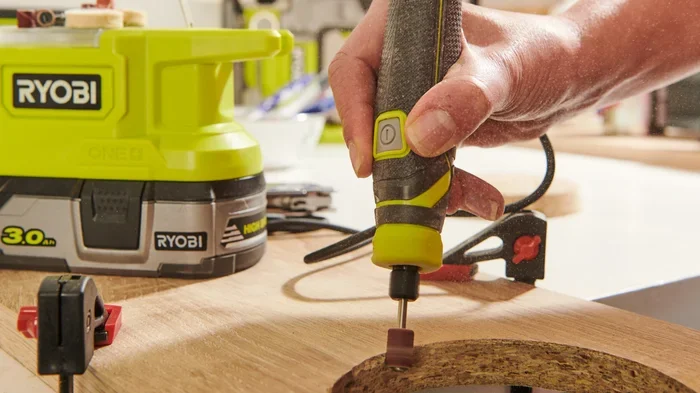
Woodworking is one of the most popular applications for rotary tools. The precision these tools offer is hard to match with traditional hand tools. You can carve intricate designs into wood, smooth rough edges, drill tiny holes, and even create decorative patterns. For anyone passionate about DIY woodworking, a rotary tool becomes an extension of the hand.
Wood carving with a rotary tool feels almost effortless once you get the hang of it. The high-speed rotation allows you to shape wood quickly without exhausting your wrist. You can work on small details like lettering, patterns, or textured surfaces that would take hours with hand chisels. Many woodworkers also use rotary tools for shaping wood on small projects like spoons, figurines, and decorative plaques.
Crafting Possibilities You Might Not Expect
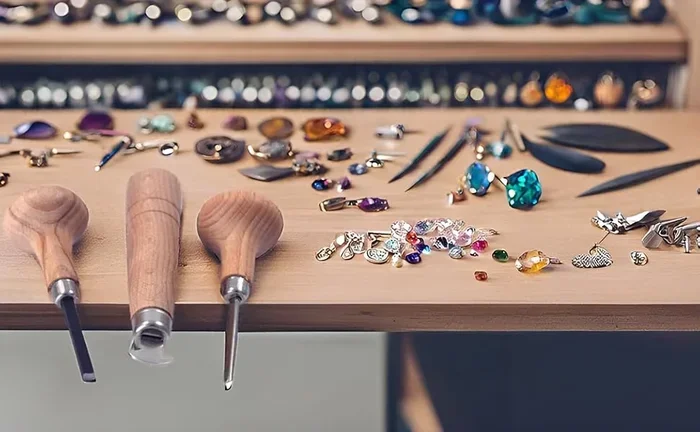
Crafts are where rotary tools truly shine. The precision and control make them perfect for jewelry making, scrapbooking, pottery detailing, and mixed media art. If you enjoy DIY projects that involve small, detailed work, a rotary tool will become your best friend. Craft enthusiasts use these tools for everything from etching designs on glass to adding texture to clay projects.
One of the most popular rotary tool kit uses in crafting is engraving. You can personalize gifts, create custom jewelry pieces, or add unique designs to any surface. The variety of engraving bits available means you can achieve fine lines, bold strokes, or textured patterns. Glass engraving, in particular, has become a trendy craft, and a rotary tool makes it surprisingly accessible for beginners.
Top Rotary Tool Kit Uses for Woodworking
Woodworking is a broad category, and a rotary tool fits into many aspects of it. Let us break down the most common and valuable applications. Each of these rotary tool kit uses will help you understand why so many woodworkers consider this tool essential.
Sanding and Smoothing
Sanding is one of the most time-consuming parts of any woodworking project. A rotary tool with a sanding attachment makes this process faster and more precise. You can reach tight corners, curves, and small surfaces that sandpaper alone cannot handle easily. The different grit sizes of sanding drums and bands mean you can go from rough shaping to a smooth finish in one setup.
For DIY woodworking enthusiasts, rotary sanding attachments are a game changer. They save significant time and produce much more consistent results than hand sanding. Whether you are working on a small box, a wooden toy, or a decorative sign, the sanding capability alone justifies owning a rotary tool.
Cutting and Shaping
Cutting small pieces of wood with precision is another area where rotary tools excel. With the right cutting wheel or blade attachment, you can make detailed cuts that would be very difficult with a standard saw. This is especially useful for wood carving projects where you need to remove specific material in controlled areas.
Shaping wood with a rotary tool allows for creative freedom that other tools cannot match. You can round edges, create concave surfaces, or carve away material to reveal a design. Many woodworkers use rotary tools for detail work on furniture pieces, decorative items, and custom signs. The ability to control the speed means you can work gently on delicate areas or power through tougher spots.
Drilling Precision Holes
While a standard drill handles most hole-making tasks, a rotary tool shines when you need very small, precise holes. Mini drill bits designed for rotary tools allow you to create tiny openings for jewelry, inlay work, or decorative details. The compact size of the tool means you can hold it steady and drill exactly where you want without accidentally damaging surrounding areas.
This capability is especially valuable for woodworking projects that involve inlay or marquetry. You need clean, small holes to set inlays or decorative elements, and a rotary tool delivers that precision consistently. Hobbyists working on miniature models or small wooden gifts also appreciate this feature greatly.
Burning and Engraving Designs
Wood burning, also known as pyrography, pairs beautifully with rotary tool work. While a separate wood burning tool handles the actual burning, a rotary tool prepares the surface and can even create engraved outlines before burning. This combination of rotary tool kit uses allows for incredibly detailed and professional-looking finished pieces.
Engraving wood with a rotary tool is another popular application. You can carve text, patterns, or images directly into the wood surface. The variety of engraving bits lets you choose the perfect width and shape for your design. Many crafters use this technique for personalized gifts, custom signage, and decorative wall art.
Rotary Tool Kit Uses for Crafts and Hobby Projects
The crafting world has embraced rotary tools for good reason. These compact devices bring professional-level precision to hobby projects of all kinds. Let us explore some of the most creative and practical rotary tool kit uses for crafters.
Jewelry Making and Beadwork
Jewelry makers use rotary tools for drilling holes in beads, stones, and metal. A hobby rotary tool with the right bit can create clean, precise holes in materials that would otherwise crack or shatter under pressure. This opens up possibilities for custom beadwork, wire wrapping, and stone setting that elevate handmade jewelry to a professional level.
Beyond drilling, rotary tools help with shaping and polishing jewelry components. You can smooth rough edges on metal blanks, carve designs into pendant blanks, or polish finished pieces to a high shine. The versatility of a rotary tool means you handle multiple steps of the jewelry-making process with one device.
Glass and Ceramic Projects
Working with glass and ceramic requires tools that offer control and precision. Rotary tools excel in this area. You can etch designs on glass surfaces, drill holes in glass beads, and shape ceramic pieces during the drying process. These crafting accessories make glass and ceramic work accessible to hobbyists who might otherwise avoid these materials.
Glass engraving has become a popular trend, and a rotary tool makes it achievable at home. With the right diamond-tipped bit, you can create beautiful frosted designs on glassware, vases, and decorative pieces. Ceramic artists also use rotary tools for trimming pots, smoothing seams, and adding texture to clay before firing.
Leather Working and Fabric Arts
Leather crafters benefit enormously from rotary tools. You can cut leather cleanly, emboss designs, and punch holes for stitching. The precision of a rotary tool means your leather projects look polished and professional. Fabric artists use rotary tools for similar purposes, including creating texture on fabric and cutting intricate patterns.
The power tool kit versatility extends to mixed media projects too. Crafters who combine wood, leather, fabric, and found objects in a single piece appreciate having a rotary tool that handles so many material types. This flexibility makes the tool a staple in any well-equipped craft studio.
Essential Attachments That Expand Rotary Tool Kit Uses
The real power of a rotary tool comes from its attachments. Each accessory unlocks new capabilities and expands your range of projects. Here is a look at the most important attachments every rotary tool kit should include.
| Attachment Type | Primary Use | Best For |
|---|---|---|
| Sanding Drums | Smoothing wood, shaping edges | Woodworking, furniture detail work |
| Cutting Wheels | Precision cutting in wood and plastic | Small cuts, notching, trimming |
| Engraving Bits | Carving designs and text | Personalized gifts, signage |
| Polishing Pads | Shining metal, wood, and plastic | Jewelry, finished pieces |
| Carving Burrs | Removing material and shaping | Wood carving, sculpting |
| Drill Bits | Making precise holes | Jewelry, inlay work |
| Buffing Wheels | High-gloss finishing | Metalwork, wax finishing |
| Flame-Style Polishing Tips | Polishing small surfaces | Metal jewelry, small hardware |
Investing in a quality set of rotary attachments is just as important as choosing the right rotary tool itself. Starter kits usually include a few basic attachments, but serious hobbyists quickly expand their collection. The beauty is that attachments are relatively affordable and dramatically increase the range of rotary tool kit uses you can explore.
Quick Tips for Choosing Attachments
- Match the attachment to the material: Use diamond-coated bits for glass and stone, carbide bits for wood, and felt pads for polishing.
- Start with a starter set: Before buying individual attachments, get a basic set to discover which types you use most often.
- Check compatibility: Not all attachments fit all rotary tools. Verify the collet size matches your specific model before purchasing.
- Buy quality over quantity: A smaller set of high-quality attachments outperforms a large collection of cheap ones.
Common Mistakes to Avoid with Rotary Tools
Even though rotary tools are user-friendly, beginners often make mistakes that slow their progress or damage their workpieces. Knowing what to avoid helps you get better results faster and protects both your tool and your projects.
Applying Too Much Pressure
The most common mistake beginners make is pressing too hard against the workpiece. Rotary tools are designed to do the work at high speed. Forcing them into the material causes overheating, slows the tool down, and can damage the attachment or the project. Let the tool do the work and apply only gentle, steady pressure.
This mistake is especially common during wood carving and detail work. When you want to remove material quickly, the temptation to push harder is strong. Instead, make multiple light passes. You will get better results and extend the life of your attachments significantly.
Using the Wrong Speed
Every rotary tool offers variable speed settings for a reason. Different materials and attachments require different speeds. Using too high a speed on delicate materials can burn or crack them. Using too low a speed on hard materials causes friction buildup and poor results. Always check the recommended speed for your specific attachment and material combination.
For example, polishing works best at lower speeds, while cutting and carving need higher speeds. Understanding this relationship is key to getting the most out of your rotary tool kit uses. Most tool manufacturers provide speed guides that are well worth reading before you start a new project.
Neglecting Safety
Rotary tools spin at thousands of RPM, which means safety should always come first. Wearing safety glasses protects your eyes from flying debris. A dust mask keeps fine particles out of your lungs. And keeping your hands away from the spinning attachment prevents injuries. These simple precautions make a huge difference in how safe and enjoyable your crafting experience remains.
Another safety point many people overlook is securing your workpiece. Holding small pieces in your hand while a rotary tool spins on them is risky. Use a clamp or a vise whenever possible, especially during cutting or carving operations. A secure workpiece gives you better control and much safer results.
Expert Tips to Get the Most from Your Rotary Tool Kit
Experienced crafters and woodworkers have learned a few tricks over the years that can save beginners a lot of trial and error. These expert insights help you accelerate your learning curve and enjoy better results from day one.
Start with Practice Pieces
Before working on your actual project, practice on scrap pieces of the same material. This lets you test different speeds, attachments, and pressure levels without risking your finished piece. Practice is especially valuable for rotary tool kit uses like engraving and carving, where technique matters a lot.
Many experienced woodworkers keep a dedicated practice board near their workbench. They use it to test new bits, try new techniques, and warm up before starting a serious project. This simple habit improves your skills and prevents costly mistakes on real workpieces.
Keep Your Tool Clean and Maintained
Regular maintenance keeps your rotary tool performing at its best. After each use, clean the tool body, remove debris from the collet, and inspect attachments for wear. A clean tool runs cooler, lasts longer, and produces better results. Storing your rotary tool in a protective case also prevents damage to the attachments and the motor.
For hobby rotary tool users, maintenance is simple but important. Wipe down the tool after each session, check the collet nut for tightness, and lubricate any moving parts as recommended by the manufacturer. These small habits add up to years of reliable performance.
Build Your Skills Gradually
Do not try to master every rotary tool kit uses at once. Start with basic sanding and drilling, then gradually explore carving, engraving, and polishing as your confidence grows. Each new skill builds on the previous ones, and before you know it, you will be tackling complex projects with ease.
The learning curve for rotary tools is gentle but rewarding. Most people feel comfortable with basic operations within the first hour of practice. As you experiment with different attachments and techniques, your creative possibilities expand dramatically. The key is patience and curiosity. Enjoy the process of learning, and the results will follow.
Organize Your Attachments Smartly
A rotary tool kit can quickly accumulate a large collection of attachments. Without proper organization, finding the right bit becomes frustrating and slows down your workflow. Invest in a small storage case or a magnetic organizer that keeps all your attachments sorted and accessible.
Many crafters label their storage containers by attachment type. This makes setup for a new project quick and efficient. When your attachments are organized, you spend more time creating and less time searching for the right accessory. This small step makes a surprisingly big difference in your overall experience.
Conclusion
Rotary tool kit uses go far beyond what most people initially imagine. From detailed woodworking projects to intricate crafts and hobby creations, a rotary tool is one of the most versatile and valuable tools you can own. The ability to sand, carve, cut, engrave, polish, and drill with a single device makes it an essential addition to any DIY workspace.
Whether you are a complete beginner or an experienced maker looking to expand your toolkit, a rotary tool kit delivers real value. The key is to start simple, practice safely, and gradually explore new attachments and techniques. With the right approach, you will discover just how creative and productive these tools can be. Start your next project with a rotary tool in hand, and you will wonder how you ever managed without one.
Frequently Asked Questions
What are the most common rotary tool kit uses for beginners?
Beginners typically start with sanding, drilling small holes, and basic shaping. These tasks are easy to learn and give immediate satisfying results. As confidence grows, you can explore carving, engraving, and polishing with different attachments.
Can a rotary tool replace other power tools in a workshop?
A rotary tool handles many tasks that would otherwise require separate tools, but it does not replace larger tools like table saws or routers. Think of it as a complement to your workshop that fills gaps for detail work and precision tasks.
Is a rotary tool kit worth the investment for casual crafters?
Absolutely. Rotary tool kits are affordable, and the range of projects you can tackle with one device is impressive. Even casual crafters find that a rotary tool opens up creative possibilities they did not have before.
What materials can I work with using rotary tool kit uses?
You can work with wood, plastic, metal, glass, ceramic, leather, and even some soft stones. The right attachment for each material ensures clean, safe results. Always check the manufacturer’s recommendations for your specific rotary tool model.
How do I maintain my rotary tool for long-term use?
Clean the tool after each use, check the collet for debris, inspect attachments for wear, and store everything in a protective case. Regular maintenance keeps the tool running smoothly and extends its lifespan significantly.
What speed should I use for different rotary tool kit uses?
Lower speeds work best for polishing and delicate engraving, while higher speeds are ideal for cutting and aggressive carving. Most rotary tools include a speed guide with recommended settings for different materials and attachments.