Best Solar Powered Generator for Reliable Home Power
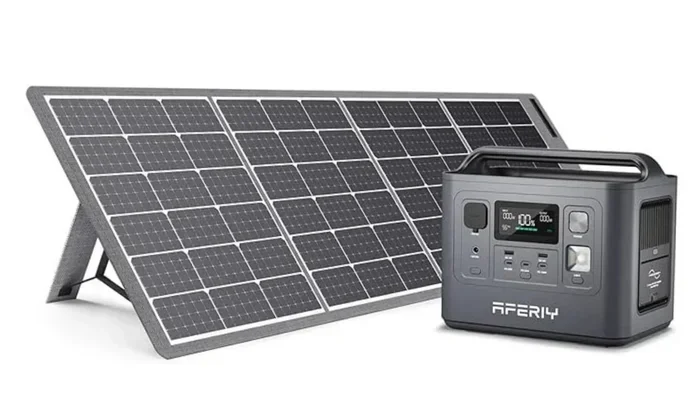
A solar powered generator is a clean, quiet, and cost-effective way to keep your home running during outages or off-grid. Unlike fuel generators, solar generators use sunlight to produce electricity, making them eco-friendly and low-maintenance. This guide breaks down the top options, key features to look for, and practical tips to help you choose the best solar powered generator for your home.
Key Takeaways
- Solar powered generators offer clean, renewable energy that reduces your reliance on fossil fuels and lowers electricity bills over time.
- Top features to consider include battery capacity, wattage output, and portability when choosing a solar generator for home use.
- The best solar generators pair well with solar panels to create a self-sustaining power system for your household.
- Solar generators are ideal for emergency backup power during outages, storms, and other unexpected events.
- Maintenance is minimal compared to traditional fuel-based generators, making solar options a smart long-term investment.
- Cost savings add up quickly since solar energy is free once you have the initial equipment in place.
📑 Table of Contents
- Why a Solar Powered Generator Is a Smart Choice for Your Home
- How Does a Solar Powered Generator Work?
- Key Features to Look for in the Best Solar Powered Generator
- Top Solar Powered Generators for Home Use
- Solar Powered Generator vs. Traditional Fuel Generator
- Tips for Getting the Most Out of Your Solar Powered Generator
- Common Mistakes to Avoid When Buying a Solar Generator
- Expert Insights on Solar Generator Reliability
- Final Thoughts on Choosing the Best Solar Powered Generator
Why a Solar Powered Generator Is a Smart Choice for Your Home
Power outages are more common than most people think. Storms, grid failures, and even planned blackouts can leave your home in the dark for hours or days. A solar powered generator gives you a reliable backup that runs on sunlight. No fuel. No noise. No fumes.
More homeowners are turning to renewable energy solutions, and for good reason. Solar generators are quiet, clean, and incredibly efficient. They let you maintain energy independence even when the grid goes down. Whether you live in a city apartment or a rural cabin, there is a solar generator that fits your needs.
The beauty of a solar generator system is its simplicity. You set up solar panels, store energy in a battery, and use that stored power whenever you need it. It is one of the easiest ways to bring clean energy into your daily life.
Unlike a traditional electrical generator that burns gasoline or propane, a solar generator produces no emissions. This makes it a great choice for environmentally conscious homeowners. You get reliable power without harming the planet.
How Does a Solar Powered Generator Work?
Understanding how a solar powered generator works helps you make a smarter buying decision. The system has three main parts: solar panels, a charge controller, and a battery bank.
The Solar Panels
Solar panels capture sunlight and convert it into direct current (DC) electricity. The more sunlight your panels receive, the more energy they produce. Panel size and efficiency vary, so you want to choose panels that match your power needs.
The Charge Controller
A charge controller manages the flow of electricity from the panels to the battery. It prevents overcharging and protects your battery life. Think of it as the brain of your solar power system.
The Battery Bank
The battery stores the energy your panels collect. Most solar generators use lithium-ion batteries because they are lightweight, long-lasting, and hold a strong charge. When you need power, the battery sends electricity through an inverter, which converts DC power into alternating current (AC) power for your home.
Key Features to Look for in the Best Solar Powered Generator
Not all solar generators are created equal. Some are built for camping trips, while others can power an entire home. Here are the features that matter most when you are shopping for a solar powered generator.
Battery Capacity
Battery capacity is measured in watt-hours (Wh). The higher the Wh rating, the more devices and appliances you can run. For basic emergency power, look for at least 1,000 Wh. If you want to run essential home systems like lights, a fridge, and a fan, aim for 2,000 Wh or more.
Wattage Output
Wattage output determines what you can plug in and run at the same time. A generator with 1,500 to 3,000 watts of continuous output can handle most household essentials. Check the surge wattage too, since some appliances need a power boost when starting up.
Portability
If you plan to move your generator around, look for a lightweight design with built-in handles or wheels. Many portable solar generators weigh between 30 and 60 pounds, making them easy to reposition as needed.
Solar Panel Compatibility
Make sure your generator can connect to external solar panels. This lets you recharge the battery during the day for use at night. Some brands sell panel kits separately, so check compatibility before you buy.
Noise Level
One of the biggest advantages of a solar powered generator is how quiet it is. Traditional fuel generators can be painfully loud. Solar generators run almost silently, which is a huge plus for residential areas.
Port Options
Look for generators with multiple port types: AC outlets, USB-A, USB-C, and DC ports. The more options you have, the more devices you can charge or power at once.
Top Solar Powered Generators for Home Use
Here are some of the top-rated solar generators that deliver reliable home power. Each one offers a different balance of capacity, portability, and price.
Jackery Explorer 2000 Pro: This generator offers 2,160 Wh of capacity and 2,200 watts of output. It charges fully in about 2.5 hours with compatible solar panels. It is perfect for running fridge, lights, and small electronics during an outage.
EcoFlow Delta 2: With 1,024 Wh and 1,800 watts of output, this is a solid mid-range option. It features a fast-charging battery and multiple output ports. It is lightweight and easy to move around.
Bluetti AC200MAX: This is a powerhouse at 2,048 Wh with 2,200 watts of output. It supports expansion batteries, so you can scale up capacity as your needs grow. Great for extended power outages or off-grid living.
Goal Zero Yeti 3000X: Offering 3,032 Wh of storage, this generator can keep essential home systems running for days. It is ideal for larger households or homes with higher power demands.
Solar Powered Generator vs. Traditional Fuel Generator
When you need backup power, you have two main choices: a solar powered generator or a traditional fuel generator. Both have pros and cons. Let us break them down.
| Feature | Solar Generator | Fuel Generator |
|---|---|---|
| Fuel Source | Sunlight (free) | Gasoline, propane, or diesel (costs money) |
| Noise Level | Very quiet | Loud and disruptive |
| Emissions | Zero emissions | Produces harmful fumes |
| Maintenance | Very low | Regular oil changes and fuel storage needed |
| Running Cost | Nearly free after setup | Ongoing fuel costs add up |
| Portability | Most models are lightweight | Often heavy and bulky |
| Power Output | Moderate to high | Can be very high |
A fuel generator might give you more raw power, but a solar powered generator wins on convenience, cost, and environmental impact. For most homeowners, the solar option is the smarter long-term investment. You can learn more about how much natural gas a generator uses to understand the ongoing fuel costs of traditional options.
Also, consider how long your generator battery lasts between charges. Solar generators can hold a charge for months when not in use, which makes them perfect for emergency preparedness. Check out our guide on how long a generator battery lasts for more details on battery longevity.
Tips for Getting the Most Out of Your Solar Powered Generator
Owning a solar generator is only half the battle. You need to use it right to get the best results. Here are some practical tips to help you maximize your solar power system.
Position Your Panels for Maximum Sunlight
Place your solar panels in a spot that gets direct sunlight for most of the day. Avoid shading from trees, buildings, or other obstructions. South-facing panels in the Northern Hemisphere receive the most sunlight throughout the year.
Monitor Your Battery Levels
Keep an eye on how much charge your battery has left. Most generators come with a built-in display or app that shows battery status. Try to keep your battery above 20% to extend its lifespan.
Prioritize Essential Devices
During a power outage, focus on running essential devices first. Lights, a refrigerator, a fan, and phone chargers should be your top priorities. You can always add more devices if you have extra capacity.
Recharge During the Day
Even on cloudy days, your panels will still produce some energy. Make it a habit to recharge your generator during daylight hours so it is ready when you need it most.
Perform Regular Maintenance
Keep your panels clean and check all connections regularly. Dust, dirt, and debris can reduce panel efficiency. A quick wipe-down every few weeks goes a long way.
Common Mistakes to Avoid When Buying a Solar Generator
Buying a solar generator is a big decision. Avoid these common mistakes so you end up with a system that truly meets your needs.
- Underestimating your power needs: Calculate the total wattage of the devices you want to run. Choose a generator with enough capacity to handle that load comfortably.
- Ignoring battery type: Lithium-ion batteries outperform lead-acid batteries in almost every way. They last longer, charge faster, and are lighter.
- Skipping the charge controller: A good charge controller protects your battery and ensures efficient charging. Do not skip this component.
- Buying cheap panels: Low-quality panels produce less energy and degrade faster. Invest in reliable, high-efficiency panels for the best results.
- Not checking warranty and support: A solid warranty gives you peace of mind. Look for generators with at least a 2-year warranty and responsive customer support.
Expert Insights on Solar Generator Reliability
Experts in renewable energy agree that solar generators are one of the most reliable backup power solutions available today. They require fewer moving parts than fuel generators, which means fewer things can go wrong. According to industry analysts, the solar generator market has grown significantly in recent years as technology improves and prices drop.
If you are serious about energy independence, a solar generator is a fantastic starting point. Pair it with a quality set of solar panels and you have a self-sustaining power system that works silently in the background. For those who want to dig deeper into generator testing and performance benchmarks, there are many resources available to help you compare models side by side.
When sizing your system, think about how much backup power you actually need. A smaller unit might be perfect for a weekend camping trip, while a larger system can keep your entire home running during a multi-day outage. The key is matching your generator to your real-world needs rather than buying more than you need.
Final Thoughts on Choosing the Best Solar Powered Generator
A solar powered generator is one of the best investments you can make for your home. It provides clean, quiet, and reliable power whenever you need it. Whether you are preparing for emergencies, reducing your electricity bills, or embracing a greener lifestyle, a solar generator delivers real value.
Take the time to compare options, understand your power needs, and choose a system that fits your budget and lifestyle. The right solar generator will give you peace of mind and energy independence for years to come. Start exploring your options today and enjoy the benefits of renewable energy at home.
For more information on generator options and sizing, check out our guide on how big of a backup generator you need to make sure you are fully prepared for any situation.
Frequently Asked Questions
What is the best solar powered generator for home use?
The best solar powered generator depends on your power needs and budget. Popular options include the Jackery Explorer 2000 Pro, EcoFlow Delta 2, and Bluetti AC200MAX. Each offers a different balance of capacity, portability, and price to suit various household sizes and energy demands.
How long does a solar powered generator last?
Most solar generators last between 5 and 10 years with proper care. The battery is the main component that wears out over time. Lithium-ion batteries typically handle 500 to 1,000 charge cycles before their capacity starts to decline noticeably.
Can a solar generator power an entire house?
Yes, but it depends on the generator’s capacity and your home’s energy usage. High-capacity models like the Bluetti AC200MAX or Goal Zero Yeti 3000X can power essential home systems for extended periods. For full-home coverage, you may need multiple generators or a larger solar panel setup.
How much does a solar powered generator cost?
Prices range from about $500 for small portable units to over $3,000 for high-capacity home generators. The cost depends on battery size, wattage output, and panel compatibility. Keep in mind that solar energy is free, so you save money on fuel over time.
Do solar generators work on cloudy days?
Yes, solar generators still produce energy on cloudy days, though at a reduced rate. Cloud cover slows down the charging process, but the panels continue to capture available light. For best results, position your panels in the sunniest spot available and recharge during daylight hours whenever possible.
Is a solar generator better than a fuel generator?
For most homeowners, a solar generator is the better choice. It is quieter, produces no emissions, requires minimal maintenance, and runs on free solar energy. Fuel generators are louder, need regular maintenance, and produce ongoing fuel costs. Solar generators are the smarter long-term investment for clean and reliable home power.