What Causes AC Compressor to Lock Up and How to Fix It
An AC compressor lock up happens when the motor seizes and stops spinning, leaving your home uncomfortably hot. Common causes include low refrigerant, electrical failures, overheating, and worn-out parts. This guide walks you through every cause, fix, and prevention tip so you can get your cooling system running again.
Your air conditioner is blowing warm air. You walk outside and listen closely. The outdoor unit is dead quiet. No humming. No clicking. Nothing. That silence usually means one thing: your AC compressor lock up has struck. It is a frustrating experience, especially during a heat wave. But here is the good news. Most causes are fixable, and many are preventable.
In this guide, we break down exactly what causes an AC compressor to lock up. We also walk you through every fix, from simple DIY checks to pro-level repairs. Whether you are a homeowner trying to save money or a curious renter, this article has you covered. Let us get your cooling system back to life.
Key Takeaways
- Low refrigerant is the #1 cause: It forces the compressor to work harder and eventually lock up.
- Electrical failures matter too: Bad capacitors, contactors, and wiring can kill your compressor fast.
- Overheating is a silent killer: Dirty coils and blocked airflow cause heat buildup that seizes the motor.
- You can often prevent lock ups: Regular maintenance catches small problems before they become big ones.
- DIY fixes exist for simple issues: But serious mechanical failures need a licensed HVAC pro.
- Quick action saves money: Ignoring a locked compressor can lead to a full system replacement.
📑 Table of Contents
What Does It Mean When an AC Compressor Locks Up?
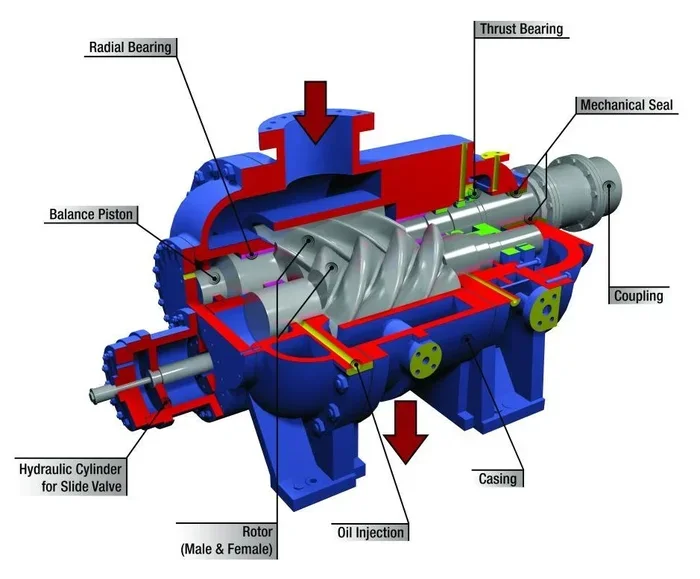
Think of your AC compressor as the heart of your cooling system. It pumps refrigerant through the coils, moving heat from inside your home to the outside. When the compressor locks up, that heart stops beating. The motor seizes, and the unit cannot run.
A locked compressor means one of two things. Either the motor has burned out completely, or something is physically blocking the moving parts. Both situations stop airflow and kill your cooling power. The result is a stuffy house and a big repair bill if you ignore it.
Sometimes a lock up happens suddenly. Other times, it builds over weeks of strain. Understanding the warning signs early can save you from a total breakdown. Let us look at the most common causes next.
Common Causes of AC Compressor Lock Up
Several things can cause your compressor to seize. Some are simple electrical issues. Others involve mechanical wear or refrigerant problems. Here are the top culprits.
1. Low Refrigerant Levels
Your AC needs the right amount of refrigerant to work properly. When the level drops too low, the compressor has to strain harder to push the remaining refrigerant through the system. This extra pressure builds up over time.
Eventually, the motor overheats and locks. Low refrigerant usually means you have a leak somewhere in the line. Common leak spots include:
- Copper line connections
- The evaporator coil
- The condenser coil
- Service valve fittings
If you notice ice forming on your refrigerant lines, that is a red flag. It means the refrigerant is low and the system is struggling. A professional can patch the leak and recharge the system before permanent damage sets in.
2. Electrical Failures
Electrical problems are among the sneakiest causes of compressor lock up. Your compressor relies on a steady flow of power to run smoothly. When that flow gets interrupted or overloaded, the motor stalls and seizes.
Common electrical culprits include:
- Bad capacitor: The capacitor gives the compressor motor a boost to start. A failing capacitor causes hard starting, which stresses the motor over time.
- Worn contactor: The contactor is a switch that sends power to the compressor. When it wears out, it can send inconsistent voltage.
- Wiring issues: Loose or corroded wires create resistance. That resistance generates heat and can damage the compressor motor.
- Power surges: Lightning strikes or grid fluctuations can send a voltage spike that fries compressor windings instantly.
If you live in an area with frequent power issues, you might want to install a surge protector. Some homeowners also use a whole house generator to keep their HVAC system running during outages without the stress of unstable power.
3. Overheating
Heat is the compressor enemy. When the unit cannot dissipate heat properly, internal temperatures climb until the motor seizes. Overheating usually happens because of poor airflow or dirty components.
Here is what blocks airflow and causes overheating:
- Clogged air filters
- Dirty condenser coils
- Debris around the outdoor unit
- Blocked return vents
- Failing outdoor fan motor
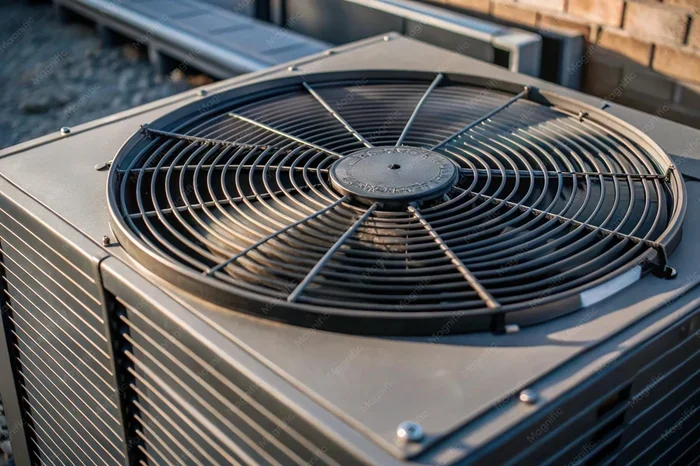
Your outdoor unit needs clear space on all sides to pull in air. Trim back any bushes, leaves, or furniture that crowd the area. A clean coil transfers heat efficiently. A dirty coil traps heat and raises internal temperatures until the compressor gives up.
During hot summer days, your system already works overtime. Overheating becomes even more likely when temperatures soar above 95 degrees Fahrenheit. Keep your unit clean and well-ventilated to reduce this risk.
4. Mechanical Wear and Failures
Compressors have many moving parts. Bearings, pistons, and valves all wear down over time. When internal components degrade, friction increases until the motor can no longer turn the shaft. This is called mechanical seizure.
Common mechanical causes include:
- Worn bearings: Bearings support the rotating shaft. When they wear out, the shaft binds and the motor stalls.
- Internal valve failure: Valves control refrigerant flow. A broken valve creates backpressure that the compressor cannot overcome.
- Debris inside the unit: Metal shavings from worn parts can circulate and jam internal components.
- Lack of lubrication: Without proper oil, moving parts grind against each other and lock.
Mechanical failures often come with warning signs. You might hear grinding noises or feel excessive vibration before the compressor locks up completely. These sounds deserve your attention.
5. Refrigerant Contamination
Not all refrigerant problems involve low levels. Sometimes the refrigerant itself becomes contaminated. Moisture, acids, or debris can mix into the refrigerant and circulate through the system.
Contaminated refrigerant causes several problems:
- It corrodes internal compressor components
- It creates acid that eats away at wiring and insulation
- It reduces cooling efficiency
- It causes the compressor to run hotter than normal
Moisture usually enters the system during improper installation or servicing. This is why you should always hire a licensed HVAC technician for any refrigerant-related work. Contamination often leads to complete compressor failure if left unchecked.
6. Hard Starting Problems
Hard starting means the compressor struggles to turn on. It might click, hum, or shake before starting. Each hard start puts extra stress on the motor windings and the start components.
Over time, hard starting wears out the compressor. Common reasons for hard starting include:
- A weak or failing start capacitor
- Low refrigerant causing insufficient pressure
- Worn compressor motor windings
- High head pressure from a dirty condenser
If your unit takes multiple attempts to start, do not ignore it. That repeated stress is a ticking time bomb. A technician can test the start components and recommend replacements before a full lock up occurs.
How to Diagnose a Locked AC Compressor
Before you call a repair tech, you can run a few basic checks yourself. These steps help you confirm the lock up and rule out simple issues.
Step 1: Check the power supply. Go to your breaker box and make sure the AC breaker has not tripped. Reset it if needed. If it trips again immediately, you have an electrical problem.
Step 2: Listen carefully. Stand near the outdoor unit and listen. A locked compressor will be completely silent when it tries to start. You might hear a single click from the contactor, but no humming or running sound.
Step 3: Check the capacitor. The capacitor looks like a small cylinder on the compressor. If it is bulging, leaking, or looks swollen, it has failed. A bad capacitor is one of the easiest and cheapest fixes.
Step 4: Try the hard start kit. A hard start kit gives the compressor an extra boost. If the compressor starts with the kit but fails without it, the original capacitor was the problem.
Step 5: Check for mechanical binding. Turn off the power. Try to spin the fan blade by hand (carefully). If it does not move freely, something is mechanically jammed inside the compressor. This usually means the compressor needs replacement.
If these steps point to an electrical issue, you might also want to check your home’s overall electrical setup. Problems with your generator wiring or power distribution can sometimes put extra stress on your HVAC system during outages.
How to Fix a Locked AC Compressor
The fix depends entirely on what caused the lock up. Some repairs are simple and affordable. Others require a full compressor replacement. Here is what each scenario looks like.
Fix 1: Recharge the Refrigerant
If low refrigerant caused the lock up, a technician will need to find and repair the leak first. They will then evacuate the system, pull a vacuum, and recharge it with the correct refrigerant amount. This fix typically costs between $200 and $500, depending on the leak location.
Always ask the tech to check your refrigerant levels during annual maintenance. Catching a small leak early prevents the compressor from ever reaching a locked state.
Fix 2: Replace the Capacitor or Contactor
If an electrical component failed, replacing it is usually straightforward. A new capacitor costs around $10 to $30, and a contactor runs $20 to $50. The total repair with labor usually stays under $200.
These are quick fixes that do not require replacing the compressor. However, a failed capacitor can sometimes signal deeper electrical issues in the system. Have the tech check the wiring and voltage while they are there.
Fix 3: Clean or Repair the Condenser Unit
If overheating caused the lock up, cleaning the condenser coils and improving airflow often solves the problem. You can hose down the outdoor unit yourself. Just make sure the power is off first.
Trim any vegetation back at least two feet from the unit. Clean or replace your air filters every one to three months. Check that all supply vents are open and unblocked. These simple steps keep your compressor running cool.
During maintenance, you can also check the generator size needed for your refrigerator and other appliances to make sure your home’s electrical capacity supports your HVAC system during peak usage.
Fix 4: Replace the Compressor
When mechanical failure or contamination causes the lock up, the compressor usually needs full replacement. This is the most expensive repair, typically costing $1,200 to $2,500 including labor.
Here is the tough part. If your compressor is more than 10 years old, a new compressor might not make financial sense. In that case, replacing the entire outdoor unit or even the full system could be the better option. Your HVAC tech can help you weigh the costs and benefits.
Some homeowners worry about the downtime during a compressor replacement. While you wait for the repair, a portable portable generator can keep your home livable during extreme heat. Just make sure the generator is properly sized for your needs.
How to Prevent AC Compressor Lock Up
Prevention is always cheaper than repair. A few simple habits can keep your compressor running smoothly for years. Here is what you should do.
- Change your air filters regularly. Dirty filters restrict airflow and cause the system to overwork. Replace them every one to three months.
- Schedule annual professional maintenance. A tech can spot small issues before they become compressor-killing problems.
- Keep the outdoor unit clean. Remove debris, wash the coils, and ensure at least two feet of clearance around the unit.
- Monitor your refrigerant levels. Ask your tech to check for leaks during each service call.
- Install a surge protector. Power spikes are one of the fastest ways to destroy a compressor motor.
- Do not ignore warning signs. Strange noises, warm air, or frequent cycling all deserve immediate attention.
- Keep your thermostat settings reasonable. Setting the temperature too low on hot days forces the compressor to run continuously without rest.
These prevention steps take minimal effort but pay off big. A well-maintained compressor can last 15 to 20 years. A neglected one might fail in half that time.
When Should You Call a Professional?
Not every fix is a DIY job. You should call a licensed HVAC technician in these situations:
- The compressor has completely locked up and will not start
- You smell burning or see scorch marks on the unit
- You have refrigerant leaks that require EPA-certified handling
- The compressor has been replaced before and locked up again
- You are not comfortable working with electrical components
Trying to fix a locked compressor without proper training can be dangerous. Electrical components carry high voltage, and refrigerant handling requires certification. A professional has the tools, knowledge, and safety equipment to do the job right.
That said, basic maintenance like cleaning coils and changing filters is perfectly safe for most homeowners. Staying proactive with these tasks reduces your chances of ever facing a locked compressor.
Final Thoughts on AC Compressor Lock Up
A locked AC compressor is stressful, but it is not the end of the world. Most causes are identifiable and fixable. Low refrigerant, electrical failures, overheating, and mechanical wear all have clear solutions. The key is catching the problem early and acting quickly.
Regular maintenance is your best defense. It keeps your compressor running efficiently and extends its lifespan. When problems do arise, a quick response prevents minor issues from becoming expensive disasters. Your cooling system works hard for you every summer. Give it the care it deserves, and it will keep your home comfortable for years to come.
Stay on top of your HVAC health. Check your filters, listen for unusual sounds, and never ignore warning signs. A little attention today saves you from a sweltering tomorrow.
Frequently Asked Questions
Can a locked AC compressor fix itself?
No, a locked compressor will not fix itself. The seizure is caused by a specific issue like low refrigerant, electrical failure, or mechanical wear. Each of these requires a targeted repair. Ignoring the problem only makes it worse and can damage other parts of your system.
How much does it cost to fix a locked AC compressor?
Costs range widely depending on the cause. A capacitor replacement might cost $150, while a full compressor replacement can run $1,200 to $2,500. The best way to know your exact cost is to have a licensed tech diagnose the problem first.
Is it safe to keep running my AC if the compressor is locking up?
No, it is not safe. Running a compressor that is locking up can cause further damage to the motor windings and other components. It can also trip your breaker repeatedly, which creates a fire hazard. Turn the unit off and call a professional right away.
How long does a compressor replacement take?
A typical compressor replacement takes one to three days. The tech needs to recover the old refrigerant, remove the old compressor, install the new one, recharge the system, and test everything. If you need a full unit replacement, it may take longer.
Can dirty coils cause a compressor to lock up?
Yes, dirty coils absolutely contribute to compressor lock up. Dirty condenser coils trap heat and raise internal temperatures. Over time, this overheating stresses the compressor motor until it seizes. Clean your coils at least once a year to prevent this.
What is the average lifespan of an AC compressor?
A well-maintained AC compressor typically lasts 15 to 20 years. However, poor maintenance, power surges, and refrigerant issues can shorten that lifespan significantly. Regular servicing is the single best way to maximize your compressor’s longevity.
=== CONCLUSION ===
AC compressor lock up is a common but serious problem that every homeowner should understand. Low refrigerant, electrical failures, overheating, mechanical wear, contamination, and hard starting all lead to the same result: a seized compressor and a house with no cool air. The good news is that most causes are preventable with regular maintenance and quick attention to warning signs.
Use the fixes and prevention tips in this guide to keep your system running strong. When in doubt, always call a licensed HVAC professional. Your compressor is the most expensive single component in your AC system. Protect it, and it will protect your comfort for years to come.