Can a Bad AC Compressor Cause a Car to Stall Again
Yes, a bad AC compressor can absolutely cause a car to stall. When the compressor seizes, leaks refrigerant, or creates too much drag on the engine, it disrupts the balance your car needs to run smoothly. Understanding the signs early can save you from unexpected breakdowns and costly repairs.
You are driving down the road. The summer heat is brutal. You flip on the AC to cool down. Then suddenly, your engine dies. It is a scary moment. You wonder, can a bad AC compressor cause a car to stall? The short answer is yes. A failing AC compressor can absolutely cause your car to stall, and it happens more often than most people realize.
Your car’s air conditioning system puts a real load on the engine. When the AC compressor starts to fail, it creates extra strain. That strain can tip the balance and shut your engine down unexpectedly. Whether you are sitting at a red light or cruising on the highway, a stalling car is never fun. This guide breaks down exactly why this happens, what warning signs to watch for, and how to fix it.
If you have ever asked yourself, “Why does my car stall when I turn on the AC?” you are in the right place. We will walk through every possible cause in simple terms. No jargon. No confusing tech talk. Just clear, actionable information that helps you understand and solve the problem. Let us dive in.
Key Takeaways
- AC compressor failure can directly stall your engine by creating excessive load or locking the serpentine belt.
- Common symptoms include rough idle, dashboard warnings, and strange noises when the AC is turned on.
- Low refrigerant, worn bearings, and compressor lockup are the top culprits behind stalling issues.
- Regular maintenance and early detection can prevent minor AC problems from turning into major stalling events.
- DIY checks like listening for unusual sounds and inspecting belts can help you catch problems before they worsen.
- Professional diagnosis is recommended if you experience repeated stalling tied to your AC system.
📑 Table of Contents
- Understanding How Your AC Compressor Works
- Can a Bad AC Compressor Cause a Car to Stall
- Warning Signs Your AC Compressor Is Failing
- How to Diagnose AC Compressor Stalling
- Common Mistakes That Make Compressor Problems Worse
- How to Fix a Stalling Car Caused by a Bad AC Compressor
- Preventing AC Compressor Stalling in the Future
- When to See a Professional
- Final Thoughts
Understanding How Your AC Compressor Works
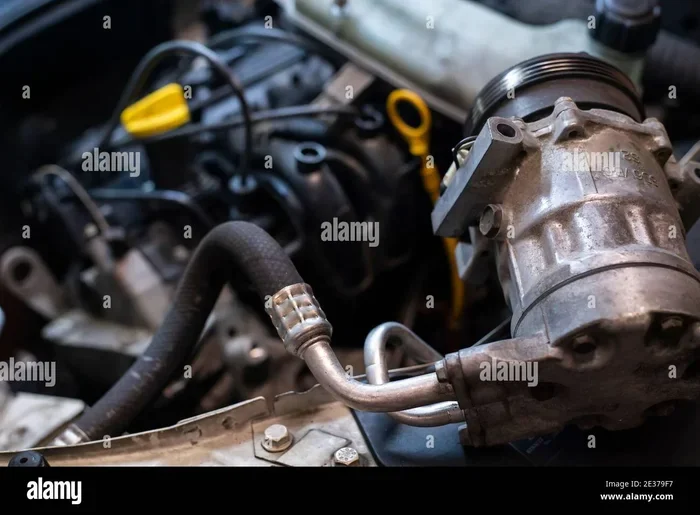
Before we get into the stalling part, it helps to understand what the AC compressor does. Think of it as the heart of your car’s air conditioning system. It pumps refrigerant through the lines. That refrigerant absorbs heat from inside your cabin. Then it releases that heat outside. The result? Cool air blows through your vents.
The compressor is powered by your engine. It uses a serpentine belt to spin. When you turn on the AC, the compressor clutch engages. The compressor starts working harder. This adds a small load to the engine. Normally, your car handles this easily. But when the compressor goes bad, that small load becomes a big problem.
Here is where things get tricky. A healthy compressor adds about 5 to 10 horsepower of load. That is nothing for a running engine. But a bad AC compressor can multiply that load many times over. A seized compressor can lock the belt entirely. A compressor with bad bearings can create grinding resistance. Either scenario can starve your engine of the power it needs to keep running.
Can a Bad AC Compressor Cause a Car to Stall
This is the big question. And the answer is a clear yes. A bad AC compressor can cause your car to stall in several ways. Let us look at each one so you understand the mechanics behind the problem.
Compressor Lockup
Compressor lockup is the most common cause of stalling. When the internal parts of the compressor seize up, the compressor stops spinning freely. Instead, it locks in place. The serpentine belt then tries to spin a solid metal block. This creates massive resistance on the engine. Your engine simply cannot overcome that resistance. It stalls out almost immediately.
This usually happens when the AC is turned on. You might hear a loud bang or a sudden stop. Then the engine dies. Compressor lockup often results from worn internal components. Lack of lubrication can also cause it. Over time, metal shavings build up inside the compressor. These shavings jam the pistons or rotors in place.
Excessive Drag on the Engine
Even before a full lockup, a failing compressor can create too much drag. The bearings inside the compressor wear out. The compressor starts to resist spinning. This resistance transfers through the serpentine belt to the engine crankshaft. Your engine now has to work much harder just to keep the compressor turning.
At idle, your engine is already running at low RPM. It has very little power to spare. Adding drag to that equation can be enough to tip it over the edge. The engine stalls. This is especially common in older cars or smaller engines. A compact car with a weak engine is more vulnerable than a powerful truck.
AC Clutch Failure
The AC clutch is responsible for engaging and disengaging the compressor. When you turn the AC on, the clutch connects the compressor to the engine. When you turn it off, the clutch disconnects. A failing clutch can get stuck in the engaged position. This means the compressor stays connected to the engine even when the AC is off.
A stuck clutch creates constant drag. Your engine never gets a break from the compressor load. Over time, this extra strain causes stalling. You might notice the problem gets worse when you are at a standstill. Idling with a stuck AC clutch is a recipe for disaster.
Refrigerant Pressure Problems
Your AC system relies on proper refrigerant pressure to function. When the compressor fails, it can cause pressure imbalances. Too much pressure on the high side or too little on the low side can trigger protective shutdowns. Some modern cars have pressure sensors that will shut down the engine if the AC system is not working correctly.
This is a safety feature. It prevents further damage to the system. But it also means your car can stall even if the compressor itself is not physically seized. The pressure sensor detects a problem and cuts the engine to protect other components. This is an indirect way a bad compressor causes stalling.
Warning Signs Your AC Compressor Is Failing
Catching a bad compressor early can save you from a frustrating stall. Watch for these warning signs. They often appear before the compressor completely fails.
- Loud grinding or squealing noises when the AC is turned on. This usually points to worn bearings inside the compressor.
- Reduced cooling performance. If your AC blows warm air, the compressor may not be pumping refrigerant properly.
- AC compressor clutch not engaging. If the clutch does not click when you turn on the AC, there could be an electrical or mechanical issue.
- Visible refrigerant leaks. Look for oily residue around the compressor fittings. This is a telltale sign of a refrigerant leak.
- Stalling at idle with AC on. This is the most direct sign that the compressor is creating too much drag.
- Dashboard warning lights. Some vehicles display a check engine light or AC-specific warning when pressure is abnormal.
- Hard starting. A failing compressor can make it harder to start the engine, especially in hot weather.
If you notice any of these symptoms, do not ignore them. A small problem today can turn into a stalled engine tomorrow. Addressing issues early keeps you safe and saves money on repairs.
How to Diagnose AC Compressor Stalling
Figuring out if your AC compressor is causing the stall takes a bit of detective work. Here is how you can narrow it down.
The AC On/Off Test
This is the simplest diagnostic test. Start your car and let it idle. Turn the AC on. Does the engine stall? Now turn the AC off. Does the engine recover? If yes, your compressor is very likely the culprit. This test works because it directly links the stalling to the AC system load.
You can also try this at different RPM levels. Stalling at idle but not at higher speeds often points to a compressor issue. At higher RPMs, the engine has more power to overcome compressor drag. At idle, it does not.
Belt Inspection
Pop the hood and look at the serpentine belt. A healthy belt should look smooth and slightly flexible. If the belt is cracked, glazed, or frayed, it may be slipping. A slipping belt under compressor load can cause the engine to stall.
Try spinning the AC compressor pulley by hand (with the engine off). It should spin smoothly with no grinding or resistance. If it feels stiff or makes noise, the compressor internals are likely damaged. This is a strong indicator of impending failure.
Pressure Testing
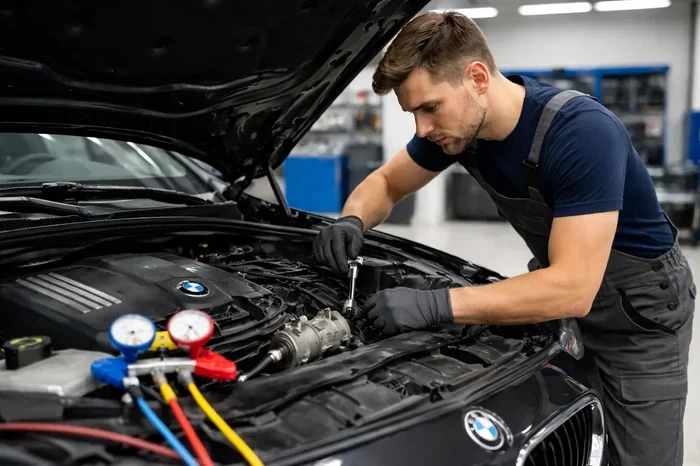
A mechanic can hook up AC pressure gauges to check your system. Low pressure on the low side often means a refrigerant leak. High pressure on the high side can indicate a blockage or a failing compressor. These readings give a clear picture of compressor health.
Many auto parts stores offer free diagnostic scans. They can check for error codes related to AC pressure or engine performance. This is a great first step before committing to a repair.
Common Mistakes That Make Compressor Problems Worse
Some habits and mistakes can accelerate AC compressor failure. Avoiding these can extend the life of your compressor and prevent stalling.
- Ignoring refrigerant leaks. Low refrigerant causes the compressor to work harder. Over time, this leads to overheating and failure.
- Using the AC constantly in extreme heat. Running the AC nonstop in 100-degree heat puts constant strain on the compressor. Give your system a break when you can.
- Skipping regular maintenance. Your car needs routine checkups. A mechanic should inspect the AC system at least once a year.
- DIY recharging without finding the leak. Adding refrigerant without fixing the leak just masks the problem. The compressor will keep failing.
- Driving with a slipping belt. A worn belt reduces compressor efficiency and can cause erratic load on the engine.
These mistakes are easy to avoid with a little awareness. Regular care keeps your AC system running strong and your engine running smoothly.
How to Fix a Stalling Car Caused by a Bad AC Compressor
Once you confirm the compressor is the problem, it is time to fix it. Here are the most common solutions.
Compressor Replacement
Replacing the AC compressor is the most thorough fix. A new compressor restores proper function. The cost typically ranges from $500 to $1,000 for parts and labor. This varies based on your vehicle model and local labor rates.
When replacing the compressor, a good mechanic will also flush the entire AC system. Old refrigerant and debris can damage the new compressor quickly. A full flush ensures the new unit lasts as long as possible.
Serpentine Belt and Tensioner Replacement
If the belt or tensioner contributed to the problem, replace them too. A new belt ensures proper grip and smooth operation. A worn tensioner can cause the belt to slip, which puts extra stress on the compressor. Replacing both at the same time prevents repeat issues.
AC System Flush and Recharge
After compressor replacement, the system needs a full recharge. New refrigerant and lubricant are added. The system is evacuated of air and moisture. This process ensures optimal performance and protects the new compressor.
Some people wonder about the electrical load on their vehicle when the AC is running. While this article focuses on mechanical stalling, it is worth noting that electrical issues can also affect engine performance. If you are curious about how different systems interact with your vehicle’s power, check out how to wire a generator to a breaker box for insights into managing electrical loads safely.
When to Consider a Full AC System Overhaul
In older vehicles, repeated compressor failures might signal a deeper problem. The condenser, expansion valve, or evaporator could all be failing. A full system overhaul addresses all components at once. It is more expensive upfront but saves money on repeat repairs down the road.
Preventing AC Compressor Stalling in the Future
The best way to deal with a stalling car is to prevent it from happening. Here are simple steps to keep your AC compressor healthy and your engine running strong.
- Run your AC regularly, even in winter. This keeps the compressor lubricated and seals flexible. Sitting unused for months can cause internal parts to seize.
- Check refrigerant levels annually. Low refrigerant is the number one killer of AC compressors. Catching a leak early saves the compressor.
- Inspect the serpentine belt every 6 months. Look for cracks, glazing, or wear. Replace the belt at the first sign of damage.
- Address unusual noises immediately. Grinding, squealing, or clicking sounds should never be ignored. Early intervention prevents full failure.
- Keep up with routine vehicle maintenance. Regular oil changes and inspections help your entire car run better, including the AC system.
Think of your AC compressor like any other engine component. It needs care and attention. A little prevention goes a long way toward avoiding a stalled engine on a hot day.
When to See a Professional
Some repairs are DIY-friendly. Replacing a serpentine belt or adding refrigerant is doable for most car owners. But compressor-related stalling often requires professional help. The AC system contains high pressures and hazardous refrigerant. Handling these improperly can be dangerous.
A certified mechanic has the tools and training to diagnose and fix compressor issues safely. They can perform pressure tests, evacuate and recharge the system, and ensure everything meets manufacturer specifications. If you have tried the basic checks and still experience stalling, it is time to see a pro.
Also, if your car stalls frequently for any reason, it is worth getting a full diagnostic. Stalling can have many causes beyond the AC compressor. Fuel system issues, ignition problems, and sensor failures can all mimic compressor-related stalling. A professional can rule these out and give you peace of mind.
Final Thoughts
So, can a bad AC compressor cause a car to stall? The answer is a definitive yes. Whether it is compressor lockup, excessive drag, clutch failure, or pressure problems, a failing AC compressor puts your engine at risk. The key is catching the problem early. Watch for warning signs. Perform simple checks. And do not ignore strange noises or reduced cooling performance.
Your car depends on every system working in harmony. The AC compressor is a small part of that equation, but it has an outsized impact on engine performance. Take care of it, and your car will reward you with smooth, reliable runs all year long. Take care of it, and you avoid the stress and danger of a stalled engine.
If you are dealing with stalling issues and suspect the AC compressor, do not wait. Get it checked today. A quick diagnosis now can save you from a major breakdown later. Your car, your wallet, and your peace of mind will all thank you.
Frequently Asked Questions
Can a bad AC compressor cause a car to stall at idle?
Yes, absolutely. At idle, your engine has very little power to spare. A bad AC compressor adds drag that the engine cannot overcome. This is why stalling often happens when you are stopped with the AC on. The engine simply does not have enough RPM to handle the extra load.
How much does it cost to replace an AC compressor that causes stalling?
Replacement costs typically range from $500 to $1,000 for parts and labor. The exact price depends on your vehicle make and model. Some luxury or rare vehicles may cost more. Getting a quote from a trusted mechanic is always a good first step.
Can I drive my car if the AC compressor is bad?
You can drive short distances, but it is risky. A failing compressor can cause the engine to stall unexpectedly. This is especially dangerous at high speeds or in heavy traffic. It is best to get the compressor repaired or replaced before driving the car regularly.
What happens if the AC compressor seizes while driving?
If the compressor seizes, the serpentine belt may snap or the engine may stall immediately. A seized compressor locks the pulley in place, creating enormous resistance. The engine cannot spin the locked compressor and shuts down. This can leave you stranded on the road.
Can low refrigerant cause a car to stall when the AC is on?
Yes, low refrigerant can contribute to stalling. When refrigerant is low, the compressor works harder and runs hotter. This increases the load on the engine. In some modern vehicles, low pressure triggers a protective shutdown that stalls the engine to prevent further damage.
How can I tell if my AC compressor is causing the stall or something else?
Try the simple AC on/off test. Turn on the AC and see if the engine stalls. Turn it off and see if the engine recovers. If the stalling only happens with the AC on, the compressor is likely the cause. If stalling happens with or without the AC, other issues like fuel delivery or ignition problems may be involved.
=== CONCLUSION ===
A bad AC compressor can cause a car to stall, and now you know exactly why and how. From compressor lockup to refrigerant pressure problems, the causes are clear. The warning signs are there if you know what to look for. And the fixes are within reach whether you handle them yourself or bring in a professional.
Do not let a failing compressor leave you stranded. Pay attention to the sounds your car makes. Watch for changes in cooling performance. And address problems the moment they appear. A little attention today keeps your engine running strong tomorrow. Stay cool, stay safe, and keep your car in top shape all year long.