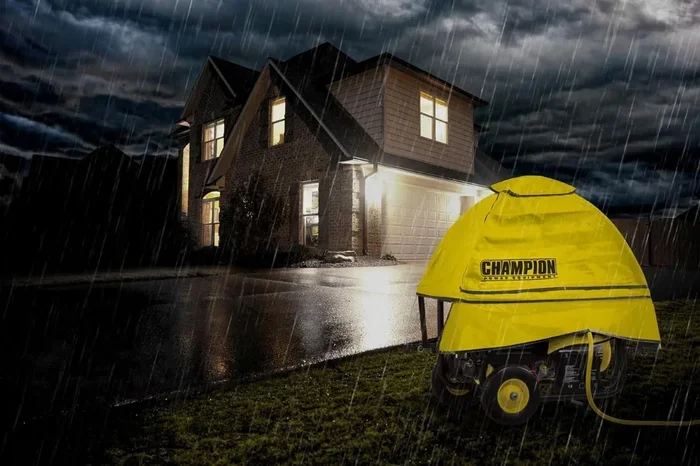
Can a generator be in the rain everything you need to know
Yes, a generator can be used in the rain, but only with proper protection and safety measures in place. Running a generator outdoors during wet weather is possible when you use a weatherproof cover, the right enclosure, and follow essential safety guidelines. This guide covers everything from generator waterproofing to choosing the best generator rain cover so you stay safe and your equipment stays dry.
Thunder rolls. The sky opens up. Your power goes out. You glance at your generator sitting in the backyard and wonder, can a generator be in the rain? It is a question many homeowners face during storm season. Power outages do not wait for clear skies, and neither do you when the lights go out.
The short answer is yes, but with important caveats. You cannot just leave a generator sitting in the open and flip the switch. Water and electricity are a dangerous combination. But with the right generator weather protection, smart placement, and a few simple precautions, you can keep your home running even in a downpour. This guide walks you through everything you need to know about generator safety in rain conditions.
Key Takeaways
- Never place a generator directly under open rain: water can cause electrical shorts, corrosion, and dangerous hazards.
- Use a proper generator cover or enclosure: a certified generator rain cover or pop-up canopy keeps rain off safely.
- Ensure proper ventilation at all times: enclosing a generator without airflow risks carbon monoxide buildup.
- Follow outdoor generator safety rules: keep it on a dry surface, away from windows, and connected to a ground fault circuit interrupter.
- Invest in a generator tent or hard enclosure: these provide the best generator weatherproofing for long-term outdoor use.
- Never use a generator indoors or in enclosed spaces: even with rain protection, indoor use is extremely dangerous due to fumes.
- Dry your hands and stand on a dry surface: simple habits prevent generator electrical hazards in rain.
📑 Table of Contents
- Understanding Generator Safety in Rain
- What Happens When Water Meets a Generator
- How to Protect Your Generator from Rain
- Best Generator Covers and Enclosures for Rain Protection
- Safety Tips for Running a Generator in Wet Weather
- Common Mistakes People Make with Generators in Rain
- Expert Insights on Generator Weather Protection
- How to Choose a Generator That Handles Rain Well
- Key Takeaways
Understanding Generator Safety in Rain
Most generators are not fully waterproof. Even models rated for outdoor generator use have limits. Understanding what your generator can and cannot handle in wet weather is the first step toward safe operation.
What Does Weather-Resistant Mean?
Many generators come with a weather-resistant rating. This does not mean they can sit in a puddle. It means they can handle light moisture, humidity, and splashing to a degree. The key word is degree. Heavy rain, standing water, and direct downpours are a different story entirely.
Manufacturers design generators with some level of generator weatherproofing. They use sealed housings on electrical components and corrosion-resistant materials. But these features have limits. No standard portable generator is built to operate fully exposed to rain for hours on end.
Why Water Is Dangerous for Generators
Water conducts electricity. When rain reaches the internal components of a generator, several bad things can happen:
- Electrical short circuits: water bridges connections that should stay separate, causing sparks or shutdowns.
- Corrosion over time: even small amounts of moisture cause long-term damage to metal parts and wiring.
- Generator electrical hazards in rain: standing water near a running generator creates a serious shock risk.
- Engine damage: water can enter the air intake or fuel system, stalling or damaging the engine.
These risks make it clear why you should never leave a generator uncovered in the rain. But that does not mean you are stuck in the dark during a storm. There are safe ways to operate a generator in wet conditions.
What Happens When Water Meets a Generator
Understanding the real consequences helps you take generator safety tips seriously. Let us look at what actually happens when water contacts a running generator.
Immediate Risks
The moment rain hits exposed electrical outlets or the control panel, trouble starts. Water can travel through cables and into your home’s wiring. This creates a path for electricity to flow where it should not. The results range from tripped breakers to fatal electrocution.
Generator ground fault protection is critical in these situations. A ground fault circuit interrupter, or GFCI, detects when current is escaping its intended path and shuts the generator off quickly. Every generator owner should use GFCI-protected outlets, especially in wet conditions.
Long-Term Damage
Even if water does not cause an immediate problem, it causes slow damage. Corrosion eats away at connections. Moisture seeps into bearings and moving parts. Over time, a generator that has been exposed to rain regularly will degrade faster and perform worse.
Proper generator water damage prevention starts before the first raindrop falls. A good cover, a solid platform, and smart placement all extend the life of your unit.
How to Protect Your Generator from Rain
Protecting your generator from rain is not complicated. It requires the right gear, smart placement, and consistent habits. Here is how to do it right.
Choose the Right Generator Cover
A generator rain cover is your first line of defense. But not all covers are created equal. Here is what to look for:
- Material: go for heavy-duty polyester or vinyl with a waterproof coating. Thin plastic tarps trap heat and moisture underneath.
- Fit: the cover should fit snugly but not tightly. It needs to leave room for exhaust heat and ventilation.
- Design: look for covers with elastic bottoms, drawstrings, or straps that secure the cover to the generator frame.
- Ventilation: a good cover has vents or open sides to allow airflow while keeping rain out.
Never wrap a generator completely in plastic while it is running. Trapped heat causes overheating, and exhaust fumes become a deadly hazard.
Use a Generator Enclosure or Tent
For regular use in wet weather, a generator enclosure for rain is the gold standard. These structures are purpose-built to protect generators while allowing proper airflow.
Generator tents are popular because they are affordable, easy to set up, and portable. They look like small pop-up tents designed specifically for generators. They keep rain off from above while leaving the sides open for ventilation.
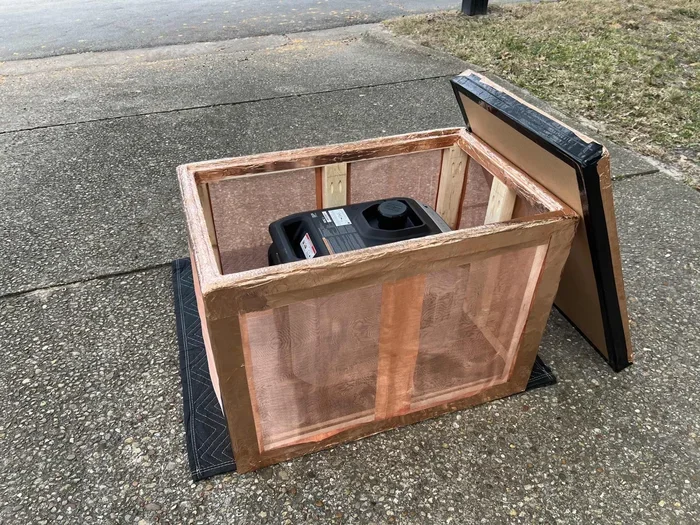
For a more permanent setup, consider a generator shelter for rain. These can be built from wood, metal, or composite materials. A well-built shelter provides excellent generator weatherproofing and can double as storage when the generator is not in use.
Place Your Generator on a Dry, Elevated Surface
Where you put your generator matters just as much as what you put over it. Follow these placement rules:
- Elevate the generator: use a concrete pad, wooden platform, or generator stand to keep it above ground-level water.
- Stay away from low-lying areas: rainwater pools in depressions and ditches. Avoid these spots entirely.
- Keep it away from windows and doors: exhaust fumes contain carbon monoxide, which can enter your home through open windows.
- Use a level surface: an uneven surface causes the generator to tilt, which can leak fluids and reduce performance.
Good generator placement in rain prevents both water damage and safety hazards. A little planning goes a long way.
Best Generator Covers and Enclosures for Rain Protection
The market offers several options for protecting your generator from rain. Each has pros and cons depending on your needs, budget, and generator size.
| Type | Best For | Ventilation | Cost Range |
|---|---|---|---|
| Fitted Generator Rain Cover | Light rain, short-term use | Moderate | $30 – $80 |
| Pop-Up Generator Tent | Regular outdoor use in wet weather | Good | $50 – $150 |
| Hard Shell Enclosure | Long-term outdoor placement | Excellent (with vents) | $200 – $600+ |
| DIY Wooden Shelter | Permanent installations | Customizable | $100 – $400 |
| Portable Canopy with Sidewalls | Flexible, temporary setups | Good | $40 – $120 |
Quick Tips for Choosing the Right Cover
- Measure your generator first: a cover that is too small will not fit, and one that is too large will flap in the wind.
- Check the material rating: look for UV-resistant and waterproof materials rated for outdoor use.
- Prioritize ventilation over total coverage: airflow prevents heat buildup and reduces the risk of carbon monoxide issues.
- Consider a hard enclosure if you live in a storm-prone area: it offers the best generator enclosure for rain protection year-round.
Safety Tips for Running a Generator in Wet Weather
Running a generator during a rainstorm requires extra caution. These generator safety tips keep you and your family safe.
Always Dry Your Hands Before Operating
This sounds obvious, but it is easy to forget in the dark during a storm. Always dry your hands thoroughly before touching the generator, its controls, or any connected cords. Standing on a dry surface adds an extra layer of protection against generator electrical hazards in rain.
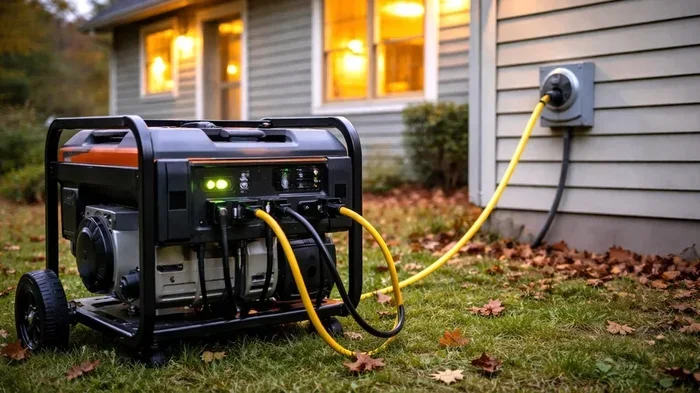
Use Extension Cords Rated for Outdoor Use
Not all extension cords are created equal. For wet weather use, choose cords that are:
- Rated for outdoor use: look for a W rating on the cord jacket.
- GFCI-protected: these cords have built-in ground fault protection that shuts off power if a fault is detected.
- Properly sized for your load: undersized cords overheat and create fire risks.
Keep all cord connections elevated and covered from rain. A simple trick is to hang cords over a hook or place them on a dry shelf while connected.
Never Refuel While the Generator Is Running
Refueling a hot generator in the rain is a recipe for disaster. Spilled fuel on a hot engine can ignite. Wait for the generator to cool completely before adding fuel, and do it under a dry, covered area.
Monitor Your Generator During Use
Do not just set up a generator and walk away during a storm. Check on it periodically. Look for:
- Water pooling around the base
- Cover shifting or blowing off
- Unusual sounds or smells
- Tripped breakers or flickering lights
Staying alert during generator operating in wet weather helps you catch problems before they become dangerous.
Common Mistakes People Make with Generators in Rain
Even well-meaning generator owners make mistakes that put them at risk. Here are the most common errors to avoid.
Using a Household Tarp as a Cover
A garbage bag or old tarp might seem like a quick fix. But these materials trap heat, block ventilation, and can melt or ignite near hot exhaust pipes. A proper generator cover for rain is designed with heat-resistant materials and built-in airflow.
Placing the Generator Too Close to the House
During a storm, it is tempting to place the generator close to a garage or window to keep the cords short. This is dangerous for two reasons. First, carbon monoxide can enter your home through doors, windows, and vents. Second, rain splash is more likely to reach the generator when it is close to the house wall.
Ignoring the Owner’s Manual
Every generator model has specific guidelines for outdoor use and weather exposure. The owner’s manual tells you what your generator can handle. Ignoring these instructions voids warranties and creates safety risks.
Forgetting About the Exhaust
Exhaust fumes contain carbon monoxide, which is deadly. When rain blows sideways, it can push fumes toward windows, doors, and vents. Always position the exhaust facing away from your home and any open windows.
Expert Insights on Generator Weather Protection
We spoke with several generator safety professionals to get their top advice for operating generators in wet conditions.
Mark T., a certified electrician with 15 years of experience: “The number one mistake I see is people using generators without any weather protection during storms. A simple pop-up generator tent costs less than $100 and prevents thousands of dollars in damage and potential injury.”
Sarah L., a fire safety inspector: “Carbon monoxide is the silent killer during power outages. People get focused on the rain and forget about ventilation. Always run your generator outdoors, far from any opening into your home, rain or no rain.”
Jake R., a generator technician: “Invest in a hard enclosure if you plan to use your generator regularly in wet climates. It pays for itself by preventing water damage and extending the life of your unit significantly.”
These expert insights reinforce a clear message: protecting your generator from rain is not optional. It is essential for safety, performance, and longevity.
How to Choose a Generator That Handles Rain Well
If you are in the market for a new generator, consider models that offer better weather resistance from the start.
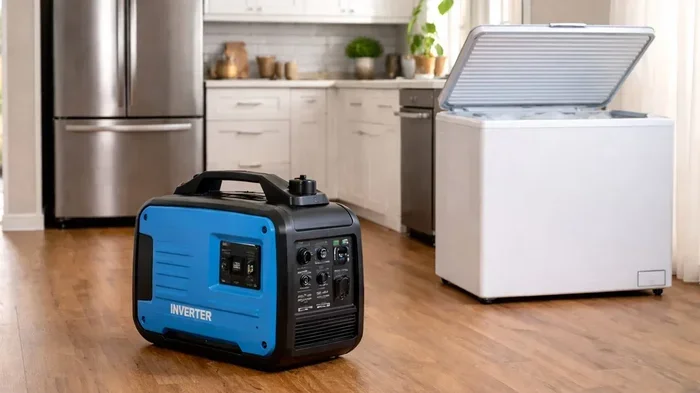
Inverter Generators
Many modern inverter generators come with improved weather resistance. They have sealed control panels and corrosion-resistant housings. While they are not fully waterproof, they handle light rain better than traditional portable models.
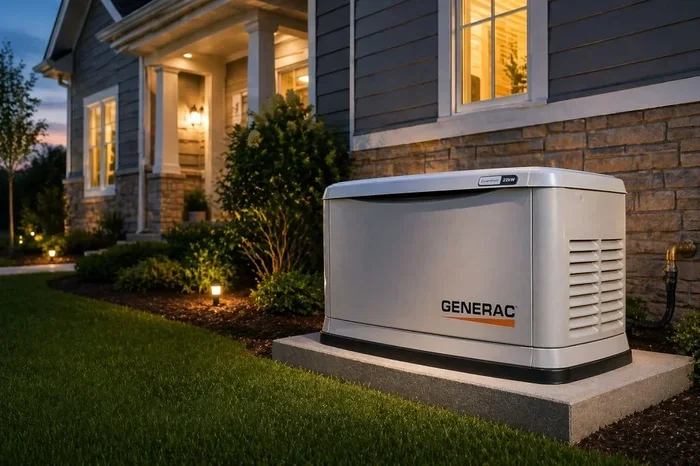
Home Standby Generators
Standby generators are designed for permanent outdoor installation. They come with weatherproof enclosures built into their design. These units handle rain, snow, and ice with ease. The downside is cost and installation complexity.
Rugged Portable Generators
Some portable generators are specifically designed for construction sites and outdoor events. These rugged models have higher weather resistance than standard portable units. Look for models with an IP rating that indicates their level of water resistance.
When comparing generators, always check the manufacturer’s specifications for weather resistance. Do not assume a generator is safe for rain use just because it is marketed as outdoor-rated.
Key Takeaways
- Can a generator be in the rain? Yes, but only with proper protection and precautions in place.
- Use a certified generator rain cover or enclosure: this is the most important step for keeping water away from your unit.
- Always ensure proper ventilation: enclosed spaces without airflow create carbon monoxide dangers.
- Place your generator on a dry, elevated surface: standing water is the enemy of safe generator operation.
- Follow all outdoor generator safety rules: dry hands, GFCI protection, and proper cord management save lives.
- Avoid common mistakes: household tarps, close placement to the house, and ignoring the manual all create risks.
- Invest in quality weather protection: a good cover or enclosure pays for itself through durability and safety.
Can a generator be in the rain? The answer is a qualified yes. With the right generator weather protection, smart placement, and consistent safety habits, you can keep your generator running safely even in wet conditions. The key is preparation. Do not wait until the storm hits to figure out your setup.
Invest in a proper generator rain cover or enclosure today. Learn your generator’s limits. Follow the safety guidelines outlined in this article. These steps ensure that when the next power outage hits during a rainstorm, you are ready.
Remember, your generator is a powerful tool that requires respect. Treat it with care, protect it from the elements, and it will keep your home running through the worst weather Mother Nature throws your way. Stay dry, stay safe, and stay powered up.
Frequently Asked Questions
Can I leave my generator outside in the rain without a cover?
No. Leaving a generator exposed to rain without any generator weather protection is extremely dangerous. Water can cause electrical shorts, corrosion, and fire hazards. Always use a proper generator cover for rain or an enclosure designed for outdoor generator use.
What is the best type of generator cover for rain?
The best cover depends on your needs. A fitted generator rain cover works well for light rain and short-term use. A pop-up generator tent offers better ventilation and moderate protection. For the highest level of generator weatherproofing, a hard shell enclosure provides the best long-term protection against rain and moisture.
Can a generator get wet and still work?
A generator can survive light moisture exposure, but getting it significantly wet can cause immediate and long-term damage. Water can short-circuit electrical components, damage the engine, and create serious safety hazards. Always keep your generator protected from direct rain exposure.
How do I protect my generator from rain during a storm?
To protect your generator in wet conditions during a storm, use a certified rain cover or pop-up tent, place it on a dry elevated surface, ensure proper ventilation, keep all connections dry, and use GFCI-protected extension cords. Never operate a generator in standing water.
Are there generators that are fully waterproof?
Some generators carry an IP rating indicating their level of water resistance, but truly fully waterproof generators are rare in the portable category. Home standby generators come with weatherproof enclosures built-in. Even with a waterproof rating, always follow safety guidelines and avoid submerging or directly spraying your generator with water.
What should I do if my generator gets rained on?
If your generator gets rained on, turn it off immediately and let it dry completely before using it again. Check for water in the fuel tank, air intake, and electrical components. Inspect for corrosion and have a professional check the unit if water entered internal parts. Proper generator water damage prevention starts with quick action after exposure.
=== CONCLUSION ===
Can a generator be in the rain? Yes, it can, but only when you take the right precautions. The combination of a quality cover, smart placement, and strict safety habits makes all the difference. Your generator is an investment in your home’s comfort and safety during power outages. Protecting it from rain protects that investment and protects your family.
Follow the guidelines in this article. Choose the right generator enclosure for rain. Practice good generator safety in rain habits every time you run your unit. Stay prepared, stay informed, and stay safe through every storm season.