Why Wont My Generator Start Try These Troubleshooting Tips
If you’re asking why won’t my generator start, you’re not alone. This guide covers the top reasons a generator won’t start and simple troubleshooting tips to fix it. From fuel and spark to battery and carburetor issues, you’ll learn exactly what to check and how to get your power running again.
If you’ve ever been mid-storm or mid-camping trip and your generator suddenly refuses to start, you know the panic. That humming machine that usually saves the day just sits there silent. It’s a common frustration, but the good news is that most starting problems have simple fixes. This article will show you exactly how to troubleshoot a generator that won’t start. You’ll learn to check the fuel, spark, and air supply step by step. By the end, you’ll feel confident tackling the issue yourself.
There’s nothing worse when the power goes out and you need your backup source most. A generator that won’t start can leave you in the dark. Before you call a technician, try these basic checks. Many times, the problem is something you can fix in minutes. I’ll walk you through the most common causes and the exact steps to get your generator running again. Think of this as your friendly troubleshooting guide.
Key Takeaways
- Fuel problems are the #1 cause: Stale gas, a clogged fuel filter, or a faulty pump can stop your generator dead.
- Spark and battery issues are easy to check: A fouled spark plug or dead battery often means your generator just needs a simple fix.
- Carburetor and air filter blockages are common: Dirt and old fuel gum up the system, but cleaning them is usually quick.
- Cold weather brings unique challenges: Fuel gelling and thick oil can make winter starting a real struggle.
- Regular maintenance prevents most problems: A little care goes a long way toward avoiding a generator that won’t start.
- Know when to call a pro: Internal damage or persistent electrical faults need a trained technician.
📑 Table of Contents
Why Won’t My Generator Start? Common Culprits
When a generator fails to fire up, the reason usually falls into one of a few categories. Understanding these categories helps you narrow down the problem fast. Below are the three most frequent offenders. Each one has clear signs and straightforward solutions.
Fuel Issues
Fuel is the lifeblood of any generator. Without a clean, fresh supply, the engine simply can’t run. Stale gasoline is the number one enemy. Ethanol blends attract moisture over time, which separates from the fuel and gums up the system. Even if the tank looks full, old fuel won’t burn properly. A clogged fuel filter or a collapsed fuel line can also starve the engine. In some models, a weak fuel pump fails to deliver pressure to the carburetor. If you smell fuel but hear no cough of combustion, start here.
Spark Plug Problems
The spark plug creates the tiny bolt of electricity that ignites the fuel-air mixture. A fouled or worn spark plug produces no spark at all. You might see black, oily deposits on the electrode or a cracked porcelain insulator. A loose plug wire is another sneaky cause. Even a small gap between the wire and the terminal kills the spark. Checking the spark plug takes only a minute and often solves the mystery of a generator not starting.
Battery and Electrical Failures
Modern generators with electric starters rely on a healthy battery. A dead battery means the starter motor won’t turn the engine over. Corroded terminals, loose cables, or a battery that has simply aged can all cause this. Some generators have a low-oil sensor that shuts down the starter to protect the engine. If the oil level is low, the unit won’t start no matter how much you try. A faulty recoil starter rope or a broken pull cord can also leave you stranded with a portable generator.
Step-by-Step Troubleshooting Guide
Now that you know the usual suspects, let’s walk through the checks in order. Start at the top and work your way down. This logical sequence saves time and prevents unnecessary part swaps.
Check the Fuel Supply
- Look at the fuel valve. Make sure it’s set to ON.
- Open the fuel cap to release vacuum lock. A sealed tank can prevent fuel from flowing.
- Drain a small amount of fuel into a clear container. If it looks dark or smells like varnish, the gas is stale.
- Remove the fuel filter and inspect it. Replace it if it’s discolored or clogged.
- Check the fuel lines for cracks or blockages. A collapsed rubber line won’t pass fuel.
Quick Tip: Always use fresh fuel and add a fuel stabilizer if the generator sits for more than 30 days. This simple habit prevents most fuel-related starting issues.
Inspect the Spark Plug
- Remove the spark plug wire and pull out the plug with a socket wrench.
- Examine the electrode. Look for heavy carbon buildup, wet fouling, or a cracked ceramic.
- Clean the plug with a wire brush or replace it if the gap is too wide.
- Reattach the wire firmly and try starting the generator.
If you see no spark when you crank the engine, the problem might be the ignition coil or the kill switch. A shorted kill switch is a common mistake. Some generators have a red safety switch near the engine that must be in the RUN position. A loose connection there will prevent spark completely.
Test the Battery and Connections
For generators with an electric start, the battery is critical. Use a multimeter to check the voltage. A healthy battery reads 12.6 volts or higher. If it’s below 12 volts, charge it or replace it. Clean any corrosion off the terminals with a wire brush. Tighten the cable clamps to ensure a solid connection. If the starter motor clicks but doesn’t turn, the battery might be too weak or the starter itself could be faulty. A common error is ignoring the oil level sensor. Check the oil first. Topping it off often resets the sensor and lets the generator start immediately.
Common Mistakes to Avoid
- Forgetting the choke: The choke controls the air-fuel mixture. If it’s stuck in the full-open position, a cold engine won’t get enough fuel to start. Set it to CHOKE for cold starts.
- Ignoring the primer bulb: Some engines have a small rubber bulb that pushes fuel into the carburetor. If it’s cracked or won’t prime, the engine floods or runs dry.
- Using the wrong oil: Thick oil in cold weather makes the engine hard to turn. Always use the weight recommended in the owner’s manual.
- Overlooking the fuel cap vent: A blocked vent creates a vacuum in the tank. The engine runs out of fuel as soon as it starts and dies. Loosening the cap slightly can test this theory.
Key Takeaways
- Always check fresh fuel and a clear fuel path first.
- A clean spark plug with the correct gap is essential for ignition.
- A fully charged battery and tight terminals keep the electric starter happy.
- Don’t forget the choke, primer bulb, and oil level sensor.
Carburetor and Air Filter Problems
The carburetor mixes fuel and air in the perfect ratio for combustion. When it gets dirty, the mixture becomes too rich or too lean, and the engine stalls or refuses to start. A clogged air filter makes the problem worse by starving the engine of air. Together, these two components cause a surprising number of generator starting problems.
Dirty Carburetor
Old fuel leaves behind a sticky residue that clogs the tiny passages inside the carburetor. The main jet and pilot jet are especially vulnerable. Symptoms of a dirty carburetor include rough idling, black smoke, or a complete failure to start even though fuel reaches the engine. To clean it, you’ll need to remove the carburetor bowl and spray the passages with carburetor cleaner. A can of spray cleaner with a thin nozzle works well. If the jets are still blocked, a fine wire can clear them. In many cases, a full rebuild kit is inexpensive and solves the problem permanently.
Expert Insight: “I see carburetor issues in about 70 percent of generators that won’t start,” says a veteran small-engine technician. “The fix is almost always a thorough cleaning. Don’t replace the whole carburetor until you’ve tried this first.”
Clogged Air Filter
The air filter prevents dust and debris from entering the engine. Over time, it becomes saturated with dirt and restricts airflow. A starved engine runs rich, sputters, and eventually won’t start. Check the air filter element regularly. If it looks dark gray or black, clean it or replace it. Foam filters can be washed with soapy water and dried completely before reinstalling. Paper filters should be replaced, not cleaned. A clean air filter is one of the easiest ways to keep your generator running strong.
Cold Weather Starting Problems
Cold temperatures bring a unique set of challenges for generators. Fuel and oil behave differently in the cold, and even a well-maintained unit can struggle to turn over on a winter morning. Understanding these issues helps you prepare before the temperature drops.
Fuel Gelling and Oil Thickening
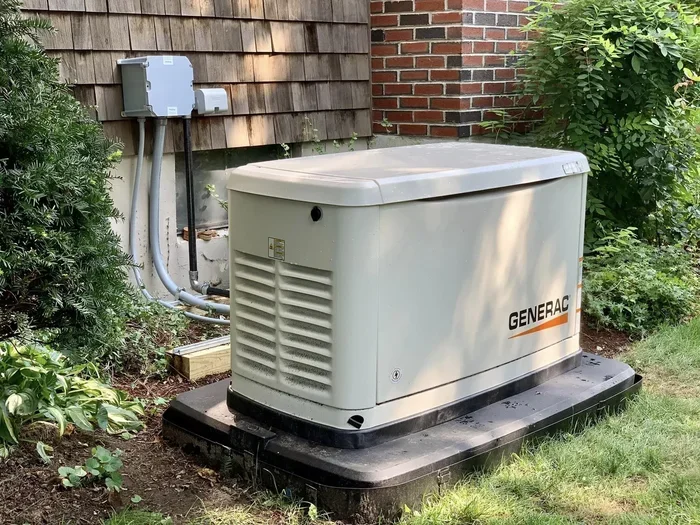
Diesel fuel can gel when temperatures fall below freezing, clogging fuel filters and lines. Gasoline also becomes sluggish in extreme cold. Meanwhile, thickened oil makes the engine harder to crank. The starter motor simply can’t overcome the resistance. To prevent this, use a winter-grade fuel additive or switch to a synthetic oil with a lower viscosity rating. Keeping the generator in a heated or insulated enclosure also helps. If you own a standby generator, a block heater keeps the coolant warm, making cold starts much easier.
Using a Block Heater
A block heater warms the engine block before you start the generator. It plugs into a standard outlet and keeps the coolant at a temperature that promotes easy flow. This is especially useful for standby generators that sit outside all year. Simply plug in the heater a few hours before you need the generator. The engine will turn over smoothly, and you’ll avoid the wear and tear of a hard cold start.
When to Call a Professional
Most generator starting problems are DIY-friendly. But some issues require a trained eye and specialized tools. Knowing the difference saves you time, money, and frustration.
Signs of Serious Internal Damage
If the engine cranks normally but never fires, and you’ve ruled out fuel, spark, and air, internal damage could be the culprit. A flooded engine with fuel in the crankcase can wash away lubrication and damage bearings. A broken timing chain or a valve that has dropped will also prevent starting. Unusual knocking or grinding noises during cranking are red flags. In these cases, shut the unit off and call a qualified small-engine repair shop.
Preventive Maintenance Tips
The best way to avoid a generator that won’t start is to stay ahead of problems with regular care. Here are a few habits that pay off:
- Run the generator monthly: Even if you don’t need power, a 15-minute run keeps the engine lubricated and the battery charged.
- Change the oil annually: Fresh oil reduces wear and keeps the engine turning freely.
- Replace the spark plug yearly: A new plug ensures reliable ignition.
- Store fuel properly: Use a fuel stabilizer and keep gasoline in airtight containers.
- Read the owner’s manual: It contains model-specific troubleshooting steps and maintenance schedules.
Following these simple steps means your generator will start when you need it most. A little prevention goes a long way toward avoiding a generator not starting at the worst possible moment.
Quick Tips to Keep Your Generator Running
Beyond the fixes above, a few daily habits keep your generator in top shape. These tips apply to both portable generators and standby units.
- Keep the fuel fresh: Gasoline degrades in as little as 30 days. Use a stabilizer and rotate your fuel supply.
- Check the oil before every use: Low oil triggers safety shutoffs and can damage the engine.
- Clean the spark arrestor: A soot-covered arrestor restricts exhaust flow and causes starting problems. Remove it and clean the mesh screen with a wire brush.
- Inspect the recoil starter: If the pull cord frays or gets stuck, replace it before it breaks completely. A broken cord leaves you unable to start the generator manually.
- Keep the unit dry and ventilated: Never run a generator indoors or in a closed garage. Carbon monoxide is a deadly risk.
These small actions build a routine that makes generator ownership effortless. When you know how to care for your machine, a generator that won’t start becomes a rare event rather than a constant worry.
Conclusion
A generator that won’t start can feel like a disaster, especially during a power outage. But most of the time, the fix is simpler than you think. Start with the basics: fresh fuel, a clean spark plug, a charged battery, and a clear air path. Work through the troubleshooting steps one by one, and you’ll likely have your generator humming again in no time. If the problem persists, don’t hesitate to call a professional. Regular maintenance is the best defense against starting troubles. Keep this guide handy, and you’ll always be ready to face a generator that won’t start with confidence and a clear plan.
Frequently Asked Questions
Why does my generator crank but not start?
Cranking without starting usually points to a fuel delivery or ignition problem. Check for stale fuel, a clogged fuel filter, or a fouled spark plug. Also verify that the choke is in the correct position for a cold start.
Can a bad battery prevent a generator from starting?
Yes, especially with electric-start models. A dead or weak battery won’t turn the starter motor. Corroded terminals or a loose cable can also kill the electrical connection. Test the battery voltage and clean the terminals to rule this out.
How do I know if my carburetor is clogged?
Signs include difficulty starting, rough idling, black exhaust smoke, or a strong fuel smell without the engine catching. If fuel reaches the engine but it still won’t fire, a dirty carburetor is a likely suspect.
What should I do if my generator won’t start in cold weather?
Use a winter-grade fuel additive or switch to synthetic oil. A block heater keeps the engine warm and makes cold starts much easier. Also ensure the oil level is correct, as thick oil can trigger the low-oil safety sensor.
Is it safe to use starting fluid on a generator?
Starting fluid can help diagnose a fuel delivery issue, but use it sparingly. Too much can damage the engine or cause a fire. Always follow the product instructions and never use it on a diesel engine unless the product is specifically labeled for diesel.
How often should I change the spark plug in my generator?
Most manufacturers recommend replacing the spark plug once a year or after every 100 hours of use. A clean, properly gapped plug is one of the easiest ways to prevent a generator that won’t start.