Compressor and Condenser Fan Not Running Troubleshooting
A compressor and condenser fan not running is one of the most common HVAC problems homeowners face during hot weather. This guide walks you through every likely cause, from simple electrical issues to serious compressor failure, so you can troubleshoot safely and confidently. You will learn how to check capacitors, contactors, wiring, and refrigerant levels step by step. We also share expert tips to prevent future breakdowns and save money on repairs.
Key Takeaways
- Capacitor failure is the #1 cause: A bad start or run capacitor stops both the compressor and fan motor instantly.
- Electrical problems are easy to spot: Loose wiring, tripped breakers, and faulty contactors are common and fixable.
- Low refrigerant causes shutdowns: When refrigerant drops too low, the system protects itself by shutting down the compressor.
- Blocked airflow leads to overheating: Dirty coils and clogged fins make the condenser work harder and eventually fail.
- Regular maintenance prevents most issues: Simple seasonal upkeep keeps your compressor and condenser fan running smoothly all year.
- Know when to call a pro: Compressor replacement and refrigerant handling require licensed HVAC technicians.
📑 Table of Contents
- Why Your Compressor and Condenser Fan Is Not Running
- Common Causes of Compressor and Condenser Fan Failure
- Step-by-Step Troubleshooting Guide
- When to Call a Professional HVAC Technician
- Prevention Tips to Keep Your System Running
- Understanding How Your Condenser Unit Works
- Common Mistakes People Make When Troubleshooting
- Cost Estimates for Common Repairs
- Key Takeaways
- Final Thoughts
Why Your Compressor and Condenser Fan Is Not Running
Summer heat can turn a broken air conditioner into a real emergency. When your compressor and condenser fan not running, the whole cooling system stops doing its job. Warm air blows from your vents, and indoor temperatures start climbing fast.
The good news? Many causes are simple and easy to fix. You do not need to be an HVAC expert to check a few basic things first. This guide covers every common reason your condenser unit might stop working. We also give you clear steps to diagnose and, in many cases, fix the problem yourself.
Let us start with the basics. Your outdoor condenser unit has two main components that must run together. The compressor pumps refrigerant through the system. The condenser fan pulls air across the coils to release heat. When either one stops, the entire cooling process breaks down.
Common Causes of Compressor and Condenser Fan Failure
Understanding the root cause is the first step to a proper fix. Below are the most common reasons a compressor and condenser fan stops running. Each section explains what to look for and how to confirm the problem.
Capacitor Problems
The run capacitor and start capacitor send electrical energy to both the compressor and the fan motor. These small cylindrical parts wear out over time. When a capacitor fails, the motor cannot get the boost it needs to start.
Here is how to check for a bad capacitor:
- Visual inspection: Look for a bulging top or leaking fluid on the capacitor.
- Listen carefully: If you hear a humming sound but the fan or compressor does not start, the capacitor is likely the culprit.
- Use a multimeter: Test the capacitor’s voltage rating against its actual output. A reading below 80% of the rated value means it needs replacement.
Capacitors are inexpensive and easy to swap out. Always disconnect power before touching any electrical components. If you are unsure, a licensed technician can handle this safely.
Contactor Relay Failure
The contactor relay acts as a switch that sends power to the compressor and fan motor. Over time, the contact points inside the relay can wear down or burn. This prevents electricity from reaching the components that need it.
Signs of a failing contactor include:
- The unit does not turn on at all, even though the thermostat is set to cool.
- You hear a clicking sound from the outdoor unit but nothing else happens.
- The compressor or fan starts intermittently before stopping completely.
Replacing a contactor is a straightforward repair. Make sure to match the voltage and amperage rating of your old contactor when buying a new one.
Electrical Connection Issues
Loose or corroded wiring connections can interrupt power to your compressor and condenser fan. Outdoor units are exposed to weather, dirt, and pests. Over time, these elements can damage wires and terminals.
Check these areas carefully:
- The disconnect box near the outdoor unit.
- Wire nuts and terminal connections on the contactor.
- The low-voltage wiring between the thermostat and the condenser board.
Tighten any loose connections you find. If you see green corrosion or burnt wires, replace those sections. A tripped breaker is another common electrical issue. Reset the breaker and watch to see if the unit stays running.
Low Refrigerant Levels
Refrigerant is the lifeblood of your cooling system. When levels drop too low, the compressor works harder and may overheat. Many modern systems have a low-pressure switch that shuts the compressor down to prevent damage.
Common reasons for refrigerant loss include:
- Small leaks in the copper tubing or connections.
- Corrosion on the evaporator or condenser coils.
- Improper installation that left joints unsealed.
Never add refrigerant without first finding and repairing the leak. A professional HVAC technician can use leak detection tools and recharge your system to the correct level.
Blocked Airflow and Dirty Coils
Your condenser coil sits in the outdoor unit and releases heat from your home. When dirt, leaves, and debris build up on the coil, airflow gets restricted. The system cannot dissipate heat properly, which causes the compressor to overheat and shut off.
Keep your condenser unit clear by:
- Removing leaves, grass clippings, and debris from around the unit.
- Cleaning the condenser coils with a gentle coil cleaner and a soft brush.
- Ensuring at least two feet of clearance around all sides of the outdoor unit.
A dirty air filter inside your home also reduces airflow across the evaporator coil. This can cause ice to build up on the refrigerant lines, which eventually leads to compressor shutdown. Replace your filter every one to three months during heavy use seasons.
Compressor Overheating
Compressors generate a lot of heat during operation. When the surrounding temperature gets too high, the internal thermal overload protector kicks in and shuts the compressor down. This is a safety feature, not a malfunction.
Conditions that cause compressor overheating include:
- Direct sunlight hitting the outdoor unit all day without shade.
- Poor ventilation around the condenser unit.
- Dirty condenser coils that trap heat instead of releasing it.
- Low refrigerant levels forcing the compressor to work harder.
If your compressor keeps tripping off due to overheating, address the root cause rather than just resetting the unit repeatedly. Persistent overheating will shorten the compressor lifespan significantly.
Step-by-Step Troubleshooting Guide
Follow this systematic approach when your compressor and condenser fan not running. Each step builds on the previous one to narrow down the cause.
Step 1: Check the Thermostat. Make sure your thermostat is set to cool mode and the temperature is set below the current room temperature. Replace the batteries if your thermostat uses them. A dead thermostat battery can stop the entire system from calling for cooling.
Step 2: Inspect the Circuit Breaker. Go to your electrical panel and look for a tripped breaker. The condenser unit typically runs on a dedicated 240-volt circuit. Reset the breaker and listen for the unit to start up.
Step 3: Check the Disconnect Box. The disconnect box sits near the outdoor unit. Make sure the handle is in the “on” position. Some units have a fuse inside the disconnect box that can blow and cut power to the compressor and fan.
Step 4: Examine the Capacitors. Remove the access panel on the outdoor unit and locate the capacitors. Look for physical damage. If you have a multimeter, test each capacitor for proper charge. Replace any capacitor that tests low.
Step 5: Test the Contactor. Remove the contactor and check the contact points for pitting or burning. A contactor with damaged contacts will not pass electricity reliably. Replacement contactors are affordable and available at most hardware stores.
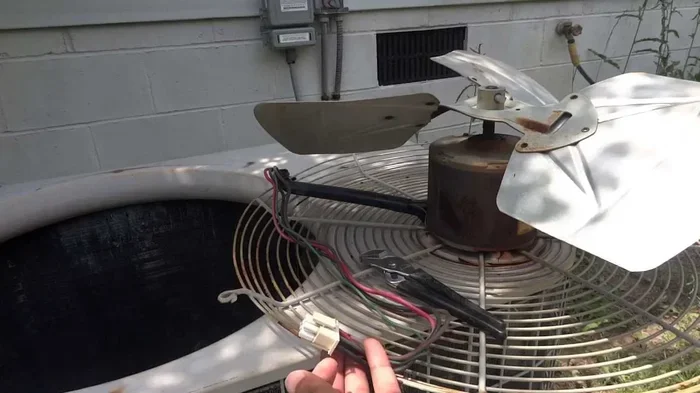
Step 6: Inspect the Fan Motor. Try to spin the fan blade by hand. It should rotate freely with very little resistance. If it feels stiff or does not move at all, the motor bearings may be seized. A seized fan motor will trip the overload protector and shut everything down.
Step 7: Check the Compressor. If the fan spins but the compressor does not start, the issue is likely a compressor-specific problem. This could be a failed compressor start relay, low refrigerant, or internal compressor damage. At this point, calling a professional is the safest move.
When to Call a Professional HVAC Technician
Not every repair is a DIY job. Some issues require specialized tools, certifications, and experience. Here are situations where you should call a licensed HVAC technician right away.
If you suspect a refrigerant leak, do not attempt to repair it yourself. Refrigerants are regulated by environmental law, and improper handling can result in fines and environmental harm. A certified technician has the proper gauges and recovery equipment to handle refrigerant safely.
Compressor replacement is another job for the pros. The compressor is the most expensive component in your air conditioning system. A technician can properly diagnose whether the compressor is truly failed or if another issue is causing similar symptoms. They will also ensure the new compressor is sized correctly and charged with the right amount of refrigerant.
Electrical repairs beyond basic connection tightening should also be left to professionals. Working with 240-volt power is dangerous and can cause serious injury or death if done incorrectly. A qualified technician can troubleshoot electrical faults safely and ensure all connections meet code.
Finally, if your system is more than 15 years old and the compressor has failed, consider replacement instead of repair. New units are far more energy efficient and can save you hundreds of dollars on annual cooling costs. If you also need a backup power source during outages, check out our guide on what size generator to run refrigerator and freezer to keep your food safe while you wait for HVAC repairs.
Prevention Tips to Keep Your System Running
The best way to deal with a compressor and condenser fan not running is to prevent the problem from happening in the first place. Regular maintenance goes a long way toward keeping your cooling system healthy and reliable.
Schedule a professional tune-up at least once a year, ideally in early spring before the hottest months arrive. A technician will clean the coils, check refrigerant levels, test electrical connections, and inspect all moving parts. This single visit can catch small problems before they turn into expensive breakdowns.
Between professional visits, you can do a few simple things yourself:
- Clean the area around the outdoor unit every few months. Remove leaves, dirt, and any debris that has gathered.
- Check your air filter monthly and replace it when it looks dirty. A clean filter protects both the evaporator and condenser coils.
- Listen to your unit while it runs. Unusual sounds like grinding, squealing, or loud buzzing signal a problem that needs attention.
- Keep plants and shrubs trimmed back at least two feet from the condenser. Overgrown vegetation blocks airflow and reduces cooling efficiency.
- Install a surge protector for your HVAC system. Power surges can damage the compressor and control board during electrical storms.
These small habits add up to big savings. A well-maintained system runs more efficiently, cools your home more effectively, and lasts many years longer than a neglected one.
Understanding How Your Condenser Unit Works
Knowing how your system works helps you understand why problems happen. The condenser unit is the outdoor half of your split air conditioning system. It contains the compressor, the condenser fan, the condenser coil, and the contactor relay.
Here is the basic cooling cycle in simple terms:
- The compressor pressurizes the refrigerant gas, raising its temperature.
- Hot refrigerant gas flows into the condenser coil.
- The condenser fan blows air across the coil, releasing heat to the outside.
- The refrigerant cools and condenses into a high-pressure liquid.
- The liquid refrigerant flows back indoors to the evaporator coil, where it absorbs heat from your home.
Every part of this cycle depends on the others. If the compressor stops, the refrigerant does not move. If the fan stops, the coils cannot release heat. When your compressor and condenser fan not running, the entire heat exchange process grinds to a halt. Understanding this interconnection helps you see why even a small component failure can shut down the whole system.
Common Mistakes People Make When Troubleshooting
Even well-meaning homeowners can make mistakes that worsen the problem or create new ones. Avoid these common errors when your compressor and condenser fan stops working.
Mistake 1: Repeatedly resetting the breaker. If your breaker trips again right after you reset it, something is wrong. Keep resetting it, and you risk damaging the compressor or starting an electrical fire. Find the root cause instead.
Mistake 2: Ignoring strange noises. A grinding or screeching sound from the outdoor unit means metal is grinding on metal. Continuing to run the system in this condition will destroy the compressor or fan motor. Turn the unit off and call for service immediately.
Mistake 3: Blocking the outdoor unit. Some people build enclosures or plant hedges around the condenser to hide it. This restricts airflow and causes overheating. Always keep the area around the unit open and well-ventilated.
Mistake 4: Using the wrong refrigerant. Older systems use R-22 refrigerant, while newer systems use R-410A. Mixing or using the wrong type can damage the compressor and void your warranty. Always confirm the correct refrigerant type before adding any.
Mistake 5: Skipping professional maintenance. A DIY filter change is great, but it does not replace a professional inspection. Technicians can spot worn parts, subtle leaks, and developing problems that are invisible to the untrained eye.
Cost Estimates for Common Repairs
Understanding repair costs helps you decide whether to fix or replace. Prices vary by region and the severity of the problem, but here are general ranges for common repairs when your compressor and condenser fan not running.
| Repair | Typical Cost Range | Difficulty |
|---|---|---|
| Capacitor replacement | $100 – $250 | Easy |
| Contactor relay replacement | $100 – $200 | Easy |
| Fan motor replacement | $300 – $600 | Moderate |
| Refrigerant leak repair and recharge | $200 – $800 | Moderate |
| Compressor replacement | $1,200 – $2,500 | Hard |
| Full condenser unit replacement | $3,000 – $7,000 | Hard |
As you can see, small fixes like capacitor and contactor replacements are very affordable. The cost rises significantly for compressor replacement, which is why catching problems early saves you real money. A simple maintenance visit once a year costs far less than an emergency repair call during a heat wave.
Key Takeaways
- Capacitor failure is the #1 cause: A bad start or run capacitor stops both the compressor and fan motor instantly.
- Electrical problems are easy to spot: Loose wiring, tripped breakers, and faulty contactors are common and fixable.
- Low refrigerant causes shutdowns: When refrigerant drops too low, the system protects itself by shutting down the compressor.
- Blocked airflow leads to overheating: Dirty coils and clogged fins make the condenser work harder and eventually fail.
- Regular maintenance prevents most issues: Simple seasonal upkeep keeps your compressor and condenser fan running smoothly all year.
- Know when to call a pro: Compressor replacement and refrigerant handling require licensed HVAC technicians.
Final Thoughts
A compressor and condenser fan not running is stressful, especially during the hottest days of summer. But most of the time, the cause is something simple and affordable to fix. Start with the basics: check the thermostat, reset the breaker, and inspect the capacitors and contactor. These steps take only a few minutes and require no special tools.
When the problem goes beyond simple checks, do not hesitate to call a professional. A licensed HVAC technician has the training and equipment to diagnose complex issues safely. Regular maintenance is your best defense against unexpected breakdowns. A little prevention today saves you from a costly repair tomorrow.
Keep your condenser unit clean, clear, and well-maintained, and it will keep your home cool for years to come. Stay proactive, stay prepared, and your cooling system will reward you with reliable performance all summer long.
Frequently Asked Questions
Why did my compressor and condenser fan suddenly stop running?
The most common reason is a failed capacitor or a tripped breaker. Other causes include a bad contactor, low refrigerant, or a seized fan motor. Start by checking the breaker box and the disconnect box near your outdoor unit. If those look fine, inspect the capacitors for visible damage.
Can a dirty condenser coil cause the compressor to stop running?
Yes, absolutely. Dirty coils restrict airflow, which causes the system to overheat. Most modern units have a safety feature that shuts the compressor down when it detects overheating. Clean your condenser coils at least once a year to prevent this issue.
How much does it cost to replace a capacitor in a condenser unit?
A capacitor replacement typically costs between $100 and $250, including parts and labor. The capacitor itself is inexpensive, often under $30. The labor cost comes from a technician diagnosing the problem and safely replacing the part.
Is it safe to run my AC if the condenser fan is not spinning?
No, it is not safe. The condenser fan is essential for releasing heat from the refrigerant. Without it, the compressor will overheat and may suffer permanent damage. Turn the unit off and troubleshoot the fan motor or call a technician immediately.
What should I do if the breaker keeps tripping after I reset it?
A breaker that keeps tripping signals a serious electrical problem. Do not keep resetting it. Possible causes include a short circuit, a grounded wire, or a failing compressor. Turn off the unit at the disconnect box and contact a licensed HVAC technician for diagnosis.
How often should I have my condenser unit professionally serviced?
At least once a year, preferably in the spring before cooling season begins. Annual maintenance includes cleaning the coils, checking refrigerant levels, testing electrical components, and inspecting the fan motor. This single visit can prevent most causes of compressor and condenser fan failure.