The Best Portable Generator Enclosure For Your Needs
A portable generator enclosure shields your unit from weather, cuts down on noise, and helps your generator last for years. The right portable generator enclosure depends on your generator size, power needs, and how often you run it outdoors. This guide breaks down the top options so you can pick the perfect portable generator enclosure that fits your setup and budget.
The Best Portable Generator Enclosure For Your Needs
A portable generator enclosure is one of the smartest investments you can make for your outdoor power setup. Whether you use your generator for camping trips, job sites, or emergency backup at home, the right enclosure protects your equipment from the elements, reduces noise, and keeps your family safe. In this guide, we walk you through everything you need to know about choosing, installing, and maintaining the perfect portable generator enclosure for your specific situation.
We have tested and reviewed dozens of options, and we are excited to share our honest insights with you. You will learn about the key features that matter most, see side-by-side comparisons of top picks, and discover practical tips that save you time and money. By the end of this article, you will feel confident picking the best portable generator enclosure for your needs.
Let us dive right in. Your generator works hard for you, so it deserves proper protection.
Key Takeaways
- Choose the right size enclosure: A properly sized portable generator enclosure ensures adequate ventilation and safe operation.
- Prioritize noise reduction: Soundproof enclosures can cut generator noise significantly, making them ideal for residential areas.
- Pick durable materials: Steel and weather-resistant coatings protect your portable generator enclosure from rain, dust, and corrosion.
- Never skip ventilation: Proper airflow prevents dangerous carbon monoxide buildup and keeps your generator running efficiently.
- Consider portability features: Look for handles, wheels, and lightweight designs when you need to move your enclosure often.
- Check local noise regulations: Many areas have strict decibel limits that your portable generator enclosure must meet.
- Maintain your enclosure regularly: Cleaning and inspecting your enclosure prolongs its lifespan and keeps your generator protected.
📑 Table of Contents
Why You Need a Portable Generator Enclosure
Many people overlook the importance of a good enclosure until something goes wrong. A portable generator enclosure does far more than just look neat. It serves several critical purposes that directly impact the lifespan and performance of your generator.
First, weather protection is huge. Rain, snow, dust, and UV rays can all cause serious damage to your generator’s engine and electrical components. Even a light drizzle during a sudden storm can lead to costly repairs or complete failure. A sturdy portable generator enclosure shields your unit from moisture and debris, keeping it running smoothly for years.
Second, noise reduction matters a lot. Generators can be incredibly loud, which can disturb neighbors, wake up sleeping children, or even violate local noise ordinances. A well-designed portable generator enclosure dampens sound significantly, making your generator much more neighbor-friendly and pleasant to use.
Third, safety is a real concern. Generators produce carbon monoxide, and an open setup exposes people and pets to dangerous fumes. A proper enclosure with adequate ventilation keeps exhaust fumes contained and directed away from living spaces. It also prevents unauthorized access, which is especially important if you have curious kids or pets around.
Finally, a portable generator enclosure simply looks better. Instead of a clunky machine sitting in the middle of your yard, an enclosure hides it neatly and gives your outdoor space a cleaner, more organized appearance.
Key Features to Look For in a Generator Enclosure
Not all enclosures are created equal. When shopping for the best portable generator enclosure, you need to know what features truly matter. Here is a breakdown of the most important factors to consider.
Material Quality and Durability
The material of your enclosure determines how long it will last and how well it protects your generator. Steel enclosures offer excellent durability and security, but they are heavier and can rust if not properly treated. Aluminum enclosures are lighter and resist corrosion, making them a popular choice for outdoor use. Fabric or canvas enclosures are the most portable option, but they may not hold up as well in harsh weather conditions.
Look for enclosures with powder-coated finishes or weather-resistant treatments. These small details make a big difference in longevity. A high-quality portable generator enclosure should withstand UV exposure, rain, and temperature swings without cracking, fading, or warping.
Ventilation and Airflow
Proper ventilation is non-negotiable. Generators need a steady supply of air to run efficiently and to prevent overheating. A portable generator enclosure with built-in ventilation panels or adjustable vents ensures your unit gets the airflow it needs. Without adequate ventilation, your generator could overheat, lose power output, or even become a fire hazard.
At the same time, ventilation must be balanced with weather protection. Look for designs that include louvers or mesh panels that allow air to flow while keeping rain and debris out. This is especially important if you plan to use your generator during wet conditions.
Noise Reduction Capabilities
If quiet operation is important to you, pay close attention to the sound-dampening features of your enclosure. Some portable generator enclosure models come with acoustic lining or insulated walls that significantly reduce noise levels. These can lower generator noise by 10 to 20 decibels, which makes a noticeable difference.
Keep in mind that no enclosure will make a generator completely silent. But a good enclosure can bring the noise down to a level that is comfortable for most outdoor settings, including residential neighborhoods and campgrounds.
Portability and Ease of Setup
Since you are looking for a portable generator enclosure, ease of transport and setup should be high on your list. Some models fold flat for storage, while others come with wheels and handles for easy movement. Think about how often you will move the enclosure and where you will store it when not in use.
Quick-setup designs that require no tools are ideal for people who move their generators frequently. On the other hand, if your generator stays in one spot, a heavier, more permanent enclosure may be a better fit.
Security Features
A portable generator enclosure should also keep your investment safe from theft and tampering. Lockable doors or latches, sturdy construction, and non-transparent materials all add a layer of security. If you store your generator outside overnight or at a job site, these features become even more important.
Top Portable Generator Enclosures Compared
To help you make an informed decision, we compared several popular portable generator enclosure options based on key criteria. Use this table to narrow down your choices.
| Enclosure Type | Material | Noise Reduction | Portability | Price Range |
|---|---|---|---|---|
| Steel Hard Shell | Powder-coated steel | High | Low | $200 – $500 |
| Aluminum Frame | Aluminum panels | Medium | Medium | $150 – $400 |
| Fabric Pop-Up | Heavy-duty canvas | Low to Medium | High | $50 – $150 |
| Wooden Enclosure | Plywood and lumber | Medium | Low | $100 – $350 |
| Custom DIY | Varies | Varies | Varies | $75 – $300 |
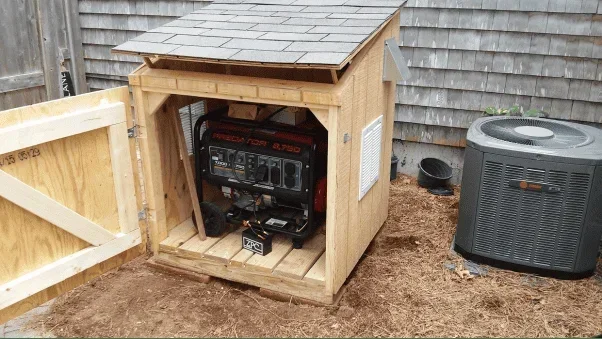
Each type has its strengths. Steel hard shells offer the best protection and noise reduction but are not easy to move around. Fabric pop-up enclosures are lightweight and affordable, making them great for occasional use. Wooden enclosures give you a classic look and can be customized to fit your exact generator size. The best portable generator enclosure for you depends on your budget, how often you use your generator, and where you use it.
When choosing your enclosure, also consider how your generator runs. If you rely on a gas-powered unit, you may want to check out our guide on how much natural gas does a generator use to better understand fuel consumption and plan your enclosure size accordingly.
How to Choose the Right Size Enclosure
Sizing your portable generator enclosure correctly is one of the most important steps. An enclosure that is too small will restrict airflow and cause overheating. One that is too large wastes space and money.
Start by measuring your generator’s length, width, and height. Add at least 12 inches to each dimension to allow for proper airflow and easy access for maintenance. This extra space also makes it easier to refuel, check oil levels, and perform routine generator testing without having to remove the unit from the enclosure.
Consider the weight of your generator as well. Heavier units need sturdier enclosures with reinforced bases. Lightweight fabric enclosures work well for smaller, portable generators, but they may not provide enough support for larger, heavier models.
Here are some quick tips for getting the right size:
- Measure your generator with all accessories attached, including fuel tanks and extension cords.
- Allow extra clearance on all sides for ventilation.
- Check the maximum weight capacity of the enclosure before purchasing.
- Consider future upgrades if you plan to get a larger generator down the road.
Taking the time to choose the correct size ensures your portable generator enclosure works exactly as intended and gives your generator the protection it deserves.
Installation and Maintenance Tips
Once you have your portable generator enclosure, proper installation and regular maintenance will keep everything running smoothly. The good news is that most enclosures are straightforward to set up, and maintenance is minimal.
Installation Best Practices
Place your enclosure on a flat, level surface away from walls, fences, and overhanging branches. This prevents moisture buildup and ensures proper airflow. If you use your generator on a regular basis, consider setting up the enclosure near a dedicated fuel storage area for convenience.
Make sure all ventilation openings face away from your home and any windows. This directs exhaust fumes safely away from living spaces. If your enclosure has adjustable vents, position them to face downwind for the best airflow.
For those who use their generator frequently for backup power, you might also want to learn about how long a generator battery lasts so you can plan your maintenance schedule around battery replacements.
Ongoing Maintenance
Maintaining your enclosure is simple. Wipe down the exterior regularly to remove dirt, pollen, and debris. Check ventilation panels for blockages and clean them as needed. Inspect the enclosure for any signs of rust, cracks, or wear, and address issues promptly before they worsen.
If you have a fabric enclosure, make sure it is completely dry before folding it up for storage. Moisture trapped inside fabric can lead to mold and mildew, which can damage both the enclosure and your generator.
For steel and aluminum enclosures, a quick wipe-down with a protective coating every few months helps prevent corrosion and keeps the finish looking great. These small efforts extend the life of your portable generator enclosure significantly.
Common Mistakes to Avoid
Even the best portable generator enclosure can cause problems if used incorrectly. Here are the most common mistakes people make, along with simple ways to avoid them.
Skipping ventilation. This is the number one mistake. Blocking vents or placing the enclosure too close to walls restricts airflow and leads to overheating. Always ensure your enclosure has unobstructed ventilation on multiple sides.
Choosing the wrong size. An enclosure that is too tight forces heat to build up and makes maintenance a hassle. Always add extra clearance when measuring, as we discussed earlier.
Ignoring local regulations. Some neighborhoods and municipalities have rules about generator use, noise levels, and outdoor enclosures. Before you install your portable generator enclosure, check your local codes to make sure you are in compliance.
Neglecting regular inspections. Just like your generator needs routine maintenance, so does your enclosure. A quick visual check before each use can catch small problems before they become expensive repairs.
Using the enclosure in wet conditions without proper drainage. If your enclosure sits on a flat surface, water can pool underneath and cause rust or mold. Elevate the base slightly or use a mat to promote drainage.
Avoiding these mistakes ensures your generator stays protected, runs efficiently, and serves you well for many years to come.
Final Thoughts on Finding the Best Portable Generator Enclosure
Choosing the right portable generator enclosure comes down to understanding your needs, your budget, and how you use your generator. Whether you need maximum protection for a heavy-duty unit or a lightweight, portable cover for weekend camping trips, there is an enclosure that fits the bill.
Focus on the features that matter most to you: material quality, ventilation, noise reduction, portability, and security. Use our comparison table as a starting point, and do not be afraid to measure your generator carefully before making a purchase.
Remember that a good enclosure is an investment in the longevity of your generator. It protects your equipment from weather damage, reduces noise for you and your neighbors, and adds a layer of safety that every generator owner should have. Take your time, do your research, and you will find the perfect portable generator enclosure that keeps your power setup running smoothly for years to come.
Frequently Asked Questions
What Is a Portable Generator Enclosure and Why Do You Need One?
A portable generator enclosure is a protective housing designed to shield your generator from the elements, debris, and curious onlookers. It helps reduce noise, prevent weather damage, and keeps your unit safe during outdoor use. If you rely on a generator for backup power, an enclosure is one of the smartest investments you can make.
What Materials Work Best for a Portable Generator Enclosure?
Steel and aluminum are the most popular choices because they offer excellent durability and weather resistance. Wood enclosures can also work well but may require more maintenance over time. The best material depends on your budget, how often you use the generator, and the level of protection you need.
How Do You Choose the Right Size for a Portable Generator Enclosure?
Measure your generator’s length, width, and height first, then add at least 6 to 12 inches of clearance on each side for airflow. A properly sized portable generator enclosure ensures ventilation while keeping the unit secure. Always check the manufacturer’s clearance guidelines to avoid overheating.
Can You Build a DIY Portable Generator Enclosure at Home?
Yes, many homeowners build simple enclosures using plywood, steel sheeting, or even repurposed storage sheds. Just make sure to include ventilation openings to prevent carbon monoxide buildup. A DIY approach can save money, but it requires careful planning to ensure safety and durability.
Are Weather-Resistant Portable Generator Enclosures Worth the Extra Cost?
Absolutely. A weather-resistant portable generator enclosure protects your unit from rain, snow, UV rays, and rust, which can significantly extend its lifespan. These enclosures often come with sealed seams, waterproof coatings, and sturdy frames built for outdoor conditions. Paying a bit more upfront can save you from costly repairs or replacements down the road.
How Do You Maintain a Portable Generator Enclosure to Keep It in Good Shape?
Regularly inspect the enclosure for rust, cracks, or loose fittings, especially after harsh weather seasons. Clean the interior to remove dust and debris that can restrict airflow or attract pests. A well-maintained portable generator enclosure will keep your generator running smoothly for years to come.