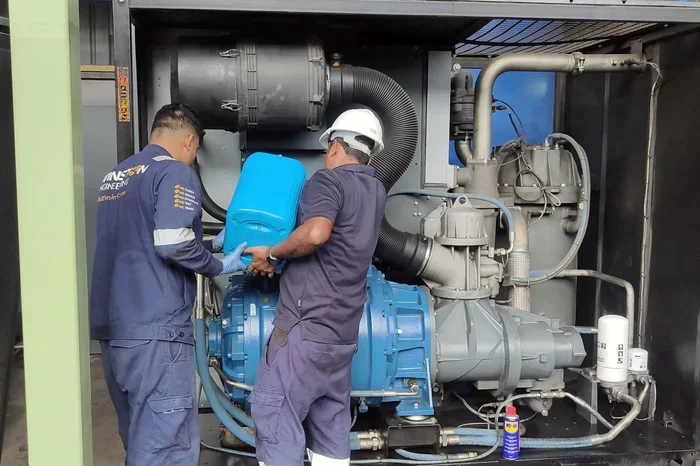
Compressor Servicing Why Regular Maintenance Matters
Regular compressor servicing keeps your equipment running safely, efficiently, and for years longer. Neglecting maintenance leads to costly repairs, downtime, and even dangerous failures. This guide covers everything you need to know about compressor servicing, from checklists to costs and expert tips.
If you own or operate a compressor, you already know how vital this machine is. It powers tools, runs production lines, and keeps operations moving. But here is the thing many people overlook. A compressor only works well when it gets regular care. That is where compressor servicing comes in.
Compressor servicing means checking, cleaning, and repairing your machine on a set schedule. It is not just about fixing things when they break. It is about preventing problems before they start. Think of it like going to the dentist. You do not wait for a toothache. You go regularly to keep everything healthy. The same logic applies to your compressor.
In this article, we will walk you through everything you need to know about compressor servicing. You will learn why it matters, how often to do it, what a service checklist looks like, and how to avoid the most common mistakes. Whether you run a small shop or a large factory, this guide will help you get the most out of your equipment.
Key Takeaways
- Prevents costly breakdowns: Routine compressor servicing catches small issues before they become expensive repairs.
- Boosts efficiency: A well-maintained compressor uses less energy and delivers better performance.
- Extends equipment life: Regular upkeep can double or even triple your compressor’s lifespan.
- Improves workplace safety: Servicing reduces the risk of dangerous compressor failures and accidents.
- Saves money long-term: Preventive maintenance is far cheaper than emergency repairs or full replacement.
- Keeps warranties valid: Most manufacturers require proof of regular air compressor maintenance to honor warranties.
- Simple routine checks matter: Even basic tasks like filter cleaning and oil checks make a big difference.
📑 Table of Contents
- What Is Compressor Servicing and Why Does It Matter
- How Often Should You Service Your Compressor
- Key Steps in a Compressor Service Checklist
- Common Compressor Problems Prevented by Regular Maintenance
- DIY vs Professional Compressor Servicing
- The Cost of Neglecting Compressor Maintenance
- How Regular Servicing Extends Compressor Lifespan
- Expert Tips for Getting the Most from Compressor Servicing
- Conclusion
What Is Compressor Servicing and Why Does It Matter
Compressor servicing is the process of inspecting, cleaning, and maintaining an air compressor to keep it running at peak performance. This includes checking oil levels, replacing filters, inspecting belts, testing safety valves, and looking for wear and tear. It is a mix of routine preventive maintenance and targeted compressor repair work.
Why does this matter so much? A compressor that is not serviced regularly will slowly lose efficiency. It uses more electricity, produces less air pressure, and wears out faster. Over time, the cost of running a poorly maintained machine adds up fast. You pay more in energy bills, you deal with unexpected breakdowns, and you may need to replace the entire unit sooner than you should.
But the risks go beyond money. A neglected compressor can become a safety hazard. Faulty pressure valves, worn hoses, and overheating parts can lead to dangerous situations in the workplace. Regular compressor servicing helps prevent these dangers and keeps your team safe.
The Hidden Costs of Ignoring Maintenance
Many business owners skip or delay compressor servicing to save a few dollars upfront. This is a mistake. The hidden costs add up quickly. A compressor that runs inefficiently wastes electricity. A small leak in a hose can cost hundreds of dollars in wasted air pressure over a year. And when a major component fails unexpectedly, the emergency repair bill can be staggering.
Studies show that companies with a regular air compressor maintenance schedule save 20 to 30 percent on energy costs alone. They also experience far fewer unplanned downtime events. Downtime is one of the biggest money losers in any operation. Every hour a compressor is down, production stops, and money is lost.
How Often Should You Service Your Compressor
The answer depends on the type of compressor you have and how heavily you use it. A general rule of thumb is to schedule compressor servicing at least once a year for light-use machines. For heavy industrial compressors, you may need service every three to six months.
Always check your manufacturer’s guidelines. The owner’s manual will list the recommended compressor inspection intervals. Following these guidelines also helps you keep your warranty valid. Most manufacturers require proof of regular maintenance before they honor a warranty claim.
Service Intervals by Compressor Type
Different compressors have different needs. Here is a quick look at typical service intervals:
- Small reciprocating compressors: Service every 6 to 12 months with light use.
- Large industrial reciprocating compressors: Service every 3 to 6 months depending on hours of use.
- Rotary screw compressors: Service every 4,000 to 8,000 operating hours or at least once a year.
- Centrifugal compressors: Service every 6 to 12 months with regular compressor inspection checks in between.
- Portable compressors: Service every 6 months or after heavy use periods.
These are general guidelines. Your actual needs may vary based on your operating environment. Dusty conditions, extreme temperatures, and constant heavy use all shorten the time between services.
Key Steps in a Compressor Service Checklist
A proper compressor servicing session follows a structured checklist. This ensures nothing gets missed and every critical component gets checked. Here are the key steps a trained technician performs during a standard service.
Step 1: Check and Change the Oil
Oil is the lifeblood of many compressors. It lubricates moving parts, reduces friction, and helps with cooling. Over time, oil breaks down and loses its effectiveness. During compressor servicing, the technician checks the oil level and quality. If the oil is dirty or past its change interval, it gets replaced. Fresh oil keeps your compressor running smoothly and prevents premature wear on internal components.
Step 2: Inspect and Replace Filters
Air filters and oil filters trap dust, debris, and contaminants. When filters get clogged, the compressor has to work harder to pull in air. This reduces efficiency and increases energy consumption. As part of compressor upkeep, filters should be inspected every service and replaced when they show signs of heavy dirt buildup.
Step 3: Check Belts and Hoses
Belts transfer power from the motor to the compressor element. Hoses carry compressed air to the tools and systems that need it. Both belts and hoses wear out over time. A technician will check for cracks, fraying, and proper tension. Loose belts slip and cause the compressor to underperform. Worn hoses can leak, wasting compressed air and reducing pressure.
Step 4: Test Safety Valves and Pressure Gauges
Safety is a top priority in compressor servicing. The pressure relief valve is a critical safety component. It releases excess pressure to prevent explosions and equipment damage. During a service, the technician tests this valve to make sure it opens at the correct pressure. Pressure gauges are also checked for accuracy. A gauge that reads incorrectly can lead to unsafe operating conditions.
Step 5: Clean the Condenser and Cooling System
Compressors generate a lot of heat during operation. The cooling system, including the condenser and fins, needs to stay clean to work properly. Dust and debris can block airflow and cause the compressor to overheat. Overheating is one of the leading causes of compressor failure. Cleaning the cooling system is a simple but essential part of routine compressor check procedures.
Step 6: Drain the Tank
Moisture collects in the compressor tank over time. If this moisture is not drained regularly, it can cause rust and corrosion inside the tank. A technician will open the drain valve and flush out any accumulated water. This simple step prevents tank damage and keeps your compressed air clean and dry.
Common Compressor Problems Prevented by Regular Maintenance
Many compressor problems are entirely preventable with regular compressor servicing. Here are the most common issues that proper maintenance helps avoid.
Overheating
Overheating happens when the compressor cannot cool itself properly. Dirty condensers, low oil levels, and blocked airflow all contribute to this problem. A compressor that overheats repeatedly will eventually fail. Regular air compressor service catches these issues early and keeps the machine running at a safe temperature.
Pressure Loss
If your compressor cannot build or maintain proper pressure, something is wrong. Leaks in hoses, worn seals, or clogged filters can all cause pressure loss. During a compressor inspection, the technician checks for leaks and tests the system’s ability to hold pressure. Fixing small leaks early saves a lot of energy and money.
Unusual Noises
Grinding, knocking, or squealing sounds from a compressor are never a good sign. These noises often indicate worn bearings, loose parts, or a lack of lubrication. Regular compressor servicing catches these problems before they turn into major mechanical failures that require expensive compressor repair.
Moisture and Contamination in Output Air
Clean, dry compressed air is essential for many industrial and workshop applications. Moisture and contaminants in the output air can damage tools, ruin finished products, and create quality problems. Routine maintenance of filters, dryers, and tanks keeps the output air clean and dry.
Motor Failure
The motor is the heart of your compressor. When a motor fails, the entire machine goes down. Motor failure is often caused by overheating, electrical issues, or lack of lubrication. Regular compressor servicing includes motor checks that help prevent sudden and costly motor failures.
DIY vs Professional Compressor Servicing
Some compressor owners try to handle compressor servicing themselves. Others prefer to hire a professional. Both approaches have their place, and the right choice depends on your experience, tools, and the type of compressor you own.
What You Can Do Yourself
There are several simple maintenance tasks any compressor owner can handle. These include checking the oil level, draining the tank, cleaning or replacing air filters, and inspecting hoses for visible damage. These tasks do not require special training or tools. They are great examples of basic compressor upkeep that anyone can do between professional service visits.
Here are some quick DIY tips:
- Check the oil level before every use and top up if needed.
- Drain the tank after every use to prevent moisture buildup.
- Clean or replace the air filter when it looks dirty.
- Wipe down the exterior to keep dust from building up.
- Listen for unusual sounds and investigate them early.
When to Call a Professional
While DIY tasks are great for basic care, compressor servicing by a trained professional is essential for deeper maintenance. Professional technicians have the expertise, diagnostic tools, and access to genuine parts. They can spot problems that an untrained eye would miss. Tasks like valve replacements, motor repairs, and full system overhauls should always be left to the pros.
Hiring a professional also ensures the service is done correctly and documented properly. This documentation is valuable for warranty claims and for tracking your compressor maintenance history over time.
The Cost of Neglecting Compressor Maintenance
It is easy to think that skipping compressor servicing saves money. In reality, it costs much more in the long run. Let us break down the real costs of neglect.
First, there is the cost of emergency repairs. When a compressor breaks down unexpectedly, you pay premium rates for urgent compressor repair. Emergency service calls are more expensive than scheduled maintenance. And the repair itself may be more extensive because the problem was not caught early.
Second, there is the cost of lost productivity. Downtime is expensive. A compressor that is not running means work stops. In a busy factory, every hour of downtime can cost thousands of dollars in lost output. Regular compressor servicing dramatically reduces the risk of unexpected breakdowns.
Third, there is the cost of energy waste. A poorly maintained compressor can use 20 to 30 percent more electricity than a well-maintained one. Over the course of a year, those extra energy costs add up to a significant amount of money.
Finally, there is the cost of premature replacement. A compressor that is well maintained can last 15 to 20 years or more. A neglected compressor may need replacement in 5 to 10 years. The price difference between maintenance and replacement is enormous.
Cost Comparison: Maintenance vs Repair
It is helpful to look at the numbers side by side. A typical annual compressor servicing costs between 200 and 800 dollars for most machines. Emergency repairs, on the other hand, can easily cost 1,000 dollars or more. A full compressor replacement can run anywhere from 3,000 to 20,000 dollars or higher. The math is clear. Investing in regular maintenance saves a significant amount of money over the life of the machine.
How Regular Servicing Extends Compressor Lifespan
One of the biggest benefits of consistent compressor servicing is the extended lifespan it provides. A compressor is a significant investment. You want to get the most life and value out of it as possible.
When a compressor receives regular care, its internal components stay in good condition longer. The motor runs cooler. The moving parts experience less friction. The system maintains proper pressure and efficiency. All of these factors add years to the life of the machine.
Think of it this way. A car that gets regular oil changes and tire rotations can easily last 200,000 miles. A car that never gets maintained may barely make it to 100,000 miles. The same principle applies to your compressor. Regular compressor maintenance is the single best thing you can do to protect your investment and get the longest possible service life from your machine.
Many compressor manufacturers rate their machines for 10 to 15 years of service life under normal conditions. But with consistent compressor servicing, it is not unusual for well-maintained units to exceed those ratings. Some industrial compressors in continuous use last 20 years or more with proper care.
Building a Maintenance Schedule That Works
The best way to ensure your compressor gets the care it needs is to build a maintenance schedule and stick to it. Write down the service dates, note what was done, and set reminders for the next service. This simple habit keeps you organized and ensures nothing falls through the cracks.
You can also track your compressor’s performance over time. Note any changes in pressure, energy usage, or unusual sounds. These observations help your technician catch potential problems early during the next compressor inspection visit.
Expert Tips for Getting the Most from Compressor Servicing
Experienced technicians and industry professionals share a few tips that can help you get the best results from your compressor servicing program.
Tip 1: Keep a detailed service log. Recording every service visit, repair, and part replacement helps you track the health of your compressor over time. It also provides proof of maintenance for warranty claims.
Tip 2: Use genuine parts. Aftermarket parts can save money, but genuine manufacturer parts are designed specifically for your model. They fit better, last longer, and keep your warranty intact.
Tip 3: Train your operators. The people who use the compressor every day are often the first to notice something is wrong. Train them to recognize warning signs like unusual noises, pressure drops, or excessive heat.
Tip 4: Do not skip seasonal checks. If your compressor works harder in summer heat or winter cold, schedule an extra check at the start of each season. Seasonal compressor servicing helps the machine handle changing demands.
Tip 5: Monitor your energy bills. A sudden spike in energy costs can be a sign that your compressor is losing efficiency. This is often an early indicator that compressor upkeep is needed.
Quick Tips for Between Services
Between professional service visits, you can do a few things to keep your compressor in great shape:
- Perform a visual inspection before each use.
- Check the oil level and top up if needed.
- Drain moisture from the tank after every use.
- Keep the area around the compressor clean and well-ventilated.
- Tighten any loose fittings or connections you notice.
- Listen for any new or unusual sounds during operation.
These simple habits take just a few minutes each day but make a big difference in the long run. They complement your professional compressor servicing and help keep the machine running at its best between scheduled visits.
Conclusion
Compressor servicing is not optional. It is a necessary part of owning and operating any compressor. Regular maintenance protects your investment, keeps your workplace safe, improves efficiency, and extends the life of your equipment. The cost of routine service is small compared to the cost of emergency repairs or premature replacement.
Whether you handle basic tasks yourself or rely on a professional, the key is consistency. Stick to a regular compressor maintenance schedule, keep detailed records, and never ignore warning signs. Your compressor works hard for you every day. Give it the care it deserves, and it will reward you with reliable performance for many years to come.
Start today. Review your compressor’s service history, schedule your next compressor servicing appointment, and make regular maintenance a non-negotiable part of your operations. Your future self, your budget, and your equipment will all thank you for it.
Frequently Asked Questions
How much does compressor servicing cost?
The cost of compressor servicing varies based on the type and size of the machine. For most residential and small commercial compressors, annual service costs between 200 and 800 dollars. Larger industrial units may cost more. However, this investment pays for itself by preventing expensive emergency repairs and reducing energy costs.
Can I service my compressor myself?
You can handle basic tasks like checking oil, draining the tank, and cleaning filters. However, deeper compressor maintenance tasks such as valve replacements, motor repairs, and pressure testing should be done by a qualified professional. Proper professional servicing ensures safety and keeps your warranty valid.
What happens if I skip compressor servicing?
Skipping compressor servicing leads to reduced efficiency, higher energy bills, and a greater risk of unexpected breakdowns. Over time, small problems become major issues that require expensive compressor repair. In worst-case scenarios, a neglected compressor can fail completely and need full replacement.
How long does a compressor service take?
A standard compressor servicing appointment typically takes between one and three hours, depending on the type of compressor and the scope of the service. More comprehensive industrial services may take longer. Your technician can give you a specific time estimate when you book the appointment.
What are the signs my compressor needs servicing?
Common signs include unusual noises, reduced pressure, overheating, increased energy usage, and visible leaks. If you notice any of these issues, schedule compressor inspection and compressor repair services right away. Catching problems early through regular compressor upkeep prevents them from becoming serious and costly.
Does regular servicing keep my compressor warranty valid?
Yes, most compressor manufacturers require proof of regular maintenance to honor warranty claims. Keeping detailed service records and following the recommended air compressor maintenance schedule is essential for protecting your warranty coverage. Always check your specific warranty terms for the exact requirements.