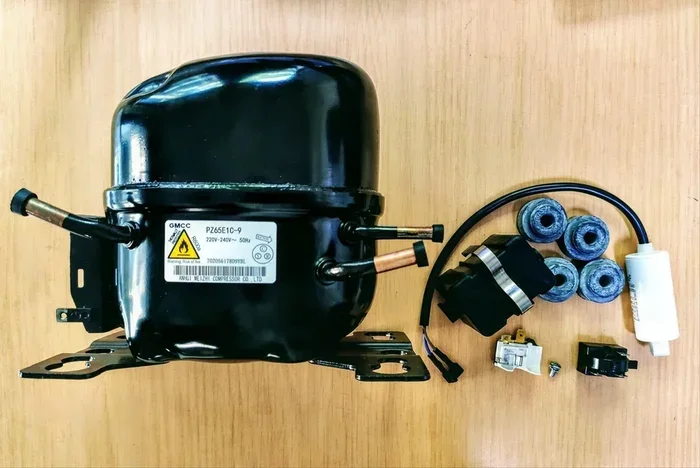
How Much Compressor Oil Do I Need for My Air Compressor
Knowing how much compressor oil do I need is the first step to keeping your air compressor healthy. The right oil level prevents overheating and extends tool life. We break down oil capacity, types, and simple check steps so you can do it confidently every time.
Key Takeaways
- Check your manual first: Every compressor has a specific oil capacity printed on the tank or in the manual.
- Use the right oil type: Synthetic oil lasts longer and protects better than standard mineral oil.
- Don’t overfill or underfill: Both can cause serious damage, from poor lubrication to foaming.
- Check oil level regularly: A quick visual check before each use takes seconds and saves money.
- Change oil on schedule: Most compressors need an oil change every 500 to 1,000 hours of use.
- Oil-free compressors exist: They don’t need oil changes but have other maintenance needs.
- Generators and compressors go hand-in-hand: If you run your compressor off a generator, match the power correctly.
📑 Table of Contents
How Much Compressor Oil Do I Need?
Your air compressor works hard, but it can’t do its job without the right lubrication. Using the wrong amount of oil leads to overheating, premature wear, and costly repairs. Many people ask, how much compressor oil do I need, and the answer depends on your compressor’s type and size. In this article, we’ll walk you through everything you need to know to keep your machine running perfectly.
The good news is that checking and filling oil is simple once you know the basics. You’ll learn how to read your oil capacity, pick the right compressor oil type, and avoid the most common mistakes. Whether you own a small pancake compressor or a large rotary screw model, this guide covers it all. Let’s dive in.
Understanding Your Compressor’s Oil Capacity
Every air compressor has a specific oil capacity. This is the total amount of oil the crankcase can hold when the machine is level and the oil is at the correct oil fill level. Knowing this number is the starting point for answering how much compressor oil do I need. The capacity is usually printed on a sticker near the tank or written in the owner’s manual.
How to Find the Oil Fill Capacity
Look for a number followed by “oz” or “cc” on the compressor’s nameplate. Some manufacturers list it in quarts. A small portable compressor might hold just 6 to 8 ounces, while a larger 5-horsepower unit could need 20 ounces or more. If you can’t find the manual, search online using your model number. Most brands post PDF manuals on their websites.
Here are a few typical oil capacities to give you an idea:
- Small pancake compressors (1–2 HP): 6–10 ounces
- Mid-size portable compressors (3–5 HP): 12–20 ounces
- Stationary 5 HP compressors: 18–24 ounces
- Rotary screw compressors: 1 to 3 liters or more
Oil Sight Glass vs. Dipstick
Many compressors use a clear oil sight glass on the side of the crankcase. You can see the oil level through the glass without opening anything. Others use a traditional dipstick. If you have a dipstick, pull it out, wipe it clean, reinsert it fully, and then check the level. The oil should sit between the minimum and maximum marks. Never rely on the oil looking full to the top of the sight glass—that’s actually overfilling.
Types of Compressor Oil
Not all oils are the same. Using the wrong compressor lubricant can void your warranty and harm your machine. The two main categories are standard mineral oil and synthetic oil. Some compressors also require special non-toxic or food-grade oil for certain environments.
Synthetic vs. Mineral Oil
Standard mineral oil is affordable and works fine for light-duty home use. It breaks down faster under heat, so you’ll need to change it more often. Synthetic compressor oil is designed to handle higher temperatures and last longer. It flows better in cold weather and protects internal parts more effectively. If you run your compressor often or in hot conditions, synthetic oil is worth the extra cost.
Here’s a quick comparison:
- Mineral oil: Lower cost, shorter life, good for occasional use.
- Synthetic oil: Higher cost, longer life, better protection, smoother operation.
- Blend oils: A mix of both, offering a middle ground.
When to Use Non-Toxic or Food-Grade Oil
If your compressor is used in a food processing plant, a laboratory, or a clean room, you need a non-toxic compressor oil. Standard oils can contaminate the air supply. Food-grade oils are made from safe ingredients and meet strict regulations. Always check the manufacturer’s recommendation before switching oil types.
Step-by-Step: How to Check and Add Oil
Checking and adding oil is one of the simplest maintenance tasks. Doing it regularly keeps your air compressor oil system healthy and prevents unexpected breakdowns. Follow these steps to get it right every time.
What You’ll Need
- The correct compressor oil (check your manual for the recommended viscosity, usually 20W or 30W)
- A clean funnel
- A rag or paper towel
- Your owner’s manual
Draining Old Oil
Before adding fresh oil, you may need to drain the old oil if it’s time for a change. Place a container under the drain plug at the bottom of the crankcase. Remove the plug and let the oil flow out completely. Replace the plug securely once the oil stops dripping. Never let old oil sit in the crankcase for long—it loses its lubricating properties.
Filling to the Right Level
Locate the oil fill port on top of the compressor. Remove the cap, insert a clean funnel, and pour the oil in slowly. Stop frequently to check the level using the sight glass or dipstick. The goal is to stay between the minimum and maximum marks. Once you’re close, remove the funnel, wipe any spills, and replace the cap. Start the compressor and let it run for a minute, then check the level again with the machine off.
Common Mistakes That Damage Your Compressor
Avoiding these simple errors can save you hundreds of dollars in repairs. Many compressor problems start with oil mistakes that are easy to prevent.
Overfilling and Underfilling
Overfilling causes the oil to foam, which leads to poor lubrication and potential seal damage. Foamed oil can also leak out of vents and create a mess. Underfilling means the internal parts run dry, causing metal-on-metal friction, overheating, and eventual seizure. Always measure carefully and never guess.
Using the Wrong Oil Viscosity
Viscosity refers to how thick the oil is. Using oil that’s too thin won’t protect the bearings properly. Oil that’s too thick won’t flow fast enough to reach all the moving parts. Stick to the viscosity grade recommended by the manufacturer. The number on the oil bottle (like 20W-30) tells you its thickness at different temperatures.
Quick Tips for Extending Oil Life
Good habits make your oil last longer and keep your compressor running strong. These simple tips take only a few minutes but add up to big savings over time.
- Check oil before every use: A 10-second glance at the sight glass can prevent problems.
- Keep the area clean: Dirt and debris around the oil fill port can fall into the crankcase.
- Change the oil filter regularly: A clogged filter contaminates the oil faster.
- Run the compressor in a ventilated area: Heat breaks down oil, so good airflow helps.
- Record your oil changes: Write down the date and hours to stay on schedule.
Expert Insights: What the Pros Do
Professional technicians follow a few simple rules that keep compressors running for years. They know that maintenance is cheaper than replacement. Here’s what the experts recommend.
Maintenance Schedules from Technicians
Most pros change the oil every 500 to 1,000 hours of operation. They also inspect the oil sight glass for discoloration. Dark, gritty oil means it’s time for a change. They never skip the oil filter, and they always use the manufacturer-recommended oil. This discipline prevents unplanned downtime on job sites.
If you’re using a generator to power your compressor on a remote job site, you’ll want to make sure your power setup is correct. Check our guide on how big of a generator you need for your camper to ensure you have enough wattage. Similarly, for running power tools off a generator, see what size generator to run power tools. And if you’re curious about fuel consumption, we explain how much gas a generator uses during a typical job.
Linking Generators to Compressor Use
Many contractors run their compressors off portable generators. The key is matching the generator’s output to the compressor’s motor. A small compressor might run fine on a 2,000-watt generator, but a larger 5 HP unit needs at least 3,500 watts of starting power. Always check the compressor’s rated amps and the generator’s surge wattage before plugging in.
Key Takeaways
Mastering how much compressor oil do I need is one of the easiest ways to protect your investment. The right oil level, the correct oil type, and regular checks keep your compressor running smoothly and efficiently. Remember to consult your manual, use a clean funnel, and never ignore the oil sight glass. With these habits, your compressor will serve you reliably for years.
Conclusion
So, how much compressor oil do I need? The answer is simple: follow your manufacturer’s oil capacity, use the right type of air compressor oil, and check the level often. A few minutes of attention today saves you from expensive repairs tomorrow. Whether you’re a weekend hobbyist or a full-time contractor, keeping your compressor properly lubricated is the best thing you can do. Start by checking your oil level right now, and make it part of your regular routine. Your compressor will thank you with steady, reliable performance.
Frequently Asked Questions
How often should I change my compressor oil?
Most compressors need an oil change every 500 to 1,000 hours of use, or at least once a year if you use it frequently. Check your manual for the exact interval. Synthetic oil can extend this range slightly.
Can I use motor oil in my air compressor?
It’s best to avoid standard motor oil. Motor oil contains additives that can create sludge in a compressor. Always use oil specifically labeled for air compressors, and match the viscosity recommended by the manufacturer.
What happens if I overfill my compressor with oil?
Overfilling causes the oil to foam, which reduces lubrication and can lead to seal damage, oil leaks, and poor performance. If you overfill, drain the excess until the level is between the minimum and maximum marks.
Do oil-free compressors need any oil?
Oil-free compressors come pre-lubricated with a special coating and do not require you to add or change oil. However, they still need regular maintenance like cleaning air filters and checking for wear.
How do I know if my compressor oil is bad?
Bad oil looks dark, gritty, or milky. It may have a burnt smell. If you notice any of these signs, drain the oil and replace it with fresh oil immediately to prevent internal damage.
What is the best compressor oil for a home workshop?
For most home workshops, a standard 20W or 30W compressor oil works well. If you run your compressor often or in hot conditions, a synthetic blend offers better protection and longer life.