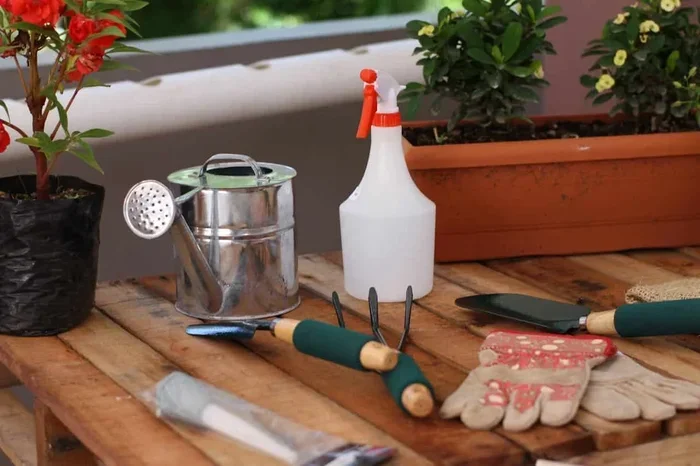
Does Goodwill Take Garden Tools Here Is What You Need Know
Yes, goodwill does take garden tools in most cases. Goodwill accepts gently used gardening equipment like shovels, rakes, pruners, and hoses at their donation centers. However, there are specific guidelines and conditions you should know before dropping off your used garden gear.
Key Takeaways
- Goodwill generally accepts garden tools: Most goodwill stores welcome gently used hand tools and basic gardening equipment.
- Condition matters a lot: Tools should be clean, functional, and free of major damage to be accepted.
- Some items get rejected: Broken, rusted beyond repair, or missing parts tools often end up in the trash.
- Preparation makes a difference: Cleaning and organizing your tools before donation increases your chances of acceptance.
- Donating helps your community: Your old garden tools can find new life with someone who needs them.
- Not all goodwill locations are the same: Policies vary by store, so calling ahead is always smart.
📑 Table of Contents
- Does Goodwill Take Garden Tools? Here Is What You Need to Know
- What Types of Garden Tools Does Goodwill Accept
- How to Prepare Your Garden Tools for Donation
- What Garden Tools Does Goodwill Typically Reject
- Why Donating Garden Tools to Goodwill Makes a Difference
- Popular Tool Brands Goodwill Shoppers Love
- Tips for a Smooth Goodwill Donation Experience
- Alternative Places to Donate Garden Tools
- Quick Tips for Donating Garden Tools
- Common Mistakes People Make When Donating Garden Tools
- Expert Insights on Tool Donations
- How Goodwill Processes Tool Donations
- Conclusion
Does Goodwill Take Garden Tools? Here Is What You Need to Know
Have a bunch of old garden tools sitting in your garage? Maybe you upgraded your setup, or your plants didn’t make it through last summer. Either way, you are left with shovels, rakes, and maybe a busted pair of shears. The natural question is simple: does goodwill take garden tools? The short answer is yes, but there are some important details you should know before you load up your car and drive to the nearest donation center.
Goodwill is one of the largest charitable organizations in the United States. They accept all kinds of household items, clothing, and yes, even tools. But not every item they receive makes it to the sales floor. Some things get sold, some get recycled, and some unfortunately get tossed. Understanding how goodwill handles garden tool donations can save you time and help your favorite charity do even more good.
In this guide, we will walk you through everything you need to know. We will cover what types of garden tools goodwill accepts, how to prep your items, what gets rejected, and why your donation really does matter. Let us dig in.
What Types of Garden Tools Does Goodwill Accept
Goodwill stores are fairly flexible when it comes to tool donations. They are not picky about every little detail, but they do have standards. Here is a look at the garden tools that goodwill typically welcomes.
Hand Tools
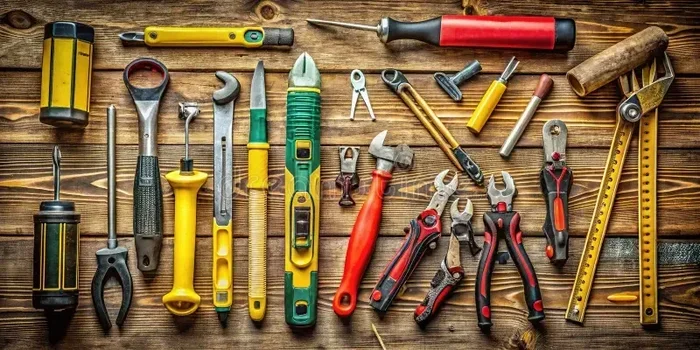
Basic hand tools are the bread and butter of any garden. Goodwill generally accepts these items with open arms:
- Shovels and spades – both round point and flat head styles
- Rakes – leaf rakes and garden rakes alike
- Hoes – standard garden hoes and stirrup hoes
- Trowels and hand cultivators – small handheld digging tools
- Pruners and shears – bypass pruners, anvil pruners, and hedge shears
- Loppers – long handled pruning tools for thicker branches
- Garden forks – digging forks and pitchforks
- Hand saws – small pruning saws and folding saws
The key word here is gently used. A shovel with a slightly dulled edge is perfectly fine. A shovel with a cracked wooden handle or a bent blade might not make the cut.
Hoses and Watering Equipment
Goodwill also tends to accept garden hoses, sprinkler heads, and watering cans. These items are useful for many homeowners. Just make sure your hose does not have major cracks or leaks that cannot be fixed with a simple connector. A hose that kinks badly or has large holes will likely be rejected.
Power Tools for the Garden
Some goodwill locations accept powered garden tools, but this varies widely by store. Items like electric trimmers, corded leaf blowers, and small electric tillers may be accepted if they are in working condition. However, gas-powered tools like chainsaws or pressure washers are often declined due to safety concerns and liability issues. Always call your local goodwill donation center ahead of time if you are planning to drop off power tools.
How to Prepare Your Garden Tools for Donation
Nobody wants to receive a box of dirty, rusted tools. Taking a little time to prepare your garden equipment before donation goes a long way. Here is how to make sure your items are ready for the goodwill floor.
Clean Your Tools Thoroughly
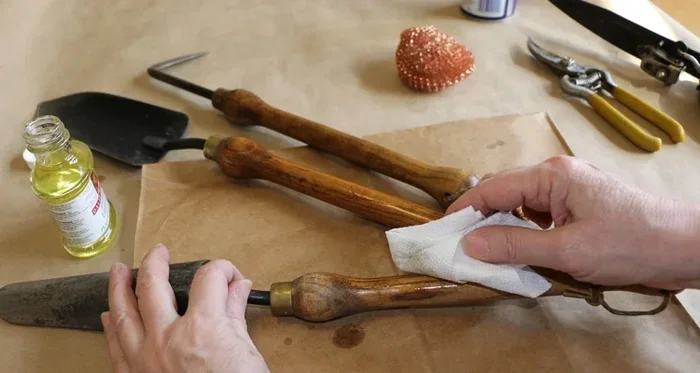
Start by giving each tool a good cleaning. Use a stiff brush to knock off caked-on dirt. For metal parts, a quick wipe with a damp cloth works well. If you notice surface rust, now is a great time to address it. Many people do not know that you can easily remove rust from tools using simple household items like vinegar or baking soda. A little elbow grease can make an old tool look almost new again.
Cleaning your tools is not just about appearances. It shows respect for the goodwill staff who will be handling your donations. It also increases the chances that someone will actually buy your tools at a goodwill store rather than tossing them aside.
Sharpen Blades and Check Functionality
Take a moment to sharpen the cutting edges of your pruners, shears, and shovels. A sharp tool cuts better and feels safer to use. Check that all moving parts work smoothly. If a pruner blade is stuck or a rake handle is loose, try fixing it before you donate. Simple repairs like tightening a bolt or replacing a worn rubber grip can turn a rejected donation into an accepted one.
Organize and Group Your Tools
Instead of dumping loose tools into a box, take a few minutes to group them together. Tie rakes and shovels with a bungee cord. Wrap pruners in a cloth to protect the blades. Organized donations are easier to process, and goodwill staff appreciate the effort. When you show up with a neat bundle of tools, the staff is much more likely to accept everything without hesitation.
What Garden Tools Does Goodwill Typically Reject
Understanding what goodwill will not accept helps you avoid an awkward rejection at the donation door. Here are common reasons garden tools get turned away:
- Broken beyond repair: A shovel with a snapped handle or a rake with missing tines usually cannot be sold.
- Heavy rust or corrosion: Tools that are flaking apart and covered in deep rust fall into this category.
- Missing parts: A hedge trimmer without a blade or a hose without any fittings will not be accepted.
- Dangerous items: Anything sharp, jagged, or potentially hazardous gets flagged immediately.
- Gas-powered equipment: Many goodwill locations decline gas-powered tools due to fuel residue and safety regulations.
- Heavily worn items: Tools that are barely functional and would cost more to repair than they are worth.
If your tools fall into any of these categories, do not despair. There are other options. You can look into local tool libraries, community repair workshops, or scrap metal recycling centers. Sometimes the best thing to do is recycle the metal components responsibly.
Why Donating Garden Tools to Goodwill Makes a Difference
You might wonder why it even matters where your old garden tools end up. The truth is, donating to goodwill has a ripple effect that goes far beyond your garage.
When you donate to goodwill, the proceeds from sold items fund job training programs, employment services, and community support initiatives. Goodwill helps people build skills, find work, and gain independence. Your old garden fork might only sell for a dollar or two, but that dollar contributes to programs that change lives.
Additionally, donating tools keeps them out of landfills. Garden equipment is often made of metal, plastic, and wood. When these materials end up in a landfill, they take decades to break down. By donating instead of trashing your tools, you are making a small but meaningful choice for the environment.
Think about it this way. Someone on a fixed income might need a basic garden shovel but cannot afford a new one. A goodwill store offers that person the chance to buy quality tools at a fraction of the retail price. Your donation fills that gap.
Popular Tool Brands Goodwill Shoppers Love
Not all garden tools are created equal in the resale market. Certain brands hold their value and attract buyers at goodwill stores. If you are deciding which tools to donate and which to sell or give away elsewhere, brand name matters.
Brands like Craftsman are widely recognized and trusted by homeowners. Craftsman tools are sold through various retailers and remain popular among DIY gardeners. A Craftsman shovel or set of pliers in good condition will likely sell quickly at a goodwill store.
Another brand worth mentioning is Milwaukee. Milwaukee tools are known for durability and professional-grade quality. While Milwaukee is more associated with construction and workshop tools, their hand tools and powered garden equipment are highly sought after. If you have Milwaukee garden tools in good shape, they could fetch a decent price at goodwill or any secondhand shop.
Other brands that goodwill shoppers often look for include DeWalt, Stanley, Fiskars, and Felco. If your garden tools bear one of these brand names and are in working order, they stand a strong chance of being sold rather than discarded.
Tips for a Smooth Goodwill Donation Experience
Follow these practical tips to make your garden tool donation as easy and effective as possible:
- Call ahead. Not every goodwill location has the same capacity or storage space. A quick phone call can confirm whether they are currently accepting tool donations.
- Check goodwill hours. Most stores have specific donation drop-off hours that differ from shopping hours. Arriving during donation hours saves you a trip.
- Bundle similar items together. Group all your hand tools in one box and hoses in another. This makes sorting easier for the staff.
- Keep your receipt. Goodwill provides donation receipts for tax purposes. Even if you do not itemize deductions, it is good practice to hold onto the receipt.
- Consider goodwill pickup services. Some goodwill chapters offer free pickup for large donations. Check your local goodwill website to see if this service is available in your area.
- Donate during off-peak hours. Early mornings or weekday afternoons tend to be less busy, making the drop-off process smoother for both you and the staff.
Alternative Places to Donate Garden Tools
If your local goodwill store cannot accept your garden tools, do not give up hope. Several other organizations and programs welcome tool donations:
- Habitat for Humanity ReStores: These resale shops accept new and used building materials and tools. Proceeds fund local home building projects.
- Local community gardens: Many community gardens accept donated tools for shared use by members.
- Schools and vocational programs: Educational institutions often welcome tool donations for shop classes and landscaping projects.
- Tool libraries: A growing trend in many cities, tool libraries lend equipment to community members for free or at low cost.
- Online marketplaces: Platforms like Facebook Marketplace or Freecycle allow you to give tools directly to someone in your neighborhood.
Each of these alternatives serves a different purpose, but they all share the same goal: keeping usable items out of landfills and putting them to work in the hands of people who need them.
Quick Tips for Donating Garden Tools
- Wipe down all metal surfaces before packing your tools for transport.
- Remove any personal belongings or items left in toolboxes or pouches.
- Test battery-powered tools to confirm they still hold a charge.
- Wrap sharp edges with tape or cloth to prevent injuries during handling.
- Label boxes clearly so goodwill staff can sort your donation efficiently.
- Ask about goodwill tax deduction guidelines if you plan to claim your donation on your taxes.
Common Mistakes People Make When Donating Garden Tools
Avoid these common pitfalls to ensure your donation is accepted and put to good use:
Mistake 1: Assuming everything will be accepted. Goodwill has guidelines for a reason. Just because they accept donations does not mean they will accept every single item you bring. Check their current donation policy before you go.
Mistake 2: Donating items that are truly broken. It feels generous to donate your old tools, but a completely non-functional item wastes goodwill staff time and storage space. Be honest about whether your tools still work.
Mistake 3: Not calling ahead. Goodwill stores vary widely in what they accept and their current storage capacity. A five-minute phone call can save you a wasted trip and help the staff plan for incoming donations.
Mistake 4: Leaving donations outside the building. Always bring your items inside to the designated donation area. Leaving boxes outside creates litter and can expose your donation to weather damage.
Mistake 5: Forgetting to erase personal information. If your tools were stored in a shed or garage with address labels, name tags, or personal markings, take a moment to remove anything that identifies you before donating.
Expert Insights on Tool Donations
Goodwill donation managers often share the same advice: cleanliness and functionality are everything. According to industry insiders, goodwill stores receive thousands of donations daily during peak seasons like spring and early summer. Garden tool donations spike around April and May when people start their gardening season. Showing up with clean, working tools during this busy period helps your donation stand out.
Experts also recommend thinking about the buyer. The person purchasing your donated garden tools at goodwill is likely a budget-conscious homeowner or a beginner gardener. Tools that are easy to use, well-maintained, and complete with all parts will sell faster and serve their new owner better.
One goodwill donation coordinator shared that the single biggest factor in whether a tool gets accepted is simply whether it works. A basic hand trowel that still digs properly will always be preferred over a fancy powered cultivator that no longer turns on. Keep this in mind as you sort through your collection.
How Goodwill Processes Tool Donations
Once you drop off your garden tools, what happens next? Understanding the goodwill donation process helps set realistic expectations about where your tools end up.
First, donations are sorted by category at the goodwill facility. Tools go to the hardware and home goods section. Staff members inspect each item for damage and functionality. Items in good condition are priced and placed on the sales floor. Items that are damaged or non-functional are sent to recycling or disposal.
Some goodwill locations partner with vocational training programs. In these cases, tools that are still usable but not sellable might be used for training purposes. This is yet another way your donation creates value in the community.
The entire process typically takes a few days to a couple of weeks. During busy seasons, the turnaround might be faster because demand for garden tools spikes in spring. During fall and winter, garden tools may sit on shelves longer until the next gardening season arrives.
Conclusion
So, does goodwill take garden tools? The answer is a clear yes, with a few conditions attached. Goodwill accepts most garden hand tools, hoses, and watering equipment that are clean and in working order. Broken, heavily rusted, or dangerous tools will likely be rejected. By taking the time to clean, sharpen, and organize your tools before donation, you make the process smoother for everyone involved.
Donating your old garden tools to goodwill is a win-win situation. You clear out clutter, help a charitable organization fund important community programs, and give your tools a second life with someone who will appreciate them. It is one of the simplest ways to make a positive impact in your neighborhood.
Next time you clean out your garage or upgrade your garden setup, remember that your old tools still have value. Take them to goodwill, give them a second chance, and feel good knowing you did something meaningful. Happy gardening, and happy donating.
Frequently Asked Questions
Can I donate garden tools that are slightly rusty to Goodwill?
Light surface rust is usually okay if the tool still functions properly. However, heavy rust that weakens the metal or makes the tool unsafe will likely result in rejection. Consider cleaning rust off your tools before donating to improve your chances of acceptance.
Does Goodwill accept electric garden trimmers and hedge clippers?
Many goodwill locations accept electric trimmers and clippers if they are in working condition. Corded electric tools are generally more accepted than battery-powered ones. Always call your local goodwill store first to confirm their policy on powered garden equipment.
Can I get a tax deduction for donating garden tools to Goodwill?
Yes, goodwill donations are typically tax-deductible. You should request a donation receipt at the time of drop-off. For tools valued over a certain amount, you may need to obtain a professional appraisal. Check current IRS guidelines for the most up-to-date deduction rules.
What should I do if my local Goodwill refuses my garden tools?
If goodwill cannot accept your tools, consider alternative options like Habitat for Humanity ReStores, local community gardens, tool libraries, or online donation platforms. You can also check with local vocational schools or community centers that might welcome tool donations for training programs.
Is there a best time of year to donate garden tools to Goodwill?
Spring and early summer are peak donation seasons, which means goodwill stores are well-stocked with garden tools. Donating in late fall or winter might actually help your tools sell faster since inventory is lower and demand rises again with the gardening season.
Do I need to be a customer at Goodwill to donate garden tools there?
No, goodwill donation centers are open to the public regardless of whether you shop there. Anyone can drop off donations at the designated donation entrance. You do not need to be a member or have an account of any kind.