Compressor Pressure Sensor How to Pick the Best One
A compressor pressure sensor is a small but vital part of your air compressor system. It monitors air pressure and keeps your machine running safely and efficiently. Choosing the right sensor means fewer breakdowns, better performance, and lower energy costs. In this guide, you will learn about the different types, key features to look for, and how to install and maintain your sensor. By the end, you will feel confident picking the best compressor pressure sensor for your needs.
You rely on your air compressor every day. It powers your tools, fills your tanks, and keeps your workshop running. But here is something many people overlook. The compressor pressure sensor is the quiet hero that makes it all work. Without it, your compressor would not know when to turn on or off. It would not protect your tank from dangerous pressure levels. And it would waste energy like crazy.
So how do you pick the right one? The market is full of options. Some sensors are simple and affordable. Others are packed with advanced features. This guide walks you through everything you need to know. You will learn what a compressor pressure sensor does, the types available, and how to choose the best one for your setup. Let us dive in.
Key Takeaways
- Know Your System: Matching your sensor to your compressor type and tank size is essential for accurate readings.
- Choose the Right Type: Analog and digital pressure sensors each have unique benefits depending on your setup.
- Focus on Key Features: Look for accuracy, durability, response time, and easy installation when buying.
- Installation Matters: Proper placement and wiring make a big difference in sensor performance and lifespan.
- Maintenance Is Simple: Regular cleaning and calibration checks keep your sensor working reliably for years.
- Avoid Common Mistakes: Skipping calibration or ignoring warning signs leads to costly repairs and safety risks.
📑 Table of Contents
- What Is a Compressor Pressure Sensor and Why It Matters
- Types of Pressure Sensors for Compressors
- Key Features to Look For When Buying
- How to Install and Set Up Your Pressure Sensor
- Common Problems and How to Fix Them
- Maintenance Tips for Long-Lasting Performance
- Comparison Table: Analog vs Digital Sensors
- Expert Insights on Choosing the Right Sensor
- Key Takeaways
- Conclusion
What Is a Compressor Pressure Sensor and Why It Matters
A compressor pressure sensor is a device that measures the air pressure inside your compressor tank or system. Think of it as the brain that tells your compressor when to start and stop. When pressure drops below a set level, the sensor signals the motor to kick on. When pressure reaches the top limit, it tells the system to shut off. This cycle keeps your air supply steady and your equipment safe.
These sensors come in different shapes and sizes. Some are built right into the compressor. Others can be added as aftermarket upgrades. They use a diaphragm or a bourdon tube to detect pressure changes. The sensor then sends a signal to your pressure switch or control panel. Without a working compressor pressure sensor, your compressor would run nonstop or fail to start when you need it most.
Why does this matter so much? First, it protects your compressor tank from overpressure. Too much pressure can cause a dangerous rupture. Second, it saves energy. A good sensor ensures your compressor only runs when needed. Third, it extends the life of your entire system. When your compressor pressure sensor works correctly, every part lasts longer.
How the Sensor Works with the Pressure Switch
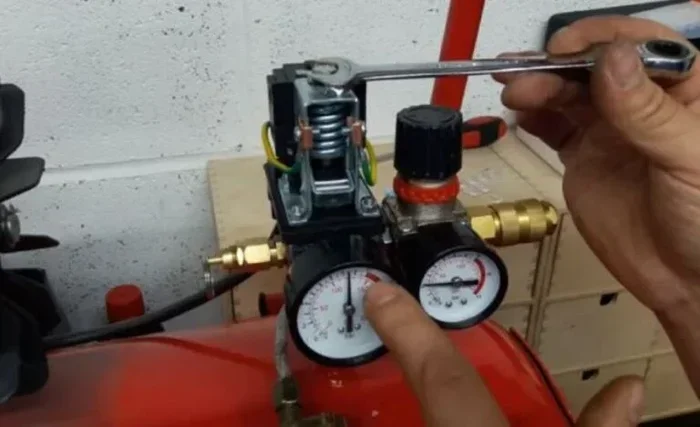
The pressure switch and the sensor work hand in hand. The sensor reads the air pressure. The switch acts on that information. Together, they control the compressor motor. Most systems set two pressure points. The cut-in pressure is when the compressor starts. The cut-out pressure is when it stops. Your sensor must be accurate enough to detect these changes reliably.
If your sensor drifts out of calibration, you will notice problems. The compressor might short-cycle. That means it turns on and off too often. This wears out the motor fast. Or the compressor might not reach the right pressure at all. Either way, a faulty sensor leads to wasted energy and higher bills.
Types of Pressure Sensors for Compressors
Not all pressure sensors are the same. Different types work better for different applications. Let us break down the most common options you will find on the market today.
Analog Pressure Sensors
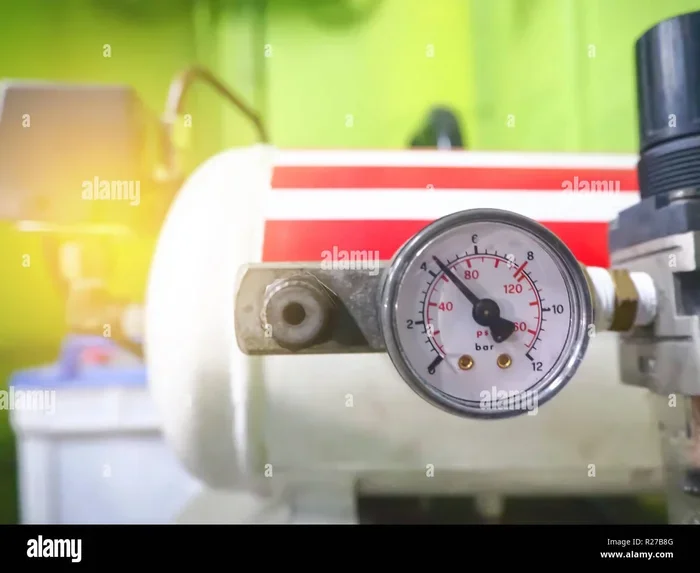
Analog sensors use a simple mechanical design. They often feature a needle gauge or a diaphragm that moves with pressure changes. These are the most traditional type of compressor pressure sensor. They are reliable, affordable, and easy to read.
Analog sensors work great for basic compressor setups. If you run a small workshop or a home garage, an analog sensor gets the job done. They do not need electricity to function. This makes them very durable and low-maintenance. The downside is that they do not offer digital readouts or remote monitoring. You have to look at the gauge yourself to check pressure.
Digital Pressure Sensors
Digital sensors use electronic components to measure pressure. They display readings on a screen, often with precise numbers. These sensors offer much higher accuracy than analog options. Many digital compressor pressure sensors also connect to Bluetooth or Wi-Fi. This lets you monitor your system from your phone or tablet.
Digital sensors are ideal for industrial settings or serious hobbyists. If you need exact pressure readings for sensitive tools, go digital. They also store data over time. This helps you track trends and spot problems early. The trade-off is cost. Digital sensors are more expensive upfront. But for many users, the extra accuracy and features are worth it.
Pressure Transducers
A pressure transducer is a more advanced type of sensor. It converts pressure into an electrical signal. This signal goes to a controller or display unit. Transducers are common in larger compressor systems. They offer very fast response times and high precision. If you run a production line or a commercial shop, a pressure transducer is a smart choice.
Key Features to Look For When Buying
Shopping for a compressor pressure sensor can feel overwhelming. There are so many options out there. Here are the features you should focus on to make the right choice.
Accuracy and Precision
Accuracy is the most important factor. A good sensor should read within one to two percent of the actual pressure. If your sensor is off by a lot, your compressor will not perform at its best. Look for sensors with a stated accuracy rating. The lower the percentage, the better the sensor performs.
Pressure Range and Compatibility
Make sure the sensor matches your compressor’s pressure range. Most home compressors run between 100 and 150 PSI. Industrial compressors can go much higher. Check the maximum pressure rating before you buy. A sensor that cannot handle your system’s pressure will fail quickly. Always pick a sensor rated above your highest expected pressure.
Response Time
Response time is how fast the sensor detects pressure changes. A slow sensor means your compressor runs longer than it should. This wastes energy and wears out parts. Look for sensors with a fast response time, especially if you use tools that need steady pressure. A quick response keeps your system efficient and your tools performing well.
Durability and Build Quality
Your sensor will face vibration, heat, and moisture every day. It needs to handle all of that. Stainless steel and brass housings are the most durable. Avoid plastic sensors for heavy-duty use. Check the IP rating, which tells you how well the sensor resists dust and water. A higher IP rating means better protection in tough environments.
Ease of Installation
Some sensors require professional installation. Others are designed for DIY setup. Look for sensors with clear instructions and standard fittings. A compressor pressure sensor that is easy to install saves you time and money. If you are not handy, choose a plug-and-play model.
Price and Value
You do not always need to spend a lot. Good sensors are available at every price point. Set a budget based on your needs. A basic analog sensor costs around 20 to 40 dollars. A digital sensor with smart features can run 100 dollars or more. Focus on value, not just the lowest price. A well-made sensor saves you money in the long run.
How to Install and Set Up Your Pressure Sensor
Installing a compressor pressure sensor is easier than most people think. With the right tools and a little patience, you can do it yourself. Here is a step-by-step guide to get you started.
First, turn off your compressor and unplug it from the power source. Safety always comes first. Release any remaining pressure from the tank by opening the drain valve. Wait for the gauge to read zero before you proceed.
Next, locate the pressure port on your compressor. This is where the sensor will connect. Remove the old sensor or fitting if there is one already there. Use a wrench to loosen it carefully. Clean the threads with a wire brush so you get a tight seal.
Now, apply thread sealant tape to the new fitting. Wrap it clockwise around the threads. This prevents air leaks. Screw the new compressor pressure sensor into the port by hand first. Then tighten it with a wrench. Do not overtighten. You could damage the threads or the sensor itself.
If you are installing a digital sensor, you will also need to connect the wiring. Follow the manufacturer’s diagram carefully. Most sensors have color-coded wires. Match them to the corresponding terminals on your compressor’s control board. Once everything is connected, plug in the compressor and turn it on. Check the readings to make sure the sensor is working properly.
Quick Tips for a Smooth Installation
- Always work on a cold compressor. Hot parts can cause burns.
- Keep a towel nearby to catch any residual air or moisture.
- Test the sensor under load before relying on it fully.
- Double-check all connections for leaks after installation.
- Take a photo before you remove the old sensor for reference.
Common Problems and How to Fix Them
Even the best compressor pressure sensor can develop issues over time. The good news is that most problems are easy to fix. Here are the most common ones and what you can do about them.
Sensor Reading Inaccurately
If your sensor shows the wrong pressure, it may need recalibration. Over time, sensors drift out of alignment. To recalibrate, compare the sensor reading with a known pressure gauge. If there is a difference, adjust the sensor according to the manufacturer’s instructions. Some digital sensors have a built-in calibration button. Analog sensors may need a small screw adjustment.
Short Cycling
Short cycling means the compressor turns on and off too often. This usually happens when the sensor is set too close to the cut-in and cut-out pressures. Check your pressure switch settings. Widening the pressure band can fix this problem. If the sensor itself is faulty, it may need replacement. A worn-out sensor cannot detect pressure changes accurately.
Air Leaks at the Connection
A hissing sound near the sensor means you have an air leak. This is very common after installation. Check the thread sealant tape. You may need to remove the sensor and reapply it. Also inspect the O-ring or gasket. A damaged seal will cause leaks no matter how tight you tighten the fitting.
Sensor Not Responding
If the sensor does not respond at all, check the electrical connections. A loose wire or corroded terminal can break the circuit. For digital sensors, check the display for error codes. These codes tell you exactly what is wrong. If the sensor has been exposed to extreme pressure or heat, it may be permanently damaged. In that case, replacement is the only option.
Corrosion and Moisture Damage
Moisture is the enemy of any pressure sensor. Over time, water can seep into the sensor housing and cause corrosion. This is especially common in humid environments or systems without proper air drying. To prevent this, install a moisture trap or air dryer upstream of the sensor. Also, choose a sensor with a high IP rating for better protection.
Maintenance Tips for Long-Lasting Performance
Taking care of your compressor pressure sensor is simple. A little regular maintenance goes a long way. Here are the best practices to keep your sensor working at its best.
First, inspect the sensor visually every month. Look for cracks, rust, or loose connections. Clean the sensor housing with a dry cloth. Remove any dust or debris that has built up. This is especially important in workshops with a lot of airborne particles.
Second, check the calibration at least twice a year. Use a trusted reference gauge to compare readings. If the sensor is off by more than two percent, recalibrate it. Most manufacturers recommend professional calibration once a year for industrial applications.
Third, keep the sensor dry. Moisture causes corrosion and electrical problems. Make sure any condensation in your air lines drains properly. Install a moisture separator if needed. This simple step can double the life of your compressor pressure sensor.
Fourth, replace worn gaskets and O-rings when you notice leaks. These small parts are cheap but essential. A leaking connection puts extra strain on the sensor and the entire system. Keep a small supply of spare gaskets on hand so you can fix problems fast.
Fifth, follow the manufacturer’s maintenance schedule. Every sensor is different. Some need more frequent attention than others. Reading the manual takes five minutes. It can save you hours of troubleshooting later.
When to Replace Your Sensor
No sensor lasts forever. Here are signs that it is time for a replacement. The readings are consistently off even after recalibration. The sensor housing is cracked or corroded. The response time has gotten noticeably slower. You have had the sensor for more than five years and it is showing wear. Replacing a sensor is much cheaper than replacing a compressor motor. Do not wait until a small problem becomes a big one.
Comparison Table: Analog vs Digital Sensors
- Feature: Analog sensors use mechanical gauges, while digital sensors use electronic displays.
- Accuracy: Analog sensors are typically accurate to 2-3 percent. Digital sensors can be accurate to 0.5 percent or better.
- Price: Analog sensors cost 20 to 50 dollars. Digital sensors range from 80 to 300 dollars.
- Power Needs: Analog sensors need no electricity. Digital sensors require a power source, either battery or wired.
- Durability: Analog sensors are very tough and handle vibration well. Digital sensors are more sensitive to moisture and shock.
- Data Tracking: Analog sensors show only the current reading. Digital sensors can store and log data over time.
- Best For: Analog sensors suit basic and home setups. Digital sensors are great for professional and industrial use.
Expert Insights on Choosing the Right Sensor
Industry experts agree that the compressor pressure sensor is one of the most overlooked parts of any air system. Many people focus on the compressor pump or the tank size. But a bad sensor undermines everything else. It causes inefficiency, increases wear, and can even create safety hazards.
According to compressor technicians, the single biggest mistake buyers make is not matching the sensor to the application. A sensor designed for a small home compressor will fail in an industrial setting. Always check the specifications carefully. Match the pressure range, the connection size, and the output type to your system.
Another expert tip is to invest in a sensor with a pressure relief valve built in. This adds a layer of safety. If the pressure spikes beyond safe levels, the relief valve vents the excess air. It protects both the sensor and the compressor tank from damage.
Maintenance professionals also recommend keeping a spare sensor on hand. Sensors fail at the worst possible times. Having a replacement ready means you can get back to work fast. It is a small investment that prevents big downtime.
Key Takeaways
- Match the Sensor to Your System: Always check the pressure range and connection type before buying.
- Analog vs Digital: Choose based on your budget, accuracy needs, and whether you want smart features.
- Accuracy Is Critical: A sensor that reads within 1-2 percent will keep your compressor running efficiently.
- Install Carefully: Proper sealing and wiring prevent leaks and electrical issues.
- Maintain Regularly: Calibration checks and cleaning extend sensor life significantly.
- Replace When Needed: Do not wait for a sensor failure to cause bigger problems.
Conclusion
Picking the right compressor pressure sensor does not have to be complicated. You now know what these sensors do, the types available, and the features that matter most. You have practical tips for installation and maintenance. You also know the common problems to watch for and how to fix them.
The best compressor pressure sensor is the one that fits your system, meets your accuracy needs, and stands up to your working conditions. Take your time when shopping. Compare options. Read reviews. And do not be afraid to ask questions. A small investment in the right sensor pays off every single day in better performance and lower energy costs.
Your compressor works hard for you. Give it the support it deserves with a quality pressure sensor. You will notice the difference right away. Your tools will run smoother. Your compressor will last longer. And your energy bills will go down. That is a win in every direction.
Frequently Asked Questions
What does a compressor pressure sensor do?
A compressor pressure sensor measures the air pressure inside your compressor tank. It sends this information to the pressure switch or control panel. Based on the reading, the system turns the compressor on or off. This keeps your air supply steady and protects your equipment from overpressure.
Can I replace my compressor pressure sensor myself?
Yes, most compressor pressure sensors are designed for easy DIY replacement. You will need basic tools like a wrench and thread sealant tape. Just make sure to turn off and unplug the compressor first. If you are unsure, a professional can install it quickly and affordably.
How often should I calibrate my compressor pressure sensor?
Calibrate your sensor at least twice a year for home use. Industrial setups should be calibrated every three to six months. If you notice inaccurate readings, recalibrate right away. Regular calibration keeps your compressor running efficiently and safely.
What is the difference between a pressure sensor and a pressure switch?
A pressure sensor measures the air pressure and sends a signal. A pressure switch uses that signal to turn the compressor on or off. They work together as a team. Some compressors have both built into one unit. Others use separate components for each function.
How long does a compressor pressure sensor last?
A well-maintained compressor pressure sensor can last five to ten years. Industrial sensors may last even longer with proper care. Factors like moisture exposure, vibration, and pressure spikes affect lifespan. Regular maintenance and timely replacement of worn parts help maximize durability.
Are digital pressure sensors worth the extra cost?
Digital sensors are worth it if you need high accuracy or remote monitoring. They display precise readings and can log data over time. For home users with basic needs, an analog sensor works fine and costs less. For professional or industrial use, the extra features of a digital sensor provide real value.