Duel Fuel Generator Top Picks For Reliable Backup Power
A dual fuel generator gives you the power to run on both gasoline and propane, making it one of the most versatile backup power solutions available. Whether you face unexpected outages or need portable energy at a job site, these units deliver flexibility and peace of mind. In this guide, we share our top picks and everything you need to know before buying.
Key Takeaways
- Dual fuel generators offer flexibility: You can switch between gasoline and propane depending on availability and situation.
- Propane burns cleaner: It produces fewer emissions and has a longer shelf life than gasoline.
- Runtime matters: Your choice of fuel directly impacts how long your generator runs on a single tank.
- Power output varies widely: Units range from compact 2,000-watt models to heavy-duty 10,000-watt machines.
- Maintenance is essential: Regular testing and upkeep keep your dual fuel generator ready when you need it most.
- Noise levels differ: Inverter-style dual fuel generators run significantly quieter than conventional models.
- Choose based on your needs: Consider wattage, portability, runtime, and fuel efficiency before making a purchase.
📑 Table of Contents
What Is a Dual Fuel Generator?
A dual fuel generator is a power unit designed to run on two different fuel sources. Most models operate on gasoline and propane. This gives you the freedom to switch fuels based on what is available, what suits your needs, or what the situation demands.
Why does this matter? Imagine a storm knocks out power for days. Gasoline may be hard to find at local stations. But if you have a propane tank sitting in your garage, you are still good to go. That is the real advantage here. Dual fuel technology combines the energy density of gasoline with the clean-burning properties of propane into one machine.
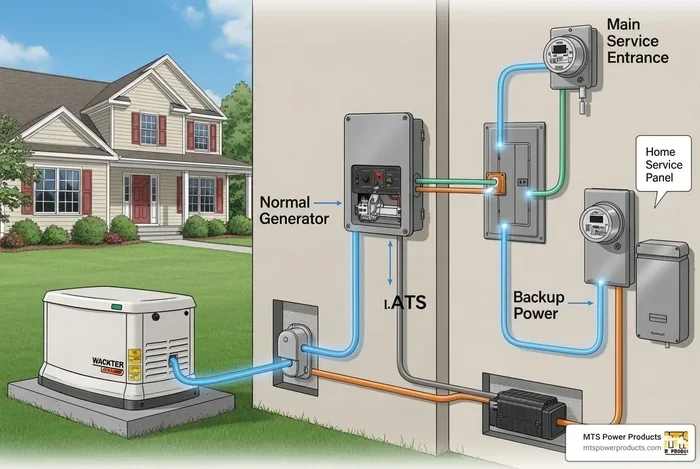
These generators fall into two broad categories. Portable dual fuel generators are great for camping, job sites, and temporary power needs. Standby dual fuel generators install permanently outside your home and kick on automatically during an outage. Both types offer unique benefits depending on your situation.
Some people also hear the term hybrid fuel generator. It means essentially the same thing. The key idea is simple: two fuels, one machine, more options.
How Dual Fuel Systems Work
The engine inside a dual fuel generator is built to handle both fuel types. A fuel conversion kit or built-in system lets you switch between gasoline and propane. When you choose propane, the unit draws from a separate tank. When you choose gasoline, it draws from a standard fuel tank.
Switching fuels usually takes just a few minutes. You simply turn the fuel valve, adjust the regulator, and start the unit. Some modern models even feature an automatic transfer switch that detects power loss and starts the generator without any manual input.
Top Dual Fuel Generator Picks for 2024
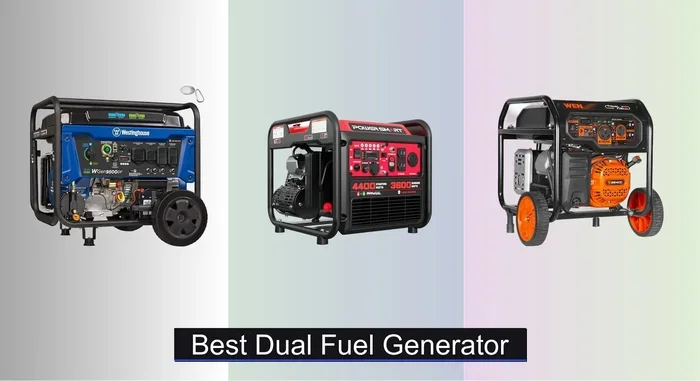
Not all dual fuel generators are created equal. Some prioritize portability. Others focus on raw power. Here are our top picks based on performance, reliability, and value.
Best Overall: DuroMax XP12000E
The DuroMax XP12000E delivers a powerful 12,000 watts of output. It runs on both gasoline and propane, making it a strong choice for home backup or heavy-duty job sites. The unit features a recoil start and a large fuel tank that supports extended runtime.
Why we like it: It offers excellent power output at a competitive price. The build quality is solid, and the engine handles long runs without issues.
Best Portable: Westinghouse iGen2200i
This inverter-style portable generator produces 2,200 starting watts. It runs on gasoline and is designed for quiet operation at just 52 decibels. Perfect for camping or powering sensitive electronics.
Why we like it: The quiet operation makes it ideal for noise-sensitive environments. Its parallel-ready design lets you connect two units for more power.
Best for Home Backup: Generac 20kW Standby
For whole-home protection, the Generac 20kW standby unit is a top contender. It installs permanently and runs on natural gas or propane. An automatic transfer switch detects outages and restores power within seconds.
Why we like it: Fully automatic operation means you do not even need to be home. It monitors power status and starts itself every time.
Best Budget Option: Champion 3400-Watt Dual Fuel
The Champion 3400-watt model offers solid performance without breaking the bank. It runs on gasoline and propane, features a push-button start, and includes a fuel gauge for easy monitoring.
Why we like it: Great value for the price. It hits a sweet spot between affordability and dependable power output.
| Model | Wattage | Fuel Types | Best For |
|---|---|---|---|
| DuroMax XP12000E | 12,000W | Gasoline / Propane | Home Backup, Job Sites |
| Westinghouse iGen2200i | 2,200W | Gasoline | Camping, Electronics |
| Generac 20kW Standby | 20,000W | Natural Gas / Propane | Whole-Home Backup |
| Champion 3400W | 3,400W | Gasoline / Propane | Budget Buyers |
How to Choose the Right Dual Fuel Generator
Picking the right unit depends on several factors. Let us break them down so you can make a confident decision.
Determine Your Power Needs
The first step is figuring out how much electricity you actually need. Make a list of essential items you want to power during an outage. Add up their wattage requirements. Remember to account for starting watts, which are higher than running watts for appliances like refrigerators and air conditioners.
For example, a refrigerator needs around 700 running watts but may require 2,200 starting watts. A sump pump draws about 1,300 watts. Add everything together and add a buffer of 20 percent. That gives you your target wattage range.
Need help figuring out your backup power requirements? Check out our guide on how big of a backup generator do I need for step-by-step advice.
Consider Portability
Do you need to move the generator often? If so, look for a portable generator with wheels and a handle. Weight matters too. Most portable units weigh between 40 and 100 pounds. Standby models are permanently installed and do not need to be moved.
Evaluate Fuel Efficiency and Runtime
Fuel efficiency directly impacts how long your generator runs on a single tank. Gasoline typically provides 8 to 12 hours of runtime at half load. Propane burns cleaner but contains less energy per gallon, so runtime may be slightly shorter.
Here is a quick comparison:
- Gasoline: Higher energy density, longer runtime per tank, widely available.
- Propane: Cleaner burning, unlimited shelf life, great for long-term storage.
Some users wonder about how much natural gas a generator uses. The answer depends on your unit’s BTU rating and load level. Generally, a 20-kilowatt standby unit uses roughly 2.5 to 3.5 cubic feet per hour at full load.
Check Noise Levels
Nobody wants a generator that sounds like a construction site. Conventional models run between 70 and 90 decibels. Inverter models stay below 65 decibels, with some ultra-quiet units hitting 50 dB. If you plan to run the generator near living spaces, invest in a quieter inverter generator.
Look at the Warranty and Brand Reputation
A solid warranty gives you peace of mind. Most reputable brands offer 2 to 5 year warranties on engines. Brands like Generac, Champion, DuroMax, and Westinghouse have strong track records for quality and customer support.
Dual Fuel Generator vs Single Fuel: Which Is Better?
This is a common question. The answer depends on your situation.
Advantages of Dual Fuel
- Fuel flexibility: Switch between gasoline and propane based on availability.
- Emergency readiness: You are never completely out of options during a prolonged outage.
- Cleaner operation: Propane mode produces fewer carbon emissions.
- Longer fuel storage: Propane does not degrade over time like gasoline.
Advantages of Single Fuel
- Simpler design: Fewer parts mean fewer things that can break.
- Lower cost: Single fuel units are usually cheaper upfront.
- Lighter weight: Without the second fuel system, these generators are often more compact.
Which Should You Pick?
If you want maximum flexibility and preparedness, go with a dual fuel generator. If you have a specific fuel source already set up, such as a natural gas line, a single fuel unit may be all you need. For most homeowners, the dual fuel option provides the best balance of convenience and reliability.
Maintenance Tips to Maximize Your Generator’s Lifespan
Regular maintenance keeps your dual fuel generator running strong for years. Neglect can lead to starting problems, reduced power output, and even engine failure. Here is what you need to do.
Run It Regularly
Do not just store your generator and forget about it. Start it at least once a month and let it run for 15 to 20 minutes. This keeps the engine lubricated, charges the battery, and prevents fuel system issues. If you want to make sure it is fully ready for emergencies, consider generator testing as a regular practice.
Change the Oil
Replace the oil every 100 hours of use or at least once per season. Use the oil type recommended by the manufacturer. Dirty oil increases friction and wears out engine components faster.
Inspect and Replace Spark Plugs
Spark plugs wear out over time. Check them every few months and replace any that look corroded or damaged. A fouled spark plug can prevent the generator from starting.
Clean or Replace Air Filters
A clogged air filter restricts airflow and reduces performance. Wash foam filters with soap and water. Replace paper filters when they appear dirty.
Store Fuel Properly
Gasoline degrades in as little as 30 days. Use fuel stabilizer to extend its shelf life. Store propane tanks in a cool, dry place away from direct sunlight. Never store fuel indoors.
Quick Maintenance Schedule
- Monthly: Start and run the generator for 15 minutes.
- Every 100 hours: Change engine oil.
- Every 6 months: Inspect spark plugs and air filters.
- Annually: Full system check including fuel lines and battery.
Common Mistakes When Using a Dual Fuel Generator
Even experienced users make mistakes. Here are a few to avoid.
Running the Generator in Enclosed Spaces
This is extremely dangerous. Generators produce carbon monoxide, which is odorless and colorless. Always operate your unit outdoors in a well-ventilated area. Never place it near windows, doors, or vents. Even a partially enclosed space like a garage with the door open can be deadly.
Overloading the Unit
Every generator has a maximum power output. Exceeding it strains the engine, trips breakers, and can cause permanent damage. Always calculate your total load before plugging in devices. Start the largest appliances first since they draw more power on startup.
Ignoring Fuel Conversion Steps
When switching from gasoline to propane, make sure to adjust the fuel regulator properly. Skipping this step can cause poor performance, engine sputtering, or fuel system damage. Follow your owner’s manual closely during the conversion process.
Using Old or Contaminated Fuel
Stale gasoline causes starting problems and carbon buildup. If your fuel has been sitting for more than 30 days, drain it and replace it with fresh gas. Add a fuel stabilizer to any fuel you plan to store long-term.
Skipping the Break-In Period
New generators need a break-in period. Avoid running at full load for the first 20 hours. This allows engine parts to seat properly and ensures optimal performance over the long term.
Expert Insight
Industry professionals recommend treating your generator like a car. Regular oil changes, fuel system checks, and engine inspections go a long way. A well-maintained dual fuel generator can last 15 to 20 years or more. One that is neglected may fail within just a few seasons.
Final Thoughts
A dual fuel generator is one of the smartest investments you can make for backup power. It gives you the flexibility to use gasoline or propane, the reliability to keep your home running during outages, and the versatility to power anything from a few lights to an entire household.
Whether you choose a portable unit for camping or a standby system for whole-home protection, the key is matching the right power output and fuel capacity to your specific needs. Take time to calculate your wattage requirements, compare models, and set up a maintenance routine.
Do not wait until the power goes out to think about generators. Plan ahead, choose wisely, and keep your unit ready. With the right dual fuel generator in your corner, you will never be left in the dark.
Frequently Asked Questions
How long does a dual fuel generator run on a full tank of gasoline?
Most dual fuel generators run between 8 and 18 hours on a full gasoline tank at 25 percent load. The exact runtime depends on your unit’s fuel tank size and power draw. Larger tanks and lower loads extend runtime significantly.
Can I switch from gasoline to propane while the generator is running?
No. Always turn off the generator before switching fuels. Let the engine cool down, adjust the fuel valve and regulator, then restart. Switching while running can damage the engine and create safety hazards.
Is propane or gasoline better for a dual fuel generator?
It depends on your situation. Gasoline offers higher energy density and longer runtime per tank. Propane burns cleaner, stores indefinitely, and is safer in emergencies. Many users keep both fuel types available for maximum flexibility.
How often should I test my dual fuel generator?
Run your generator at least once a month for 15 to 20 minutes. This keeps the engine lubricated, prevents fuel system buildup, and ensures the unit starts when you need it. Regular testing is the best way to avoid surprises during an outage.
Can a dual fuel generator power my entire house?
It depends on the wattage. A portable dual fuel generator in the 5,000 to 7,000 watt range can power essential circuits like lights, refrigeration, and a sump pump. For whole-home coverage, you need a standby unit rated at 15,000 watts or higher. Always calculate your total load before committing.
Are dual fuel generators louder than single fuel generators?
Not necessarily. Noise depends on the engine design, not the number of fuels. Inverter-style dual fuel generators are often quieter than conventional single fuel units. Check the decibel rating before purchasing if noise is a concern for your setup.