Full House Generator Cost What Really Affects the Price
The full house generator cost varies widely based on fuel type, size, brand, and installation needs. A basic portable unit may cost under $1,000, while a whole home standby system can range from $4,000 to $15,000 or more. Understanding what drives the price helps you make a smart buying decision.
A full house generator cost can shock you if you are not prepared. Many homeowners think they need to spend a small fortune to keep their lights on during a blackout. But the truth is, the price depends on several factors that are easy to understand once you break them down.
Whether you live in a small house or a large property, knowing what drives the full house generator cost helps you shop smarter. You will learn about different fuel types, size options, and hidden costs that most people overlook. This guide covers everything you need to know before spending your hard-earned money.
By the end of this article, you will have a clear picture of what a full house generator cost really looks like. You will know how to compare options, avoid common traps, and choose a system that fits your budget and your home. Let us dive in.
Key Takeaways
- Fuel type is the biggest cost driver: natural gas, propane, and diesel models all have different price points and ongoing fuel expenses.
- Installation can double the total cost: professional setup, electrical wiring, and permits add significant expenses to the final bill.
- Generator size matters a lot: matching the unit to your home’s actual power needs prevents overspending on unnecessary capacity.
- Brand reputation affects price: well-known brands cost more but often offer better reliability, warranties, and long-term support.
- Ongoing costs add up over time: fuel, maintenance, and repairs should be factored into your total budget alongside the purchase price.
- Comparing multiple quotes saves money: getting at least three detailed estimates helps you find the best value for your full house generator cost.
📑 Table of Contents
- What Is a Full House Generator and Why Does It Cost So Much?
- Types of Home Generators and Their Price Ranges
- What Drives the Full House Generator Cost?
- Installation Costs You Need to Know
- Fuel Costs and Long-Term Operating Expenses
- How to Choose the Right Generator for Your Budget
- Common Mistakes People Make When Buying a Generator
- Final Thoughts on Full House Generator Cost
What Is a Full House Generator and Why Does It Cost So Much?
Understanding Whole-Home Power Backup
A full house generator is a backup power system that keeps your entire home running during an outage. Unlike a portable generator that powers a few tools or appliances, a whole-home unit connects directly to your electrical panel. It kicks on automatically when the power goes out.
The reason the full house generator cost is higher than a small portable unit comes down to capacity and complexity. These machines are built to handle the electrical load of an entire home. They include larger engines, bigger fuel tanks, and advanced control systems that portable units simply do not have.
Think of it like buying a car. A basic sedan costs less than a luxury SUV. Both get you from point A to point B, but the SUV has more power, more features, and a higher price tag. The same logic applies to generators. A whole-home system gives you full coverage, but you pay for that convenience and power.
Why Prices Vary So Much
The wide range in full house generator cost comes from many sources. Not all generators are built the same way. Some use cheaper materials while others are built to last for decades. The brand, the fuel type, and the size all play a role in the final price tag.
Location matters too. If you live in an area with high labor costs, your installation bill will be steeper. Local building codes and permit fees also add to the total. This is why two homeowners with similar homes can end up with very different quotes for the same type of generator.
Types of Home Generators and Their Price Ranges
Not all generators are created equal. There are three main types that homeowners consider when they look into a full house generator cost. Each type has its own strengths, weaknesses, and price range. Let us look at them side by side.
| Generator Type | Average Price Range | Best For |
|---|---|---|
| Portable Generator | $500 – $2,500 | Small homes, temporary power, tight budgets |
| Standby Generator | $4,000 – $15,000 | Whole-home backup, automatic power |
| Inverter Generator | $1,000 – $5,000 | Sensitive electronics, fuel efficiency |
Portable Generators
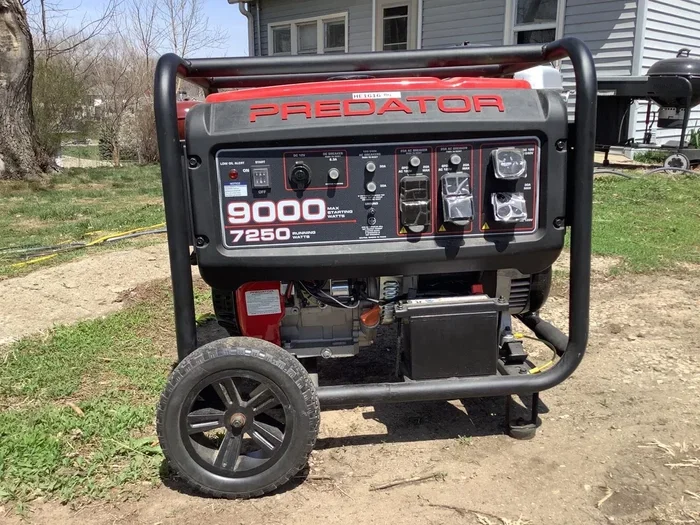
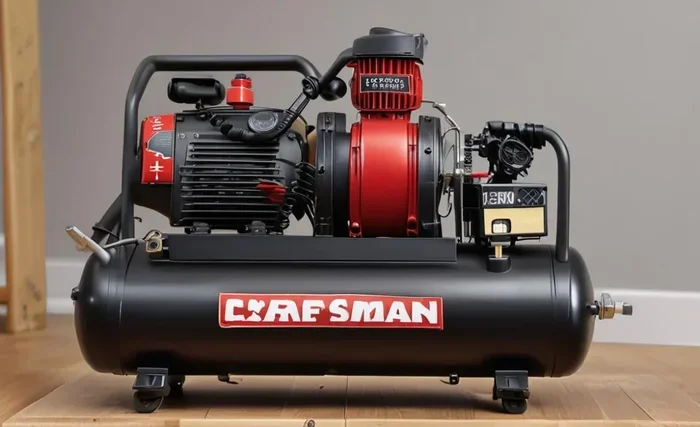
Portable generators are the most affordable option. They are great for people who only need power for a few essential items during an outage. You can plug in a refrigerator, some lights, and a phone charger. The full house generator cost for a portable unit is much lower because it does not require permanent installation.
However, portable generators have limits. They cannot power an entire home at once. You will need to manage which appliances are plugged in. They also run louder and produce less clean power than standby models. For many families, they are a good short-term solution but not a long-term fix.
Standby Generators
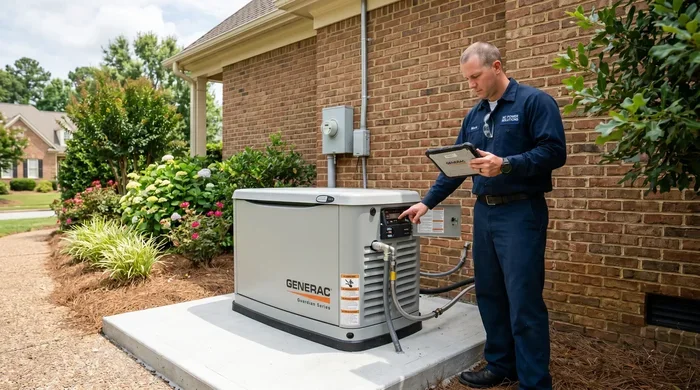
Standby generators are the gold standard for whole-home backup. They sit outside your home and connect directly to your electrical system. When the power goes out, they turn on within seconds. The full house generator cost for a standby unit is higher, but the convenience and coverage are unmatched.
Most standby generators run on natural gas or propane. They can power everything from your HVAC system to your washing machine. If you want true peace of mind during a blackout, a standby generator is the way to go. Many homeowners consider this a necessary investment rather than a luxury.
Inverter Generators
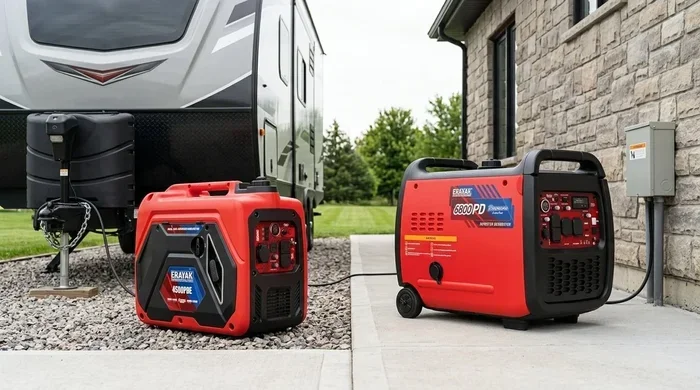
Inverter generators are a middle-ground option. They produce clean, stable power that is safe for sensitive electronics like laptops and TVs. They are also more fuel-efficient than traditional generators. The full house generator cost for an inverter model falls between portable and standby prices.
These units are popular with homeowners who want a quieter, more efficient option. They are also lighter and more portable than standby generators, making them easy to move around. If you have sensitive electronics or live in a noise-sensitive area, an inverter generator is worth considering.
Comparing Generator Types at a Glance
When you compare the full house generator cost across types, the trade-offs become clear. Portable units save money upfront but offer limited power. Standby generators cost more but provide automatic, whole-home coverage. Inverter generators balance price and performance in the middle.
Your choice should depend on your budget, your home size, and how often you expect to use the generator. A full house generator cost comparison helps you see the big picture before you commit to a purchase.
What Drives the Full House Generator Cost?
The price tag on a generator is not random. Several key factors determine the full house generator cost. Understanding these factors helps you make a smart purchase and avoid paying for things you do not need.
Generator Size and Capacity
The size of the generator is the single biggest factor in the full house generator cost. Generators are measured in watts, and the more watts a unit produces, the more it costs. A small home with basic needs might only need a 7,000-watt generator. A large home with central air, electric heat, and multiple appliances could need 20,000 watts or more.
Here is a simple way to think about it. If you only need to keep the fridge, a few lights, and the furnace running, a smaller unit will do the job. But if you want to power everything in your home at once, you will need a much larger and more expensive system.
Using a generator size calculator can help you find the right fit. Many manufacturers offer free online tools that estimate your needs based on your home size and appliances. This prevents you from overspending on a unit that is too big or underspending on one that cannot handle your load.
Brand and Build Quality
Not all generator brands are the same. Well-known brands like Generac, Kohler, and Briggs & Stratton charge more for their units. But they also offer better build quality, longer warranties, and more reliable customer support.
Cheaper brands may save you money upfront, but they can cost more in repairs and replacements over time. When you factor in the full house generator cost over the life of the unit, a quality brand often ends up being the better deal. Look for brands that have strong reputations for durability. Read reviews from real homeowners and check warranty terms carefully.
Fuel Type and Efficiency
The type of fuel your generator uses has a big impact on both the purchase price and the ongoing operating cost. The three most common fuel types for home generators are natural gas, propane, and diesel.
Natural gas generators connect to your existing gas line. They are convenient because you never need to refill the tank. The full house generator cost for a natural gas model is moderate, and the fuel is usually cheaper than propane or diesel over time.
Propane generators are popular in areas where natural gas is not available. They burn clean and store well. However, propane prices can fluctuate, and you need to keep tanks on your property. The full house generator cost for propane models is similar to natural gas units, but fuel logistics can be trickier.
Diesel generators are the most durable and fuel-efficient option. They are commonly used for larger homes and commercial properties. However, diesel fuel costs more and the units themselves tend to be pricier. The full house generator cost for a diesel model is usually the highest of the three fuel types.
Quick Tip: If natural gas is available in your area, it is usually the most cost-effective fuel choice for a home generator. It provides a steady supply and lower fuel costs over time compared to propane or diesel alternatives.
Installation Costs You Need to Know
One of the biggest surprises for homeowners is the installation cost. The generator itself is only part of the equation. The full house generator cost includes labor, electrical work, permits, and other fees that can add thousands of dollars to your total.
Electrical Wiring and Transfer Switch
A standby generator requires a transfer switch. This device safely connects the generator to your home’s electrical panel. Without it, you risk backfeeding electricity into the grid, which is dangerous and illegal in most areas.
The transfer switch itself costs between $300 and $1,500 depending on the amperage and type. Combined with the wiring labor, this part of the installation can add $1,000 to $3,000 to your total full house generator cost. Some homeowners try to skip the transfer switch to save money. This is a serious mistake. A transfer switch protects your home and your utility workers. Always include it in your budget.
Permits and Local Codes
Most cities and counties require permits for generator installation. Permit fees vary widely. They can range from $50 in rural areas to $500 or more in major cities.
Local building codes may also require specific setback distances from property lines, noise barriers, or ventilation requirements. These rules can affect the full house generator cost by adding material and labor expenses. Before you buy a generator, check with your local building department. Ask about permit requirements, inspection fees, and any zoning restrictions. This prevents surprises after you have already made a purchase.
Professional vs DIY Installation
Some handy homeowners consider installing the generator themselves. While this can save on labor costs, it comes with risks. Improper installation can void your warranty, create safety hazards, and fail inspections.
Professional installation typically costs between $2,000 and $5,000 depending on the complexity of the job. The full house generator cost for professional installation is worth it for most homeowners. It ensures the system is safe, legal, and working correctly from day one. If you do decide to DIY, make sure you follow all local codes and manufacturer instructions. Get the work inspected to make sure everything is up to standard.
Expert Insight: “Homeowners should treat a generator like any other major home investment,” says a leading energy consultant. “You want to balance upfront cost with long-term reliability. The cheapest option today can become the most expensive option tomorrow.”
Fuel Costs and Long-Term Operating Expenses
The purchase price is not the only cost you need to consider. Generators have ongoing operating expenses that add up over time. Understanding these costs helps you budget properly and avoid sticker shock when the bills come in.
Natural Gas vs Propane vs Diesel Fuel Costs
The fuel your generator uses affects both the environment and your wallet. Natural gas is generally the cheapest and cleanest-burning fuel. It is also the most convenient because it connects to your existing gas line. Propane is a popular alternative, especially in rural areas. It burns cleanly and stores well. But propane prices can be volatile, and you need to monitor your tank levels. Running out of fuel during a long outage is a real concern.
Diesel fuel is the most energy-dense option, meaning generators can run longer on less fuel. But diesel costs more per gallon and produces more emissions. It is also harder to find during emergencies when everyone is buying fuel. If you want to understand how much fuel your generator will actually use, check out our guide on how much natural gas a generator uses. This helps you estimate your monthly fuel costs more accurately.
Monthly and Annual Fuel Costs
On average, a standby generator uses between 20 and 30 cubic feet of natural gas per hour when running at full load. At current prices, this can translate to $20 to $50 per day of continuous operation. For most homeowners, generators run for a few hours at a time, so monthly costs are much lower.
Annual fuel costs for a typical home generator range from $100 to $500 depending on how often you use it and your local fuel prices. These costs should be factored into your total full house generator cost analysis. Many homeowners underestimate how much they will spend on fuel over the life of the unit.
Common Mistake: Many homeowners forget to factor in fuel costs when budgeting for a generator. They focus only on the purchase price and are surprised by the ongoing expenses. Always estimate your fuel costs before making a final decision on your full house generator cost budget.
How to Choose the Right Generator for Your Budget
Choosing a generator can feel overwhelming with so many options available. But if you focus on a few key factors, the decision becomes much simpler. Here is how to approach the full house generator cost decision with confidence.
Assessing Your Home’s Power Needs
Start by making a list of the essential items you want to power during an outage. This usually includes the refrigerator, furnace blower, a few lights, and maybe the sump pump. Add up the wattage of each item to get your baseline power need.
Then think about the comfort items. Do you want to keep the air conditioning running? The microwave? The TV? These add to your total wattage requirement and increase the full house generator cost. A good rule of thumb is to choose a generator that is about 20% larger than your calculated need. This gives you room for startup surges and future additions to your electrical load.
Getting Multiple Quotes
Do not settle for the first quote you receive. Contact at least three local contractors or generator dealers. Ask for a detailed breakdown of the full house generator cost including the unit price, installation fees, permit costs, and any extras. Comparing quotes helps you spot overpriced options and find the best value.
Look for installers who are certified by the generator manufacturer. They often have better training and access to warranty support. Also ask about maintenance packages. Some dealers offer service plans that include annual inspections and priority repair service. These can save you money and headaches in the long run.
Long-Term Value vs Upfront Cost
The cheapest generator is not always the best deal. A low-cost unit that breaks down after two years ends up costing more than a quality generator that lasts for a decade. When evaluating the full house generator cost, think about the total cost of ownership. Factor in the purchase price, installation cost, fuel expenses, maintenance costs, and expected lifespan. A higher upfront investment in a reliable brand often pays for itself through lower operating costs and fewer repairs over time.
Common Mistakes People Make When Buying a Generator
Avoiding common mistakes can save you money and frustration. Here are the pitfalls that trip up many homeowners when they are shopping for a full house generator cost.
Mistake 1: Buying a generator that is too small. Undersized generators cannot handle your home’s electrical load. They will trip breakers or fail to start your HVAC system. Always size up rather than down. Use a wattage calculator to get accurate numbers before you shop.
Mistake 2: Ignoring installation requirements. Many people forget that the generator is only part of the equation. The transfer switch, wiring, and permits all add to the total full house generator cost. Budget for all of these from the start so there are no surprises.
Mistake 3: Choosing fuel based on price alone. The cheapest fuel option is not always the most practical. Consider availability, storage, and convenience. Natural gas is often the best overall choice for home generators because it connects to your existing gas line and never runs out.
Mistake 4: Skipping regular maintenance. A generator that sits unused for months can develop problems. Regular oil changes, filter replacements, and generator testing keep the system running smoothly when you need it most. Skipping maintenance can lead to costly repairs and a shorter lifespan for your unit.
Mistake 5: Not considering future needs. If you plan to add a hot tub, a workshop, or an electric vehicle charger, factor those into your generator size. Upgrading later costs more than planning ahead now. Think about where your electrical needs might grow over the next five to ten years.
Final Thoughts on Full House Generator Cost
The full house generator cost is a significant investment, but it is one that pays for itself in comfort and safety. When the power goes out, a reliable generator keeps your family warm, your food fresh, and your home running smoothly. It is one of those things you hope you never need, but are so grateful to have when you do.
By understanding the factors that drive the price, you can make a confident decision. Choose the right fuel type, the right size, and the right brand for your needs. Budget for installation and ongoing costs. And always get multiple quotes before you buy. The goal is not to find the cheapest option. The goal is to find the best value.
A quality generator that fits your home and your budget gives you peace of mind that is truly priceless. Take the time to research, compare, and plan. Your future self will thank you when the next storm hits and your lights stay on. If you are still deciding on the right size for your home, check out our guide on how big of a backup generator do I need to match your home’s power needs to the right generator size.
Frequently Asked Questions
What is the average full house generator cost?
The average full house generator cost for a standby system ranges from $4,000 to $15,000 including installation. Portable generators cost much less, typically between $500 and $2,500. Your actual cost depends on the fuel type, size, brand, and your local installation rates.
How much does it cost to install a whole house generator?
Professional installation typically costs between $2,000 and $5,000. This includes the transfer switch, electrical wiring, permits, and labor. The total cost varies based on the complexity of the installation and local permit fees in your area.
What fuel type has the lowest operating cost for a home generator?
Natural gas generally has the lowest operating cost for home generators. It connects to your existing gas line, so you never need to refill tanks. Propane and diesel are alternatives, but they often cost more per unit of energy and require more hands-on maintenance over time.
How often should I maintain my home generator?
Most manufacturers recommend annual maintenance for standby generators. This includes oil changes, filter replacements, and a full system inspection. Regular maintenance keeps the full house generator cost low over the life of the unit by preventing expensive repairs and extending the lifespan of your system.
Can I install a generator myself to save money?
While DIY installation can save on labor costs, it comes with serious risks. Improper wiring can be dangerous and may void your warranty. Most homeowners benefit from professional installation to ensure safety, code compliance, and proper operation of their backup power system.
Does a generator add value to my home?
Yes, a whole house generator can increase your home’s resale value. Buyers in areas prone to power outages often look for homes with backup generators already installed. It is considered a premium feature that can make your property more attractive and competitive in the real estate market.