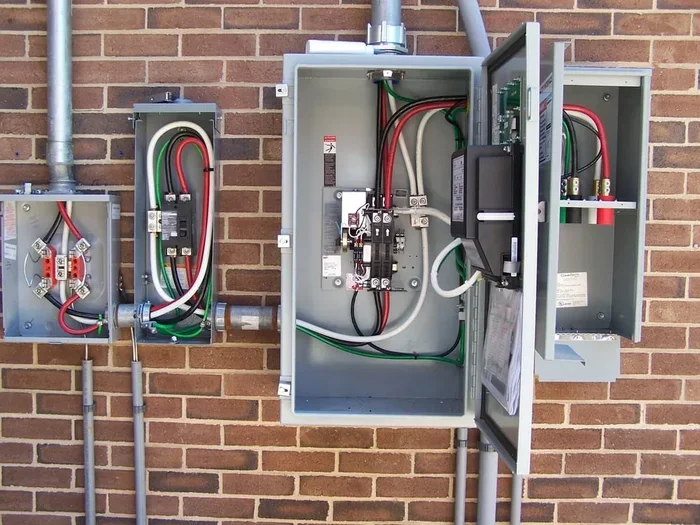
Home Generator Transfer Switch A Complete Buying Guide
A home generator transfer switch is the essential device that safely connects your generator to your house during a power outage. This guide covers automatic and manual options, sizing tips, installation steps, and costs so you can make the right choice for your home.
Nothing beats the peace of mind that comes with having home generator transfer switch equipment ready for the next big storm. Power outages are more common than most people think, and they can knock out your electricity for hours or even days. A transfer switch is the bridge between your generator and your home. Without it, you are left with a generator that cannot power your house safely or efficiently.
This guide walks you through everything you need to know about home generator transfer switches. We will cover the different types, how to size the right one, what installation looks like, and how much you should expect to spend. Whether you are a DIY enthusiast or planning to hire a pro, you will find practical advice here.
Let us start with the basics. A transfer switch is an electrical device that switches your home’s power source between the utility grid and your generator. When the power goes out, the switch disconnects you from the grid and connects you to your generator. When power returns, it switches you back. This simple process keeps your home running and keeps everyone safe.
Key Takeaways
- A transfer switch prevents backfeed: It keeps your generator safely isolated from the grid, protecting utility workers and your home electrical system.
- Automatic switches offer convenience: They detect outages and start your generator without any manual effort, making them ideal for whole-house backup.
- Manual switches are budget-friendly: They require you to start the generator and flip the switch yourself, but they cost significantly less.
- Sizing matters a lot: Matching your switch to your generator capacity and home electrical load prevents overloads and damage.
- Professional installation is recommended: A licensed electrician ensures code compliance and safe operation every time.
- Cost ranges from $300 to $1,500+: The price depends on the type, amperage, and whether you need a new electrical panel.
📑 Table of Contents
- What Is a Home Generator Transfer Switch?
- Why You Need a Transfer Switch for Your Generator
- How to Size a Transfer Switch for Your Home
- Transfer Switch Installation: What to Expect
- Automatic vs Manual Transfer Switch: A Comparison
- Common Mistakes to Avoid When Choosing a Transfer Switch
- How Much Does a Home Generator Transfer Switch Cost?
- Final Thoughts on Choosing the Right Transfer Switch
What Is a Home Generator Transfer Switch?
A home generator transfer switch sits between your electrical panel and your generator. It controls the flow of electricity so that your generator powers only the circuits you want. Most importantly, it prevents backfeed, which is when electricity flows backward into the utility lines. Backfeed can kill utility workers fixing power lines. It can also fry your generator and your home wiring.
There are two main types of transfer switches. Understanding the difference is the first step in choosing the right one for your home.
Automatic Transfer Switch (ATS)
An automatic transfer switch does everything for you. When it senses a power outage, it signals your generator to start. Once the generator reaches full power, the ATS transfers your home’s load to the generator. When grid power returns, it switches you back automatically. You do not need to lift a finger. This is the gold standard for convenience and safety.
Automatic switches work great with standby generators. If you have a whole-house backup system, an ATS is almost always the way to go. The downside is cost. These units are more expensive than manual options, and they require a bit more complex installation.
Manual Transfer Switch
A manual transfer switch requires you to be present and active during a power outage. You start your generator yourself, walk to the switch, and flip it to generator mode. When power returns, you flip it back. It is simple, reliable, and much cheaper than an automatic switch.
Manual switches are a popular choice for homeowners who use portable generators. They are also a good fit if you want a straightforward backup solution without the extra cost of automation. The trade-off is that you need to act quickly when an outage hits, and you must be home to operate the switch.
Why You Need a Transfer Switch for Your Generator
Some homeowners skip the transfer switch and use an extension cord instead. This is a dangerous shortcut that can cause serious problems. Here is why a transfer switch is essential for any home generator setup.
Safety first. A transfer switch prevents backfeed into the grid. This protects the lives of utility workers and neighbors on the same line. Without a switch, your generator can send power where it does not belong, creating a life-threatening hazard.
Convenience and automation. With an automatic switch, your home transitions to backup power in seconds. You do not have to go outside in the dark or rain to start anything. Your lights, refrigerator, and heating system keep running without interruption.
Code compliance. Most local electrical codes require a transfer switch for any generator connection to a home. Installing one ensures you pass inspection and avoid fines. It also makes your home safer and more insurable.
Load management. A transfer switch lets you choose which circuits get power during an outage. You can prioritize essentials like the fridge, sump pump, and medical equipment. This prevents your generator from overloading and shutting down.
If you are still using a generator without a switch, you are missing out on safety and convenience. Check out our guide on electrical generators for more background on how generators work and what to look for when buying one.
How to Size a Transfer Switch for Your Home
Sizing your home generator transfer switch correctly is one of the most important steps. A switch that is too small will trip and fail. A switch that is too big wastes money. Here is how to get it right.
Start by looking at your generator’s output. The switch must match or exceed the generator’s amperage rating. For example, if you have a 7,500-watt portable generator running on 240 volts, you need a switch rated for at least 30 amps. Check your generator manual for the exact specs.
Next, think about what you want to power. Make a list of essential circuits. A refrigerator typically needs about 1,200 watts. A sump pump draws around 1,300 watts. Lights and a few outlets add another 500 to 1,000 watts. Add it all up and compare the total to your generator’s capacity.
Here are some common sizing guidelines:
- Small portable generators (5,000-7,500 watts): Pair with a 30-amp manual transfer switch.
- Mid-size generators (7,500-10,000 watts): Use a 50-amp switch for broader coverage.
- Large standby generators (15,000-25,000 watts): Go with a 100-amp or 200-amp automatic transfer switch for whole-house coverage.
Keep in mind that the switch size does not have to match the generator wattage exactly. It needs to match the amperage. A 100-amp transfer switch works well with most mid-size standby generators and covers the essential circuits in a typical home.
Transfer Switch Installation: What to Expect
Installing a generator transfer switch is a job for a licensed electrician in most cases. The process involves mounting the switch next to your electrical panel, running a dedicated generator cable from the switch to the generator, and connecting the circuits you want to back up.
Here is a simplified look at the installation steps:
- Choose the location. The switch goes right next to your main electrical panel. It needs to be easily accessible and protected from the elements if it is outdoors.
- Mount the switch. The electrician secures the transfer switch to the wall or a mounting plate near the panel.
- Run the generator cable. A dedicated cable connects the switch to the generator. This cable is usually a 30-amp or 50-amp rated cord depending on the setup.
- Connect the circuits. The electrician wires your selected circuits from the panel through the transfer switch. This allows the switch to control which circuits get generator power.
- Test the system. Once installed, the system is tested to make sure the switch transfers power correctly and safely.
The entire process usually takes one to three hours for a straightforward installation. Costs for transfer switch installation range from $200 to $800 depending on complexity and local labor rates. If you also need a new electrical panel, the cost goes up.
Want to learn more about generator maintenance after installation? Our article on generator testing covers how to keep your system running smoothly year-round.
Automatic vs Manual Transfer Switch: A Comparison
Choosing between an automatic and manual transfer switch comes down to your budget, your generator type, and your lifestyle. Here is a side-by-side look at both options.
| Feature | Automatic Transfer Switch | Manual Transfer Switch |
|---|---|---|
| Operation | Fully automatic | Manual flip of a switch |
| Startup Time | Seconds | Minutes (you must start the generator) |
| Cost | $500 to $1,500+ | $300 to $800 |
| Installation Complexity | Higher | Lower |
| Best For | Standby generators, whole-house backup | Portable generators, budget setups |
| Convenience | Very high | Moderate |
| Safety | Excellent | Good |
If you want zero hassle during a blackout, go with an automatic transfer switch. If you are on a tighter budget and do not mind a bit of hands-on work, a manual transfer switch gets the job done just fine.
For homeowners who want to explore more about backup power options, check out our guide on how big of a backup generator do I need to make sure your generator and switch are properly matched.
Common Mistakes to Avoid When Choosing a Transfer Switch
Even experienced homeowners make mistakes when buying a transfer switch. Here are the most common ones and how to avoid them.
Mistake 1: Undersizing the switch. Some people buy a switch based on the generator’s wattage instead of its amperage. Always check the amperage rating on both the generator and the switch. A mismatch leads to tripping and potential damage.
Mistake 2: Skipping the permit. Most areas require a permit for transfer switch installation. Skipping this step can result in fines and safety hazards. Always check with your local building department before starting the project.
Mistake 3: Ignoring the generator cable length. The cable between the switch and the generator needs to be the right length and proper gauge. Too long or too thin a cable causes voltage drop and can damage your appliances.
Mistake 4: Not planning for future needs. If you think you might upgrade your generator later, choose a switch with a higher amperage rating than you currently need. This saves you from replacing the switch down the road.
Mistake 5: DIYing without electrical knowledge. Transfer switch installation involves working with your home’s main electrical panel. If you are not experienced with electrical work, hire a professional. The risks of improper installation are simply too high.
After installation, proper maintenance keeps your home generator transfer switch running reliably. Test the switch every few months by running your generator and cycling through the transfer. This simple habit catches problems early and ensures the system works when you need it most.
How Much Does a Home Generator Transfer Switch Cost?
The cost of a transfer switch varies widely based on the type, amperage, and brand. Here is a quick breakdown of what to expect.
- Manual transfer switch (30-amp): $300 to $500 for the unit. Installation adds $200 to $400.
- Manual transfer switch (50-amp): $400 to $700 for the unit. Installation adds $250 to $500.
- Automatic transfer switch (100-amp): $800 to $1,200 for the unit. Installation adds $400 to $800.
- Automatic transfer switch (200-amp): $1,200 to $2,000+ for the unit. Installation adds $500 to $1,000.
These are national averages. Your actual cost depends on your location, the complexity of the installation, and whether you need any electrical panel upgrades. Always get at least two quotes from licensed electricians before committing to a project.
The investment pays for itself quickly when you consider the alternative. Without a transfer switch, a power outage means no lights, no fridge, and no heat or air conditioning. With a properly sized home generator transfer switch, your home stays comfortable and safe through even the longest outages.
For more information on generator fuel costs and efficiency, read our article on how much natural gas does a generator use. Understanding your fuel consumption helps you plan for extended outages and keep your backup system running smoothly.
Final Thoughts on Choosing the Right Transfer Switch
Choosing the right home generator transfer switch comes down to understanding your needs, your budget, and your generator setup. If you want the best protection and convenience, an automatic transfer switch is the way to go. If you are working with a portable generator and want to save money, a manual switch gets the job done.
Whatever you choose, make sure it is properly sized, code-compliant, and installed by a professional. A transfer switch is not just a convenience piece of equipment. It is a safety device that protects your home, your family, and your community.
Take the time to plan your setup now. When the next storm hits or the next outage strikes, you will be glad you did. Your home will stay powered, your appliances will stay safe, and your family will stay comfortable no matter what the grid throws at you.
Frequently Asked Questions
Can I install a transfer switch myself?
While some manual transfer switches are marketed as DIY-friendly, most installations require working inside your main electrical panel. This involves live electrical connections that can be extremely dangerous. Hiring a licensed electrician ensures the installation is safe and meets local code requirements.
How long does a transfer switch last?
A quality transfer switch can last 15 to 20 years or more with proper maintenance. The mechanical parts inside the switch can wear out over time, but regular testing and occasional professional inspections keep the system running reliably for decades.
Do I need a transfer switch for a portable generator?
You do not legally need one in all areas, but using a portable generator without a transfer switch is dangerous and often violates electrical codes. A manual transfer switch makes your portable generator setup safe, legal, and much more convenient during outages.
What is the difference between a transfer switch and a generator interlock kit?
Both devices prevent backfeed, but a transfer switch is more versatile and convenient. An interlock kit is a simpler, cheaper device that mechanically prevents your main breaker and generator breaker from being on at the same time. A transfer switch allows you to select specific circuits and offers automatic operation in the case of an ATS.
Can a transfer switch power my entire house?
Yes, if you choose the right size. A 200-amp automatic transfer switch paired with a whole-house standby generator can power every circuit in your home. For portable generators, a transfer switch typically powers only selected essential circuits to avoid overloading the generator.
What happens if power comes back while the generator is running?
An automatic transfer switch detects the return of grid power and safely switches your home back to the utility. It shuts down the generator and reconnects you to the grid. Without a transfer switch, returning power can damage your generator and create a serious safety hazard for utility workers.