What Are the 3 Tools of Monetary Policy and How They Work
The 3 tools of monetary policy are open market operations, the discount rate, and reserve requirements. These powerful instruments help central banks like the Federal Reserve manage money supply, control inflation, and stabilize the economy. Understanding how each tool works gives you insight into the financial decisions that shape your daily life.
The economy affects everything. Your mortgage rate, your car loan, even the price of groceries at the store. Behind the scenes, a powerful institution works hard to keep things stable. That institution is the central bank, and it uses a specific set of instruments to do its job. These are known as the 3 tools of monetary policy.
If you have ever wondered how the Federal Reserve controls the economy, you are in the right place. In this article, we will break down each tool in simple terms. We will explain what they are, how they work, and why they matter to you. Whether you are a student, a homeowner, or just curious about finance, this guide will give you a clear picture. Let us dive in.
## What Is Monetary Policy?
Before we look at the specific tools, let us set the stage. Monetary policy is the process by which a central bank manages the money supply in an economy. The goal is to promote economic growth, control inflation, and maintain stable employment levels.
In the United States, the Federal Reserve (often called “the Fed”) handles this responsibility. Think of the Fed as the economy’s thermostat. Just like a thermostat adjusts the temperature in your home, the Fed adjusts financial conditions to keep the economy running smoothly.
The Fed has a dual mandate. It aims to achieve maximum employment and stable prices. To hit those targets, it uses its three main tools. Each tool targets a different part of the financial system. Together, they give the Fed a lot of power to shape economic outcomes.
### Why Monetary Policy Matters to You
You might think monetary policy is something that only economists care about. That is not true. When the Fed changes interest rates, your credit card bill can go up or down. When it adjusts bank reserves, the availability of loans can change. These decisions ripple through the economy and touch your wallet directly.
## The 3 Tools of Monetary Policy Explained
Now let us get into the heart of the matter. The three tools of monetary policy each serve a unique purpose. They work together like instruments in an orchestra. Alone, each one has a specific sound. Together, they create a symphony of economic management.
### Tool 1: Open Market Operations
Open market operations (often called OMOs) are the Fed’s most used tool. In simple terms, this means the Fed buys and sells government securities in the open market. These securities are usually Treasury bonds.
When the Fed wants to boost the economy, it buys bonds from banks. This puts more money into the banking system. Banks then have more funds to lend to businesses and consumers. This process is called expansionary monetary policy.
When the Fed wants to slow things down, it sells bonds. This pulls money out of the banking system. Banks have less to lend, which can help cool down an overheating economy. This is called contractionary monetary policy.
#### How Open Market Operations Affect You
Here is a practical example. Imagine the Fed buys billions of dollars in Treasury bonds. Banks now have extra cash. They lower their lending standards. You might see lower mortgage rates or easier approval for a car loan. That is the power of open market operations at work.
The Fed conducts these operations almost every day. The Federal Open Market Committee (FOMC) meets regularly to decide on the direction. It is the most flexible and precise tool in the Fed’s toolbox.
### Tool 2: The Discount Rate
The discount rate is the interest rate the Federal Reserve charges commercial banks for short-term loans. Banks sometimes need quick cash to meet their daily needs. They can borrow from the Fed through what is called the “discount window.”
When the Fed raises the discount rate, borrowing becomes more expensive for banks. This makes banks less likely to lend money to customers. It slows down economic activity. This is a contractionary move.
When the Fed lowers the discount rate, borrowing gets cheaper. Banks are more willing to lend. This puts more money into circulation and stimulates growth. This is an expansionary move.
#### The Discount Rate in Practice
Think of the discount rate like the attack setting on a compressor. Just as adjusting the attack controls how quickly a signal responds, adjusting the discount rate controls how quickly banks respond to economic conditions. A lower rate encourages fast action from banks, while a higher rate slows them down.
The discount rate also sends a signal to the market. When the Fed changes it, investors and consumers pay attention. It signals the Fed’s outlook for the economy. A rate cut often means the Fed wants to encourage spending. A rate hike often means it wants to curb inflation.
### Tool 3: Reserve Requirements
Reserve requirements are the amount of funds that banks must hold in reserve and not lend out. These reserves are held either in the bank’s vault or at the Federal Reserve. The reserve requirement ratio determines how much money banks can create through lending.
If the Fed lowers reserve requirements, banks can lend more money. This increases the money supply and stimulates the economy. If the Fed raises reserve requirements, banks have less money to lend. This reduces the money supply and slows economic activity.
#### Why Reserve Requirements Are Powerful
Reserve requirements have a multiplier effect. Here is how it works. If the reserve requirement is 10%, a bank with $1,000 can lend out $900. That $900 gets deposited in another bank, which can then lend out $810. This cycle continues, creating new money in the economy.
This is why even small changes to reserve requirements can have a big impact. The Fed does not use this tool as often as open market operations. Changing reserve requirements is a more dramatic move. It sends a strong signal about the Fed’s intentions.
## How the 3 Tools Work Together
The three tools do not work in isolation. They are part of a coordinated strategy. The Fed uses them together to achieve its economic goals. Let us look at how this coordination works in practice.
### Expansionary Strategy
During a recession or economic downturn, the Fed typically uses all three tools to stimulate growth. It buys government bonds through open market operations. It lowers the discount rate. It may also reduce reserve requirements.
The goal is to increase the money supply, lower interest rates, and encourage borrowing and spending. This helps businesses stay afloat, keeps people employed, and prevents deflation.
### Contractionary Strategy
During periods of high inflation, the Fed takes the opposite approach. It sells government bonds. It raises the discount rate. It may increase reserve requirements.
The goal is to reduce the money supply, raise interest rates, and slow down spending. This helps bring inflation back down to a target level and keeps prices stable.
### A Quick Comparison
Here is a simple breakdown of how each tool works in both scenarios:
| Tool | Expansionary (Boost Economy) | Contractionary (Slow Economy) |
|——|——————————|——————————-|
| Open Market Operations | Fed buys bonds | Fed sells bonds |
| Discount Rate | Lowers rate | Raises rate |
| Reserve Requirements | Lowers ratio | Raises ratio |
## The Federal Reserve’s Role in Economic Stability
The Federal Reserve was created in 1913. Its main purpose was to provide a safer, more flexible, and more stable monetary and financial system. Over the decades, its role has expanded significantly.
Today, the Fed is one of the most powerful financial institutions in the world. Its decisions affect global markets, currency values, and international trade. The 3 tools of monetary policy give it the ability to respond to economic challenges quickly and effectively.
### The Fed’s Dual Mandate
The Fed operates under a dual mandate from Congress. It must pursue two goals: maximum employment and stable prices. These goals sometimes conflict with each other. Stimulating employment might lead to higher inflation. Controlling inflation might lead to higher unemployment.
The Fed must balance these competing priorities carefully. It uses its three tools to find that balance. This is why understanding the tools is so important. They are the levers the Fed pulls to manage the economy.
## Real-World Examples of Monetary Policy in Action
Theory is great, but real-world examples make it clearer. Let us look at a few notable instances where the Fed used its tools to shape the economy.
### The 2008 Financial Crisis
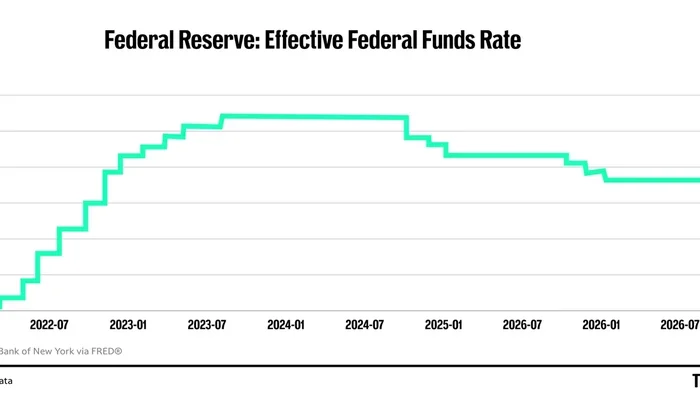
During the 2008 financial crisis, the Fed took aggressive action. It slashed the discount rate to nearly zero. It bought trillions of dollars in bonds through open market operations. This was called quantitative easing. The goal was to inject liquidity into the frozen financial system.
These moves helped prevent a total economic collapse. They stabilized banks and kept credit flowing. The recovery was slow, but the Fed’s actions played a crucial role.
### The COVID-19 Pandemic
In 2020, the Fed responded to the economic shock of the pandemic. It cut rates to near zero again. It launched massive bond-buying programs. It also relaxed reserve requirements to give banks more flexibility.
These actions helped support businesses and households during an unprecedented crisis. They showed how powerful the three tools can be when used together.
### Lessons from History
Each time the Fed uses its tools, economists and analysts study the results. These lessons help improve future policy decisions. The tools evolve as the economy evolves. But the core principles remain the same.
## Common Mistakes People Make About Monetary Policy
There are several misconceptions about how monetary policy works. Let us clear up a few of them.
### Confusing Monetary Policy with Fiscal Policy
Many people confuse monetary policy with fiscal policy. They are different. Monetary policy is managed by the central bank (the Fed). Fiscal policy is managed by the government (Congress and the President).
Fiscal policy involves taxation and government spending. Monetary policy involves managing the money supply and interest rates. Both are important, but they use different tools and follow different logic.
### Thinking the Fed Controls Everything
The Fed has significant influence, but it does not control everything. Markets, global events, consumer behavior, and political decisions all play a role. The Fed can nudge the economy, but it cannot force outcomes.
### Believing Lower Rates Are Always Better
Low interest rates can stimulate growth, but they also have downsides. They can fuel asset bubbles. They can erode savings returns. They can create inflation if overdone. Balance is key.
## Expert Insights on Monetary Policy Tools
Economists and former Fed officials often share valuable perspectives on these tools. Here are a few insights worth considering.
### The Evolution of Tools Over Time
The three tools have been refined over more than a century. The Fed has adapted its approach based on changing economic conditions. New challenges have required new applications of old tools.
### The Importance of Communication
The Fed does not just act. It also communicates. Press conferences, statements, and economic projections all shape market expectations. This communication is sometimes called “forward guidance.” It is a powerful complement to the three formal tools.
### The Future of Monetary Policy
Digital currencies, climate change, and technological disruption are creating new challenges. The Fed may need to evolve its tools or develop new ones. The basics, however, will likely remain the same. Understanding the three tools gives you a strong foundation for following these developments.
## How to Stay Informed About Monetary Policy
Staying informed about monetary policy is easier than you might think. Here are a few tips.
– Follow the Federal Reserve’s official website for statements and press releases.
– Read summaries of FOMC meeting minutes.
– Watch financial news channels for analysis of rate decisions.
– Listen to podcasts or read blogs from trusted economists.
– Pay attention to how rate changes affect your personal finances.
The more you understand about the three tools, the better equipped you are to make informed financial decisions.
## Conclusion
The 3 tools of monetary policy are the backbone of central banking. Open market operations, the discount rate, and reserve requirements each play a vital role. Together, they give the Federal Reserve the power to steer the economy toward stability and growth.
These tools affect interest rates, credit availability, inflation, and employment. They influence everything from your mortgage payment to your savings account. Understanding them helps you make sense of the financial world around you.
The next time you hear about the Fed making a decision, you will know exactly what is happening and why. Knowledge is power, and in the world of economics, it can also mean better financial planning.
Key Takeaways
- Open Market Operations: The most frequently used tool, involving the buying and selling of government bonds to control money supply.
- Discount Rate: The interest rate charged to commercial banks for short-term loans from the Federal Reserve.
- Reserve Requirements: The percentage of deposits banks must hold in reserve and cannot lend out.
- All three tools work together: They influence interest rates, credit availability, and overall economic health.
- Monetary policy affects everyone: From mortgage rates to savings accounts, these tools impact your financial life daily.
- The Federal Reserve uses them strategically: To promote maximum employment, stable prices, and moderate long-term interest rates.
Frequently Asked Questions
What are the 3 tools of monetary policy?
The three tools of monetary policy are open market operations, the discount rate, and reserve requirements. These are the primary instruments the Federal Reserve uses to manage the money supply and influence economic conditions.
Which tool of monetary policy is used most frequently?
Open market operations are the most frequently used tool. The Fed buys and sells government bonds almost daily to adjust the money supply and influence short-term interest rates.
How does the discount rate affect the economy?
The discount rate is the interest rate the Fed charges banks for short-term loans. A lower rate encourages banks to borrow and lend more, stimulating the economy. A higher rate discourages borrowing and slows economic activity.
What happens when reserve requirements are lowered?
When reserve requirements are lowered, banks must hold less money in reserve. This frees up more funds for lending, which increases the money supply and can stimulate economic growth.
Can monetary policy affect my personal finances?
Yes, absolutely. Monetary policy influences interest rates, which directly affect mortgage rates, credit card rates, savings yields, and loan approvals. The Fed’s decisions ripple through the economy and impact everyday financial decisions.
How is monetary policy different from fiscal policy?
Monetary policy is managed by the central bank (the Fed) and focuses on money supply and interest rates. Fiscal policy is managed by the government and involves taxation and government spending. Both aim to influence the economy but use different approaches and actors.