Can You Rent a Generator Everything You Need to Know
Yes, you can rent a generator for short-term or long-term power needs. Whether you need a portable generator for a weekend project or a backup generator for your home during storm season, generator rental services make it easy and affordable. In this guide, we cover costs, types, rental tips, and how to pick the right unit for your situation.
Key Takeaways
- Generator rentals are widely available: You can rent from home improvement stores, equipment rental companies, and online platforms.
- Cost varies by type and duration: Expect to pay $50 to $500+ per day depending on the generator size and power output.
- Choose the right wattage: Matching your generator to your power needs prevents overloads and wasted money.
- Fuel costs matter: Diesel, propane, and natural gas generators each have different operating costs.
- Plan ahead for peak seasons: Demand spikes during storms and holidays, so book early.
- Check insurance and delivery options: Many rental companies offer delivery, setup, and damage protection plans.
📑 Table of Contents
- Can You Rent a Generator? Everything You Need to Know
- Can You Rent a Generator? What You Need to Know
- How Much Does It Cost to Rent a Generator?
- Choosing the Right Generator for Your Needs
- Top Generator Rental Companies Near You
- Tips for Renting a Generator the Smart Way
- Generator Rental Safety Tips
- When Should You Rent vs. Buy a Generator?
- Conclusion
Can You Rent a Generator? Everything You Need to Know
Power outages, construction projects, outdoor events, and emergency situations all have one thing in common. They demand reliable electricity when the grid fails or isn’t available. The good news is that you do not have to buy a generator outright. Can you rent a generator? Absolutely, and it is one of the smartest decisions you can make for temporary or seasonal power needs.
Generator rental services have grown in popularity over the past decade. Homeowners, contractors, event planners, and business owners all rely on them. Instead of spending thousands on a unit you may only need for a few days, you simply hire one. This approach saves money, storage space, and the hassle of maintenance. Whether you need a small portable generator for a camping trip or a large commercial generator for a job site, the options are plentiful.
In this guide, we walk you through everything. You will learn about rental costs, the types available, how to choose the right unit, where to rent, and practical tips to get the best deal. By the end, you will feel confident about your next generator hire decision.
Can You Rent a Generator? What You Need to Know
The short answer is yes. But the real question is whether renting makes sense for your specific situation. Generator rental services exist because many people only need power equipment for a limited time. Buying a unit makes sense for permanent installations like whole-home backup systems. But for short-term needs, renting offers flexibility and cost savings.
Rental companies handle maintenance, fuel refills, and sometimes even delivery. You pick up or receive the unit, use it, and return it when done. It is simple and straightforward. Most companies also offer guidance on choosing the right size and type. This takes the guesswork out of the equation.
Types of Generators Available for Rent
Not all generators are the same. The type you choose depends on your power needs, budget, and use case. Here are the most common types you can rent:
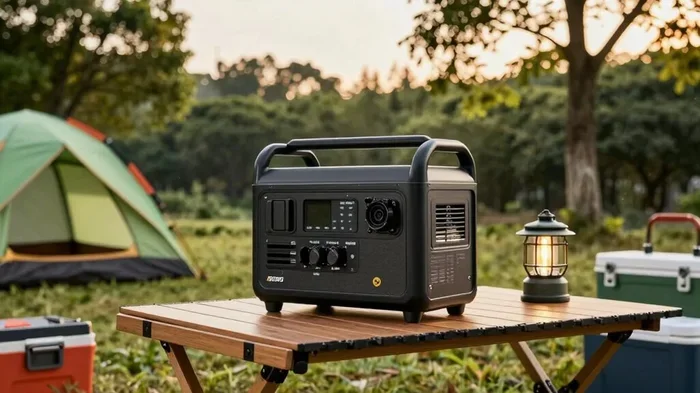
- Portable generators: Small, lightweight units that run on gasoline or propane. They are perfect for outdoor events, camping, or powering a few essential appliances during an outage.
- Inverter generators: Quieter and more fuel-efficient than standard portables. They deliver clean power, making them safe for electronics like laptops and phones.
- Standby generators: Larger units that can power an entire home or business. They run on natural gas or propane and activate automatically during outages. You can learn more about sizing these by reading our guide on how big of a backup generator you need.
- Diesel generators: Built for heavy-duty use. They are common on construction sites and industrial settings. Diesel fuel is often cheaper, but these units are louder and produce more emissions.
- Propane generators: A clean-burning alternative to gasoline. Propane is widely available and has a long shelf life, making it a solid choice for emergency preparedness.
- Natural gas generators: Ideal for long-term rental use. They connect directly to a gas line, so you never run out of fuel. Operating costs vary, and you can explore more about fuel usage in our article on how much natural gas a generator uses.
How Generator Rentals Work
The rental process is surprisingly simple. Here is a typical step-by-step breakdown:
- Identify your power needs: Determine how many watts you need. Make a list of the devices or systems you plan to run.
- Choose a generator type: Select from portable, standby, inverter, or industrial units based on your requirements.
- Contact a rental company: Call or visit a local or national rental provider. Many have online booking options too.
- Review the rental agreement: Check the terms, including delivery, pickup, fuel policies, insurance, and damage liability.
- Pick up or receive delivery: Some companies deliver and set up the generator for you. Others require you to haul it.
- Use the generator: Follow all safety guidelines provided by the rental company. Monitor fuel levels and runtime.
- Return the unit: Return the generator on schedule. Inspect it with the rental company to avoid unexpected charges.
How Much Does It Cost to Rent a Generator?
One of the biggest advantages of renting is affordability. But costs can vary widely. Understanding the pricing structure helps you budget properly and avoid surprises.
Daily, Weekly, and Monthly Rates
Most rental companies offer tiered pricing. The longer you rent, the lower the daily rate. Here is a general breakdown:
- Daily rental: Expect to pay between $50 and $300 per day. Small portables start around $50. Large standby units can hit $300 or more.
- Weekly rental: Weekly rates typically range from $200 to $1,000. This is ideal for week-long construction projects or events.
- Monthly rental: Monthly rates can go from $400 to $2,500+. Long-term rentals are common for seasonal businesses or ongoing construction.
Keep in mind that these are averages. Actual prices depend on location, availability, and the specific unit. If you want to understand runtime and battery considerations, check out our piece on how long a generator battery lasts.
Factors That Affect Rental Prices
Several things influence what you will pay:
- Generator size and wattage: Higher capacity units cost more to rent. A 5,000-watt unit costs more than a 2,000-watt model.
- Fuel type: Diesel and natural gas units often have different pricing than gasoline models.
- Rental duration: Longer rentals usually mean lower daily rates.
- Delivery and setup: Some companies charge extra for delivering and installing the unit.
- Season and demand: Prices spike during hurricane season, winter storms, and holidays. If you are planning on getting an electrical generator for an emergency, book well in advance.
- Insurance and add-ons: Damage waivers, extra fuel, and accessories like extension cords add to the total cost.
Quick Tips for Saving Money on Generator Rentals
- Book early: Avoid peak-season price surges by reserving weeks ahead.
- Compare multiple vendors: Get quotes from at least three rental companies before committing.
- Choose longer rental periods: Weekly and monthly rates offer better value.
- Ask about package deals: Some companies bundle delivery, fuel, and setup at a discount.
- Return on time: Late fees can add up quickly. Set reminders and plan your return date carefully.
Choosing the Right Generator for Your Needs
Picking the correct generator is critical. Too small and you will overload it. Too large and you waste money on fuel and rental fees. Here is how to match the unit to your situation.
Home Backup Power
For homeowners, the goal is usually to keep essential systems running during an outage. Think refrigerators, sump pumps, lights, and heating systems. A residential generator in the 7,000 to 12,000 watt range typically handles these loads. Standby generators connected to natural gas are ideal because they run indefinitely as long as fuel is supplied.
If you only need to power a few devices, a portable inverter generator may be enough. These are quieter and safer for sensitive electronics. For guidance on emergency scenarios, our article on how to tell if a refrigerator compressor is bad can help you identify when your appliances are at risk during power disruptions.
Construction and Job Sites
Construction sites demand serious power. Tools like saws, drills, compressors, and welders draw heavy wattage. A construction generator in the 10,000 to 50,000 watt range is common. Diesel units are popular here because of their durability and fuel efficiency under heavy loads.
You may also need a two-stage compressor or other pneumatic equipment. Understanding how these systems work together is important. You can read our guide on how a 2-stage compressor works to learn more about industrial-grade equipment.
Events and Outdoor Activities
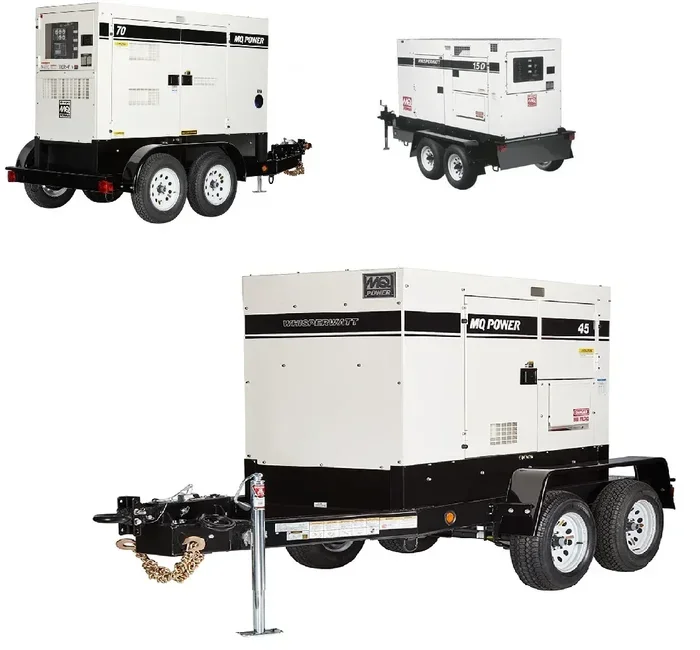
Outdoor concerts, weddings, food trucks, and sporting events all need reliable power. Inverter generators are a top choice here. They run quietly and deliver clean electricity. For larger events, a trailer-mounted standby unit may be necessary. Always consider noise level when renting for events. Nobody wants a generator drowning out the music.
Generator Size Comparison Table
| Use Case | Recommended Wattage | Generator Type | Estimated Daily Rental Cost |
|---|---|---|---|
| Camping or small appliances | 1,000 – 2,500W | Inverter / Portable | $50 – $100 |
| Home essentials during outage | 5,000 – 10,000W | Portable / Standby | $100 – $250 |
| Construction site | 10,000 – 50,000W | Diesel / Industrial | $200 – $500+ |
| Large events | 15,000 – 30,000W | Standby / Trailer-mounted | $250 – $400 |
These numbers are estimates. Your actual needs may vary. Always calculate your total wattage demand before committing to a rental.
Top Generator Rental Companies Near You
Finding a reliable rental company is half the battle. Here are the main types of providers to consider.
National Rental Chains
Large chains offer consistency, wide inventory, and nationwide availability. They often have online booking, delivery options, and 24/7 support. Examples include Sun Joe and other brands that also sell generator equipment. You can explore more about portable options through resources like our Sun Joe generator guide for consumer-level units.
- Pros: Reliable service, broad selection, professional delivery and maintenance.
- Cons: Higher prices, less flexibility for niche or custom needs.
Local Equipment Rental Shops
Local shops are often more affordable and more willing to negotiate. They may have unique or specialized units not found at big chains. Supporting local businesses is a bonus too.
- Pros: Lower costs, personalized service, flexible terms.
- Cons: Smaller inventory, possibly limited delivery range.
Online Rental Marketplaces
Platforms like Fat Llama, Home Depot, and Lowe’s let you book rentals online. Some even allow individuals to rent out their own generators. These options can be very affordable, but you need to vet the condition of the equipment carefully.
Tips for Renting a Generator the Smart Way
Once you have chosen a provider, it is time to prepare for the rental itself. A little planning goes a long way in ensuring a smooth experience.
What to Check Before You Rent
- Runtime capacity: How many hours can the unit run on a full tank? This matters for overnight use or all-day events.
- Fuel type and availability: Make sure you can easily source the fuel it requires.
- Noise level: Ask for decibel ratings. Quiet units are essential for residential or event use.
- Outlets and connectivity: Ensure the unit has the right outlets for your devices. You may need adapters or extension cords.
- Weight and portability: If you need to move it often, choose a lighter model with handles or wheels.
- Safety features: Look for automatic shutoff, overload protection, and carbon monoxide detection.
Common Mistakes to Avoid
Even experienced users make mistakes when renting. Here are pitfalls to watch out for:
- Underestimating power needs: Running near maximum capacity strains the unit. Always add a 20% buffer to your wattage calculation.
- Ignoring fuel costs: The rental price often does not include fuel. Budget for gas, propane, or diesel separately.
- Skipping the insurance option: Damage waivers seem like an extra cost, but they protect you from expensive repair charges.
- Forgetting to test before the event: Run the generator before your actual need date. This gives you time to troubleshoot any issues.
- Overlooking placement: Generators need ventilation. Never run one indoors or in enclosed spaces. Carbon monoxide is deadly.
- Returning late: Late fees are common. Plan your return and communicate with the rental company if delays arise.
Expert Insights on Generator Rentals
Industry professionals recommend a few best practices that often get overlooked:
- Always ask about maintenance history. A well-maintained unit runs more reliably and lasts longer. Do not hesitate to ask the rental company when the generator was last serviced.
- Consider a trial run. If your rental period is long, ask about swapping units. This lets you test a different size if your initial choice does not fit your needs.
- Keep a fuel log. Track fuel consumption to stay within budget. This is especially important for long-term rentals where fuel costs add up.
- Position the generator correctly. Place it at least 20 feet from windows and doors. Point the exhaust away from occupied spaces. This keeps everyone safe from fumes.
- Talk to the electrician. If you are powering a home or business, consult a licensed electrician. They can help you wire the generator safely and avoid backfeed issues.
These insights might seem small, but they make a big difference. A well-planned rental experience is safer, cheaper, and less stressful.
Generator Rental Safety Tips
Safety should always be your top priority. Generators produce carbon monoxide, a colorless and odorless gas that can be fatal. Here are essential safety rules to follow:
- Never operate a generator indoors. This includes garages, sheds, and basements. Even with open doors, carbon monoxide can build up quickly.
- Keep generators dry. Rain and moisture can cause short circuits. Use a canopy or tent designed for generator protection.
- Let it cool before refueling. Hot fuel can ignite. Turn off the generator and wait at least 15 minutes before adding fuel.
- Use proper extension cords. Heavy-duty, outdoor-rated cords prevent overheating. Check for damage before every use.
- Install CO detectors. If you are running a generator near your home, place carbon monoxide detectors in nearby rooms.
When Should You Rent vs. Buy a Generator?
This is a common question, and the answer depends on your situation. Here is a quick comparison:
- Rent if: You need power for a short period (days to weeks), you are unsure about your long-term needs, you want to avoid maintenance, or you need a type of generator you do not use often.
- Buy if: You experience frequent outages, you need a permanent standby system, you use the generator regularly for work, or long-term rental costs exceed the purchase price.
As a rule of thumb, if you plan to use a generator for more than six months in a year, buying starts to make financial sense. Otherwise, renting keeps your costs low and your options open.
Conclusion
Can you rent a generator? Absolutely, and it is one of the most practical solutions for temporary power needs. Whether you are dealing with a storm-related outage, a construction project, or a big outdoor event, generator rental services give you flexibility without the commitment of ownership. Costs are reasonable, options are plentiful, and the process is straightforward.
Take the time to plan ahead. Choose the right size, compare rental companies, and follow safety guidelines. Avoid common mistakes like underestimating your wattage needs or skipping fuel costs. With the right approach, your rental experience will be smooth, affordable, and reliable.
The next time you face a power gap, remember that renting is the smart move. Explore your local options, get a few quotes, and power up with confidence.
Frequently Asked Questions
How long can you rent a generator for?
Most rental companies offer daily, weekly, and monthly rental periods. Some even allow long-term rentals spanning several months. The maximum duration depends on the company and the type of generator. Just ask about renewal options if you need the unit longer than your initial booking.
Do I need a special license to rent a generator?
No, you do not need a license to rent a generator. However, you should be comfortable operating the unit safely. Rental companies typically provide basic instructions. If you are unsure, ask about setup services or request a walkthrough before you take possession.
Can I rent a generator for a weekend?
Yes, many rental companies offer weekend or daily rentals. This is perfect for short events, camping trips, or temporary home backup during a storm. Daily rates usually range from $50 to $300 depending on the generator size and type.
What happens if the generator breaks during the rental?
Most rental agreements include a damage waiver or protection plan. If the unit breaks down, contact the rental company immediately. They will typically send a technician or replace the unit. Without insurance, you may be responsible for repair costs, so always check the terms before signing.
Do generator rental companies deliver the equipment?
Many do, but not all. National chains and larger local companies commonly offer delivery and setup for an additional fee. Smaller units may be picked up from the rental location. Always ask about delivery options when you request a quote so you can factor it into your budget.
Is it cheaper to rent or buy a generator?
For short-term needs, renting is almost always cheaper. You avoid the upfront purchase price, storage costs, and maintenance expenses. However, if you use a generator frequently or need it for more than half the year, buying becomes more cost-effective. Compare your expected usage to make the best decision.