How to Make a Generator Quiet for Camping Overnight
Making your generator quiet for camping overnight is easier than you think. With the right enclosure, strategic placement, and simple maintenance tricks, you can cut noise dramatically. This guide covers everything from choosing a quiet generator to building a DIY sound box that actually works.
There is nothing worse than settling into a beautiful campsite, just as the sun dips below the trees, and then hearing it. That loud, rattling generator noise cuts through the peace of the wilderness like a chainsaw. Whether you are powering a small RV, running lights, or charging your devices, a noisy generator can ruin the whole experience.
If you have ever wondered how to make a generator quiet for camping overnight, you are in the right place. This guide walks you through every practical method, from choosing the right unit to building your own sound enclosure. By the end, you will know exactly how to silence your generator and enjoy the quiet nights you deserve.
A portable generator is a camping essential for many people. It gives you power where there is none. But power should not come at the cost of peace. Noise reduction for generators is not just about comfort. It is about being a good neighbor at the campsite and respecting nature.
Most conventional generators produce around 70 to 80 decibels. That is about as loud as a vacuum cleaner. Over a full night, that level of noise pollution can disturb wildlife, irritate fellow campers, and make sleep nearly impossible. An inverter generator, on the other hand, can run as low as 50 to 60 decibels. That is closer to a normal conversation. The difference is massive.
Many campgrounds and RV parks have strict noise ordinances. Some enforce quiet hours as early as 8 PM. If your generator is too loud, you risk getting a warning or even being asked to leave. Beyond rules, think about the animals. Loud noises stress wildlife and disrupt their natural patterns. A quieter generator helps you leave no trace.
Key Takeaways
- Choose an inverter generator: Inverter models run significantly quieter than conventional generators, making them ideal for camping.
- Build or buy a generator enclosure: A well-built acoustic enclosure can reduce noise by 10-15 decibels overnight.
- Placement is everything: Positioning your generator behind a noise barrier and away from your campsite makes a huge difference.
- Use a generator quiet box: A DIY or store-bought sound blanket enclosure absorbs engine noise effectively.
- Maintain your generator regularly: Clean mufflers, fresh oil, and proper tuning keep noise levels low.
- Follow campsite rules: Many campgrounds have strict noise limits, so staying quiet keeps you welcome.
- Combine multiple methods: The quietest setup uses an inverter generator inside an enclosure with proper placement.
📑 Table of Contents
Choose the Right Generator for Camping
The first step in making your generator quiet is picking the right one from the start. Not all generators are created equal, and some are naturally much quieter than others.
Inverter Generators vs. Conventional Generators
Inverter generators are the clear winner for quiet camping. They produce clean, stable power and run at variable speeds based on the load. This means the engine does not always run at full throttle. A conventional generator runs at a constant 3,600 RPM no matter what. That constant speed creates a lot of engine noise.
Here is a quick comparison:
- Inverter generators: Typically 48 to 65 decibels. Much quieter. Fuel-efficient. Best for camping.
- Conventional generators: Typically 65 to 85 decibels. Louder. Less fuel-efficient. Better for heavy-duty jobs.
If you are still shopping, brands like Honda, Yamaha, and EcoFlow make excellent quiet camping generators. The Honda EU2200i is a popular choice because it runs at around 48 decibels. That is barely audible from a few feet away.
Size Matters
Bigger does not mean better when it comes to camping noise. A large generator powering a massive RV might seem necessary, but a smaller unit matched to your actual power needs will run quieter. Match the generator size to what you actually need. If you only need to charge phones and run a small fan, a 1,000-watt unit is plenty. Over-sizing your generator wastes fuel and creates unnecessary noise.
Build or Buy a Generator Enclosure
One of the most effective ways to reduce generator noise is to enclose it. A generator enclosure or generator quiet box wraps around the unit and absorbs sound waves before they spread out.
DIY Generator Enclosure
Building a DIY generator enclosure is surprisingly simple and very affordable. Here is what you need:
- A large plastic storage bin or plywood box
- Acoustic foam or mass-loaded vinyl
- Ventilation fans (to prevent overheating)
- Hinges or latches for easy access
- Weatherstripping for sound sealing
Start with a box that is big enough to fit your generator with a few inches of space on all sides. Line the inside walls with sound dampening material. Cut holes for ventilation and exhaust. The key is to block sound without trapping heat. A generator that overheats is dangerous, so airflow is non-negotiable.
Store-Bought Enclosures
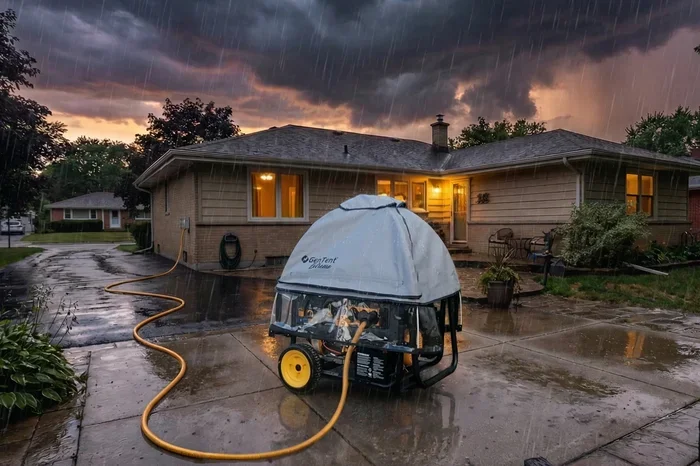
If you do not want to build one, several companies sell ready-made generator sound blankets and enclosures. Products from brands like GenTent and NoiseBlock are designed to fit specific generator models. They typically reduce noise by 10 to 15 decibels. That may not sound like much, but a 10-decibel reduction is perceived as roughly halving the loudness.
Quick Tip: Never completely seal a generator enclosure without ventilation. Exhaust fumes, including carbon monoxide, need to escape safely. Always point the exhaust away from your sleeping area.
Strategic Placement and Setup Tips
Where you put your generator matters just as much as what kind you buy. Generator placement can cut perceived noise levels dramatically.
Distance Is Your Friend
Sound fades over distance. Placing your generator as far from your tent or RV as your power cords allow is one of the simplest noise reduction tricks. A generator 50 feet away sounds much quieter than one 10 feet away. Use long, heavy-duty extension cords to give yourself distance without sacrificing power.
Use Natural Noise Barriers
Trees, bushes, and even your vehicle can act as a noise barrier. Park your car or camper between the generator and your tent. Surround the generator with dense shrubs or hang a tarp on a frame to deflect sound waves. These simple sound blocking techniques cost nothing and work surprisingly well.
Elevate the Generator
Placing your generator on a raised generator pad or a sturdy table helps reduce ground-borne vibrations. Vibrations travel through the soil and amplify the sound. A rubber mat or foam pad underneath the unit absorbs these vibrations and keeps things quieter.
Point the Exhaust Away
Always direct the exhaust pipe away from your campsite and neighbors. A simple 180-degree turn can make a noticeable difference. Some campers use a flexible exhaust extension to aim the noise in a direction that does not bother anyone.
Maintenance Tips to Keep Your Generator Quiet
A well-maintained generator runs quieter than a neglected one. Over time, wear and tear increases engine noise. Regular maintenance keeps everything running smoothly and quietly.
Change the Oil Regularly
Dirty oil causes the engine to work harder, which increases vibration and noise. Change the oil after every 50 to 100 hours of use, or per the manufacturer’s guidelines. Fresh oil keeps the engine running smoothly and quietly.
Check the Muffler
The generator muffler is your first line of defense against noise. Over time, carbon buildup can clog the muffler and reduce its effectiveness. Inspect it regularly and clean or replace it when needed. A worn-out muffler can increase noise levels by several decibels.
Tighten Loose Parts
Vibrations loosen bolts, panels, and other components over time. A loose panel rattles and amplifies noise. Before every camping trip, check that all bolts are tight and all covers are secure. A simple tightening session can eliminate annoying rattles.
Use Quality Fuel
Cheap or old fuel causes rough engine performance. Rough running means more vibration and more noise. Use fresh, clean fuel and consider adding a fuel stabilizer if the generator sits for long periods between uses.
Best Accessories for Reducing Generator Noise
Beyond enclosures and placement, several accessories can help you achieve a quieter camping setup.
- Generator sound blanket: A heavy-duty fabric cover that wraps around the unit and absorbs sound. Easy to use and very effective.
- Rubber isolation pads: Place these under the generator to absorb vibrations before they reach the ground.
- Exhaust silencers: An aftermarket muffler or silencer can further reduce exhaust noise.
- Extension cords: Long cords let you place the generator far from your tent without losing power.
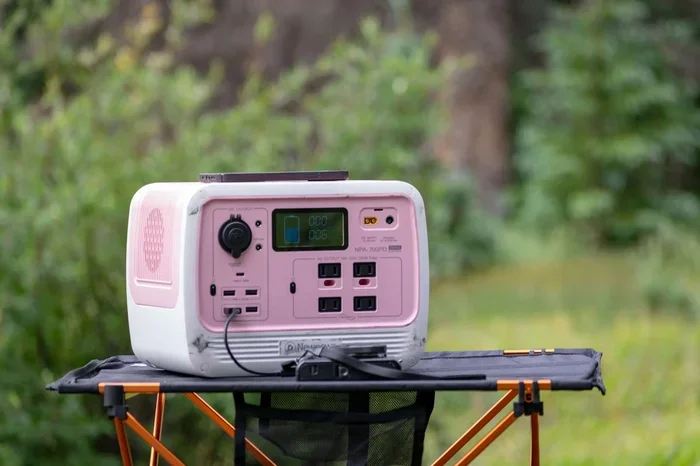
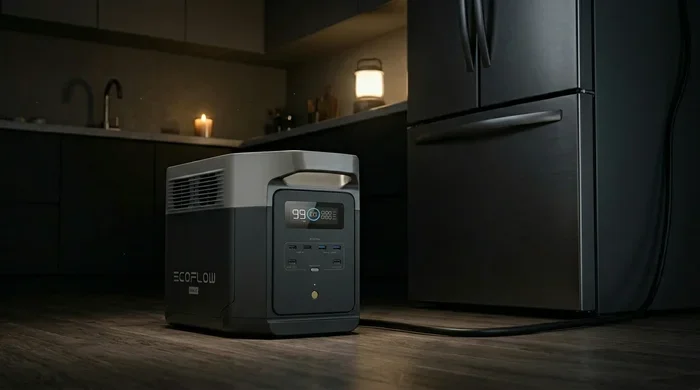
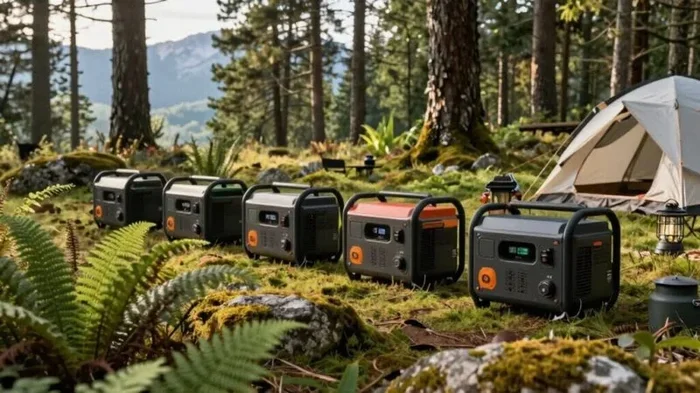
- Portable power stations: For lighter camping trips, a battery-powered station eliminates generator noise entirely.
Expert Insight: Many campers combine a quiet inverter generator with a DIY enclosure and a rubber pad. This triple approach can bring noise levels down to a whisper. It is the gold standard for silent camping power.
Common Mistakes to Avoid
Avoiding mistakes is just as important as following best practices. Here are the most common errors campers make when trying to quiet their generator.
- Enclosing the generator without ventilation. This causes overheating and can be extremely dangerous. Always allow airflow.
- Placing the generator on soft ground. Sand or mud absorbs vibrations unevenly and can cause the unit to sink and become unstable. Use a flat, hard surface.
- Ignoring the exhaust direction. Pointing the exhaust toward your tent or neighbors defeats the purpose of every other noise reduction effort.
- Using an oversized generator. A big generator running at half load is louder and less efficient than a properly sized one.
- Skipping maintenance. A dirty, unmaintained generator gets louder over time. Regular care keeps it quiet.
- Forgetting about campsite rules. Even the quietest generator can get you in trouble if you run it during quiet hours. Always check local regulations.
Final Thoughts
Making a generator quiet for camping overnight is entirely achievable with the right approach. Start by choosing a quiet inverter model if you have not already. Then invest in a proper enclosure or sound blanket. Place the generator thoughtfully, maintain it regularly, and always be considerate of your fellow campers and the wildlife around you.
You do not have to choose between power and peace. With these noise reduction techniques, you can have both. A quiet generator means better sleep, happier neighbors, and a more enjoyable outdoor experience for everyone. Try a few of these tips on your next trip and feel the difference.
The best camping trips are the ones where you barely remember the generator is even running. That is the goal. Silence your unit, embrace the quiet, and let nature do what it does best.
Frequently Asked Questions
How do I make my generator quieter for camping?
Start with an inverter generator, build or buy a sound enclosure, place the unit far from your tent, and use natural barriers like trees or your vehicle to block noise. Regular maintenance also keeps the engine running quietly.
What is the quietest generator for camping?
Inverter generators are the quietest option. Models like the Honda EU2200i and Yamaha EF2000iSv2 run at around 48 to 50 decibels, which is barely louder than a whisper. They are specifically designed for quiet, efficient power in camping and outdoor settings.
Can I build a DIY generator enclosure?
Yes, you can build a simple DIY enclosure using a plywood box or large plastic bin lined with acoustic foam. Just make sure to include ventilation holes to prevent overheating and never block the exhaust. A well-built enclosure can reduce noise by 10 to 15 decibels.
How far should my generator be from my campsite?
Place the generator at least 20 to 50 feet away from your tent or RV. Use long extension cords to reach your devices. The farther away it is, the quieter it will sound at your sleeping area. Always point the exhaust away from your campsite.
Do generator sound blankets really work?
Yes, generator sound blankets are highly effective. They wrap around the unit and absorb engine noise and vibrations. Most quality blankets reduce noise by 10 to 15 decibels. They are affordable, easy to use, and one of the best quick fixes for a loud generator.
Is it legal to run a generator while camping overnight?
It depends on the campground and local regulations. Many campgrounds have quiet hours that prohibit generator use after a certain time. Some allow generators only during specific daytime hours. Always check the rules of your campsite before you go and plan accordingly.