Why A Large Inverter Generator Is Worth The Investment
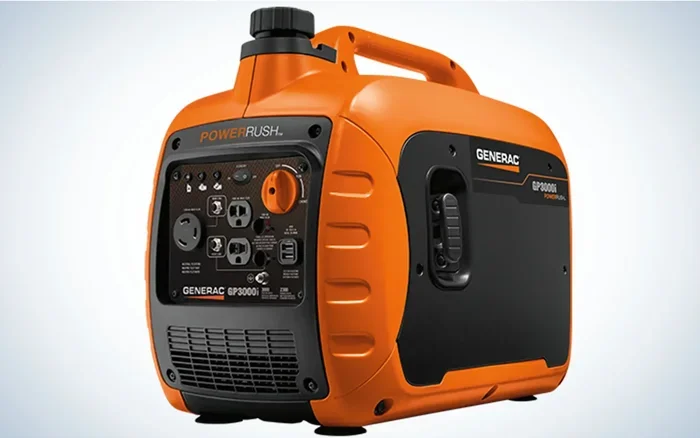
A large inverter generator delivers clean, stable power for homes, RVs, and jobsites. It uses advanced technology to reduce fuel consumption and noise significantly. These units provide safer electricity for sensitive electronics compared to traditional models. Investing in one means fewer outages, lower long-term costs, and peace of mind.
Key Takeaways
- Clean Power Output: Large inverter generators produce safe electricity for laptops, phones, and medical devices with minimal total harmonic distortion.
- Fuel Efficiency: They adjust engine speed based on load, saving fuel and extending run times compared to conventional units.
- Quiet Operation: Advanced sound dampening keeps noise levels low, making them ideal for camping, RVing, and residential use.
- Parallel Capability: Many models allow you to link two units for increased power output when needed.
- Long-Term Value: While the upfront cost is higher, durability and fuel savings make a large inverter generator worth the investment over time.
- Versatile Use: From home backup to outdoor events, these generators handle a wide range of power needs reliably.
📑 Table of Contents
- What Is A Large Inverter Generator And Why Does It Matter
- Key Benefits Of Choosing A Large Inverter Generator
- How To Choose The Right Size For Your Power Needs
- Top Features That Set Quality Models Apart
- Large Inverter Generator vs Traditional Generator
- Maintenance Tips To Keep Your Generator Running Strong
- Common Mistakes To Avoid When Buying And Using A Large Inverter Generator
- Expert Tips For Getting The Most Out Of Your Large Inverter Generator
- Conclusion
What Is A Large Inverter Generator And Why Does It Matter
A large inverter generator is a portable power unit that uses advanced electronics to convert raw AC power into clean DC power, then back into stable AC electricity. Unlike conventional generators that run at a constant speed, inverter generators adjust engine speed based on the electrical load. This means they use less fuel and produce much cleaner power.
If you have ever experienced a power outage, you know how frustrating it can be. Your refrigerator stops running, your Wi-Fi drops, and your lights go dark. A large inverter generator solves these problems by providing reliable backup power whenever you need it. But the benefits go far beyond just keeping the lights on.
These generators are popular among RV owners, homeowners, campers, and professionals who work on job sites. The reason is simple: they deliver consistent, safe power without the noise and vibration of older models. Whether you are powering a single tool or running your entire household during an outage, a large inverter generator handles the job with ease.
The technology behind inverter generators has improved dramatically in recent years. Manufacturers now offer units that are lighter, quieter, and more powerful than ever before. This makes them a top choice for anyone who values dependable electricity in a portable package.
How Inverter Technology Works
Traditional generators produce raw power that can fluctuate in voltage and frequency. This unstable output can damage sensitive electronics like computers and televisions. An inverter generator uses a three-step process to clean up the power signal. First, the alternator produces high-frequency AC power. Then, it converts that power to DC. Finally, it inverts the DC back into smooth AC power with a consistent sine wave.
This process eliminates power surges and voltage spikes. The result is electricity that is just as clean as what comes from your wall outlets. For anyone who needs to run sensitive equipment, this is a game changer.
Key Benefits Of Choosing A Large Inverter Generator
There are many reasons to invest in a large inverter generator. Let us walk through the biggest advantages that make these units stand out from the crowd.
Fuel Efficiency That Saves You Money
One of the most impressive features of a large inverter generator is its fuel efficiency. Because the engine adjusts speed based on demand, it does not waste fuel running at full throttle when you only need partial power. This can improve fuel economy by 20 to 40 percent compared to conventional generators.
Over time, these fuel savings add up significantly. If you use your generator regularly for camping trips, tailgating, or home backup, the savings at the pump will pay for itself. Many models also support dual fuel operation, giving you the flexibility to use gasoline or propane depending on availability and cost.
Quiet Operation For Any Setting
Noise is one of the biggest complaints about traditional generators. A standard open-frame generator can produce 75 decibels or more. That is about as loud as a vacuum cleaner. A large inverter generator, on the other hand, typically operates between 50 and 65 decibels. That is closer to a normal conversation.
This quiet performance makes inverter generators ideal for campgrounds, residential neighborhoods, and outdoor events. You can power your home essentials during a blackout without disturbing your neighbors. For RV owners, the low noise level means a more peaceful camping experience for everyone.
Clean Power For Sensitive Electronics
Total harmonic distortion (THD) is a measure of power quality. Most inverter generators produce less than 3 percent THD, which is considered safe for sensitive electronics. Conventional generators often produce 20 percent THD or more, which can harm laptops, smartphones, and medical devices over time.
With a large inverter generator, you do not have to worry about damaging your valuable equipment. The clean sine wave output protects everything from your TV to your power tools. This is especially important for people who work remotely and need reliable power for their home office setup.
Portability And Easy Transport
Despite their larger size and higher output, modern large inverter generators are designed with portability in mind. Many models include built-in wheels, folding handles, and lightweight frames. You can move them around your property or load them into your truck with minimal effort.
Some units weigh between 80 and 120 pounds, which is manageable for most adults. The compact design also means you can store them in a garage or shed without taking up too much space. This portability makes them a versatile choice for a wide range of applications.
Parallel Capability For Extra Power
Many large inverter generator models offer parallel capability. This means you can connect two compatible units to double your power output. If you need more wattage for a special event or a particularly demanding situation, parallel kits make it easy to scale up.
You simply connect the two units with a dedicated cable, and the generators automatically sync their output. This feature gives you flexibility without requiring you to purchase a single massive unit. It is an elegant solution for those who want scalability and portability in one package.
How To Choose The Right Size For Your Power Needs
Selecting the correct size is one of the most important decisions when buying a large inverter generator. Too small, and you will overload the unit. Too large, and you waste money on power you do not need. Here is how to find the sweet spot.
Start by making a list of the appliances and devices you want to run. Add up their wattage requirements. Remember to account for starting wattage, which is often higher than running wattage. For example, a refrigerator compressor needs a surge of power when it kicks on.
Understanding Running And Surge Wattage
Running wattage is the continuous power needed to keep an appliance operating. Surge wattage is the extra power required when a motor starts up. A large inverter generator should be able to handle both without tripping a breaker or shutting down.
As a general rule, choose a generator that provides at least 20 percent more capacity than your total calculated load. This buffer ensures you have room for additional devices and prevents the unit from being pushed to its limits.
Sizing Guide By Use Case
For basic home backup, a unit in the 3000 to 5000 watt range works well. It can power essentials like lights, a refrigerator, a sump pump, and a few electronics. For RV owners, 2000 to 3000 watts typically covers air conditioning, microwaves, and charging stations. For job sites or larger homes, consider a 6000 to 8000 watt model.
If you are unsure about your power needs, check out our guide on how big of a backup generator do I need for detailed sizing advice. It will help you match your specific situation to the right generator size.
Fuel Type Considerations
Most large inverter generators run on gasoline, but some models support propane or natural gas. Dual fuel units give you the option to switch between gasoline and propane. This can be useful during extended outages when fuel availability becomes a concern.
If you are curious about fuel consumption, a large inverter generator generally uses less fuel than a conventional unit of the same size. The engine speed adjustment is the key factor. For more detailed information on fuel usage, visit our page on how much natural gas does a generator use.
Top Features That Set Quality Models Apart
Not all inverter generators are created equal. When shopping for a large inverter generator, look for these features that make a real difference in performance and convenience.
Electric Start
No one wants to pull a recoil cord in the rain or on a cold morning. Electric start lets you fire up your generator with the push of a button. Many premium models also include a remote start feature, so you can power on the unit from inside your home or RV before you even step outside.
Low Oil Shutoff Sensor
A low oil shutoff sensor is a critical safety feature. It automatically turns off the engine when oil levels drop too low, preventing costly damage. This feature extends the life of your generator and gives you peace of mind, especially if you are not checking oil levels constantly.
Multiple Outlets And USB Ports
A good large inverter generator should offer a variety of outlet options. Look for standard 120V outlets, a 12V DC outlet, and USB charging ports. This variety lets you power everything from power tools to smartphones without needing extra adapters.
Digital Display And Monitoring
Modern inverter generators come with digital displays that show real-time information. You can monitor fuel levels, run time, wattage output, and maintenance alerts at a glance. This makes it easy to manage your power usage and plan for refueling without guesswork.
Noise Reduction Technology
Premium models use advanced sound dampening materials and enclosed housings to minimize noise. Some generators feature eco-mode, which further reduces engine speed during light loads. This combination of hardware and smart technology keeps noise levels to a minimum without sacrificing performance.
Large Inverter Generator vs Traditional Generator
Understanding the differences between a large inverter generator and a traditional conventional generator helps you make a smarter buying decision. Let us compare the two across several key categories.
| Feature | Large Inverter Generator | Traditional Generator |
|---|---|---|
| Power Quality | Clean sine wave, low THD | Dirty power, high THD |
| Fuel Efficiency | Adjustable speed, 20-40% better | Constant engine speed |
| Noise Level | 50-65 dB | 70-85 dB |
| Weight | Lighter, more portable | Heavier, bulkier |
| Price | Higher upfront cost | Lower upfront cost |
| Parallel Capability | Common in inverter models | Rare or unavailable |
| Electronics Safety | Safe for sensitive devices | Risk of damage |
The upfront cost of a large inverter generator is higher than a conventional unit. However, the fuel savings, longer lifespan, and protection of your electronics often offset this difference over time. Many users find that the total cost of ownership is actually lower with an inverter model.
For those interested in testing and comparing generator performance, our generator testing guide provides detailed reviews and comparisons of popular models on the market today.
Maintenance Tips To Keep Your Generator Running Strong
A large inverter generator is a reliable workhorse, but it does need regular maintenance to perform at its best. Following a simple maintenance schedule will extend the life of your unit and keep it ready when you need it most.
Change The Oil Regularly
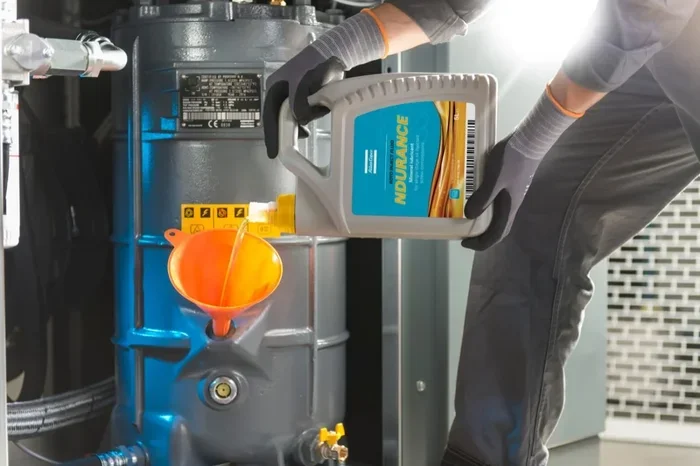
Most manufacturers recommend changing the oil after the first 20 hours of use, then every 100 hours or at least once per season. Fresh oil keeps the engine lubricated and prevents premature wear. Always use the oil type specified in your owner manual.
Check The Air Filter
A dirty air filter restricts airflow and reduces engine performance. Inspect the air filter every 25 hours of use and clean or replace it as needed. This simple step improves fuel efficiency and keeps your generator running smoothly.
Stabilize Fuel For Long-Term Storage
If you plan to store your generator for more than 30 days, use fuel stabilizer. Old gasoline can break down and clog the fuel system, causing starting problems. Adding stabilizer before storage ensures your generator starts reliably when you need it.
Run The Generator Monthly
Even if you do not use your generator often, run it for about 15 minutes once a month. This keeps the engine components lubricated and prevents stale fuel from sitting in the carburetor. It also lets you verify that everything is working correctly before an actual emergency.
Check The Battery And Spark Plug
A weak battery can prevent electric start from working. Inspect the battery terminals for corrosion and clean them if needed. Similarly, check the spark plug for wear or carbon buildup. Replacing a worn spark plug is inexpensive and can dramatically improve starting reliability.
For information about battery life and replacement timing, visit our guide on how long does a generator battery last. It covers everything you need to know about keeping your generator’s battery in top condition.
Store Your Generator Properly
Keep your generator in a dry, well-ventilated area. Never store it indoors while it is still warm, as this can cause moisture buildup and fire risk. Cover the unit with a breathable generator cover to protect it from dust and debris without trapping moisture.
Common Mistakes To Avoid When Buying And Using A Large Inverter Generator
Even the best generator can cause problems if you make avoidable mistakes. Here are some common pitfalls to watch out for.
- Undersizing the unit: Buying a generator that is too small for your needs leads to overload and potential damage. Always calculate your total power needs before purchasing.
- Ignoring THD ratings: Running sensitive electronics on a generator with high THD can cause long-term damage. Always check that the THD is below 3 percent.
- Overloading the generator: Plugging in too many devices at once can trip the breaker or damage the unit. Spread your loads across multiple circuits if possible.
- Skipping maintenance: Neglecting oil changes and filter replacements shortens the generator’s lifespan and reduces performance.
- Running indoors: Generators produce carbon monoxide and must never be operated indoors or in enclosed spaces. Always use them in well-ventilated outdoor areas.
Expert Tips For Getting The Most Out Of Your Large Inverter Generator
Here are some practical tips from experienced users and professionals who rely on inverter generators every day.
- Start with a partial load: When you first start your generator, connect only essential devices. Let it run for a few minutes before adding more load. This reduces stress on the engine during startup.
- Use heavy-duty extension cords: Long or thin extension cords cause voltage drops and power loss. Use cords rated for your generator’s output capacity to ensure safe and efficient power delivery.
- Keep a maintenance log: Track every oil change, filter replacement, and service visit. This log helps you stay on top of maintenance and makes it easy to troubleshoot issues later.
- Invest in a cover: A quality generator cover protects your unit from rain, sun, and dust. It keeps the generator in good condition between uses and extends its overall lifespan.
- Plan for noise: Even quiet generators produce some sound. Place your generator at least 20 feet from your home and away from neighbors’ property lines to minimize disturbance.
Conclusion
A large inverter generator is one of the best investments you can make for reliable, clean, and efficient power. Whether you need backup power during outages, electricity for your RV adventures, or a dependable source of energy for your job site, these generators deliver exceptional performance.
The combination of fuel efficiency, quiet operation, and clean power output sets inverter generators apart from conventional models. While the upfront cost is higher, the long-term savings and protection of your electronics make it well worth the investment. By choosing the right size, maintaining your unit properly, and avoiding common mistakes, you will enjoy years of dependable service from your large inverter generator.
Take the time to research your options, compare models, and think about your specific power needs. The right generator will keep your home running, your devices charged, and your peace of mind intact no matter what comes your way.
Frequently Asked Questions
What can a large inverter generator power?
A large inverter generator can power essential household appliances like refrigerators, sump pumps, lights, and electronics. It can also run RV air conditioners, power tools, and charging stations. The exact capacity depends on the wattage rating of the specific model you choose.
Are inverter generators worth the extra cost?
Yes, large inverter generators are worth the investment for most users. They offer better fuel efficiency, quieter operation, and cleaner power that protects sensitive electronics. Over time, the fuel savings and extended equipment lifespan often offset the higher upfront price.
How long can a large inverter generator run continuously?
Most large inverter generators can run for 8 to 12 hours on a full tank at 25 to 50 percent load. The exact run time depends on the model, fuel tank size, and the electrical load you are running. Check the manufacturer specifications for detailed run time information.
Can I use a large inverter generator for home backup power?
Absolutely. A large inverter generator makes an excellent home backup power source. It can keep your refrigerator, lights, internet router, and essential medical devices running during a power outage. Just make sure to size the unit correctly for your needs.
How loud is a large inverter generator compared to a regular generator?
Inverter generators are significantly quieter than conventional models. A large inverter generator typically operates at 50 to 65 decibels, while traditional generators often exceed 75 decibels. This makes inverter generators much more suitable for residential areas and camping.
Do I need to ground a large inverter generator?
Yes, grounding your generator is important for safety. Most modern large inverter generators have a grounding bolt or terminal. Follow the manufacturer instructions for proper grounding, and always consult your owner manual or a licensed electrician if you are unsure about the process.
=== CONCLUSION ===
A large inverter generator offers clean, efficient, and reliable power for a wide range of applications. From home backup to outdoor adventures, these generators deliver outstanding value and performance. By understanding the benefits, choosing the right size, and following proper maintenance practices, you can enjoy dependable electricity for years to come.