Low Pressure Air Compressor How to Choose the Right One
A low pressure air compressor operates below 150 PSI and is ideal for light-duty tasks like tire inflation, spray painting, and powering pneumatic tools. Choosing the right one depends on your PSI needs, CFM requirements, tank size, and whether you need an electric or gas-powered unit. This guide walks you through every factor so you can make a confident, informed decision.
A low pressure air compressor is one of the most versatile tools you can own. Whether you are inflating tires, running a paint sprayer, or powering small pneumatic tools, this type of compressor gets the job done without the complexity of high-pressure systems. But with so many options on the market, how do you pick the right one? That is exactly what this guide will help you figure out.
We will walk you through everything you need to know. From understanding PSI and CFM ratings to choosing between electric and gas models, you will have a clear picture by the end. Let us get started.
Key Takeaways
- Low pressure means under 150 PSI: These compressors handle everyday tasks without the heavy-duty power draw of high-pressure models.
- CFM rating matters most: Match the CFM to your tools to ensure consistent performance and avoid frustrating downtime.
- Tank size affects runtime: Larger tanks hold more compressed air, letting you work longer between motor cycles.
- Electric vs. gas: Electric compressors are quieter and cleaner, while gas units offer portability for job sites.
- Oil-free pumps need less maintenance: They are a great choice for home users who want hassle-free operation.
- Consider your duty cycle: A higher duty cycle means the compressor can run longer without overheating.
📑 Table of Contents
- What Is a Low Pressure Air Compressor?
- Why Choose a Low Pressure Air Compressor?
- Key Features to Look For
- Types of Low Pressure Air Compressors
- Best Uses for a Low Pressure Air Compressor
- Common Mistakes to Avoid
- Expert Tips for Getting the Most Out of Your Compressor
- How to Size Your Compressor Correctly
- Final Thoughts
What Is a Low Pressure Air Compressor?
A low pressure air compressor is a device that compresses air at pressures below 150 PSI. Most home and workshop compressors fall into this category. They are designed for lighter tasks that do not require extreme air pressure. Think of inflating pool toys, powering a nail gun, or running an airbrush.
These compressors come in several designs. The most common types include reciprocating compressors, which use pistons, and rotary screw compressors, which use rotating screws. For most DIYers and home users, a reciprocating model works perfectly. It is affordable, reliable, and easy to maintain.
What makes low pressure units special is their simplicity. They do not need heavy-duty motors or complex cooling systems. This makes them quieter, lighter, and more affordable than their high-pressure cousins. If you are working on basic tasks around the house or garage, a low pressure unit gives you all the power you need without the extra cost.
Why Choose a Low Pressure Air Compressor?
You might wonder why you should pick a low pressure model over a high pressure one. The answer comes down to what you plan to do with it. Let us look at the key reasons these compressors are a smart choice.
Perfect for Everyday Tasks
Most common air tools operate well under 150 PSI. Impact wrenches, brad nailers, and air ratchets all work great with low pressure units. You do not need a heavy-duty industrial compressor just to change a tire or build a shelf. A low pressure model handles these jobs with ease.
More Affordable
Because they use simpler designs and smaller motors, low pressure compressors cost less upfront. They also use less electricity or fuel during operation. Over time, the savings on energy bills and maintenance add up nicely.
Quieter and More Portable
High pressure compressors can be loud and bulky. Low pressure models are generally much quieter and easier to move around. Many portable versions weigh under 30 pounds and come with carrying handles. This makes them perfect for taking to the job site or storing in a small garage.
Lower Maintenance
Simple designs mean fewer parts that can break. Many oil-free compressor models in this category require very little upkeep. You just drain the tank occasionally and keep the intake filter clean. That is about it.
Key Features to Look For
Not all low pressure compressors are created equal. Before you buy, pay close attention to these features. They will determine how well the machine fits your needs.
PSI Rating
The PSI rating tells you the maximum pressure the compressor can produce. For most low pressure models, this ranges from 90 to 150 PSI. Check the PSI requirements of the tools you plan to use. If a tool needs 100 PSI, you want a compressor that can deliver at least that much consistently.
A good rule of thumb is to choose a compressor with a PSI rating about 20% higher than your highest tool requirement. This gives you a comfortable buffer and ensures smooth operation.
CFM Rating
CFM stands for cubic feet per minute. It measures the volume of air the compressor delivers. This is arguably the most important spec to understand. If your CFM is too low, your tools will not perform properly. The motor will cycle on and off constantly, which wastes energy and wears out the pump faster.
To find your CFM needs, add up the requirements of all the tools you plan to use at the same time. Then choose a compressor that meets or exceeds that total. Most low pressure compressors deliver between 2 and 6 CFM at 90 PSI.
Tank Size
The tank size determines how much compressed air is stored at any given time. Larger tanks mean longer run times between motor cycles. If you plan to do continuous work like spray painting, a bigger tank is a big advantage.
For quick tasks like tire inflation or brad nailing, a smaller tank works just fine. Here is a quick comparison to help you decide:
- 1 to 2 gallon tanks: Best for quick, intermittent tasks. Very lightweight and compact.
- 3 to 6 gallon tanks: Great for general workshop use. Offers a good balance of portability and runtime.
- 8 gallon and above: Ideal for longer tasks like painting or sandblasting. Heavier but more capable.
Duty Cycle
The duty cycle tells you what percentage of time the compressor can run continuously within a 10-minute period. For example, a 50% duty cycle means it can run for 5 minutes and then needs 5 minutes to cool down. A higher duty cycle compressor lets you work longer without stopping, which is important for sustained tasks.
If you plan to use your compressor for extended periods, look for models rated at 50% duty cycle or higher. This prevents overheating and extends the life of the machine.
Electric vs. Gas Powered
Electric compressors are the most popular choice for home use. They are quiet, clean, and easy to plug in. You do not need to worry about fuel mix or exhaust fumes. For indoor workshop use, electric is almost always the better option.
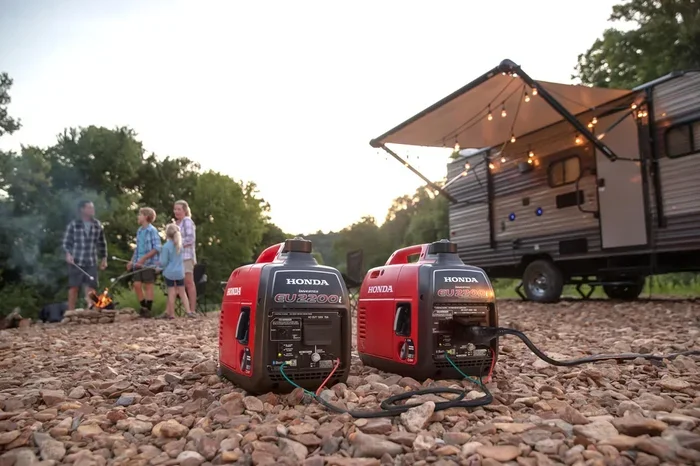
Gas-powered compressors offer more portability since you do not need an electrical outlet. They are popular on construction sites and remote locations. However, they are louder, heavier, and require more maintenance. If you are working on a job site where you also need to power other equipment, you might even pair your compressor with a portable generator — for example, some users find that a what size generator for 30 amp RV air conditioner setup can also help power smaller compressor units efficiently.
Types of Low Pressure Air Compressors
There are several types of compressors in the low pressure range. Each has its own strengths and ideal use cases. Let us break them down.
Portable Pancake Compressors
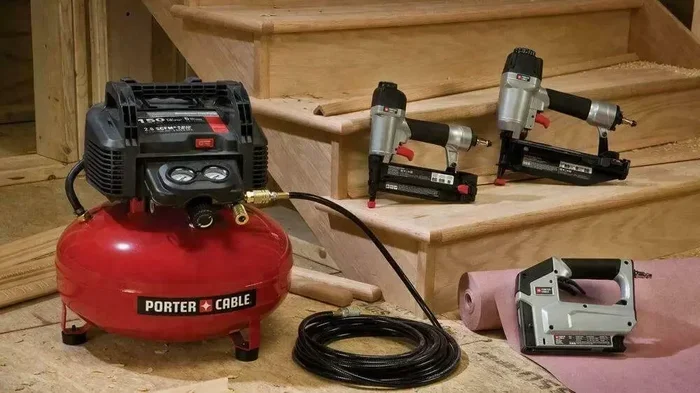
Pancake compressors are flat and round, with the tank sitting below the motor. They are lightweight, compact, and very affordable. Most have tanks between 1 and 6 gallons. These are perfect for tire inflation, small nail guns, and quick tasks around the home.
They are not ideal for continuous use because of their small tanks. But for casual DIYers and occasional projects, they are hard to beat.
Hot Dog Compressors
Named for their tall, cylindrical shape, hot dog compressors have a vertical tank that sits upright. They offer a bit more capacity than pancake models and are still quite portable. These are a solid choice for light workshop use and small pneumatic tools.
Wheelbarrow Compressors
Wheelbarrow compressors feature two tanks positioned on either side of the motor, with a handle and wheels for easy transport. They offer larger tank capacities, usually 6 gallons or more. These are great for contractors who need portability with more air capacity.
If you work on multiple job sites and need a reliable portable compressor, a wheelbarrow model is worth the investment.
Twin-Stack Compressors
Twin-stack compressors have two vertical tanks stacked on top of each other. This design maximizes air storage in a compact footprint. They deliver more CFM than single-tank models of the same size, making them a great middle ground between portability and performance.
Best Uses for a Low Pressure Air Compressor
A low pressure air compressor opens up a world of possibilities. Here are some of the most common and practical uses.
- Tire inflation: Quickly inflate car tires, bike tires, and even sports equipment.
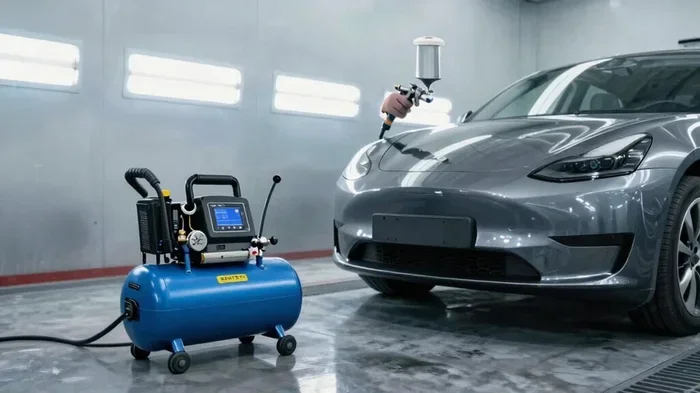
- Spray painting: Use with a paint sprayer for smooth, even coats on furniture, walls, and vehicles.
- Nail guns and staplers: Speed up woodworking, framing, and upholstery projects.
- Airbrushing: Perfect for hobbyists who do model painting, cake decorating, or face painting.
- Cleaning: Blow dust and debris out of hard-to-reach places in your workshop or garage.
- Running pneumatic tools: Impact wrenches, drills, grinders, and sanders all work well on low pressure.
One thing to keep in mind is that your compressor regulator plays an important role. It lets you adjust the output pressure to match each tool. Always set the regulator to the PSI your tool requires for best results and safety.
Some users also pair their compressors with accessories like air hoses, quick-connect fittings, and moisture traps. These small additions can make a big difference in performance and longevity.
Common Mistakes to Avoid
Buying a compressor is easy. Using it the right way is another story. Here are some common mistakes that trip up even experienced users.
- Ignoring CFM requirements: Many buyers focus only on PSI and overlook CFM. This leads to underpowered setups that cannot keep up with your tools.
- Choosing the wrong tank size: A tiny tank might seem convenient, but it will cause the motor to cycle constantly. This shortens the pump life and wastes energy.
- Neglecting maintenance: Even oil-free pumps need attention. Drain the tank after every use to prevent moisture buildup and rust.
- Overlooking the duty cycle: Running a compressor beyond its rated duty cycle causes overheating and premature failure.
- Using the wrong power source: Plugging a high-draw compressor into an undersized outlet can trip breakers and damage the motor. Always check your electrical setup before use.
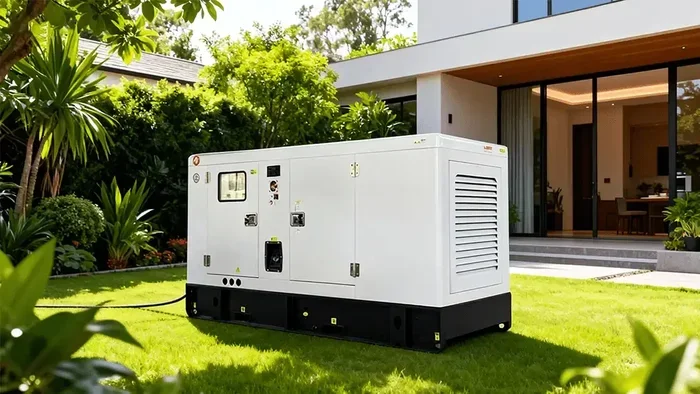
Another mistake people make is not considering how they will power their compressor on the go. If you need to run your compressor at a remote location, a generator is essential. Some users find that understanding generator sizing helps — for instance, checking what size generator works with a 30 amp RV air conditioner setup can give you a good baseline for portable power needs.
Expert Tips for Getting the Most Out of Your Compressor
You have your new compressor. Now let us make sure you get years of reliable service from it. Here are some expert tips that make a real difference.
- Check for leaks regularly: Even a small leak in a hose or fitting can waste a lot of air and reduce efficiency. Apply soapy water to connections and look for bubbles.
- Keep the intake vent clean: A clogged intake forces the motor to work harder. Clean it weekly if you use your compressor frequently.
- Store it properly: Keep your compressor in a dry, clean area. Moisture and dust are the enemies of any air compressor.
- Use the right oil: If your model requires oil, always use the manufacturer recommended grade. This keeps the pump running smoothly and reduces wear.
- Let it cool down: After extended use, give your compressor a few minutes to rest before storing it. This prevents heat damage to internal components.
- Invest in quality hoses: A good hose reduces pressure loss and delivers more consistent airflow to your tools.
These simple habits will extend the life of your compressor and keep it performing at its best for years to come.
How to Size Your Compressor Correctly
Sizing your compressor correctly is the single most important decision you will make. A unit that is too small will frustrate you. One that is too large wastes money and energy. Here is how to get it right.
Start by listing every tool you plan to run. Write down the PSI and CFM requirements for each one. Then identify the tool with the highest CFM demand. Choose a compressor that delivers at least 1.5 times that CFM at the required PSI. This extra capacity gives you room to add tools later without overloading the system.
Next, consider your workflow. If you use multiple tools at once, add up their CFM requirements. If you use them one at a time, match the compressor to the highest single tool demand.
For most home workshops, a compressor delivering 3 to 5 CFM at 90 PSI hits the sweet spot. It handles the majority of pneumatic tools while staying affordable and manageable.
Final Thoughts
Choosing the right low pressure air compressor does not have to be complicated. Focus on the basics: PSI, CFM, tank size, and duty cycle. Pick the power type that suits your workspace and needs. And do not forget the small details like regulator quality, hose selection, and regular maintenance.
Whether you are a weekend DIYer, a hobbyist, or a contractor who needs a reliable backup unit, there is a low pressure compressor that fits your situation perfectly. Take your time, compare your options, and invest in a machine that will serve you well for years to come. The right compressor makes every air-powered task easier, faster, and more enjoyable.
Frequently Asked Questions
What PSI is considered low pressure for an air compressor?
A low pressure air compressor typically operates below 150 PSI. Most models in this category deliver between 90 and 150 PSI, which is more than enough for household tasks, light workshop work, and most pneumatic tools.
Can I use a low pressure compressor for spray painting?
Yes, low pressure compressors work great for spray painting. Most paint sprayers require 15 to 50 PSI and 3 to 6 CFM. A low pressure compressor with a tank of 3 gallons or more will deliver consistent airflow for smooth, even paint coverage.
How often should I drain my compressor tank?
You should drain your tank after every use. Moisture from the air collects inside the tank and can cause rust and damage over time. Simply open the drain valve at the bottom of the tank and let the water out.
Is an electric or gas low pressure compressor better?
For most home and workshop use, an electric compressor is the better choice. It is quieter, cleaner, and requires less maintenance. Gas compressors are better suited for outdoor job sites where you do not have access to an electrical outlet.
What is the difference between CFM and SCFM?
CFM stands for cubic feet per minute and measures actual airflow under operating conditions. SCFM stands for standard cubic feet per minute and measures airflow under standard atmospheric conditions. SCFM is usually a higher number because it assumes ideal conditions. When comparing compressors, look for SCFM ratings for the most accurate comparison.
Can I run multiple tools at once on a low pressure compressor?
Yes, as long as the combined CFM requirement of all your tools stays within the compressor’s output. Check the CFM ratings of each tool and add them together. Choose a compressor that can deliver the total CFM you need at the required PSI.
=== CONCLUSION ===
A low pressure air compressor is a practical, affordable, and incredibly useful tool for any home or workshop. By understanding PSI, CFM, tank size, and duty cycle, you can confidently choose a unit that fits your needs perfectly. Keep the expert tips and common mistakes in mind, and your compressor will serve you reliably for many years. Start your search today, and you will wonder how you ever worked without one.