Light Plant Generator Tips for a Thriving Indoor Garden
A light plant generator keeps your indoor garden powered and thriving around the clock. Whether you run LED grow lights or full hydroponic setups, the right generator ensures your plants get consistent energy without interruptions. This guide covers everything from choosing the right light plant generator size to maintenance tips that extend its lifespan.
Growing plants indoors is one of the most rewarding hobbies you can pick up. But here is the thing — your plants need light. And light costs energy. That is where a light plant generator comes in handy. Whether you are running a small herb garden on your kitchen counter or a full-blown grow tent in the basement, having a reliable power source makes all the difference.
A light plant generator is not just any backup power tool. It is a dedicated energy solution designed to keep your grow lights, fans, pumps, and timers running smoothly. Without one, a simple power outage could mean wilted leaves, stalled growth, or even dead plants. In this article, we will walk you through everything you need to know about selecting, using, and maintaining a light plant generator for your indoor garden.
We will cover sizing, fuel types, safety tips, and common mistakes to avoid. By the end, you will feel confident choosing the right light plant generator for your setup. Let us get into it.
Key Takeaways
- Right-sizing matters: Match your light plant generator wattage to your total indoor garden load to avoid overloads.
- Fuel type affects cost: Propane, gasoline, and solar options each have unique benefits for indoor gardening.
- Maintenance keeps it running: Regular oil changes, filter checks, and load testing prevent unexpected downtime.
- Safety first: Always use proper ventilation and surge protection when running a light plant generator indoors.
- Runtime varies: Understanding how long your generator battery or fuel tank lasts helps you plan lighting schedules.
📑 Table of Contents
- What Is a Light Plant Generator?
- Why Indoor Gardens Need a Reliable Power Source
- How to Choose the Right Light Plant Generator
- Setting Up Your Light Plant Generator for Best Results
- Maintenance Tips for Long-Lasting Performance
- Common Mistakes to Avoid
- Expert Tips for Maximizing Your Indoor Garden Setup
- Final Thoughts
What Is a Light Plant Generator?
A light plant generator is a portable or standby power unit that supplies electricity to indoor gardening equipment. Think of it as the engine behind your grow room. It powers your LED grow lights, ventilation fans, water pumps, and automated timers.
Not all generators are built the same. Some are designed for heavy-duty construction sites. Others are compact and quiet, built specifically for home use. When you are shopping for a light plant generator, you want one that matches the energy demands of your indoor garden.
How Does It Work?
Most light plant generators run on gasoline, propane, or diesel fuel. Some models are battery-powered, and a few even harness solar energy. The generator converts fuel into electrical current, which then flows to your garden equipment through outlets or a wired connection.
The key is matching the generator’s output — measured in watts — to the total power draw of your indoor setup. If your generator cannot handle the load, your lights may flicker or shut off. That is bad news for plants that depend on consistent light cycles.
Why Indoor Gardens Need a Reliable Power Source
Indoor plants are entirely dependent on artificial light and controlled environments. Unlike outdoor gardens that rely on the sun and rain, your indoor garden needs constant attention to power and climate. Here is why a dependable light plant generator is essential.
Consistent Light Cycles
Plants thrive on routine. They need a set number of light hours each day — usually 12 to 18 hours depending on the species. If your power cuts out for even a few hours, you disrupt the photoperiod your plants are used to. A light plant generator acts as insurance against these interruptions.
Climate Control Equipment
Indoor gardens often use fans, heaters, humidifiers, and air conditioners. All of these devices need electricity. A light plant generator keeps your grow room at the perfect temperature and humidity level, even during a grid failure.
Water and Nutrient Systems
If you run a hydroponic or aquaponic setup, water pumps are critical. These systems cannot go dry. A backup light plant generator ensures your plants keep receiving water and nutrients around the clock.
How to Choose the Right Light Plant Generator
Choosing the right light plant generator can feel overwhelming. There are so many options on the market. But once you understand a few key factors, the decision becomes much clearer.
Calculate Your Total Wattage
Start by listing every piece of equipment in your indoor garden. Write down the wattage for each item. Add them all up. This gives you your baseline power need. Then add a 20% buffer for safety. The result is the minimum wattage your light plant generator should deliver.
For example, if your grow lights pull 300 watts, your fan uses 50 watts, and your pump draws 30 watts, your total is 380 watts. A light plant generator rated at 450 to 500 watts would handle this comfortably.
Consider Fuel Type
Different fuel types come with different trade-offs. Here is a quick look at your options:
- Gasoline: Widely available and affordable. Best for small to medium setups.
- Propane: Burns cleaner and lasts longer. Great for extended runtime.
- Diesel: More fuel-efficient but louder and heavier.
- Battery-powered: Quiet and zero emissions. Limited runtime though.
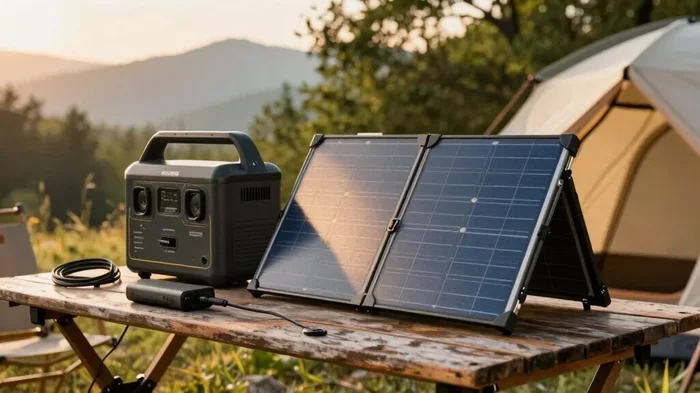
- Solar-assisted: Eco-friendly and cost-effective over time. Needs good sunlight exposure.
Think About Noise Level
Indoor gardens are usually inside your home or garage. A loud generator can be disruptive. Look for a light plant generator with a low decibel rating. Inverter generators are especially quiet and work well for indoor setups.
Setting Up Your Light Plant Generator for Best Results
Once you have your light plant generator, proper setup makes a huge difference in performance and safety. Follow these steps to get started on the right foot.
Placement Matters
Never place a fuel-powered generator inside your home. Carbon monoxide is a serious risk. Set it outside in a well-ventilated area. Use heavy-duty extension cords rated for outdoor use to connect your indoor equipment.
If you are using a battery-powered or solar light plant generator, you have more flexibility with placement. Still, keep it away from water sources and direct heat.
Use a Surge Protector
Power surges can damage sensitive gardening equipment like LED controllers and timer systems. Always plug your devices through a quality surge protector before connecting them to your light plant generator.
Create a Power Schedule
Set up a consistent schedule for your generator. Run it during peak light hours for your plants and turn it off during dark periods if your setup allows it. This saves fuel and reduces wear on the machine.
Maintenance Tips for Long-Lasting Performance
Like any equipment, your light plant generator needs regular care to perform at its best. Skipping maintenance leads to breakdowns, poor performance, and even safety hazards.
Regular Oil and Filter Changes
Check your oil level before every use. Change the oil according to the manufacturer’s schedule — usually every 50 to 100 hours of runtime. Replace air filters monthly during heavy use. Clean filters mean better airflow and more efficient power output.
Run Load Tests
Even if you are not using your generator often, run it under load every few weeks. This keeps the engine in good shape and lets you verify it is ready when you need it most. Generator testing is simple and only takes a few minutes.
Store Fuel Properly
Fuel degrades over time, especially gasoline. Use fresh fuel and add a stabilizer if you plan to store the generator for more than a month. Proper fuel storage prevents starting problems and extends the life of your light plant generator.
Check for Wear and Tear
Inspect cords, plugs, and connections regularly. Look for frayed wires or loose fittings. Addressing small issues early prevents bigger problems down the road.
Common Mistakes to Avoid
Even experienced indoor gardeners make mistakes with their generators. Here are the most common ones and how to avoid them.
Undersizing the Generator
This is the number one mistake. People buy a light plant generator based on guesswork rather than actual wattage calculations. An undersized generator overheats, trips breakers, and fails to power all your equipment. Always do the math first.
Ignoring Runtime Limits
Every generator has a maximum runtime per tank of fuel. If you run it continuously beyond that limit, you risk engine damage. Plan your lighting schedules to give the generator regular breaks. Also, keep in mind how long a generator battery lasts if you are using a battery-powered model.
Skipping Ventilation
Fuel-powered generators produce carbon monoxide and heat. Never run one in an enclosed space. Even a garage with the door cracked is not always safe enough. Place your unit outside and route the power cord indoors.
Neglecting Seasonal Maintenance
If you only use your light plant generator during certain months, it is easy to forget about it. But stale fuel, corroded terminals, and worn spark plugs can cause failure when you need the unit most. A quick check at the start of every growing season goes a long way.
Expert Tips for Maximizing Your Indoor Garden Setup
Want to get the most out of your light plant generator and indoor garden? Here are some pro tips that make a real difference.
Pair Your Generator with an Inverter
Inverter generators produce clean, stable power. This is important for sensitive electronics like LED drivers and automated controllers. A dirty power signal can shorten the lifespan of your equipment. Investing in an inverter-compatible light plant generator protects your entire setup.
Monitor Fuel Consumption
Keep track of how much fuel your generator uses per hour. This helps you budget for ongoing costs and plan refills. Some brands, like the Sun Joe generator line, offer fuel-efficient models that are perfect for smaller indoor gardens.
Upgrade to LED Grow Lights
LED lights use far less power than traditional HID or fluorescent bulbs. By switching to LED grow lights, you reduce the load on your generator and lower your electricity costs. This also means your generator runs quieter and cooler.
Invest in a Transfer Switch
A transfer switch lets you seamlessly switch between grid power and generator power. This is especially useful if you experience frequent outages. It also prevents backfeeding, which is a serious safety hazard.
Final Thoughts
A light plant generator is one of the smartest investments you can make for your indoor garden. It gives you peace of mind, protects your plants from power disruptions, and keeps your grow room running like clockwork. From choosing the right size to following a solid maintenance routine, every step matters.
Take the time to understand your power needs, pick a reliable unit, and care for it properly. Your plants will thank you with healthier growth and better yields. A well-chosen and well-maintained light plant generator is the backbone of any serious indoor garden. Start applying these tips today and watch your garden thrive.
Frequently Asked Questions
What size light plant generator do I need for a small indoor garden?
For a small setup with a few LED grow lights and a small fan, a 500 to 800-watt light plant generator is usually sufficient. Add up the wattage of all your devices and choose a generator rated 20% higher than that total.
Can I run a light plant generator indoors?
No. Fuel-powered generators must never be operated indoors due to carbon monoxide risks. Place your light plant generator outside and use long, heavy-duty extension cords to reach your indoor garden equipment.
How long does a light plant generator run on a full tank?
Runtime varies by model and load. Most portable generators run 8 to 12 hours on a full tank at half load. Check your specific model’s specifications for accurate runtime estimates.
Is a solar light plant generator worth it?
Solar-powered options are excellent for eco-conscious gardeners. They have lower operating costs and zero emissions. However, they depend on sunlight availability and may need a battery backup for cloudy days or nighttime use.
How often should I maintain my light plant generator?
Perform a quick inspection before each growing season. Change the oil every 50 to 100 hours of use, replace air filters monthly during heavy use, and always use fresh fuel with stabilizer for storage.
What is the difference between a light plant generator and a regular portable generator?
A light plant generator is designed with indoor gardening needs in mind. It focuses on clean, stable power output and quiet operation. Regular portable generators are built for general-purpose use and may not provide the consistent power quality that sensitive grow equipment requires.