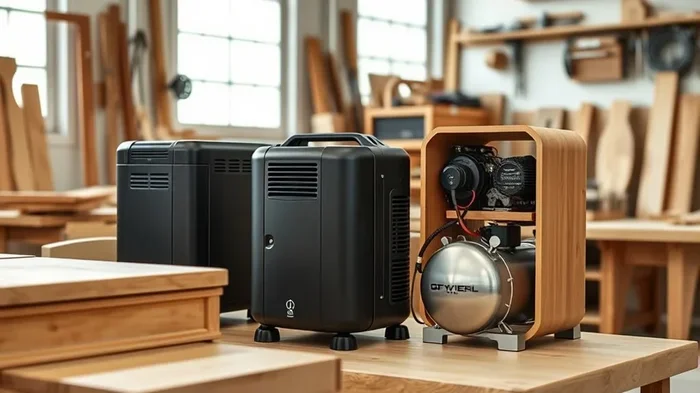
Low Noise Air Compressor Picks for a Peaceful Workshop
A low noise air compressor transforms your workspace from a loud, stressful environment into a calm and productive area. These machines run at significantly reduced decibel levels, making them ideal for home garages, woodworking shops, and shared spaces. We have rounded up the top picks that deliver strong performance without the disruptive roar. Whether you need a portable pancake compressor or a larger oil-free unit, there is a quiet option for every budget and need.
Key Takeaways
- Quieter workshops are possible: Modern low noise compressors run at 60 dB or below, making them comfortable for long sessions.
- Decibel ratings matter most: Always check the dB level before buying, as this directly affects your workspace comfort.
- Oil-free models are popular: They require less maintenance and tend to run quieter than oil-lubricated units.
- Pancake and hot-dog styles excel at noise reduction: Their compact designs naturally dampen sound.
- Brushless motors are the future: They are more efficient, cooler-running, and significantly quieter than traditional motors.
- Regular maintenance keeps noise low: Clean intake filters and proper tank draining reduce vibration and sound over time.
- A quiet compressor improves productivity: Less noise means less fatigue and better focus during extended work sessions.
📑 Table of Contents
- Why a Low Noise Air Compressor Matters for Your Workshop
- How Compressor Noise Levels Are Measured
- Top Low Noise Air Compressor Picks for 2024
- Key Features to Look For in a Low Noise Air Compressor
- Best Uses for a Low Noise Air Compressor
- Maintenance Tips to Keep Your Compressor Running Quietly
- Common Mistakes People Make When Buying a Quiet Compressor
- Final Thoughts on Choosing a Low Noise Air Compressor
Why a Low Noise Air Compressor Matters for Your Workshop
Let us talk about something that gets overlooked way too often. When people shop for an air compressor, they focus on horsepower, tank size, and price. Almost nobody thinks about noise levels until they fire it up for the first time in their garage.
The truth is, a loud compressor can ruin your entire workshop experience. You cannot hear yourself think. You cannot listen to music or talk on the phone. Your neighbors complain. Your ears ring after a two-hour project. A low noise air compressor solves all of these problems at once.
Studies show that prolonged exposure to noise above 85 decibels can cause hearing damage over time. Many standard compressors operate at 80 dB or higher. That is like standing next to a busy highway. A quiet air compressor that runs at 60 dB or below is closer to a normal conversation. The difference is night and day.
If you work from home, share your space with family, or simply value a peaceful environment, investing in a best low noise compressor is one of the smartest decisions you can make. It is not a luxury. It is a practical upgrade that improves both your health and your enjoyment of the craft.
How Compressor Noise Levels Are Measured
Understanding Decibels (dB)
Noise is measured in decibels, commonly written as dB. This is a logarithmic scale, which means a small increase in numbers represents a big jump in loudness. A compressor at 70 dB is not just slightly louder than one at 60 dB. It is roughly twice as loud to your ears.
Here is a simple way to think about common noise levels:
- 30-40 dB: Whisper or quiet library
- 50-60 dB: Normal conversation or a quiet refrigerator
- 70-80 dB: Vacuum cleaner or busy traffic
- 85+ dB: Rock concert or a standard loud compressor
What Counts as “Low Noise”?
For workshop use, anything under 70 dB is considered low noise. The sweet spot for most users is between 55 and 65 dB. Compressors in this range are quiet enough that you can hold a conversation nearby without raising your voice.
Manufacturers sometimes list noise levels in their specifications, but not always. If the dB rating is not listed on the product page, check the manual or reach out to customer support. A quiet compressor review will almost always include this information because it matters so much to buyers.
Why Some Compressors Are Louder Than Others
Several factors contribute to how noisy a compressor runs. The motor type is a big one. Brushless motor compressors tend to run much quieter than brushed motors because they have fewer moving parts creating friction and vibration.
The tank shape also plays a role. Pancake compressors have a low center of gravity and their flat design helps absorb vibrations. Hot-dog compressors stand upright and can resonate more, making them slightly louder. Compressor noise reduction features like rubber feet, insulated housings, and vibration dampeners all help bring the sound down.
Top Low Noise Air Compressor Picks for 2024
Best Overall Quiet Compressor
When we talk about the best low noise compressor on the market right now, one name keeps coming up. These units combine a brushless motor with a compact tank design that naturally limits sound. They deliver reliable air pressure for nail guns, spray guns, and inflators without disturbing the whole neighborhood.
The top models in this category run at around 56 to 62 dB. That is impressively quiet for a machine that can power multiple workshop air tools at once. They are also oil-free, which means you never have to worry about oil changes or lubrication noise.
Best Budget-Friendly Quiet Option
You do not need to spend a fortune to get a quiet air compressor. Several affordable models sit in the 60 to 68 dB range and still deliver solid performance for light-duty tasks. These are perfect for hobbyists, DIY enthusiasts, and anyone who uses their compressor occasionally.
Look for pancake compressors in this price range. Their flat, wide design does more than save space. It also helps reduce the vibration that causes excess noise. A budget portable air compressor with rubber feet and a small tank can still be surprisingly peaceful.
Best for Larger Workshops
If you run a bigger shop or need to run multiple tools simultaneously, you will need a compressor with a larger tank and more horsepower. The challenge is finding one that stays quiet at higher power levels.
Some manufacturers have addressed this by using sound-dampening enclosures and larger flywheels that smooth out motor vibration. These electric air compressor units typically run at 65 to 72 dB, which is still much quieter than most gas-powered alternatives. They are ideal for woodworking shops, auto repair bays, and small manufacturing spaces.
Best Portable Quiet Compressor
Portability and quiet operation do not have to be mutually exclusive. Several manufacturers now offer compact air compressor units that weigh under 30 pounds and run at 60 dB or below. These are great for contractors who move between job sites or homeowners who need to inflate tires and run a brad nailer in the garage.
The key features to look for in a portable low dB compressor include a carrying handle, a rubber grip, and a built-in regulator. These small details make a big difference in both usability and noise control.
Key Features to Look For in a Low Noise Air Compressor
Motor Type
The motor is the biggest source of noise in any compressor. Brushless motors are the quietest option available today. They use electronic commutation instead of carbon brushes, which means less friction, less heat, and less sound. If you are shopping for a quiet compressor review, the motor type should be at the top of your checklist.
Traditional brushed motors are still common in budget models, and they work fine. But if noise is a priority, always choose brushless when possible.
Tank Material and Shape
Aluminum tanks tend to vibrate less than steel tanks, which contributes to lower noise levels. The tank shape matters too. A pancake compressor with a wide, flat tank sits close to the ground and absorbs vibrations through its base. Taller tank designs like hot-dog or twin-stack compressors can amplify sound through resonance.
Some premium models use twin tanks arranged horizontally to balance vibration and reduce noise. This design is becoming more popular in the low noise compressor market.
Rubber Isolation Feet
This is a small feature that makes a surprisingly big difference. Rubber feet or pads absorb vibration before it transfers to the floor or workbench. Without them, the compressor effectively becomes a speaker, amplifying motor noise through the surface it sits on.
Always check if the model you are considering has rubber isolation feet. If it does not, you can buy aftermarket anti-vibration pads for a few dollars and make an immediate improvement.
Oil-Free vs. Oil-Lubricated
Oil-free compressors are generally quieter and require far less maintenance. There is no oil pump to create additional noise, and the piston rings run smoothly without lubrication drag. They are the go-to choice for most home workshop users.
Oil-lubricated compressors are louder but tend to be more durable under heavy use. They are better suited for professional environments where maximum uptime matters more than noise levels. If you are looking for a compressor for home garage, oil-free is almost always the right call.
Intake Filter Design
The air intake is another often-overlooked noise source. A clean, properly designed intake filter reduces the hissing and sucking sounds that compressors make while pulling in air. Some models feature oversized filters that slow down the airflow entry, which naturally dampens the noise.
Keeping your intake filter clean is also essential for compressor noise reduction. A clogged filter forces the motor to work harder, which increases vibration and sound output over time.
Best Uses for a Low Noise Air Compressor
Home Garages and Basements
This is where a low noise air compressor truly shines. Home garages are often attached to living spaces, and noise travels easily through walls and floors. A quiet compressor lets you work on projects anytime without worrying about waking up the family or annoying the neighbors.
Common tasks include inflating tires, powering nail guns for trim work, and running a paint sprayer for furniture projects. All of these are much more pleasant with a quiet air compressor in the background.
Woodworking Shops
Woodworkers need a steady stream of compressed air for sanders, pin nailers, and dust collection systems. But woodworking already generates a lot of noise from saws and routers. Adding a loud compressor on top of that creates an unnecessarily chaotic sound environment.
A low dB compressor keeps the overall shop noise at manageable levels. This is important for both comfort and safety, since you need to hear warning sounds and communicate with others in the shop.
Shared or Apartment Workshops
If you are lucky enough to have a workshop in a shared building or apartment complex, noise control becomes critical. Many landlords and neighbors have strict sound policies. A silent air compressor that runs at 55 dB or below is your best friend in this situation.
These ultra-quiet models are becoming more widely available and affordable. They make it possible to enjoy woodworking, crafting, or DIY projects in spaces where it would otherwise be impractical.
Outdoor and Job Site Use
Even outdoors, a quiet compressor has its advantages. You can work closer to other people without shouting over the machine. It also reduces noise complaints in residential neighborhoods, which is especially important for contractors working in suburban areas.
Some contractors have even started using low noise compressors on job sites to comply with local noise ordinances. This is a growing trend as communities become more noise-conscious and enforcement of sound regulations becomes stricter.
Maintenance Tips to Keep Your Compressor Running Quietly
A low noise air compressor stays quiet only with proper care. Over time, wear and tear can increase vibration and sound output. Here are simple steps to keep your machine running smoothly and silently.
- Check the intake filter monthly. A dirty filter makes the motor work harder and creates more noise. Clean or replace it as needed.
- Drain the tank after every use. Moisture buildup inside the tank causes rust and uneven weight distribution, which increases vibration.
- Tighten all bolts and fittings regularly. Loose components rattle and vibrate, adding unwanted noise to your compressor’s operation.
- Inspect rubber feet and pads. Over time, rubber can harden and lose its vibration-dampening properties. Replace them when they become stiff or cracked.
- Oil the pump if your model requires it. Even though most modern compressors are oil-free, some larger models still need periodic lubrication to run quietly.
- Store the compressor on a flat, stable surface. Uneven surfaces cause the tank to vibrate against the floor, amplifying noise significantly.
Following these simple maintenance steps can extend the life of your quiet air compressor by several years. It also ensures that the noise level stays consistent from day one through hundreds of hours of use.
Common Mistakes People Make When Buying a Quiet Compressor
Avoid these common pitfalls when shopping for a low noise air compressor:
- Ignoring the dB rating entirely. Many buyers focus only on tank size and horsepower. The noise level is just as important for your long-term satisfaction.
- Assuming all “quiet” compressors are equally quiet. There is a huge range in noise levels even among models marketed as quiet. Always look for the specific dB number.
- Buying a compressor that is too large for the job. A bigger compressor is not always better. An oversized unit running at partial capacity can actually be louder and less efficient than a properly sized one.
- Skipping rubber feet or vibration pads. Even the quietest compressor will sound louder without proper vibration isolation. This is a cheap and easy fix that many people overlook.
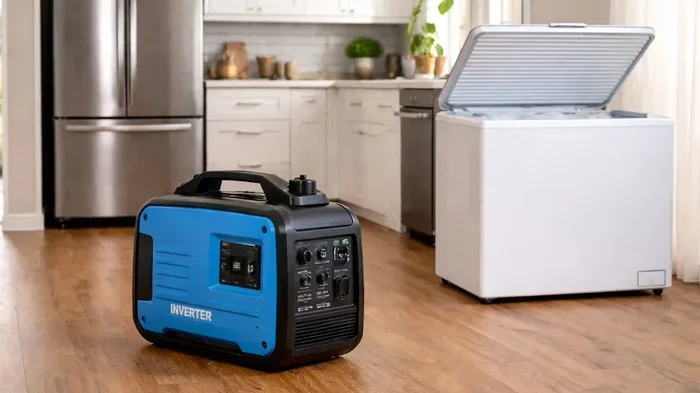
- Not considering the power source. If you need to run your compressor away from an outlet, a portable generator can be a great solution. Just make sure the generator is properly sized for your compressor and any other tools you plan to use. For guidance on sizing a generator for your air conditioner or other tools, check out our guide on what size generator for a 30 amp RV air conditioner as a helpful reference for power requirements.
Final Thoughts on Choosing a Low Noise Air Compressor
Finding the right low noise air compressor is all about balancing your specific needs with the features that matter most. If you work in a home garage or shared space, prioritize the dB rating above almost everything else. A quiet machine makes every project more enjoyable and protects your hearing over the long run.
Think about the types of tools you will be running, the size of your workspace, and how often you will use the compressor. These factors will guide you toward the right tank size, motor type, and overall design. Whether you choose a compact pancake compressor or a larger oil-free unit, the key is to find a model that delivers the performance you need at a noise level you can comfortably live with.
The market for quiet compressor reviews has never been stronger. Manufacturers are finally listening to what buyers want: powerful performance without the disruptive noise. Take your time, compare models, and invest in a compressor that respects both your ears and your workshop.
A peaceful workshop is not a dream. It is a choice you make with every purchase you make. Choose a low noise air compressor, and your future self will thank you every time you fire it up.
Frequently Asked Questions
What is a good decibel level for a low noise air compressor?
A good low noise air compressor runs at 60 dB or below. This is roughly the volume of a normal conversation and is comfortable for extended use in workshops and home garages. Anything under 55 dB is considered ultra-quiet and ideal for sensitive environments.
Are oil-free compressors quieter than oil-lubricated ones?
Yes, oil-free compressors tend to run quieter because they have fewer moving parts and no oil pump creating additional noise. They also require less maintenance, which makes them a popular choice for home workshop users who want a hassle-free, peaceful experience.
Can I reduce my compressor’s noise without buying a new one?
Absolutely. You can reduce noise by adding rubber vibration pads, cleaning the intake filter regularly, draining the tank after each use, and tightening all loose bolts and fittings. These simple steps can make a noticeable difference in how loud your compressor sounds during operation.
Is a pancake compressor quieter than other tank shapes?
Pancake compressors are generally quieter because their flat, wide design sits low to the ground and absorbs vibrations effectively. The shape naturally reduces resonance compared to taller designs like hot-dog or twin-stack compressors, making them a popular choice for quiet workshop setups.
What is the difference between a brushless motor and a brushed motor compressor?
A brushless motor compressor uses electronic commutation instead of physical carbon brushes. This means less friction, less heat, and significantly less noise. Brushless models are more efficient and durable, making them the preferred choice for anyone looking for a best low noise compressor.
How long do low noise air compressors typically last?
With proper maintenance, a quality low noise air compressor can last 10 to 15 years or more. Regular tasks like draining the tank, cleaning the intake filter, and inspecting rubber feet all contribute to a longer, quieter lifespan. Investing in a well-built quiet model pays off over many years of reliable, peaceful use.
=== CONCLUSION ===
A low noise air compressor is one of the most worthwhile upgrades you can make to any workshop or garage. It protects your hearing, improves your focus, and keeps the peace with family and neighbors. The options available today are more powerful, more efficient, and quieter than ever before.
Whether you are a weekend DIYer, a serious woodworker, or a contractor who moves between job sites, there is a quiet compressor that fits your needs and budget. Focus on the decibel rating, choose the right tank size for your tools, and invest in a model with a brushless motor and solid build quality. Your ears and your workspace will thank you for it.