How Does a Freezer Compressor Work and Why It Matters
The freezer compressor is the heart of your cooling system, pumping refrigerant through a cycle that removes heat and keeps food frozen. Understanding how it works helps you troubleshoot problems, save energy, and extend the life of your freezer. This guide breaks down every stage of the compression process in plain, easy-to-follow language.
Your freezer works hard every single day to keep your food safe and frozen. But have you ever stopped to think about what makes it all happen? The answer is the freezer compressor. This small but powerful machine is the engine behind every cooling cycle. Without it, your freezer would be nothing more than an insulated box sitting at room temperature.
In this article, we will walk you through exactly how a freezer compressor works, why it matters, and what you can do to keep it running smoothly. Whether you are a curious homeowner or someone dealing with a noisy or failing unit, you will find practical answers here. Let us dive in.
Key Takeaways
- The compressor pressurizes refrigerant gas, starting the cooling cycle that keeps your freezer cold.
- A freezer compressor has four main parts: the motor, piston, suction valve, and discharge valve.
- Regular maintenance like cleaning coils and checking refrigerant levels prevents costly compressor failure.
- Signs of a failing compressor include loud noises, warm air, and ice buildup on the coils.
- Using a generator to power your freezer during outages requires matching the right generator size.
- A well-maintained compressor can last 10 to 15 years with proper care.
📑 Table of Contents
- What Is a Freezer Compressor and What Does It Do?
- How Does a Freezer Compressor Work Step by Step?
- Why the Freezer Compressor Matters for Your Home
- Common Problems with Freezer Compressors
- How to Maintain Your Freezer Compressor
- When to Replace a Freezer Compressor
- Freezer Compressor and Generator Backup Power
- Key Takeaways
- FAQ
- Conclusion
What Is a Freezer Compressor and What Does It Do?
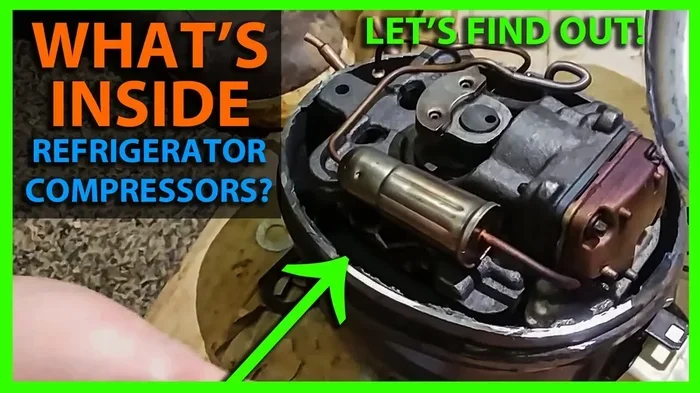
A freezer compressor is a pump that moves refrigerant gas through the cooling system. Think of it as the heart of your freezer. Just like your heart pushes blood through your body, the compressor pushes refrigerant through pipes, coils, and valves. This movement creates the cooling effect that keeps your food frozen solid.
The compressor sits at the back or bottom of most freezer units. It is usually a small, humming device that you can feel vibrating when the unit is running. Inside, a motor drives a piston that squeezes the refrigerant gas. This compression raises the gas pressure and temperature, which sets the entire cooling cycle in motion.
Without a working compressor, your freezer cannot remove heat from inside the unit. The refrigerant simply would not move. Food would thaw, and the entire cooling process would stop. This is why understanding how the compressor works is so important for every freezer owner.
The Role of Refrigerant in the Cooling Cycle
Refrigerant is the special fluid that travels through your freezer system. It changes from gas to liquid and back again as it moves through different parts of the unit. The compressor plays a key role in this cycle by squeezing the refrigerant gas into a hot, high-pressure state.
Once the refrigerant leaves the compressor, it flows into the condenser coils. There, it releases heat and turns into a liquid. Then it moves through an expansion valve, which drops the pressure. Finally, it enters the evaporator coils inside the freezer, where it absorbs heat and turns back into a gas. The compressor then pulls this gas back in, and the cycle starts all over again.
How Does a Freezer Compressor Work Step by Step?
The freezer compressor follows a repeating cycle that has four main stages. Each stage plays a specific role in removing heat from inside the freezer. Let us break them down one by one.
Step 1: Suction of Low-Pressure Gas
The cycle begins when the compressor draws in low-pressure refrigerant gas from the evaporator coils. This gas is cool and has already absorbed heat from the inside of the freezer. The compressor pulls it in through the suction valve, which is a one-way door that keeps the gas from flowing backward.
At this stage, the gas is at a low pressure and relatively low temperature. The compressor is ready to do its job of squeezing it into a smaller space. This is where the real magic of the cooling cycle begins.
Step 2: Compression of the Gas
Once the gas is inside the compressor cylinder, the piston moves up and down. This motion squeezes the gas into a much smaller volume. As the gas gets compressed, its pressure and temperature rise significantly.
This is the core function of the freezer compressor. By raising the pressure, the gas becomes hot enough to release heat to the outside environment. The motor that drives the piston is powered by electricity, which is why your freezer uses energy every time it runs.
Step 3: Discharge of Hot, High-Pressure Gas
After compression, the hot gas exits the compressor through the discharge valve. This valve is another one-way gate that prevents the hot gas from flowing back into the cylinder. The gas then travels through a line to the condenser coils, which are usually located at the back or bottom of the freezer.
As the hot gas moves through the condenser coils, it releases heat into the surrounding air. A fan often helps blow air across the coils to speed up this heat transfer. The gas gradually cools and begins to turn into a liquid. This is a critical part of the process because it allows the refrigerant to release the heat it absorbed from inside the freezer.
Step 4: Expansion and Evaporation
The liquid refrigerant then passes through an expansion valve, which is a tiny opening that causes a sudden drop in pressure. This pressure drop causes the liquid to cool rapidly and partially evaporate into a gas. The cold gas-liquid mixture then enters the evaporator coils inside the freezer.
Inside the evaporator coils, the cold refrigerant absorbs heat from the air and food inside the freezer. This is what makes the freezer cold. The refrigerant fully evaporates into a low-pressure gas and then flows back to the compressor to start the cycle again. This continuous loop is what keeps your freezer at the right temperature around the clock.
Why the Freezer Compressor Matters for Your Home
The compressor is not just a mechanical part. It is the reason your freezer can do its job. Here are several important reasons why the compressor matters so much for your home and your food storage.
Food Safety and Preservation
A working compressor keeps your food at safe freezing temperatures. This prevents bacteria from growing and keeps your meals, meats, and vegetables fresh for months. If the compressor fails, the temperature inside the freezer starts to rise quickly. Within hours, food can begin to spoil, leading to waste and potential health risks.
Energy Efficiency
A healthy compressor runs efficiently and uses less electricity. When the compressor is worn out or dirty, it has to work harder to maintain the same temperature. This extra effort leads to higher energy bills. Keeping your compressor in good shape can save you money on your monthly utility costs.
Many homeowners wonder how much their cooling appliances cost to run. If you are curious about generator fuel use during outages, check out this guide on how much gas a generator uses to keep your freezer running during power cuts.
System Longevity
The compressor is one of the most expensive parts to replace in a freezer. When you take care of the compressor, you extend the life of the entire unit. A well-maintained compressor can last 10 to 15 years or even longer. Neglecting it, on the other hand, can lead to early failure and costly repairs.
Common Problems with Freezer Compressors
Even the best compressors can develop problems over time. Knowing the warning signs helps you catch issues early before they turn into expensive repairs. Here are the most common compressor problems homeowners face.
Compressor Runs But Does Not Cool
This is one of the most frustrating problems. The compressor is running and humming, but the freezer is not getting cold. Often, this happens when the refrigerant level is low. A leak in the system can cause refrigerant to escape slowly over time. Without enough refrigerant, the compressor cannot complete the cooling cycle properly.
Another cause could be a clogged expansion valve or dirty condenser coils. When airflow is blocked, the system cannot release heat effectively. This puts extra strain on the compressor and reduces cooling performance.
Compressor Makes Loud or Unusual Noises
A healthy freezer compressor makes a steady, low humming sound. If you hear grinding, clicking, or loud rattling, something is wrong. Grinding noises often mean the motor bearings are worn out. Clicking sounds can indicate a failing relay or a compressor that is struggling to start.
Sometimes the noise comes from loose parts inside the compressor housing. Other times, it signals a deeper mechanical issue. Either way, unusual sounds should never be ignored. They are early warnings that something needs attention.
Compressor Short Cycles or Won’t Start
Short cycling means the compressor turns on and off too frequently. This puts stress on the motor and reduces efficiency. A common cause is a faulty thermostat or a dirty condenser coil that causes the system to overheat and shut down.
If the compressor will not start at all, the problem could be a bad start relay, a seized motor, or a blown capacitor. These are repairable issues in many cases, but a technician should diagnose the exact cause.
Ice Buildup Around the Compressor Area
Ice forming near the compressor or on the coils can signal a refrigerant leak or a blocked airflow path. When the system cannot circulate refrigerant properly, moisture can freeze in unexpected places. This ice buildup further restricts airflow and makes the compressor work even harder.
How to Maintain Your Freezer Compressor
Good maintenance is the best way to keep your freezer compressor healthy and efficient. Simple habits can add years to the life of your unit. Here are the most effective maintenance tips every freezer owner should follow.
Clean the Condenser Coils Regularly
Dust, pet hair, and debris can build up on the condenser coils over time. When the coils are dirty, the system cannot release heat properly. This forces the compressor to run longer and work harder. Cleaning the coils with a vacuum or a coil brush every six months can make a big difference in performance.
Check the Door Seals
Worn or damaged door seals let warm air sneak into the freezer. The compressor has to compensate for this extra heat, which increases energy use and wear. You can test your seals by closing the door on a piece of paper. If the paper slides out easily, the seal needs to be replaced.
Keep the Freezer Well Stocked
A full freezer retains cold better than an empty one. When there is more frozen food inside, the compressor does not have to run as often. If your freezer is often empty, try filling containers with water and freezing them. This helps maintain a stable temperature and reduces compressor cycling.
Avoid Overloading the Freezer
While a full freezer is good, an overloaded freezer can block airflow around the evaporator coils. This restricts the system’s ability to exchange heat and puts extra strain on the compressor. Keep items organized and do not pack them so tightly that air cannot circulate freely.
Schedule Professional Maintenance
Even with good home care, it is wise to have a professional inspect your freezer every year or two. A technician can check refrigerant levels, test electrical connections, and spot early signs of compressor wear. This proactive approach can prevent sudden breakdowns and expensive repairs.
When to Replace a Freezer Compressor
Sometimes a compressor cannot be repaired. Knowing when to replace it saves you from wasting money on repeated fixes. Here are the main signs that replacement may be the best option.
If your compressor is more than 10 years old and needs frequent repairs, replacement is often more cost-effective. A new compressor can be expensive, and older units may have other worn parts that will fail soon too. Compare the repair cost against the price of a new freezer to make the best decision.
Also, consider the energy efficiency of newer models. Modern freezers use much less electricity than older units. A new compressor or a new freezer can lower your energy bills significantly over time. If you are considering a backup power solution, you might want to learn about what size generator to run a refrigerator since freezers and refrigerators share similar compressor technology and power requirements.
Finally, think about how long you plan to keep your current freezer. If you are replacing a very old unit, a new energy-efficient model is often the smarter choice in the long run.
Freezer Compressor and Generator Backup Power
Power outages can be a real headache, especially when they threaten the food in your freezer. Many homeowners rely on portable or standby generators to keep their freezers running during blackouts. Understanding the connection between your freezer compressor and backup power is important for preparedness.
A generator can keep your freezer compressor running during an outage, but you need the right size and fuel type. A small generator may not provide enough starting wattage for the compressor motor, which draws a surge of power when it kicks on. This is why matching your generator to your freezer is essential.
If you are exploring backup power options, you might also want to check out how long a generator can run to plan for extended outages. Additionally, understanding home generator costs helps you budget for the right backup solution. And for fuel considerations, see how much gas a generator uses to estimate your running costs during emergencies.
A well-chosen generator ensures your freezer compressor keeps running smoothly, even when the power grid fails. This protects your food and gives you peace of mind during storms and other disruptions.
Key Takeaways
- The freezer compressor is the core component that drives the entire cooling cycle by compressing refrigerant gas.
- The four-stage cycle includes suction, compression, discharge, and expansion, which together remove heat from the freezer.
- Regular maintenance like cleaning coils, checking seals, and scheduling professional inspections prevents compressor failure.
- Common warning signs include loud noises, warm air, short cycling, and ice buildup near the compressor area.
- A healthy compressor lasts 10 to 15 years and keeps energy bills low by running efficiently.
- Backup generators can protect your compressor during outages, but you must match the generator size to your freezer.
- When repairs become frequent and costly, replacing the compressor or the entire freezer is often the smarter choice.
FAQ
How long does a freezer compressor typically last?
Most freezer compressors last between 10 and 15 years with proper maintenance. Factors like usage patterns, ambient temperature, and how well you care for the unit all affect lifespan. Regular cleaning and professional checkups can help your compressor reach the upper end of that range.
Can a freezer compressor be repaired?
Yes, many compressor issues can be repaired, especially if caught early. Common repairs include fixing refrigerant leaks, replacing the start relay, or cleaning clogged components. However, if the compressor motor itself fails, the cost of repair may approach the cost of a new unit. A qualified technician can help you decide the best option.
Why is my freezer compressor running constantly?
A compressor that runs without stopping usually signals a problem. Common causes include a dirty condenser coil, a worn door seal, or a thermostat that is not reading the temperature correctly. When the compressor cannot reach the set temperature, it keeps running, which wastes energy and wears out the motor faster.
How much does it cost to replace a freezer compressor?
Compressor replacement typically costs between $200 and $500 for parts and labor, depending on the freezer model and your location. However, if your freezer is older, the total repair cost might not be worth it. In many cases, buying a new energy-efficient freezer is a better long-term investment.
Does a freezer compressor use a lot of electricity?
The compressor is the most energy-hungry part of your freezer. It typically accounts for about 70 to 80 percent of the unit’s total electricity use. Keeping the compressor well-maintained ensures it runs as efficiently as possible, which helps lower your energy bills over time.
What happens if the freezer compressor fails completely?
If the compressor fails entirely, the freezer will stop cooling. Food inside will begin to thaw, and the temperature will rise to match the surrounding room. You will hear the compressor stop humming, and the unit may make clicking sounds as it tries and fails to restart. At that point, you will need a repair or a replacement to restore cooling.
Conclusion
The freezer compressor is truly the unsung hero of your kitchen. It works quietly in the background, cycling on and off day after day to keep your food frozen and safe. Understanding how it works gives you the knowledge to take better care of it and spot problems before they become serious.
From the suction stage to the discharge stage, every part of the compression cycle plays a vital role. Regular maintenance, smart usage habits, and timely repairs go a long way in keeping your compressor healthy for years. And when backup power is needed, having the right generator on hand ensures your freezer keeps running no matter what.
Take a few minutes today to check your condenser coils, inspect your door seals, and listen for any unusual sounds coming from your freezer. These small actions can make a big difference. A well-cared-for compressor means a well-cared-for freezer, and that means peace of mind for you and your family.