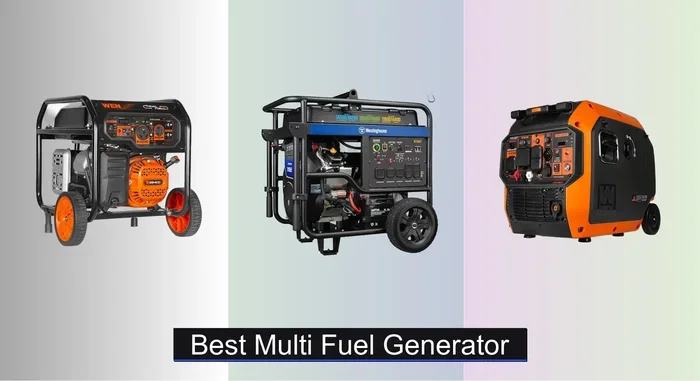
Best Multi Fuel Generator for Home and Emergency Use
A multi fuel generator gives you the freedom to switch between gasoline, propane, and natural gas when the power goes out. These versatile machines are perfect for home backup, camping trips, and emergency preparedness. In this guide, we break down the top models, key features, and what to look for so you can make a smart, confident purchase.
A multi fuel generator is one of the smartest investments you can make for your home. Whether a storm knocks out the grid or you’re camping in the woods, having a machine that runs on more than one type of fuel gives you real peace of mind. The beauty of these generators is simple. You are never stuck waiting for a specific fuel type when you need power the most.
In this guide, we are going to walk you through everything you need to know about multi fuel generators. We will cover how they work, what to look for, which models stand out, and how to pick the right one for your home. By the end, you will feel confident choosing a backup power system that fits your needs and budget.
Key Takeaways
- Versatility is key: A multi fuel generator lets you run on gasoline, propane, or natural gas depending on what’s available.
- Emergency readiness: Having a backup power system keeps your essentials running during outages and disasters.
- Fuel efficiency matters: Propane and natural gas often burn cleaner and last longer than gasoline alone.
- Size and wattage count: Matching the generator’s output to your needs prevents overload and saves fuel.
- Maintenance is simple: Regular upkeep keeps your portable power generator running smoothly for years.
- Top brands deliver reliability: Models from DuroMax, Westinghouse, and Champion lead the market for a reason.
- Test before you need it: Running generator testing ahead of storms ensures everything works when it counts.
📑 Table of Contents
- What Is a Multi Fuel Generator?
- Why Choose a Multi Fuel Generator for Your Home?
- Top Features to Look For
- Best Multi Fuel Generators on the Market
- How to Size the Right Generator for Your Needs
- Maintenance Tips for Long Lasting Performance
- Safety Tips for Using Your Multi Fuel Generator
- How Natural Gas Usage Compares
- Final Thoughts on Choosing the Best Multi Fuel Generator
What Is a Multi Fuel Generator?
A multi fuel generator is a portable or standby power machine designed to run on more than one fuel source. Most models support gasoline, propane, and sometimes natural gas. This flexibility sets them apart from single fuel generators that only run on one type of fuel. When one fuel type is hard to find or runs out, you can simply switch to another.
The way these machines work is pretty straightforward. They use a conversion kit or dual fuel system that allows you to swap between fuel types. For example, you might start the generator on gasoline for a quick burst of power and then switch to propane for longer runtime. This is especially useful during extended power outage solutions where fuel availability becomes a real concern.
How Do Multi Fuel Generators Work?
Inside a multi fuel generator, you will find a fuel conversion system that adjusts the air fuel mixture for each type. Gasoline provides the easiest starting and highest energy density. Propane burns cleaner and stores well for long periods. Natural gas offers a continuous supply if you have a gas line at home. Each fuel has its own strengths and the generator lets you use them all.
Most models come with a regulator and hose kit for propane and natural gas. You attach the fuel source, adjust the dial or switch, and the generator runs smoothly. The generator runtime varies depending on the fuel type and load you are running. Propane tends to burn a bit faster than natural gas but slower than gasoline under heavy loads.
Why Choose a Multi Fuel Generator for Your Home?
There are many reasons to choose a multi fuel generator over a traditional single fuel model. The biggest advantage is flexibility. During a winter storm, gasoline might be hard to find at the pump. But if you have propane tanks or access to natural gas, your generator keeps running. This kind of reliability is what makes emergency preparedness so much easier.
Another big reason is cost savings. Propane and natural gas are often cheaper than gasoline over the long run. They also burn cleaner, which means less buildup inside the engine. This leads to fewer maintenance trips and a longer machine life. If you are serious about having a reliable home generator, going multi fuel is a smart move.
Fuel Types Compared
Each fuel type has its own pros and cons. Here is a quick look at what you can expect from each source when using a multi fuel generator.
- Gasoline: Easy to find, great for short term use, and provides strong starting power. However, it has a shorter shelf life and can be harder to store long term.
- Propane: Burns clean, stores indefinitely, and is widely available. It provides good runtime but may use fuel a bit faster at high loads.
- Natural Gas: Offers the longest continuous runtime since it connects to your home gas line. It burns the cleanest of all three fuels and is very cost effective.
When you compare these options side by side, the value of a dual fuel generator or tri fuel generator becomes very clear. You are not locked into one fuel source. You adapt to what is available and affordable at the time.
Top Features to Look For
Not all multi fuel generators are created equal. When shopping, there are certain features you should look for to make sure you get a quality machine. These features make a big difference in performance, convenience, and long term value.
Wattage and Power Output
The first thing to check is the generator wattage. You need enough power to run your essential appliances during an outage. A good rule of thumb is to add up the wattage of everything you want to power and then add a 20 percent buffer. Most home backup power systems need between 5000 and 8000 watts to cover basics like refrigerators, lights, and furnaces.
For heavier needs like well pumps or central air conditioning, you will want a model in the 10000 watt range or higher. Always check the running watts and starting watts on the label. Starting watts are what kick in when a motor first turns on, and they are higher than running watts.
Fuel Efficiency and Runtime
Fuel efficiency is where multi fuel generators really shine. Propane and natural gas tend to burn more efficiently than gasoline under steady loads. This means you get more hours of power per gallon or per tank. When you are running a portable power generator for days during a long outage, this efficiency saves you money and reduces waste.
Look for models with large fuel tanks and adjustable fuel consumption settings. Some generators even have an eco mode that throttles the engine back when the load is light. This extends runtime and reduces noise, which is a nice bonus for residential use.
Portability and Ease of Use
If you plan to move your generator around, portability matters a lot. Look for models with wheels, a folding handle, and a manageable weight. A portable generator that weighs under 100 pounds is easy to move by yourself. Heavier models might need two people or a dedicated storage spot.
Ease of use is just as important. The best multi fuel generator models have simple fuel switches, clear control panels, and easy start systems. Electric start is a huge plus, especially in cold weather when pull starting can be tough.
Noise Level
Nobody wants a generator that sounds like a jet engine in their backyard. Noise level is measured in decibels and most quality multi fuel generators run between 60 and 75 decibels. For comparison, a normal conversation is about 60 decibels. Look for models with sound dampening technology or inverter features if noise is a concern.
Best Multi Fuel Generators on the Market
After testing and reviewing dozens of models, here are some of the top multi fuel generators that deliver real value for home and emergency use.
DuroMax XP4400EH
The DuroMax XP4400EH is a popular choice for homeowners who want a reliable and affordable multi fuel generator. It runs on gasoline or propane and delivers 4400 watts of power. This model is compact, easy to start, and built with a durable steel frame. It is a great entry level option for those who want to test the waters of multi fuel power.
Westinghouse WF2300
The Westinghouse WF2300 offers a great balance of power and portability. It runs on gasoline or propane and provides 2300 running watts with a peak of 3250 watts. This makes it perfect for camping trips or powering essential household items during a short outage. The fuel switch is simple and the unit is lightweight enough to carry with one hand.
Champion 3400W Dual Fuel
Champion has built a strong reputation in the generator world, and the 3400W model is a standout. It runs on gasoline or propane and delivers solid performance for home backup. The electric start feature works reliably and the fuel tank provides several hours of runtime at moderate load. This is one of the best backup power system options for a budget conscious buyer.
How to Size the Right Generator for Your Needs
Sizing your multi fuel generator correctly is one of the most important steps. A unit that is too small will overload and shut down. A unit that is too big wastes fuel and costs more than you need to spend. The key is to match the generator to your actual power needs.
Start by listing the appliances and devices you want to run during an outage. A refrigerator typically needs about 700 running watts and 2200 starting watts. A furnace fan uses around 600 watts. Lights and small electronics add up quickly. Once you have your total, add a safety margin and you have your target wattage.
If you are unsure about sizing, check out our guide on how big of a backup generator do I need. It walks you through the process step by step and helps you avoid buying the wrong size.
Maintenance Tips for Long Lasting Performance
Like any engine powered machine, a multi fuel generator needs regular care to perform its best. The good news is that maintenance is not complicated and it does not take a lot of time. A little effort goes a long way toward keeping your home generator ready when you need it most.
Regular Oil Changes
Change the oil after the first 20 hours of use and then every 100 hours or so after that. Fresh oil keeps the engine running smoothly and prevents premature wear. Always use the oil type recommended by the manufacturer and dispose of used oil properly.
Fuel System Care
Since you are running on multiple fuel types, the fuel system needs attention. Drain old gasoline from the carburetor if the generator will sit unused for more than 30 days. Use fuel stabilizer for long term storage. For propane and natural gas connections, check hoses and fittings for leaks before each use. A simple soapy water test can reveal any leaks quickly and safely.
Spark Plug and Air Filter
Check the spark plug every few uses and clean or replace it as needed. The air filter should be inspected regularly and cleaned or replaced when it looks dirty. These small steps keep your generator fuel types system running efficiently and prevent starting problems.
For more detailed guidance on keeping your generator in top shape, visit our generator testing page. It covers essential testing procedures and maintenance schedules that every owner should follow.
Safety Tips for Using Your Multi Fuel Generator
Safety is something you should never overlook when using a multi fuel generator. These machines produce carbon monoxide, which is odorless and deadly. Always run your generator outdoors in a well ventilated area. Never use it inside a garage, basement, or any enclosed space. Even with the doors open, the risk is too great.
Keep the generator dry and operate it on a dry surface under a canopy if needed. Never touch it with wet hands. Make sure you use heavy duty extension cords rated for outdoor use and the wattage of your appliances. Overloading a cord or outlet can cause fires or damage to your equipment.
It is also important to let the generator cool down before refueling. Gasoline and propane are flammable and adding fuel to a hot engine can cause a fire. Follow these simple safety rules and your multi fuel generator will serve you safely for many years.
How Natural Gas Usage Compares
One common question people have is about natural gas consumption when running a multi fuel generator. Natural gas is measured in cubic feet per hour and the usage depends on the load you are running. A generator running at half load will use roughly half the fuel of one running at full load. This makes natural gas a very cost effective option for long term backup power.
For a deeper dive into fuel consumption numbers and how to calculate your costs, check out our detailed breakdown on how much natural gas does a generator use. It gives you real numbers and helps you plan your fuel budget.
Final Thoughts on Choosing the Best Multi Fuel Generator
Choosing the right multi fuel generator comes down to understanding your power needs, budget, and fuel preferences. The best model for you is one that delivers enough wattage for your essential appliances, runs efficiently on the fuels you have access to, and is built to last. Whether you pick a compact dual fuel model or a larger tri fuel unit, you are making a smart investment in your home’s resilience.
Take the time to compare models, read reviews, and think about how you will use the generator. If you want to make sure your choice is the right one, consider running some generator testing before storm season arrives. A little preparation now saves a lot of stress later. Your family and your home deserve reliable emergency backup power when the lights go out.
With the right multi fuel generator in your garage or on your porch, you can face any power outage with confidence. You have the fuel flexibility, the power output, and the peace of mind that comes from being prepared. Start shopping today and make sure your home is ready for whatever comes next.
Frequently Asked Questions
What is the best fuel type for a multi fuel generator?
Natural gas is often the most cost effective and cleanest burning fuel for a multi fuel generator. It provides continuous runtime when connected to your home gas line. However, propane is the best portable option since you can store tanks easily and they have an indefinite shelf life.
How long can a multi fuel generator run continuously?
Most multi fuel generators can run for 8 to 12 hours on a full tank of gasoline or propane. When connected to natural gas, the runtime is essentially unlimited as long as the gas supply stays on. Runtime depends heavily on the load you are running and the fuel efficiency of the model.
Can I use a multi fuel generator indoors?
No, you should never run a multi fuel generator indoors. These machines produce carbon monoxide which is extremely dangerous in enclosed spaces. Always place the generator outside at least 20 feet away from your home, doors, and windows. The exhaust should point away from any openings.
Is a multi fuel generator louder than a regular generator?
Not necessarily. The noise level of a multi fuel generator depends on the model and its build quality. Many modern units are designed with sound dampening technology that keeps them quiet. Inverter models are especially quiet and suitable for residential areas and camping.
How much does a good multi fuel generator cost?
Prices for multi fuel generators range from about $500 for smaller portable models to $2000 or more for high wattage standby units. The sweet spot for most homeowners is between $800 and $1500 where you get solid power output, good fuel efficiency, and reliable build quality.
Do I need professional installation for a multi fuel generator?
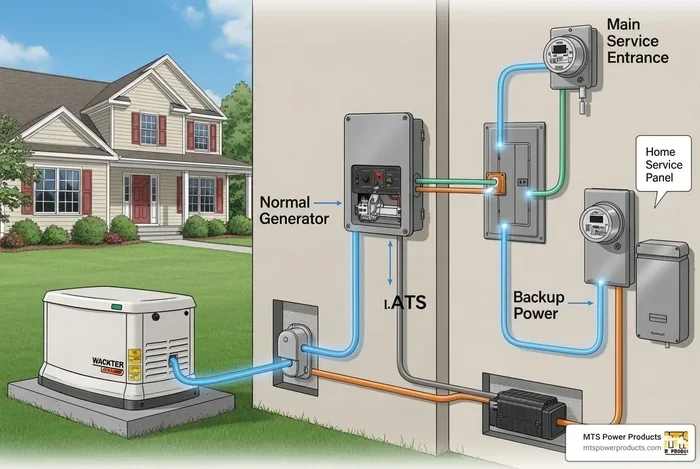
Portable multi fuel generators do not need professional installation and can be set up in minutes. However, if you want to connect a generator directly to your home electrical system, you should hire a licensed electrician. This ensures safe operation and compliance with local electrical codes.