Reciprocating Compressor Parts Every Buyer Should Know
Reciprocating compressor parts form the core of every piston-driven air system, from pistons and piston rings to valve plates and connecting rods. This complete guide walks you through each component, explains how they work together, and shows you how to choose the right replacements. You will learn practical maintenance tips, common mistakes to avoid, and where to buy quality parts that keep your compressor running strong for years.
Reciprocating compressor parts are the building blocks of every piston-driven air compression system. Whether you run a small workshop or a large industrial facility, understanding these components helps you make smarter buying decisions. The reciprocating compressor parts you choose directly impact performance, efficiency, and long-term reliability. This guide breaks down every major component so you know exactly what to look for. By the end, you will feel confident identifying, selecting, and maintaining the right parts for your compressor.
If you have ever shopped for compressor components, you know the sheer number of options can be overwhelming. Different brands, materials, and designs make it hard to know what really matters. This article simplifies that process by walking you through every essential part step by step. We focus on practical knowledge you can use right away. No fluff, no jargon — just clear, useful information about reciprocating compressor parts that actually works.
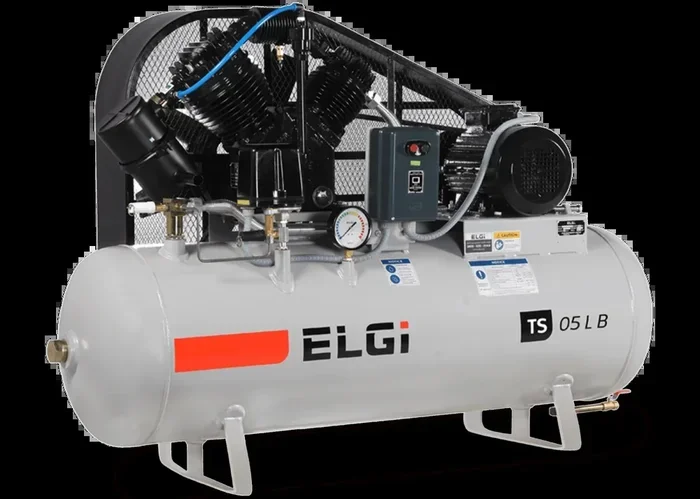
Let us start with the basics. A reciprocating compressor uses a piston that moves back and forth inside a cylinder. This motion draws in air, compresses it, and then pushes it out to your tools or storage tank. Every part in this system plays a specific role. When one component wears out or fails, the entire compressor suffers. That is why knowing each part matters so much. Whether you are a first-time buyer or a seasoned operator, this guide gives you the knowledge you need.
Key Takeaways
- Know your core parts: The piston, piston rings, cylinder head, valve plate, connecting rod, and crankshaft are the essential reciprocating compressor parts every buyer must understand.
- Match parts to your model: Always cross-reference part numbers with your compressor’s model and serial number before purchasing any replacement.
- OEM vs aftermarket both work: OEM parts offer guaranteed compatibility, while quality aftermarket parts can save money without sacrificing performance.
- Watch for warning signs: Pressure drops, unusual noises, excessive heat, and oil leaks are clear signals that your reciprocating compressor parts need attention.
- Maintenance prevents costly repairs: Regular oil checks, filter cleaning, and seasonal inspections extend the life of every component significantly.
- Buy from trusted suppliers: Avoid suspiciously low prices and sellers who cannot confirm compatibility — quality matters more than savings.
- Keep spare parts on hand: Stocking common wear items like piston rings, gaskets, and valve springs reduces downtime when failures happen.
📑 Table of Contents
What Are the Core Reciprocating Compressor Parts?
Every reciprocating compressor relies on a set of key components working in harmony. Each part plays a specific role in drawing in air, compressing it, and delivering it to your tools or machinery. Let us explore the most important ones in detail.
The Piston and Piston Rings
The piston is the heart of your compressor. It moves up and down inside the cylinder, creating the suction and pressure needed for compression. Think of it as the engine of your air system. Without a functioning piston, your compressor cannot do its job.
Piston rings sit around the piston and form a tight seal against the cylinder wall. This seal prevents compressed air from leaking back past the piston during the compression stroke. The piston rings also help control oil distribution inside the cylinder, which keeps the oil lubrication system working properly.
Over time, piston rings wear down from constant friction. When they do, your compressor loses efficiency and pressure. You may notice your pressure switch cycling more frequently or your tools running weaker than before. Replacing worn piston rings is one of the most common maintenance tasks for any reciprocating compressor owner. It is also one of the most affordable repairs you can do.
Quick Tip: Always check your piston rings during every annual inspection. Catching wear early prevents damage to the cylinder wall and saves you from expensive repairs later.
The Cylinder Head and Valve Plate
The cylinder head sits on top of the cylinder and houses the valve plate. The valve plate controls the flow of air into and out of the compression chamber. It contains both the suction valve and the discharge valve, each opening and closing at precisely the right moment during the compression cycle.
A damaged valve plate can cause serious performance issues. Air leaks reduce your compressor’s capacity, and you may hear unusual hissing sounds coming from the cylinder head. The valve plate is a small part, but its role in the reciprocating compressor parts lineup is absolutely critical. Without it, your compressor simply cannot compress air efficiently.
The valve springs attached to the suction and discharge valves control the timing of each valve’s movement. These springs must be strong enough to open and close the valves quickly. Weak or broken valve springs cause chatter, air leaks, and drops in system pressure.
The Connecting Rod and Crankshaft
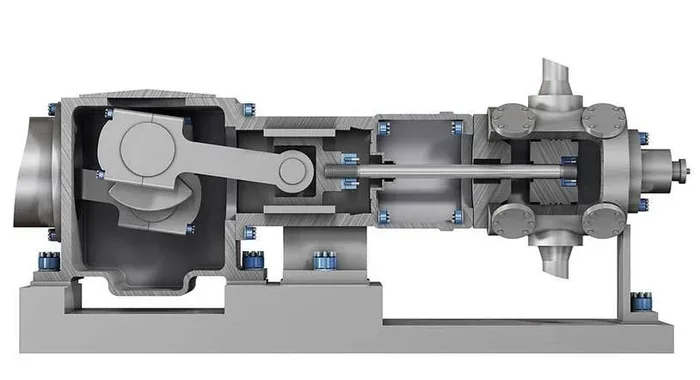
The connecting rod links the piston to the crankshaft. As the crankshaft rotates, it converts rotary motion into the linear motion the piston needs. This mechanical conversion is what makes reciprocating compressors work the way they do.
The crankshaft bears the brunt of the mechanical stress in your system. A bearing assembly at each end of the crankshaft allows smooth rotation with minimal friction. When these bearings wear out, you may feel vibration or hear knocking noises during operation. Replacing bearing assemblies early can prevent costly damage to the crankshaft itself.
The flywheel attached to the crankshaft helps maintain momentum between compression strokes. It stores rotational energy and smooths out the power delivery. A healthy flywheel means your compressor runs more evenly and puts less strain on the drive motor.
Common Mistake: Many buyers ignore crankshaft bearings until they fail completely. By that point, the crankshaft may already be damaged. Always inspect bearings during routine maintenance and replace them at the first sign of roughness or noise.
How Reciprocating Compressor Parts Work Together
Understanding individual parts is only half the battle. The real magic happens when all the reciprocating compressor parts work together in a precise sequence. Each component depends on the others to function correctly.
The Compression Cycle Explained
The compression cycle has four clear stages that repeat continuously. First, the piston moves downward and draws air through the suction valve. This is the intake phase. Next, the piston moves upward, compressing the air inside the cylinder. The discharge valve stays closed during this phase to build pressure. Finally, the compressed air pushes open the discharge valve and flows into the storage tank or directly to your tools.
Each stage depends on the previous one. If one part fails, the entire cycle breaks down. For example, a stuck suction valve means your compressor pulls in less air. This directly reduces your output pressure and forces the drive motor to work harder. Over time, this extra strain wastes energy and shortens the motor’s lifespan.
The intake filter plays a supporting role in this cycle. It cleans the air before it enters the compression chamber. A clogged intake filter restricts airflow and forces the compressor to work harder. Simple as that — a clean filter keeps everything running smoothly.
Suction and Discharge Valve Roles
The suction valve opens when the piston moves downward. It allows fresh air to enter the cylinder from the intake side. The discharge valve opens when the piston moves upward and pressure builds inside the cylinder. It pushes the compressed air out toward the output line.
Both valves must open and close quickly and form a tight seal when closed. Any leakage in these valves reduces your compressor’s efficiency. You may notice your compressor takes longer to build pressure or cannot reach its rated PSI. In either case, inspect the valve plate and valve springs as soon as possible.
Expert Insight: Many technicians recommend checking valve springs every 500 operating hours. A simple spring test with a caliper can reveal weakening before it causes noticeable performance drops. This proactive approach keeps your reciprocating compressor parts in top shape and avoids unexpected downtime.
Common Wear and Tear on Reciprocating Compressor Parts
Every reciprocating compressor part experiences wear over time. Some parts degrade faster than others. Knowing what to watch for saves you from unexpected breakdowns and expensive emergency repairs.
Signs Your Parts Need Replacement
Watch for these warning signs on your compressor. A noticeable drop in pressure means something is leaking internally. Unusual noises like knocking, squealing, or rattling point to bearing or piston problems. Excessive heat during normal operation suggests poor lubrication or worn components. Oil leaks around the cylinder or housing often mean gaskets are failing and need replacement.
Do not ignore these signals. Small issues quickly become expensive repairs when you delay. Catching problems early keeps your compressor running smoothly and extends its overall lifespan. A wear plate on the cylinder wall, for example, is inexpensive to replace but can cause major damage if neglected.
Another sign to watch for is increased oil consumption. If you find yourself refilling oil more often than usual, worn piston rings or damaged gaskets may be the culprit. Addressing this early prevents further damage to the compression chamber and keeps your oil lubrication system functioning properly.
Top 5 Components That Wear Out Fastest
Not all reciprocating compressor parts wear at the same rate. Some components face more stress and need replacement more frequently. Here are the five most common replacement candidates you should keep an eye on:
- Piston rings — They take the most friction and degrade first. Check them every 6 to 12 months.
- Valve plates and valve springs — Constant opening and closing causes metal fatigue over time.
- Cylinder wear plates — These protect the cylinder wall from piston movement and absorb the most contact.
- Gaskets and seals — They harden and crack with age and heat exposure, leading to air and oil leaks.
- Bearing assemblies — Continuous rotation wears them down over thousands of hours of operation.
Keeping track of these five components helps you stay ahead of maintenance needs. Replace them proactively rather than waiting for failure. This approach saves money and keeps your compressor running reliably.
How to Choose the Right Replacement Parts
Selecting the correct replacement parts for your reciprocating compressor requires some research. The wrong choice can lead to poor performance, wasted money, or even damage to your machine. Follow these guidelines to make confident purchasing decisions.
Matching Parts to Your Compressor Model
Always start with your compressor’s model number and serial code. The manufacturer’s manual lists every compatible part for your specific unit. Cross-reference part numbers before you buy anything. Using the wrong piston size or valve plate model creates fit and performance problems that are hard to diagnose later.
When in doubt, contact the manufacturer directly. They can confirm compatibility and recommend the best reciprocating compressor parts for your specific unit. This small step saves time, money, and frustration. Keep a copy of your manual in a safe place so you can reference it anytime you need a replacement.
Quick Tip: Take photos of your compressor’s nameplate and part numbers before you need replacements. Store them in your phone so you always have them handy when shopping for parts.
OEM vs Aftermarket Parts
Original Equipment Manufacturer parts come straight from the compressor maker. They offer guaranteed compatibility and often come with warranties. Aftermarket parts are made by third-party manufacturers and usually cost less. Both options have merit, and the right choice depends on your budget and needs.
OEM parts give you peace of mind and consistent quality. They are designed specifically for your compressor model, so fit and performance are never a question. Aftermarket parts can be excellent too, especially from reputable suppliers who invest in quality manufacturing. The key is to buy from trusted sources regardless of the brand.
Here is a quick comparison to help you decide:
| Feature | OEM Parts | Aftermarket Parts |
|---|---|---|
| Compatibility | Guaranteed | Varies by supplier |
| Price | Higher | More affordable |
| Warranty | Usually included | Depends on seller |
| Availability | May take longer | Widely available |
| Quality | Consistent | Good if from reputable brands |
Use this table as a quick reference when deciding between OEM and aftermarket options for your reciprocating compressor parts. In most cases, a quality aftermarket part from a trusted brand performs just as well as the OEM version at a lower price point.
Common Mistake: Never buy reciprocating compressor parts based on price alone. The cheapest option is not always the best value. Poor quality parts fail faster and can damage other components, costing you more in the long run.
Maintenance Tips to Extend Part Life
Regular maintenance keeps your reciprocating compressor parts in top shape. A little effort each week prevents major repairs down the road. A well-maintained compressor runs cooler, uses less energy, and lasts many more years than a neglected one.
Daily and Weekly Checks
Start with simple daily habits that take only a few minutes. Check the oil level before every use. Listen for unusual sounds during operation. Inspect the intake filter for dust and debris. Clean or replace the filter when it looks dirty or clogged. These small actions make a big difference over time.
On a weekly basis, inspect all gaskets and seals for leaks. Wipe down the cylinder area to spot any oil seepage early. Check the unloader valve to make sure it releases pressure properly when the compressor stops. A malfunctioning unloader valve causes the motor to work harder during startup, which wears it out faster.
Also, drain the moisture trap after every use. Moisture buildup inside the compression chamber causes corrosion and damages internal parts. This is one of the simplest yet most overlooked maintenance tasks for reciprocating compressor owners.
Seasonal Maintenance Checklist
At the start of each season, go deeper with your inspections. Here is a quick checklist you can follow to keep every part in excellent condition:
- Inspect and replace piston rings if you notice wear or thinning.
- Check the valve plate for cracks, warping, or surface damage.
- Examine the connecting rod and crankshaft bearings for roughness or play.
- Test the pressure switch for proper cutoff and startup pressure points.
- Replace all gaskets and seals that show signs of hardening or cracking.
- Lubricate all moving parts with the manufacturer-recommended oil grade.
- Clean the intake filter thoroughly and inspect the diaphragm if your compressor has one.
Following this checklist keeps every reciprocating compressor part functioning at its best. It also helps you spot small issues before they become big problems. A few hours of seasonal maintenance can prevent days of downtime and hundreds of dollars in repair costs.
Expert Insight: Many professional compressor technicians recommend keeping a maintenance log. Write down every inspection, repair, and part replacement. Over time, this log reveals patterns and helps you predict when parts will need attention next. It is an invaluable tool for any compressor owner.
Where to Buy Quality Reciprocating Compressor Parts
Finding the right supplier matters just as much as choosing the right parts. Not all sellers offer the same quality, reliability, or customer support. Where you buy affects how long your parts last and how well your compressor performs.
Online vs Local Suppliers
Online stores offer wider selection and often better pricing. You can compare brands, read customer reviews, and order from the comfort of your home. Local suppliers let you see the parts in person and get expert advice on site. Both options have their advantages.
Many buyers prefer a hybrid approach. They research online and then purchase from a local dealer who can offer support and warranty service. Either way, make sure the supplier specializes in compressor parts and has a solid reputation. A knowledgeable supplier can help you find the right reciprocating compressor parts even when you are unsure about compatibility.
Red Flags to Watch For
Be cautious when buying compressor parts from unknown sources. Prices that seem too good to be true often are. Parts without clear part numbers or brand markings may be low quality or counterfeit. They may fit poorly, fail quickly, or even damage your compressor.
Avoid sellers who cannot provide compatibility information. A reputable supplier will always help you confirm the right part for your compressor model. They should ask for your model number and serial code before processing your order. When something feels off, trust your instincts and look elsewhere.
Quick Tip: Stick with suppliers who offer return policies and warranties on their reciprocating compressor parts. This protects you if a part turns out to be defective or incompatible. A good warranty is a sign of a supplier who stands behind their products.
Final Thoughts
Understanding reciprocating compressor parts empowers you as a buyer and operator. You do not need to be a mechanical expert to make smart choices. With the knowledge from this guide, you can identify worn parts, select quality replacements, and maintain your compressor for years to come.
Take the time to learn your specific model. Keep a spare parts inventory for the components that wear out most often, like piston rings, gaskets, and valve springs. This proactive approach saves downtime, reduces repair costs, and keeps your compressor running at peak efficiency. The right reciprocating compressor parts make all the difference in performance and longevity. Invest in quality, maintain regularly, and your compressor will reward you with reliable service for many years ahead.
Frequently Asked Questions
What are the most important reciprocating compressor parts to keep as spares?
The five essential spare parts every owner should stock are piston rings, valve plates, gaskets, cylinder wear plates, and bearing assemblies. These are the components most likely to wear out and cause unexpected downtime. Keeping them on hand saves time and money when failures happen.
How often should I replace reciprocating compressor parts?
Replacement frequency depends on usage hours and operating conditions. Piston rings typically need replacement every 1,000 to 2,000 hours. Valve plates and gaskets may last 2,000 to 3,000 hours. Always refer to your compressor’s manual for the manufacturer’s recommended schedule and adjust based on your actual operating conditions.
Can I mix OEM and aftermarket reciprocating compressor parts?
Yes, you can mix OEM and aftermarket parts in most cases. However, it is best to match parts from the same quality tier. For example, pairing an OEM piston with an aftermarket valve plate may cause fit or performance inconsistencies. When mixing brands, verify compatibility carefully before installation.
What causes premature wear on reciprocating compressor parts?
The most common causes are poor lubrication, contaminated intake air, excessive moisture, and operating beyond the compressor’s rated capacity. Skipping regular maintenance also accelerates wear significantly. Keeping your oil clean, your filters replaced, and your usage within limits helps every part last longer.
How do I know if my valve plate needs replacement?
Signs of a failing valve plate include reduced pressure output, hissing sounds during operation, longer recovery times, and the compressor running hot. Inspect the valve plate visually for cracks, warping, or pitting on the sealing surfaces. A damaged valve plate should be replaced immediately to prevent further damage to other reciprocating compressor parts.
Is it worth rebuilding a compressor or buying new reciprocating compressor parts?
Rebuilding is usually worth it if your compressor is less than 10 years old and the frame and motor are in good condition. Replacing individual worn parts like piston rings, valve plates, and gaskets can restore performance at a fraction of the cost of a new unit. However, if the crankshaft or cylinder is severely damaged, replacement may be the more practical choice.