Signs Your Refrigerator Compressor Needs Replacement
Your refrigerator compressor is the heart of your cooling system. When it starts failing, your fridge can’t keep food cold, and that means real trouble. In this guide, we walk you through the refrigerator compressor replacement signs you should never ignore, from strange noises to warm food.
Your refrigerator works hard every single day. It keeps your food fresh, your drinks cold, and your kitchen safe from spoilage. But what happens when the refrigerator compressor starts to fail? The answer is simple. Your whole cooling system breaks down.
If you have noticed that your fridge is not cooling properly or is making weird sounds, you are not alone. Compressor failure is one of the most common refrigerator problems homeowners face. The good news? You can catch the warning signs early and avoid a total breakdown.
This guide covers everything you need to know about refrigerator compressor replacement. We will walk you through the symptoms, the testing process, the cost, and when to call for help. Let us get started.
Key Takeaways
- Warm food and rising temperatures are the clearest signs your compressor is struggling.
- Unusual noises like clicking, humming, or buzzing often point to compressor failure.
- Testing the compressor with a multimeter can help you confirm the problem before calling a technician.
- Replacement costs typically range from $200 to $450 depending on the model and labor.
- Regular maintenance like cleaning condenser coils can extend compressor life significantly.
- Short cycling and constant running are red flags that should be addressed immediately.
- Knowing when to call a professional saves money and prevents further damage.
📑 Table of Contents
- What Does a Refrigerator Compressor Do?
- Common Signs Your Refrigerator Compressor Needs Replacement
- How to Test Your Refrigerator Compressor
- Refrigerator Compressor Replacement Cost and Process
- When to Call a Professional for Compressor Replacement
- How to Extend Your Refrigerator Compressor Life
- Common Mistakes to Avoid When Dealing with Compressor Issues
- Final Thoughts on Refrigerator Compressor Replacement
What Does a Refrigerator Compressor Do?
The compressor is the engine of your refrigerator. It pumps refrigerant through the coils to remove heat from inside the fridge. Without a working compressor, your refrigerator cannot cool at all. Think of it like the heart in your body. When the heart stops, everything else stops too.
Most compressors last between 10 and 15 years with proper care. But over time, wear and tear takes its toll. Electrical issues, refrigerant leaks, and mechanical wear can all cause problems. Understanding how your compressor works helps you spot trouble early.
How the Compressor Fits Into the Cooling Cycle
The cooling cycle has three main parts. The compressor pressurizes the refrigerant gas. The condenser coils release the heat outside. The evaporator coils absorb heat from inside the fridge. If any part fails, the whole system suffers. But the compressor is the one that keeps everything moving.
When your compressor starts to weaken, you will notice changes. Your fridge may run longer cycles. The temperature inside may rise. Food may spoil faster. These are all signs that something is wrong with the compressor motor.
Common Signs Your Refrigerator Compressor Needs Replacement
Spotting the early signs of compressor failure can save you hundreds of dollars. Many homeowners ignore the warning signals until it is too late. Here are the most common symptoms to watch for.
1. Refrigerator Not Cooling Properly
This is the number one sign something is wrong. If your fridge feels warm and your food is spoiling faster than usual, the compressor may be to blame. A failing compressor relay cannot maintain the right pressure. This means cold air stops circulating.
Check the thermostat first. Make sure it is set correctly. Then look at the condenser coils. If those are clean and the temperature is still rising, the compressor is likely the issue. You might also want to check the condenser coils for dust buildup, which can mimic compressor problems.
2. Unusual Noises from the Back of the Fridge
A healthy compressor makes a low, steady hum. If you hear clicking, buzzing, or loud humming, pay attention. A clicking compressor often means the start relay is failing. A loud buzz could mean the motor is struggling to start.
Some clicking is normal during normal cycles. But constant or loud clicking is not. If the noise comes and goes, the compressor may be short cycling. This puts extra strain on the motor and leads to premature failure.
3. Frequent Short Cycling
Short cycling means your compressor turns on and off too often. A normal cycle lasts several minutes. If your compressor kicks in for just a few seconds and shuts off, that is a problem. Short cycling puts stress on the compressor motor and reduces its lifespan.
This can happen when the refrigerant level is low. It can also occur if the compressor relay is faulty. Either way, short cycling is a clear sign that your refrigerator compressor needs attention.
4. Compressor Runs Constantly
On the flip side, a compressor that never shuts off is also a red flag. If your fridge runs nonstop and still does not cool properly, the compressor has lost its efficiency. It is working harder but producing less cold air.
This often happens when the refrigerant charge drops. A small refrigerant leak can cause the compressor to overwork. Over time, the motor burns out completely. If you notice your fridge running all the time, do not wait to investigate.
5. Warm Air from the Refrigerator or Freezer
If the air coming from your fridge feels warm, take it seriously. This is one of the most obvious compressor symptoms. The compressor may have stopped pumping refrigerant entirely. Without refrigerant flow, there is no cooling.
Check the evaporator coils inside the freezer first. If they are frosted over, the issue might be different. But if the coils are dry and the air is warm, the compressor is likely dead or dying.
6. Higher Electricity Bills
A struggling compressor uses more electricity. If your energy bills spike without any change in usage, the compressor could be the culprit. A failing motor draws more power to do less work. This inefficiency shows up on your monthly bill.
Keep an eye on your energy consumption. If it creeps up over a few weeks, investigate the compressor. This is an often overlooked sign of compressor overheating and electrical stress.
How to Test Your Refrigerator Compressor
Before you commit to a full refrigerator compressor replacement, you should test the compressor yourself. A simple test can confirm whether the compressor is actually the problem or if something else is going on. Here is how to do it safely.
What You Will Need
- A multimeter
- A screwdriver set
- Your refrigerator model number
- A flashlight
Step-by-Step Testing Process
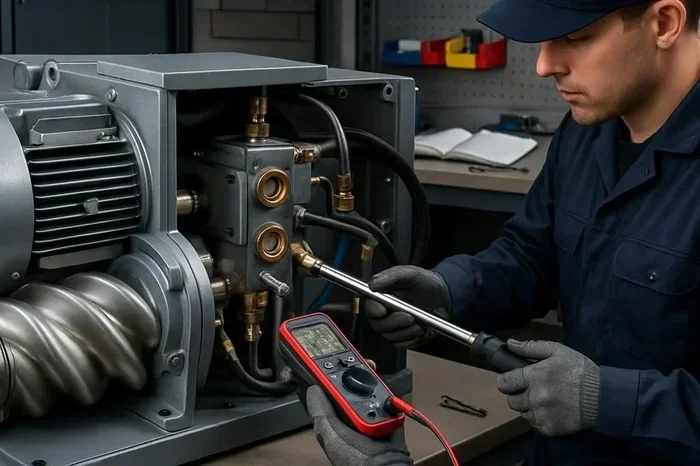
Start by unplugging the refrigerator. Safety always comes first. Remove the back panel to access the compressor. You will see three pins on the compressor: the start pin, the run pin, and the common pin.
Set your multimeter to the ohm setting. Test the resistance between each pair of pins. You should get a low reading between the run and common pins. The reading between the start and common pins should be slightly higher. If you get no reading at all, the compressor winding is open and the unit is dead.
Next, check for a short to ground. Place one multimeter lead on any pin and the other on the compressor body. If you get any reading at all, the compressor has a grounded winding. This means it needs to be replaced.
Also listen for a click when you turn the fridge on. If you hear a single click and nothing else, the compressor start relay may be faulty. Replacing the relay is much cheaper than replacing the entire compressor. Always rule out simple fixes first.
When Testing Is Not Enough
Sometimes, testing the compressor only tells part of the story. You may need a professional to check the refrigerant pressure. Low refrigerant levels can mimic compressor failure. A technician can measure the system pressure and confirm the diagnosis.
If you are uncomfortable working with electrical components, skip the testing. Call a licensed technician instead. Working with refrigerator wiring can be dangerous, and one wrong move can cause further damage.
Refrigerator Compressor Replacement Cost and Process
The cost of refrigerator compressor replacement varies depending on several factors. The brand of your fridge, the model, and the age of the unit all play a role. On average, homeowners pay between $200 and $450 for a compressor replacement.
Breaking Down the Costs
- Compressor part: $100 to $250
- Labor costs: $100 to $200
- Additional parts: $20 to $50 (relay, capacitors, etc.)
- Refrigerant recharge: $50 to $100 if needed
Older refrigerators may have higher replacement costs. In some cases, the compressor repair cost approaches the price of a new unit. If your fridge is more than 10 years old, you may want to weigh the repair cost against the cost of a new refrigerator compressor system.
The Replacement Process Explained
A technician will first recover the remaining refrigerant from the system. They will then disconnect the old compressor and remove it from the mounting brackets. The new compressor gets installed and secured in place. After that, the system is evacuated to remove air and moisture.
Next, the technician recharges the system with the correct amount of refrigerant. The unit is powered on and tested for proper cooling. The whole process usually takes between two and four hours. Some technicians may need to order the compressor first, which adds a few days to the timeline.
Can You Replace a Compressor Yourself?
Technically, yes. But it is not recommended unless you have experience with HVAC systems. Handling refrigerant requires EPA certification in the United States. A mistake during the process can damage the new compressor or void your warranty.
For most homeowners, hiring a professional is the safest route. Look for a certified appliance repair technician in your area. Get at least two quotes before committing. This ensures you get a fair price for the refrigerator repair work.
When to Call a Professional for Compressor Replacement
Not every compressor problem requires a full replacement. Sometimes a simple fix solves the issue. Knowing when to call a professional saves you time, money, and frustration.
Red Flags That Demand Immediate Attention
Call a technician right away if you notice any of the following. A burning smell coming from the compressor is a serious warning sign. It means the motor is overheating and could catch fire. Visible oil leaks around the compressor also require professional help immediately.
If your compressor makes a grinding or screeching noise, the motor bearings may be failing. Continuing to run the fridge in this condition will destroy the compressor completely. Also, if your fridge has been running constantly for more than 24 hours without cooling, turn it off and call for service.
DIY Fixes to Try First
Before you call a pro, try these simple steps. Clean the condenser coils with a vacuum or brush. Dust buildup forces the compressor to work harder. Check the door seals for gaps or cracks. Poor sealing lets cold air escape, which makes the compressor run longer.
Make sure the fridge is level and has at least 2 inches of clearance on all sides for airflow. Also, check the temperature settings. Sometimes the problem is not the compressor at all. It is just a simple adjustment you can fix in minutes.
If none of these steps help, it is time to call in the experts. A professional can properly diagnose the issue and recommend the best course of action for your specific situation.
How to Extend Your Refrigerator Compressor Life
Prevention is always better than replacement. With a few simple habits, you can keep your refrigerator compressor running strong for many years. These tips will help you avoid premature failure and costly repairs.
Keep the Coils Clean
Dust and debris on the condenser coils force the compressor to work harder. Clean the coils every six months with a vacuum or coil brush. This simple task improves efficiency and reduces strain on the compressor motor.
Do Not Overload the Fridge
An overpacked fridge restricts airflow inside. The compressor has to run longer cycles to maintain the right temperature. Leave some space between items so air can circulate freely. This small change makes a big difference.
Check the Door Seals Regularly
Worn door seals let cold air escape and warm air enter. The compressor compensates by running more frequently. Inspect the gaskets every few months. If they feel loose or cracked, replace them right away. New seals are inexpensive and easy to install.
Maintain a Stable Temperature
Keep your fridge at 37 degrees Fahrenheit and the freezer at 0 degrees. Fluctuating temperatures put extra stress on the compressor. Avoid placing hot food directly inside the fridge. Let it cool to room temperature first.
Schedule Routine Maintenance
Just like any appliance, your refrigerator benefits from regular checkups. A professional inspection once a year can catch small problems before they become big ones. The technician can check refrigerant levels, test the compressor relay, and inspect electrical connections.
Taking care of your fridge pays off. A well-maintained compressor lasts longer and runs more efficiently. You save money on energy bills and avoid the hassle of unexpected breakdowns.
Common Mistakes to Avoid When Dealing with Compressor Issues
Many homeowners make mistakes that worsen compressor problems. Avoid these common pitfalls to protect your investment.
- Ignoring early warning signs. A small noise or slight temperature change can signal a bigger problem. Address it early.
- Trying to fix refrigerant leaks yourself. Refrigerant handling requires certification. Leave this to licensed professionals.
- Replacing the compressor without checking the relay first. A faulty relay mimics compressor failure. Always test the relay before replacing the compressor.
- Skipping regular maintenance. Cleaning coils and checking seals takes minutes but prevents major issues down the road.
- Buying the cheapest replacement part. Low-quality parts fail faster and may void your warranty. Invest in a reliable compressor.
Avoiding these mistakes keeps your fridge running smoothly. It also saves you from unnecessary expenses and headaches.
Final Thoughts on Refrigerator Compressor Replacement
Your refrigerator compressor is one of the most important components in your entire appliance. When it starts to fail, you cannot ignore the signs. From warm food to strange noises, the symptoms are clear if you know what to look for.
Testing the compressor yourself can save time and money. But when in doubt, always call a professional. The cost of refrigerator compressor replacement is significant, and you want to make sure it is the right decision.
Regular maintenance goes a long way in preventing compressor failure. Clean the coils, check the seals, and keep your fridge at the right temperature. These small efforts add up to years of reliable performance.
If your compressor has failed and needs replacement, act quickly. A dead compressor means no cooling, and no cooling means spoiled food and wasted money. Take action today and keep your refrigerator running at its best.
For help choosing the right power source for your refrigerator during outages, check out our guide on what size generator to run a refrigerator and what size generator to run refrigerator and freezer to make sure you stay prepared.
Frequently Asked Questions
How long does a refrigerator compressor usually last?
Most compressors last between 10 and 15 years. Proper maintenance, like cleaning coils and checking seals, can help extend that lifespan. Heavy use or poor care may shorten the life of the compressor motor.
Is it worth replacing a refrigerator compressor?
It depends on the age of your fridge. If the unit is less than 8 years old, replacement is usually worth it. For older models, the repair cost might be close to buying a new fridge. Weigh the compressor replacement cost against the price of a new unit.
Can a refrigerator compressor be repaired instead of replaced?
In most cases, a failed compressor must be replaced. Technicians rarely repair compressors because the cost of repair often exceeds the cost of a new unit. However, simple fixes like replacing the compressor relay can solve many problems without a full replacement.
What causes a refrigerator compressor to fail?
Several factors cause compressor failure. Refrigerant leaks, electrical issues, overheating, and age are the most common culprits. Dust buildup on coils and poor airflow also put extra strain on the compressor over time.
How do I know if my compressor relay is bad?
A bad relay often causes clicking sounds or prevents the compressor from starting at all. You can test the relay with a multimeter to check for continuity. If the relay fails the test, replacing it is a quick and affordable refrigerator repair.
Will a refrigerator work with a bad compressor?
No, a refrigerator cannot cool properly with a bad compressor. The compressor is responsible for circulating refrigerant through the system. Without it, the fridge will warm up and food will spoil. Prompt refrigerator compressor replacement is essential to restore cooling.
=== CONCLUSION ===
Knowing the signs your refrigerator compressor needs replacement can save you from a complete cooling failure. Watch for warm food, strange noises, short cycling, and constant running. These are your fridge telling you something is wrong. Testing the compressor and addressing problems early keeps your food safe and your energy bills low.
Remember, regular maintenance is your best defense against compressor failure. Clean the coils, check the seals, and schedule professional inspections. When replacement is necessary, work with a qualified technician to get the job done right.
Do not wait until your fridge stops cooling entirely. Act on the warning signs today. Your wallet and your food will thank you.