How to Use a Synonym Generator to Improve Your Writing
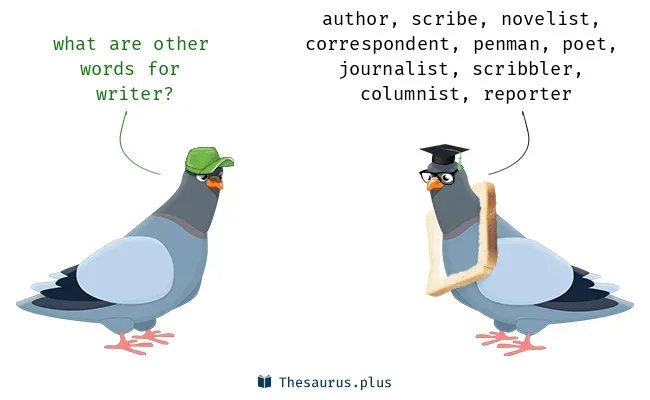
A synonym generator is a powerful writing tool that helps you find fresh word alternatives in seconds. It saves time, improves clarity, and makes your content more engaging. Whether you are a blogger, student, or professional writer, using a synonym generator can transform how you write.
Writing can feel like a grind. You type the same words over and over. Your sentences start to sound flat and boring. That is where a synonym generator comes in handy. It is a simple tool that gives you instant word alternatives. You type in a word, and it suggests similar words you can use instead.
Using a synonym generator is one of the easiest ways to improve your writing today. It does not matter if you are writing a blog post, an essay, a report, or an email. The right word choices make a huge difference. They grab attention. They keep readers hooked. They make your message clearer and more powerful.
Think of a synonym generator like powering up your writing with a generator. It fuels your creativity and keeps your content running strong. In this guide, we will walk you through everything you need to know. You will learn what a synonym generator is, how it works, and why you should use one every day.
Key Takeaways
- Saves Time: A synonym generator quickly finds word alternatives so you spend less time searching and more time writing.
- Improves Readability: Using varied word choices keeps your readers engaged and makes your content easier to follow.
- Boosts Vocabulary: Regular use of a synonym tool naturally expands your word bank and strengthens your writing skills.
- Reduces Repetition: Find fresh alternatives to overused words and keep your prose feeling new and dynamic.
- Works for Any Writer: Students, bloggers, marketers, and professionals all benefit from using a synonym generator daily.
- Free Tools Exist: Many online synonym generators are free, easy to use, and require no downloads.
📑 Table of Contents
- What Is a Synonym Generator?
- Why You Should Use a Synonym Generator
- How to Use a Synonym Generator Effectively
- Best Synonym Generators You Can Try Today
- Common Mistakes to Avoid When Using a Synonym Generator
- How a Synonym Generator Helps Different Types of Writers
- Quick Tips to Get the Most Out of a Synonym Generator
- Final Thoughts
What Is a Synonym Generator?
A synonym generator is a digital tool that finds words with similar meanings. You enter a word, and the tool gives you a list of alternatives. Some tools also suggest antonyms, which are words with opposite meanings. These generators use large databases and smart algorithms to pull the best matches.
You have probably used a thesaurus before. A synonym generator works like a digital thesaurus but much faster. You do not need to flip through pages. You do not need to guess which word fits best. The tool does the work for you in seconds.
How Does a Synonym Generator Work?
Most synonym generators use something called a semantic database. This is a big collection of words and their meanings. The tool maps how words relate to each other. When you type in a word, it searches the database for close matches. It then ranks them by relevance and similarity.
Some advanced tools use AI and machine learning. These can understand context. They know that the word “bank” can mean a financial place or a river edge. They pick the best suggestions based on how you are using the word. This makes the results much more accurate and helpful.
Why You Should Use a Synonym Generator
There are many reasons to add a synonym generator to your writing routine. Let us look at the biggest benefits.
It Expands Your Vocabulary
When you use a synonym tool regularly, you naturally learn new words. You start to see how many ways you can say the same thing. Over time, your vocabulary builder skills improve without extra effort. You start to reach for more precise and descriptive words on your own.
Think about it. If you always write “good,” you miss chances to say “excellent,” “outstanding,” or “remarkable.” A synonym tool shows you these options. Soon, you start using them naturally in your everyday writing.
It Helps You Avoid Repetition
Repetition is one of the biggest writing mistakes. When you use the same word too many times, your writing feels dull. Readers lose interest fast. A synonym finder helps you mix things up. It gives you fresh alternatives that keep your prose lively and interesting.
For example, if you use the word “happy” five times in a paragraph, a synonym tool can suggest “joyful,” “cheerful,” “delighted,” or “pleased.” Each word adds a slightly different feeling. Your writing becomes more vivid and engaging.
It Saves You Time
Staring at a blank screen looking for the right word wastes time. A synonym generator gives you instant suggestions. You can pick a better word in seconds. This means you spend less time editing and more time creating great content.
Think about how much time you waste searching through a physical thesaurus. Now imagine typing one word and getting 20 suggestions in under a second. That is the power of a modern synonym tool. It is like fueling your writing process with instant energy so you can keep going strong.
It Improves Your Word Choice
The right word makes all the difference in writing. “Walk” and “stroll” mean similar things, but they feel different. “Stroll” is slower and more relaxed. A synonym generator helps you find the exact word that matches your tone and style. This level of precision is what separates good writing from great writing.
How to Use a Synonym Generator Effectively
A synonym generator is easy to use, but there are tips that help you get the best results. Let us walk through the process step by step.
Step 1: Identify the Word You Want to Replace
Start by reading through your writing. Look for words that feel repeated or weak. Circle or highlight them. These are the words you will feed into the synonym generator. Focus on common words that appear often in your text.
Do not try to replace every single word. That would make your writing feel unnatural. Only target words that feel overused or too simple for the context.
Step 2: Enter the Word and Review Suggestions
Type the word into the tool. Look at the list of suggestions. Read each one carefully. Think about which word fits best in the sentence. Consider the tone, the audience, and the overall meaning you want to convey.
Not every suggestion will work. Some words might have slightly different meanings. Always check the definition of a new word before you use it. You do not want to accidentally change the meaning of your sentence.
Step 3: Test the New Word in Context
Before you finalize your choice, read the sentence aloud with the new word. Does it sound natural? Does it fit the flow of your paragraph? Trust your ear. If something sounds off, try another suggestion from the list.
Remember, the goal is to make your writing better, not to sound like a dictionary. Use words that feel comfortable and natural in your voice.
Step 4: Build a Personal Word Bank
Over time, you will notice certain synonyms that you love. Keep a list of them. This becomes your personal word choice reference. You can come back to it whenever you need inspiration. This is a great habit that steadily improves your writing skills.
Best Synonym Generators You Can Try Today
There are many synonym tools out there. Here are some of the best options to explore.
- Power Thesaurus: A community-driven tool with thousands of user-submitted synonyms. It is free and very comprehensive.
- Merriam-Webster Thesaurus: A trusted name in dictionaries. Their online thesaurus is reliable and easy to use.
- WordHippo: Offers synonyms, antonyms, and related words. It also provides definitions and example sentences.
- Thesaurus.com: One of the most popular synonym tools online. It gives clear definitions and usage tips.
- Grammarly: While primarily a writing assistant, Grammarly suggests synonyms and better word choices as you type.
Each tool has its strengths. Try a few and see which one fits your workflow best. Think of it like picking the right size generator to run a house you need the right tool for the job. A small tool works for simple tasks, but bigger projects need more power.
Common Mistakes to Avoid When Using a Synonym Generator
A synonym generator is a helpful tool, but it is not perfect. Here are some common mistakes to watch out for.
Using Words You Do Not Fully Understand
This is the biggest mistake. A synonym tool might suggest a fancy word that looks impressive. But if you do not know its exact meaning, you could use it wrong. Always look up a word before you insert it into your writing. Misused words confuse readers and hurt your credibility.
Making Your Writing Sound Forced
Sometimes writers go overboard. They replace every simple word with a complex synonym. The result feels unnatural and stiff. Your writing should sound like you, just better. Use synonyms to enhance your voice, not to replace it entirely.
Ignoring Context and Tone
Words have different meanings in different situations. “Sick” can mean ill or awesome, depending on context. A synonym generator does not always understand tone. You need to use your judgment. Make sure the word you pick matches the mood and purpose of your writing.
Replacing Every Word
Not every word needs a synonym. Common words like “the,” “is,” and “and” are perfectly fine. Only focus on words that repeat too often or feel weak in context. Over-editing can make your writing feel choppy and hard to read.
How a Synonym Generator Helps Different Types of Writers
Almost every type of writer can benefit from using a synonym generator. Let us look at how different writers use these tools.
Bloggers and Content Creators
Bloggers write a lot of content. They often reuse the same words without noticing. A synonym generator helps them keep their posts fresh and engaging. It also helps them avoid sounding repetitive, which is a common blog writing mistake.
Students and Academic Writers
Students need to write essays, research papers, and reports. Using varied vocabulary shows a deeper understanding of the topic. A synonym tool helps students express their ideas more clearly and professionally. It can also help them avoid accidentally plagiarizing by rephrasing sentences.
Marketing and Copywriters
Copywriters need to grab attention fast. The right word choice can make a headline or ad copy much more compelling. A synonym generator gives them quick options to test different angles and tones. It is a valuable tool in the content creation process.
Fiction Writers
Novelists and short story writers use synonyms to describe characters, settings, and emotions. Repeating the same descriptive words makes fiction feel flat. A synonym tool helps authors paint vivid pictures with precise and varied language.
Quick Tips to Get the Most Out of a Synonym Generator
- Use it during your first draft: Do not wait until editing. Use the tool while you write to stay in the flow.
- Read suggestions out loud: Hearing the word in context helps you decide if it fits.
- Pair it with a grammar checker: Tools like Grammarly work well alongside a synonym generator for polished writing.
- Do not rely on it completely: Let the tool assist you, but trust your own judgment first.
- Explore related words: Many tools show words with similar roots. This can lead you to even better options.
Think of a synonym generator as one tool in your writing toolkit. It works best when combined with good reading habits, regular practice, and a genuine curiosity about words. The more you read and write, the better your word choices become naturally.
Final Thoughts
A synonym generator is one of the simplest yet most powerful tools you can add to your writing routine. It helps you find better words faster. It expands your vocabulary and keeps your content fresh. Whether you are a beginner or an experienced writer, this tool has something to offer.
The key is to use it wisely. Do not just accept every suggestion. Think about context, tone, and meaning. Make choices that serve your readers and your message. With practice, using a synonym generator becomes second nature. Your writing will become clearer, more engaging, and more confident.
Start today. Pick a piece of your writing and run it through a synonym generator. You will be surprised at how quickly your content improves. Better words lead to better writing. And better writing leads to better results.
Frequently Asked Questions
What is a synonym generator and how does it work?
A synonym generator is a digital tool that finds words with similar meanings. You type in a word, and it suggests alternatives from a large database. Many tools use AI to understand context and give you the most relevant suggestions for your specific sentence.
Is using a synonym generator considered cheating?
No, it is not cheating. It is a helpful writing tool, just like a spell checker or grammar tool. The key is to use it to improve your writing, not to replace your own thinking. You should always review suggestions and choose words that fit your voice and meaning.
Can a synonym generator improve my vocabulary?
Yes, absolutely. Using a synonym tool regularly exposes you to new words. Over time, you start to recognize and remember more alternatives. This naturally expands your vocabulary and makes you a stronger writer without extra study.
Are free synonym generators accurate?
Most free tools are quite accurate for common words and everyday writing. They work well for blog posts, emails, and school assignments. For highly specialized or technical writing, you may want to double-check suggestions with a trusted dictionary.
How often should I use a synonym generator?
There is no set rule. Use it whenever you feel stuck or notice repetition in your writing. Some writers use it daily as part of their editing routine. Others pull it up only when working on important pieces. Find what works for your process.
Can a synonym generator help with SEO writing?
Yes, it can. Using varied keywords and phrases helps search engines understand your content better. A synonym tool helps you naturally incorporate related terms without sounding repetitive. This can boost your content’s readability and search engine performance.
=== CONCLUSION ===
A synonym generator is a must-have tool for anyone who writes regularly. It saves time, improves word choice, and makes your content more engaging. The tips and tools in this guide give you a solid starting point. Try them out and see the difference in your writing today.