What Are the Two Tools of Fiscal Policy and How They Work
The two tools of fiscal policy are government spending and taxation. These two levers allow governments to influence economic growth, manage unemployment, and stabilize markets. Understanding how each tool works helps citizens and businesses anticipate policy changes. Government spending injects money into the economy, while taxation controls how much money stays in your pocket. Together, they form the backbone of fiscal policy.
Have you ever wondered how governments steer the economy? They do not just sit back and hope for the best. They have real tools in their toolbox. The two tools of fiscal policy are government spending and taxation. These two levers give elected officials the power to speed up a slow economy or slow down one that is growing too fast.
Think of it this way. Imagine the economy is a car. Government spending is the gas pedal. It pushes the car forward by putting money into jobs, infrastructure, and public services. Taxation is the brake. It controls how much money flows back and forth between people and the government. When these two tools work together, they keep the economic ride smooth.
In this article, we will break down both tools in plain language. You will learn how each one works, see real-world examples, and understand why they matter to you. Whether you are a student, a business owner, or just someone curious about how the economy works, this guide has you covered.
Key Takeaways
- Government spending is one of the two tools of fiscal policy and directly creates jobs, boosts demand, and funds public services.
- Taxation is the second tool and controls the flow of money between citizens and the government.
- Expansionary fiscal policy uses spending increases and tax cuts to stimulate a sluggish economy.
- Contractionary fiscal policy reduces spending or raises taxes to cool down an overheating economy.
- The two tools of fiscal policy work best when they are coordinated and timed correctly.
- Automatic stabilizers like unemployment benefits act without new legislation.
- Understanding these tools helps you predict how fiscal policy will affect your wallet and career.
📑 Table of Contents
What Is Fiscal Policy?
Understanding the Basics
Fiscal policy is the way a government uses its budget to influence the economy. It is different from monetary policy, which is handled by central banks. Fiscal policy is all about the decisions made by lawmakers and the executive branch. They decide how much to spend and how much to collect in taxes.
The goal of fiscal policy is simple but powerful. Governments want to promote economic growth, keep unemployment low, and maintain stable prices. To do this, they use the two tools of fiscal policy — spending and taxation. These tools are adjusted based on what the economy needs at any given time.
Why Fiscal Policy Matters to You
You might think fiscal policy is something that only politicians and economists care about. That is not true. Fiscal policy affects your job, your paycheck, and the services you use every day. When the government spends more on roads and bridges, construction workers get hired. When taxes are cut, you may have more money left over for savings or shopping.
The two tools of fiscal policy shape the world around you. They determine how much funding goes to schools, hospitals, and national defense. They also influence interest rates indirectly and affect business investment decisions. Understanding these tools gives you a clearer picture of how the economy works.
Tool 1: Government Spending
What Is Government Spending?
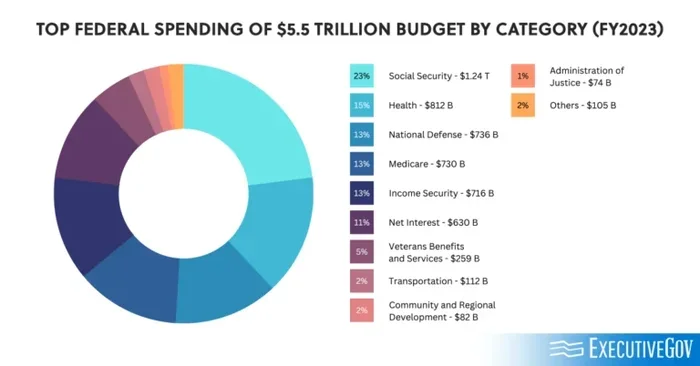
Government spending is the first of the two tools of fiscal policy. It refers to all the money the government spends on goods, services, and transfer payments. This includes everything from building highways to paying teachers’ salaries to funding unemployment benefits.
Government spending is divided into a few main categories:
- Discretionary spending — money that Congress approves each year through the budget process. This includes defense, education, and infrastructure projects.
- Mandatory spending — spending that is required by existing laws. Social Security, Medicare, and Medicaid fall into this category.
- Transfer payments — money given to individuals without receiving goods or services in return. Examples include unemployment insurance and welfare programs.
How Government Spending Stimulates the Economy
When the government spends money, it creates a ripple effect. Let us say the government builds a new hospital. Construction workers get hired. They buy groceries, pay rent, and spend at local stores. Those businesses then hire more workers. This is called the multiplier effect, and it is one of the most important concepts in fiscal policy.
Government spending directly increases aggregate demand, which is the total demand for goods and services in the economy. When demand goes up, businesses produce more. More production means more jobs. More jobs mean more spending. The cycle continues.
During a recession, government spending becomes especially important. When private spending drops, the government steps in to fill the gap. This is known as expansionary fiscal policy. The idea is to keep money flowing so that businesses do not collapse and workers do not lose their jobs.
Real-World Examples of Spending-Driven Fiscal Policy
One of the biggest examples of government spending as a fiscal tool was the American Recovery and Reinvestment Act of 2009. After the financial crisis, the government spent hundreds of billions on infrastructure, energy projects, and aid to states. This spending helped create millions of jobs and slowed the economic downturn.
More recently, governments around the world increased spending during the COVID-19 pandemic. They funded stimulus checks, small business loans, and healthcare responses. This spending was a direct application of fiscal policy using the spending tool to fight an economic emergency.
Even on a smaller scale, consider how government funding for infrastructure projects affects local economies. When a city receives federal money to repair roads, the project creates jobs for local workers and boosts demand for materials. The economic impact goes far beyond the initial investment.
Government Spending on Energy and Industrial Equipment
Government spending also flows into the energy and industrial sectors. For example, when the government invests in backup power infrastructure, it helps communities prepare for outages and disasters. You might ask, how big of a backup generator do I need if the government is funding emergency power systems for hospitals and schools? The answer depends on the scale of the facility and its power needs.
Similarly, spending on industrial equipment and manufacturing can affect businesses that rely on compressors and heavy machinery. When the government funds energy efficiency programs, it can lead to upgrades in factory equipment. These upgrades sometimes address issues like compressor short cycling, which happens when a compressor turns on and off too frequently and wastes energy.
Government spending on the energy sector also includes investments in lubricants and maintenance supplies. For instance, policies that fund proper equipment maintenance ensure that machinery like compressors runs efficiently. This includes using the right air compressor oil to prevent wear and reduce downtime in industrial settings.
Tool 2: Taxation
What Is Taxation in Fiscal Policy?
Taxation is the second of the two tools of fiscal policy. It is the process by which the government collects money from individuals and businesses to fund its operations. Taxes are the primary source of government revenue, and how they are structured has a huge impact on the economy.
Taxation serves two purposes in fiscal policy. First, it raises revenue to pay for public services and government programs. Second, it acts as a tool to influence economic behavior. By changing tax rates or offering tax breaks, the government can encourage or discourage certain activities.
Types of Taxes Used as Fiscal Tools
There are several types of taxes that governments use to shape the economy:
- Income taxes — taxes on personal and corporate earnings. Lowering income tax rates leaves more money in people’s pockets, which can boost consumer spending.
- Corporate taxes — taxes on business profits. Reducing corporate taxes can encourage companies to invest, hire more workers, and expand operations.
- Sales taxes — taxes on goods and services. These affect consumer spending habits directly at the point of sale.
- Property taxes — taxes on real estate. These fund local services like schools and fire departments.
- Excise taxes — taxes on specific goods like gasoline, tobacco, and alcohol. These can discourage consumption of harmful products.
How Tax Changes Affect the Economy
When the government lowers taxes, people and businesses have more disposable income. Consumers spend more, and businesses invest more. This boosts economic growth and is a classic example of expansionary fiscal policy.
On the other hand, when the government raises taxes, it pulls money out of the economy. This is used in contractionary fiscal policy to slow down an economy that is growing too fast. Overheating economies can lead to inflation, which erodes purchasing power and creates instability.
Tax policy also affects government revenue in complex ways. Sometimes, cutting taxes actually increases total revenue because the boost in economic activity creates more taxable income. This concept, known as the Laffer Curve, is one of the most debated topics in fiscal policy.
Real-World Examples of Tax-Driven Fiscal Policy
The 2017 Tax Cuts and Jobs Act in the United States is a recent example of tax-driven fiscal policy. The law lowered corporate tax rates significantly and reduced individual income tax rates in many brackets. The goal was to stimulate business investment and economic growth. The results were debated, but the act clearly demonstrated how taxation is used as a tool of fiscal policy.
During economic downturns, governments often provide tax rebates or credits to put money back into citizens’ hands. These temporary tax cuts act as fiscal stimuli. They encourage consumer spending and help businesses maintain revenue during tough times.
Tax reporting and financial record-keeping also play a role in how effectively fiscal policy works. For businesses, tools like a bank statement generator can help track financial transactions and ensure accurate tax reporting. Clean financial records make it easier for businesses to take advantage of tax credits and deductions that are part of fiscal policy design.
How the Two Tools of Fiscal Policy Work Together
Expansionary vs. Contractionary Fiscal Policy
The two tools of fiscal policy do not work in isolation. They are used together in different combinations depending on economic conditions. The two main approaches are expansionary fiscal policy and contractionary fiscal policy.
Expansionary fiscal policy is used when the economy is weak. The government increases spending and/or cuts taxes. This puts more money into circulation, boosts demand, and encourages hiring. It is like pressing the gas pedal to speed up a sluggish car.
Contractionary fiscal policy is used when the economy is overheating. The government reduces spending and/or raises taxes. This pulls money out of circulation and slows down inflation. It is like pressing the brake to keep the car from going too fast.
Comparing Government Spending and Taxation
Both tools have strengths and weaknesses. Here is a quick comparison of how government spending and taxation differ as fiscal policy tools:
- Speed of impact: Government spending can take effect quickly when funds are allocated to active projects. Tax changes may take longer to influence consumer and business behavior.
- Directness: Spending directly creates demand by hiring workers and purchasing goods. Tax changes work more indirectly by influencing how much money people choose to spend.
- Political feasibility: Raising taxes is often politically unpopular. Increasing spending can also be controversial if it leads to higher deficits.
- Long-term effects: Persistent government spending can lead to budget deficits and growing national debt. Tax policy changes can have lasting effects on savings, investment, and labor supply.
The most effective fiscal policy often combines both tools. For example, during a recession, a government might increase spending on infrastructure while also cutting taxes to maximize the economic boost. The key is finding the right balance.
The Impact of Fiscal Policy on Everyday Life
How Fiscal Policy Affects Jobs and Wages
The two tools of fiscal policy have a direct impact on the labor market. When the government spends more, it creates demand for workers. Construction, healthcare, education, and technology sectors often benefit first. More government contracts mean more jobs and potentially higher wages.
Tax policy also affects the job market. Lower corporate taxes can encourage businesses to expand and hire. Higher taxes on labor income might discourage hiring in some cases. The way taxes are structured influences where companies decide to invest and how many workers they employ.
How Fiscal Policy Affects Your Wallet
You feel the effects of fiscal policy every day, even if you do not realize it. The services funded by government spending — roads, schools, police, fire departments — are part of your daily life. Tax rates determine how much of your income you keep.
During periods of expansionary fiscal policy, you might notice more construction projects in your neighborhood, lower tax bills, or new job opportunities. During contractionary fiscal policy, you might see reduced government services or higher taxes. Both approaches have trade-offs, and understanding them helps you make better financial decisions.
Challenges and Limitations of Fiscal Policy
Political Pressures and Fiscal Policy
One of the biggest challenges with the two tools of fiscal policy is politics. Lawmakers often face pressure to spend more and cut taxes, even when the economy does not need it. This can lead to budget deficits and growing national debt over time. Conversely, during good economic times, politicians may resist raising taxes or cutting spending, which can allow inflation to build up.
Timing and Implementation Issues
Fiscal policy is not instant. There is often a lag between recognizing an economic problem and implementing a response. By the time a spending bill passes or a tax cut takes effect, economic conditions may have changed. This timing challenge is one of the reasons why automatic stabilizers are so valuable.
Automatic stabilizers are parts of the budget that adjust on their own. Unemployment benefits, for example, increase automatically when more people lose their jobs. They do not require new legislation. These built-in mechanisms make the two tools of fiscal policy more responsive and effective.
Expert Insights on Fiscal Policy Tools
Economists widely agree that the two tools of fiscal policy are essential for managing modern economies. However, they also emphasize that these tools must be used carefully. Overspending can lead to unsustainable debt, and poorly designed tax cuts may not reach the people who need them most.
Experts recommend that fiscal policy be guided by data and economic analysis rather than political motives. Regular economic assessments help policymakers decide when to increase spending, when to cut taxes, and when to do both. The best outcomes come from well-timed, well-targeted policy actions that address real economic needs.
Transparency and accountability are also critical. Citizens and businesses benefit when they understand how fiscal policy decisions are made and what the expected outcomes are. This understanding builds trust and supports long-term economic stability.
Conclusion
The two tools of fiscal policy — government spending and taxation — are powerful instruments that shape economies and affect every aspect of daily life. Government spending injects money into the economy, creates jobs, and funds essential services. Taxation controls the flow of revenue and influences economic behavior in profound ways.
When used together thoughtfully, these two tools can stabilize economies, promote growth, and improve living standards. When used poorly, they can lead to deficits, inflation, and missed opportunities. Understanding how fiscal policy works empowers you to follow economic news with a critical eye and make smarter personal financial decisions.
The next time you hear about a new budget proposal or a tax reform plan, you will know exactly what is at stake. You will understand how the two tools of fiscal policy work and why they matter. That knowledge is power — and it belongs to you.
Frequently Asked Questions
What are the two tools of fiscal policy?
The two tools of fiscal policy are government spending and taxation. Government spending involves the government purchasing goods and services or making transfer payments to stimulate the economy. Taxation involves the government collecting revenue from individuals and businesses to fund operations and influence economic behavior.
How does government spending affect the economy?
Government spending increases aggregate demand by putting money directly into the economy. This creates jobs, boosts business revenue, and encourages consumer spending. The multiplier effect means that each dollar spent by the government can generate more than a dollar in economic activity over time.
Can taxation be used to slow down the economy?
Yes, raising taxes is a contractionary fiscal policy tool. When taxes increase, people and businesses have less disposable income, which reduces spending and slows economic growth. This approach is used to combat inflation and cool down an overheating economy.
What is the difference between fiscal policy and monetary policy?
Fiscal policy is controlled by the government and involves spending and taxation decisions. Monetary policy is controlled by central banks and involves managing interest rates and the money supply. Both aim to stabilize the economy but use different mechanisms to achieve their goals.
What are automatic stabilizers in fiscal policy?
Automatic stabilizers are budget programs that adjust automatically in response to economic conditions without needing new legislation. Examples include unemployment insurance and progressive income taxes. They help cushion economic downturns by increasing government spending and reducing tax burdens when the economy weakens.
Why is fiscal policy important for everyday citizens?
Fiscal policy affects jobs, wages, taxes, and public services that people use every day. Understanding the two tools of fiscal policy helps citizens make sense of government budgets, tax proposals, and economic news. It also empowers people to advocate for policies that align with their financial needs and community priorities.