Whole House Generator Cost Everything You Should Know
Whole house generator cost varies widely based on fuel type, power output, and installation complexity. On average, homeowners spend between $2,000 and $15,000+ for a reliable backup power system. Understanding your options helps you make the best investment for your home and budget.
Key Takeaways
- Price Range: A whole house generator cost typically falls between $2,000 and $15,000 depending on unit size and fuel type.
- Installation Matters: Professional installation adds $1,500 to $5,000 but ensures safety and code compliance.
- Fuel Choices: Natural gas, propane, and diesel each impact long-term running costs differently.
- Permits Required: Most cities require permits for generator installation, adding $200 to $500 to your budget.
- Maintenance Costs: Annual servicing runs $150 to $300 to keep your system running reliably.
- Backup Power Value: A whole house generator protects your home from outages, food spoilage, and security risks.
📑 Table of Contents
- Whole House Generator Cost Everything You Should Know
- What Is a Whole House Generator?
- Whole House Generator Cost by Fuel Type
- Installation Costs You Need to Budget For
- Ongoing Maintenance and Operating Expenses
- Factors That Influence Total Cost
- How to Save Money on Your Whole House Generator
- Is a Whole House Generator Worth the Investment?
- Final Thoughts on Whole House Generator Cost
Whole House Generator Cost Everything You Should Know
Power outages are more than just an inconvenience. They ruin your dinner, kill your internet, and leave your family sitting in the dark. That is exactly why so many homeowners are asking about whole house generator cost before investing in backup power.
A whole house generator keeps your lights on, your fridge running, and your security system active during storms or grid failures. But the price tag can feel overwhelming at first glance. The truth is, understanding where your money goes makes the decision much simpler. In this guide, we break down every cost factor so you can plan confidently and avoid surprises.
What Is a Whole House Generator?
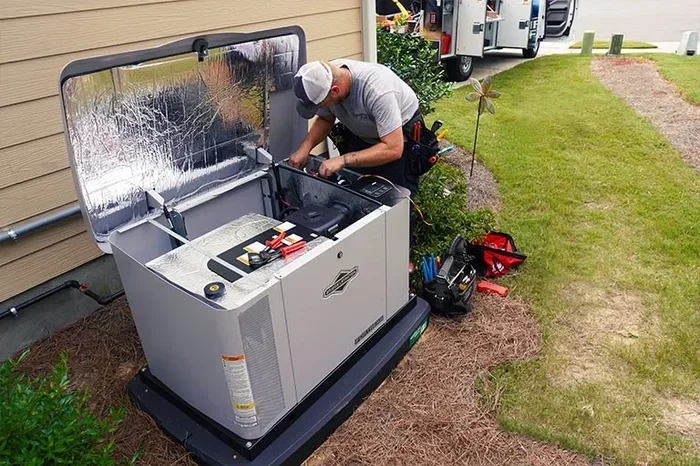
A whole house generator is a permanent backup power system wired directly into your home’s electrical panel. Unlike portable generators you drag outside, these units kick on automatically when the grid goes down. They run on fuel sources like natural gas, propane, or diesel. Think of it as a personal power plant for your home.
These systems come in different sizes measured in kilowatts (kW). A small unit might handle just your essentials. A larger one powers everything including your air conditioning and well pump. Choosing the right size directly affects your whole house generator cost.
How Power Output Affects Pricing
Generators range from 7 kW to 20+ kW. Here is a rough breakdown:
- 7-10 kW: Covers essentials like lights, fridge, and a few outlets. Cost: $2,000 to $5,000.
- 12-16 kW: Handles most household circuits including a window AC unit. Cost: $5,000 to $9,000.
- 17-20+ kW: Powers the entire home including central air and electric stoves. Cost: $9,000 to $15,000+.
Oversizing your unit wastes money. Undersizing it means you still face blackouts. A licensed installer can help you calculate the exact load your home needs. This step alone saves you from costly mistakes later.
Whole House Generator Cost by Fuel Type
Your fuel choice shapes both the upfront price and the long-term running costs. Each fuel type brings different benefits and trade-offs. Let us compare the three most common options.
Natural Gas Generators
Natural gas is the most popular fuel for standby generators. It connects directly to your utility line, so you never need to refuel. Units tend to cost between $3,000 and $10,000. The benefit is convenience. The downside? You are tied to the utility company’s pricing. During major disasters, gas pressure can drop, limiting your fuel supply.
Propane Generators
Propane offers energy independence. You store tanks on your property and refill them as needed. Propane units typically cost $2,500 to $8,000. They burn clean and store indefinitely. However, propane holds less energy per gallon than natural gas. That means higher fuel consumption during long outages. Many homeowners install dual-fuel systems to get the best of both worlds.
Diesel Generators
Diesel units are the heavy-duty option. They deliver excellent fuel efficiency and long runtime. Expect to pay $4,000 to $15,000. Diesel engines are tougher and last longer. But they are louder, produce more emissions, and require more maintenance. For most suburban homes, natural gas or propane makes more sense.
Fuel Type Comparison Table
| Feature | Natural Gas | Propane | Diesel |
|---|---|---|---|
| Upfront Cost | $3,000-$10,000 | $2,500-$8,000 | $4,000-$15,000 |
| Fuel Availability | Unlimited (utility) | Limited by tank size | Limited by tank size |
| Running Cost | Moderate | Higher per hour | Lowest per hour |
| Maintenance | Low | Low | Moderate |
| Best For | Most homes | Rural areas | Heavy use |
Installation Costs You Need to Budget For
Buying the generator is only part of the equation. Installation adds significant expense but also ensures safety and reliability. On average, professional installation runs $1,500 to $5,000. Here is where that money goes.
Site Preparation
Your generator needs a solid, level foundation. Concrete pads cost $500 to $1,500. Some homes already have a prepped area. Others need excavation and grading. This step protects your investment from shifting or flooding.
Electrical Hookup
Wiring the generator to your main panel requires a licensed electrician. This includes installing a transfer switch that prevents backfeeding onto power lines. The transfer switch alone costs $500 to $2,000. This is not a DIY project. Improper wiring creates fire hazards and can injure utility workers.
Permits and Inspections
Most local jurisdictions require building permits for generator installation. Permit fees range from $200 to $500. Inspections add another $100 to $300. Skipping permits risks fines and insurance problems. Always check your local codes before starting any project. Permits are a non-negotiable part of the whole house generator cost.
Ongoing Maintenance and Operating Expenses
Once your generator is running, it needs regular care. Neglecting maintenance leads to breakdowns when you need the system most. Annual maintenance typically costs $150 to $300. This covers oil changes, filter replacements, and system checks.
Fuel Costs Over Time
Running costs depend on your fuel type and how often you use the unit. Natural gas generators consume roughly $0.50 to $1.00 per hour at moderate load. Propane burns faster and costs more per hour. Diesel is the most efficient but needs regular fuel monitoring. Over a year of typical use, expect to spend $200 to $600 in fuel costs.
Exercise Mode
Most standby generators run a weekly test cycle called “exercise mode.” This keeps the system lubricated and ready. Each cycle uses a small amount of fuel but adds up over time. Setting your unit to exercise mode during off-peak hours saves money on fuel rates.
Common Maintenance Mistakes to Avoid
- Skipping annual service appointments
- Using old or contaminated fuel
- Ignoring unusual noises or warning lights
- Failing to test the transfer switch regularly
- Overlooking air and fuel filter changes
Staying on top of these tasks protects your backup power investment and extends the unit’s lifespan to 20-30 years.
Factors That Influence Total Cost
Every home is different. Several variables push the final whole house generator cost higher or lower. Understanding these factors helps you set a realistic budget.
Home Size and Electrical Load
Larger homes need more powerful generators. Homes with electric heating, well pumps, or central air demand higher kilowatt ratings. A 2,000 square foot home with basic needs differs greatly from a 4,000 square foot home with heavy electrical loads. Your electrician will perform a load calculation to determine the right size unit.
Brand and Quality
Trusted brands like Generac, Kohler, and Briggs & Stratton command higher prices. You pay for reliability, warranty coverage, and dealer support. Cheap no-name units might save money upfront but often fail during critical moments. Invest in a reputable brand for peace of mind.
Location and Accessibility
If your generator sits in a hard-to-reach spot, installation costs rise. Cranes or lifts add $500 to $1,500. Rural areas may require longer gas line runs, adding $1,000 or more. Urban homes usually face fewer access challenges but stricter noise ordinances.
Noise Considerations
Standby generators produce 60-70 decibels of noise. That is about the level of a normal conversation. Installing sound barriers or choosing a quieter model adds cost but keeps neighbors happy. Some units feature ultra-quiet operation for an extra premium.
Warranty and Insurance Impact
Quality generators come with 5 to 10-year warranties. Extended warranties cost more but cover major repairs. Also, having a backup generator can lower your homeowner’s insurance premiums. Some providers offer discounts of 5-10% for homes with installed backup systems. That savings partially offsets your generator purchase cost over time.
How to Save Money on Your Whole House Generator
Nobody wants to overpay. Smart planning helps you control costs without sacrificing quality. Here are practical ways to reduce your whole house generator cost.
Get Multiple Quotes
Prices vary widely between contractors. Always collect at least three quotes before committing. Compare not just the bottom line but what each quote includes. Some bundles include permits, testing, and first-year maintenance. Others itemize every charge. Transparency saves surprises.
Choose the Right Size
Oversized units cost more to buy and run. An undersized unit cannot handle your load. The sweet spot is a unit that covers 80-90% of your household needs. A professional load calculation identifies this balance precisely.
Time Your Purchase
Generators sell best before storm season. Prices peak during hurricane forecasts. Buying in late winter or early spring often gets you better deals. Installers also have more availability outside peak months.
Consider a DIY Kit with Pro Installation
Some homeowners handle site prep themselves to save on labor. You can clear the area, set the foundation pad, and run basic conduit. Then hire a pro for the electrical connections. This hybrid approach shaves hundreds off your total cost. Always check local codes before taking on any part of the project yourself.
Look for Rebates and Incentives
Some utility companies offer rebates for installing backup generators. These programs encourage grid stability during peak demand. Check with your local utility and state energy office. Tax credits may also apply in certain areas. Every dollar saved goes toward reducing your overall generator installation expense.
Quick Tips for Budgeting
- Set aside 15-20% of your budget for unexpected costs
- Ask about financing plans from generator dealers
- Factor in 5-10 years of maintenance and fuel costs
- Check homeowner insurance for generator coverage
- Prioritize brands with strong local dealer support
Is a Whole House Generator Worth the Investment?
That depends on your situation. If you live in an area with frequent outages, a whole house generator pays for itself quickly. Consider the cost of spoiled food, burst pipes from frozen heating systems, or lost work income. One major outage can cost hundreds of dollars. A generator prevents those losses entirely.
Home value also increases. Real estate experts estimate that a standby generator adds 3-5% to your home’s resale value. That means a $10,000 installation could boost your property value by $3,000 to $5,000. You get daily benefits plus long-term financial return.
Security and safety matter too. Sump pumps stop working during outages, risking basement flooding. Security systems go dark. Medical devices lose power. A whole house generator keeps your family safe and protected around the clock. The backup power value extends far beyond dollars and cents.
Final Thoughts on Whole House Generator Cost
Understanding whole house generator cost empowers you to make confident decisions. From fuel type selection to installation permits, every choice impacts your budget. The key is balancing upfront expense with long-term reliability and value. A well-planned generator system protects your home, family, and wallet for decades to come.
Do not rush the process. Get multiple quotes. Ask questions. Choose a reputable installer who understands your local codes and electrical needs. The right approach turns a big expense into a smart investment. Your future self will thank you the next time the lights stay on while everyone else sits in the dark.
Frequently Asked Questions
How much does a whole house generator cost installed?
Installed costs typically range from $3,500 to $15,000 or more. This includes the unit, transfer switch, electrical wiring, permits, and professional labor. Natural gas units on the smaller end cost less, while large propane or diesel systems for bigger homes sit at the higher end.
What is the cheapest fuel type for a whole house generator?
Natural gas is usually the cheapest to run day-to-day since it connects to your utility line. Propane and diesel cost more per hour during long outages. However, propane offers better storage flexibility and works well in rural areas without natural gas service.
Can I install a whole house generator myself?
You can handle site prep and some physical setup, but electrical connections must be done by a licensed electrician. Improper wiring creates serious fire hazards and can injure utility workers. Most local codes also require professional installation and inspections regardless.
How often does a whole house generator need maintenance?
Annual professional maintenance is recommended. This includes oil changes, filter replacements, and system diagnostics. Weekly exercise mode keeps the unit running and ready. Regular care extends the lifespan to 20-30 years and prevents costly emergency repairs.
Do whole house generators increase home value?
Yes. Studies show standby generators add roughly 3-5% to a home’s resale value. Buyers appreciate reliable backup power, especially in storm-prone regions. The investment often pays for itself partially when you sell your home.
How long does a whole house generator last?
With proper maintenance, most units last 20 to 30 years. Diesel engines tend to last the longest. Natural gas and propane units perform well for 20+ years when serviced regularly and not run continuously for weeks at a time.