How Big of a Generator Do I Need to Run My Whole House
Need to know how big of a generator do i need to run my house? This guide breaks down your home’s wattage needs in simple terms. You will learn to calculate essential loads, compare generator types, and pick the right size with confidence.
Power outages are more common than most people think. Storms, grid failures, and equipment issues can leave your home dark for hours or even days. That is why so many homeowners are asking how big of a generator do i need to run my house. The answer is not one-size-fits-all. Your home size, your electrical needs, and your budget all play a role.
Choosing the right generator size is one of the most important decisions you can make. Buy too small, and you will struggle to keep essentials running. Buy too large, and you waste money on fuel and upfront costs. This guide walks you through everything you need to know. We will cover wattage calculations, generator types, sizing mistakes, and much more.
By the end of this article, you will feel confident about your backup power choice. You will know exactly what to look for and how to avoid common pitfalls. Let us dive in and make sure your home stays powered no matter what.
Key Takeaways
- Know your wattage: Calculate both running and starting watts to avoid overloads.
- Match the size to your needs: A 5,000–7,000W unit works for essentials, while 15,000W+ covers the full house.
- Standby generators offer convenience: They kick on automatically during power outages.
- Portable units are budget-friendly: Great for temporary or partial home power.
- Fuel type matters: Propane, natural gas, and diesel each have pros and cons.
- Professional installation helps: Especially for standby systems connected to your electrical panel.
📑 Table of Contents
Understanding Your Home Power Needs
The first step in answering how big of a generator do i need to run my house is understanding what your home actually uses. Every appliance and device draws a certain amount of power. Some use very little, while others demand a lot. Before you shop for any unit, you need to know your numbers.
Calculate Your Essential Loads
Start by making a list of the things you want to keep running during an outage. For most families, this includes the refrigerator, lights, furnace blower, and a few outlets for phones and laptops. Write down each item and check its wattage label. You can usually find this on the back or bottom of the device.
Here are common household items and their typical wattage ranges:
- Refrigerator: 600–800 running watts, 1,200–1,500 starting watts
- Central Air Conditioner: 3,000–5,000 running watts
- Furnace Blower: 400–600 running watts
- Lights (per room): 60–150 watts each
- Television: 100–400 watts
- Microwave: 600–1,200 running watts
- Washing Machine: 500–700 running watts
- Well Pump: 1,000–2,000 running watts
Add up the running watts of everything you want to power. Then find the highest starting wattage among those items. Add that number to your total running watts. The result is the minimum generator capacity you need.
Starting Watts vs Running Watts
This is one of the most misunderstood parts of generator sizing. Running watts are the continuous power a device needs to operate. Starting watts are the extra burst of power needed when a motor first kicks on. Think of it like pushing a heavy shopping cart. It takes a big push to get it moving, but less effort to keep it rolling.
Air conditioners, refrigerators, and well pumps all need extra starting power. If your generator capacity is too low, these devices will not start properly. You may trip the breaker or damage your equipment. Always account for both numbers when you plan your home power needs.
Generator Sizes Explained
Generators come in many sizes, measured in watts or kilowatts (1 kilowatt = 1,000 watts). The right size depends entirely on what you want to power. Here is a breakdown of common categories and what each can handle.
Small Generators (5,000–7,000 Watts)
These compact units are great for keeping a few essentials running. A 5,000–7,000W generator can handle your refrigerator, some lights, a phone charger, and a small television. They are lightweight, easy to move, and very affordable. Many people use these for camping or tailgating too.
However, a small unit will not run your central air conditioner or electric stove. It is best for partial home backup or for smaller homes with basic needs. If you only need to keep your home essentials alive during a short outage, this size works well.
Medium Generators (7,000–10,000 Watts)
A medium-sized generator gives you more flexibility. You can run your refrigerator, furnace blower, lights, and a window AC unit all at the same time. Some models in this range can handle a small central AC unit if it is energy efficient.
This size is popular for families who want comfort without the high cost of a whole-house system. It is also a good choice for mid-sized homes that do not have electric water heaters or electric stoves.
Large Generators (10,000–15,000 Watts)
A large generator can handle most household appliances simultaneously. You can run your central air, electric water heater, oven, and laundry machine all at once. These units are ideal for larger homes or homes with high electrical demand.
Keep in mind that fuel consumption increases with size. A 15,000W unit will use significantly more gasoline or propane than a 7,000W model. Make sure you have adequate fuel storage and ventilation for operation.
Whole House Generators (15,000–25,000+ Watts)
If you want to power everything in your home, a whole house generator is the answer. These units typically start at 15 kilowatts and go up to 25 kilowatts or more. They can handle every major appliance, every light, and even heavy-duty equipment like a well pump or pool pump.
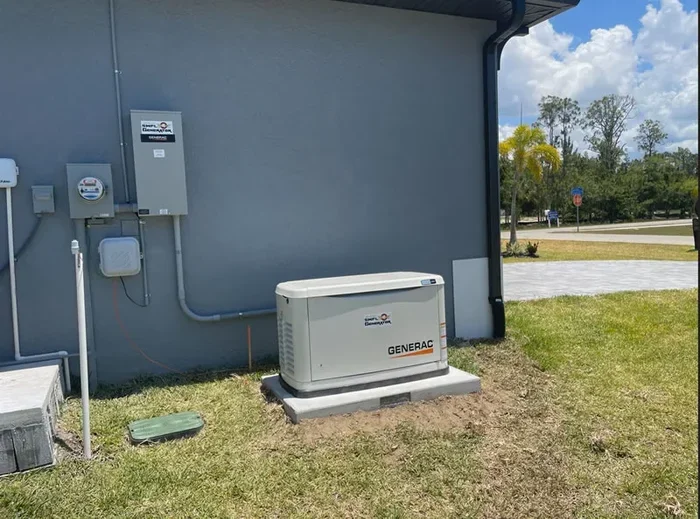
Whole house generators are permanently installed outside your home. They connect directly to your electrical panel and run on natural gas or propane. When the power goes out, they turn on automatically within seconds. You may not even notice the outage happened.
| Generator Size | Best For | Typical Cost Range |
|---|---|---|
| 5,000–7,000W | Essentials only, small homes | $500–$1,500 |
| 7,000–10,000W | Partial home, mid-size homes | $1,000–$3,000 |
| 10,000–15,000W | Full appliance coverage | $2,500–$5,000 |
| 15,000–25,000W+ | Whole house, large homes | $4,000–$15,000+ |
How to Calculate the Right Generator Size
Now that you understand the size categories, let us walk through the actual calculation process. Figuring out how big of a generator do i need to run my house does not require an electrical engineering degree. A little math and some planning will get you there.
Step-by-Step Sizing Process
Follow these steps to determine your exact power needs:
- List every appliance you want to run during an outage. Be honest about what matters most to your family.
- Find the running wattage for each item. Check the nameplate or user manual.
- Identify the starting wattage for any motor-driven devices. This is usually 2–3 times the running wattage.
- Add all running watts together for your total continuous load.
- Add the highest starting wattage to your total running watts. This gives you your peak load.
- Add a 20% safety buffer to your peak load number. This protects your generator from running at full capacity constantly.
For example, let us say your total running watts are 4,000 and your highest starting watt is 2,000. Your peak load is 6,000 watts. Adding a 20% buffer brings you to 7,200 watts. A 7,500W generator would be a solid choice for this scenario.
Using a Generator Size Calculator
If math is not your strong suit, you are not alone. Many websites offer a free generator size calculator that does the work for you. You simply input your appliances and their wattages, and the tool tells you the recommended size. This is a great starting point for beginners.
Just remember that calculators are estimates. They do not account for every variable in your specific home. Use them as a guide, but always double-check your own calculations. The last thing you want is to discover your generator capacity is too low during a real outage.
Types of Generators for Home Use
Not all generators are the same. The type you choose affects everything from cost to convenience to fuel usage. Let us look at the two main categories most homeowners consider.
Portable Generators
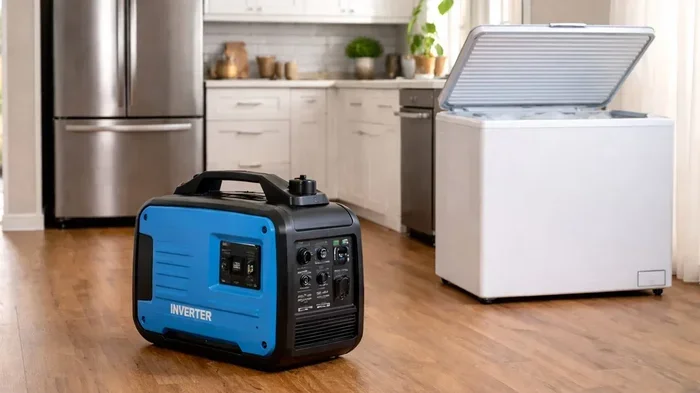
Portable generators are the most affordable option. They run on gasoline and can be moved wherever you need them. These units are great for temporary power or for homes that only need partial backup during an outage.
However, portable generators have limitations. They require manual setup and refueling. You need to run extension cords from the generator into your home, which can be unsafe if not done properly. They are also louder than permanently installed systems. For many families, a portable unit is a practical and budget-friendly way to answer how big of a generator do i need to run my house during short outages.
Standby Generators
Standby generators are the premium choice for whole-home backup power. They are permanently installed outside your home and connected to your fuel supply. When the power goes out, an automatic transfer switch detects the outage and starts the generator within seconds.
These units run on natural gas or liquid propane. They can power your entire home, including HVAC systems, water heaters, and kitchen appliances. Standby generators are more expensive upfront, but they offer unmatched convenience and peace of mind. You never have to worry about running extension cords or refueling in the dark.
If you live in an area prone to frequent outages, a standby system is almost always the better long-term investment. It keeps your emergency power ready and waiting, no matter what time of day or night.
Common Mistakes When Choosing Generator Size
Even the most careful homeowners make mistakes when sizing their generator. Here are the most common errors and how to avoid them.
Forgetting to Account for Starting Watts
This is the number one mistake people make. They add up running watts and think that is enough. But motor-driven appliances need a surge of power to start. If you ignore starting watts, your generator will stall or trip its breaker the moment you plug in the fridge or AC unit.
Choosing the Cheapest Option
It is tempting to buy the smallest and cheapest generator you can find. But a unit that is too small will not power your essentials properly. It may also damage sensitive electronics like computers and TVs. Spending a little more upfront saves you from frustration later.
Ignoring Fuel Efficiency
A bigger generator does not always mean higher fuel costs. Modern units are designed to be fuel-efficient, even at higher capacities. Look for models with economy modes or inverter technology. These features adjust the engine speed to match the load, saving fuel and reducing noise.
Skipping Professional Installation
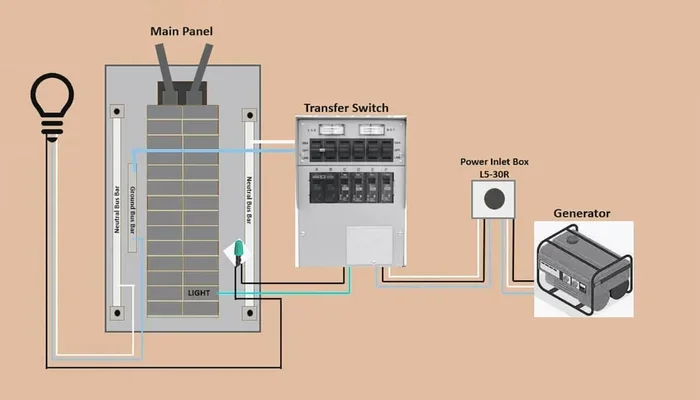
If you choose a standby generator, do not try to install it yourself. Connecting a generator to your home electrical panel requires a licensed electrician and a proper transfer switch. Incorrect installation can backfeed power into the grid, which is dangerous for utility workers. Always hire a professional for generator installation to keep your home and family safe.
Final Thoughts and Recommendations
So, how big of a generator do i need to run my house? The honest answer depends on your situation. If you live in a small apartment or a tiny home with basic needs, a 5,000–7,000W portable unit will serve you well. For a mid-sized home with a family, a 10,000–15,000W generator gives you solid coverage for most appliances and comfort systems.
If you want the full peace of mind that comes with never worrying about power loss, a whole house standby generator in the 15,000–25,000W range is the way to go. It handles everything automatically and keeps your household running smoothly no matter how long the outage lasts.
Take the time to calculate your wattage requirements honestly. List the items you truly need and add a safety buffer. Choose the fuel type that fits your home and budget. And if you are going with a standby system, invest in professional generator installation to ensure everything works safely and correctly.
Power outages do not wait for a convenient time. They happen in the middle of the night, during storms, and on the coldest days of winter. Having the right backup power solution means your family stays safe, comfortable, and connected no matter what. Do not wait until the next outage to figure out your generator needs. Start planning today, and you will be glad you did.
Frequently Asked Questions
Can a small portable generator run my whole house?
It depends on what you consider “running my whole house.” A small portable generator in the 3,000–5,000W range can power essential items like your refrigerator, a few lights, and phone chargers. However, it cannot handle heavy-duty appliances like central air conditioning or an electric oven. For full home coverage, you need a larger unit or a whole house standby generator.
What happens if my generator is too small for my home?
If your generator capacity is too low, you will run into problems quickly. The generator will overload, trip its breaker, or fail to start motor-driven appliances. In some cases, it can damage sensitive electronics. Always make sure your unit can handle your peak load with a 20% safety buffer built in.
How long can a generator run continuously?
This depends on the fuel type and tank size. A portable gasoline generator typically runs 8–12 hours on a full tank. Standby generators connected to natural gas or propane can run for days without refueling. Check your specific model’s specs for exact runtime numbers and plan for fuel refills accordingly.
Do I need a transfer switch for a home generator?
Yes, if you are connecting a generator directly to your home electrical system, you need a transfer switch. This device safely disconnects your home from the grid and connects it to the generator. It prevents backfeeding, which is dangerous for utility workers. Standby generators always include an automatic transfer switch as part of the installation.
What fuel type is best for a home generator?
Natural gas and propane are the most popular choices for standby generators because they are clean-burning and connect to your existing fuel lines. Gasoline is common for portable units but requires storage and regular replacement. Diesel is durable and efficient but less common for residential use. Choose based on your local fuel availability and storage options.
How much does a whole house generator cost to install?
The total cost includes the unit and professional generator installation. A 15kW standby generator typically costs between $4,000 and $8,000 installed. Larger units in the 20–25kW range can cost $8,000 to $15,000 or more. While the upfront cost is significant, the convenience and protection they provide make them a worthwhile investment for many homeowners.