Does Defrost Mode Use the AC Compressor in Your Car
Yes, defrost mode often uses the AC compressor in most vehicles. When you switch to defrost, your car’s air conditioning system typically kicks in to remove moisture from the air, which helps clear your windshield faster. Understanding how the defrost cycle and AC compressor work together can help you maintain your car’s climate control system and avoid unnecessary repairs.
Every winter, drivers face the same frustrating moment. You get into your car, and the windshield is fogged up or covered in ice. You turn the defrost mode on and wait. But have you ever wondered what is actually happening under the hood? Does your AC compressor kick in when you switch to defrost? The answer might surprise you.
Understanding how your car’s defrost system works is more than just a fun fact. It can help you troubleshoot problems, save fuel, and keep your windshield clear on those cold, misty mornings. In this guide, we will break down everything you need to know about the relationship between defrost mode and your car air conditioning system.
Whether you drive a modern vehicle with advanced climate control or an older model with a basic heating system, this article covers it all. We will explore how the compressor clutch engages, why moisture removal matters, and what you can do to keep your defrost vent blowing clear air every single time.
Key Takeaways
- Defrost mode commonly engages the AC compressor: Most cars activate the compressor when you switch to defrost to dry the air and clear fog faster.
- The compressor helps remove moisture: Cold, dry air from the air conditioning system clears windshield fog more effectively than warm, moist air.
- You can use defrost without AC in some vehicles: Certain cars allow you to bypass the compressor, though it may take longer to clear the windshield.
- Regular maintenance matters: Keeping your vehicle HVAC system in good shape ensures the defrost function works properly when you need it most.
- Fuel impact is minimal: Running the compressor during defrost uses a small amount of extra fuel, but the safety benefit far outweighs the cost.
- Know your system: Understanding how your car’s defrost setting works helps you troubleshoot issues and avoid costly repairs.
📑 Table of Contents
- What Happens When You Turn On Defrost Mode?
- How the AC Compressor Works with the Defrost System
- Can You Use Defrost Without the AC Compressor?
- Common Defrost Problems and How to Fix Them
- Does Using Defrost Mode Affect Fuel Economy?
- How to Maintain Your Defrost and AC System
- Expert Insights on Defrost and Compressor Systems
- Key Takeaways
What Happens When You Turn On Defrost Mode?
When you press the defrost button, a series of events starts inside your vehicle. The defrost cycle is designed to clear your windshield as quickly and safely as possible. But the exact process depends on your car’s make, model, and year.
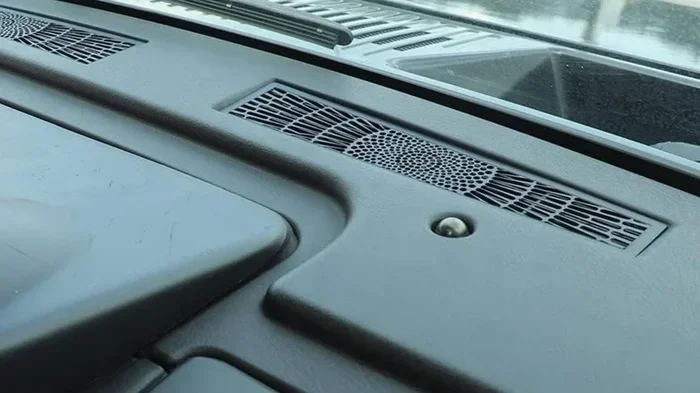
In most vehicles, pressing the defrost setting does two things at once. First, it directs airflow toward the windshield through the defrost vent. Second, it activates the air conditioning system to dry the air before it reaches your windshield. This combination of directed airflow and dry air is what makes defrost so effective.
Here is a simple breakdown of what happens:
- The compressor clutch engages, starting the AC compressor.
- Air passes over the cold evaporator coils, removing moisture.
- The now-dry air is directed toward the windshield through the defrost vent.
- Heat may also be added to the airflow to speed up the defrosting process.
This entire process happens in seconds. You might not even notice the AC compressor kicking on, but it is working behind the scenes. The result is a clear windshield in just a few minutes.
Why Does the Compressor Engage During Defrost?
The main reason your AC compressor runs during defrost is moisture control. Fog on your windshield happens when warm, humid air meets the cold glass surface. The air conditioning system removes humidity from the air, which prevents fog from forming and helps melt existing frost.
Think of it this way. Warm, moist air fogs up glass. Dry, cool air clears it. The compressor makes the air dry. That is the science behind the process. It is a simple but brilliant design that has been used in cars for decades.
How the AC Compressor Works with the Defrost System
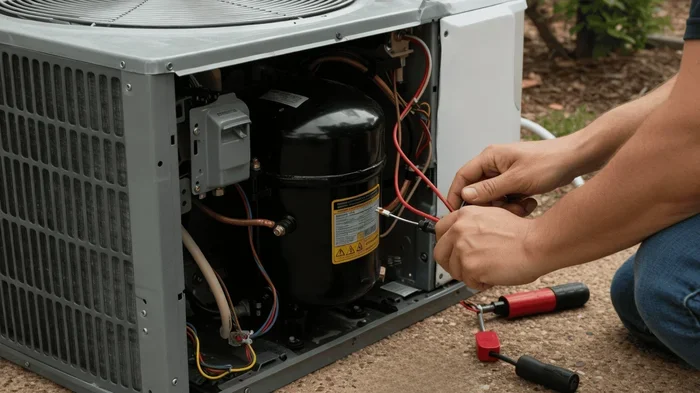
The AC compressor is the heart of your car’s air conditioning system. It pumps refrigerant through the system, creating the cold air that dries out moisture. When you switch to defrost mode, the compressor takes on a dual role. It cools the air and removes humidity.
Inside the vehicle HVAC system, several components work together to make defrost function properly:
- Compressor: Pumps refrigerant and drives the cooling process.
- Evaporator: Cools the air and pulls out moisture.
- Blower motor: Pushes the dried air toward the windshield.
- Blend door: Controls the temperature of the air reaching the glass.
- Mode door: Directs airflow to the defrost vent position.
All of these parts must work in harmony for defrost to function correctly. If even one component fails, your defrost setting may not clear the windshield as it should.
The Role of Refrigerant in Defrosting
Refrigerant is the special fluid that makes the entire air conditioning system possible. It absorbs heat from the air inside your car and releases it outside. During the defrost cycle, the refrigerant helps create cold, dry air that is perfect for clearing fog and frost.
If your refrigerant level is low, the AC compressor may not cool the air effectively. This means your defrost will take longer to work. It might even fail to clear the windshield entirely. Regular maintenance of your cooling system can prevent this problem.
Can You Use Defrost Without the AC Compressor?
The short answer is yes, in some vehicles. However, the experience is quite different. Some cars allow you to turn off the AC compressor while still using the defrost mode. This is more common in older vehicles or those with simpler climate control systems.
When you use defrost without the compressor, the system blows warm air toward the windshield. This can help melt ice, but it does not remove moisture from the air. As a result, fog can return quickly, especially in humid conditions.
Here is a quick comparison:
- Defrost with AC compressor on: Faster clearing, prevents fog from returning, uses slightly more fuel.
- Defrost with AC compressor off: Slower clearing, fog may return, uses less fuel.
For most drivers, keeping the compressor on during defrost is the better choice. The safety benefit of a clear windshield far outweighs the tiny increase in fuel consumption. If you are curious about fuel usage across different vehicle systems, you can also explore how much fuel different systems consume to understand the bigger picture of energy use in machines.
When Might You Want to Skip the Compressor?
There are a few situations where turning off the compressor during defrost makes sense:
- You are already running low on fuel and want to conserve every bit.
- The outside temperature is very cold and the air is naturally dry.
- The AC compressor is malfunctioning and you need a temporary workaround.
- You are dealing with ice rather than fog, and heat alone can handle the job.
Even in these cases, using the compressor for the first few minutes can make a big difference. Once the windshield is clear, you can turn it off if needed.
Common Defrost Problems and How to Fix Them
Not all defrost systems work perfectly all the time. Several issues can prevent your defrost mode from clearing the windshield effectively. Here are the most common problems and their solutions.
Weak Airflow from the Defrost Vent
If the air coming from your defrost vent feels weak or barely moves, the problem is often a clogged cabin air filter. Dirt, leaves, and debris can block airflow over time. Replacing the filter is usually quick and inexpensive.
Another cause could be a failing blower motor. If the motor does not spin at the right speed, the defrost setting will not deliver enough air to clear the windshield. A mechanic can test the motor and replace it if needed.
Compressor Not Engaging During Defrost
If you notice that the AC compressor does not turn on when you switch to defrost, several things could be wrong:
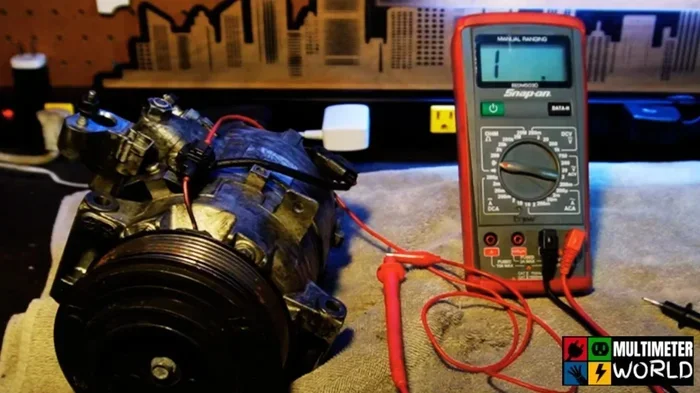
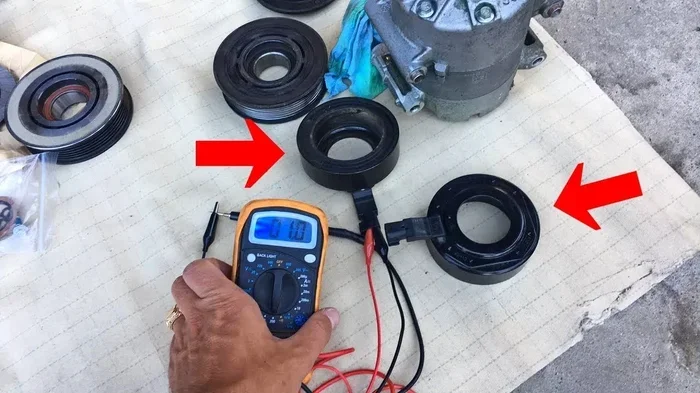
- The compressor clutch may be worn or damaged.
- The refrigerant level could be too low.
- A fuse or relay in the air conditioning system might be blown.
- The climate control module could have a software glitch.
Start by checking the refrigerant level. Low refrigerant is the most common cause of compressor failure. If the level is fine, inspect the clutch and electrical connections. For complex issues, a professional diagnostic is the best next step.
Fog Returns Quickly After Defrosting
When fog comes back shortly after clearing the windshield, the AC compressor is likely not removing enough moisture from the air. This often happens when the refrigerant is low or the evaporator is dirty. Cleaning the system and recharging the refrigerant usually solves the problem.
Does Using Defrost Mode Affect Fuel Economy?
Many drivers worry about the fuel cost of running the AC compressor during defrost. The good news is that the impact is very small. Modern vehicle HVAC systems are designed to be efficient, and the extra fuel used during a typical defrost cycle is minimal.
To put it in perspective, the fuel used by the AC compressor during defrost is far less than what you would waste sitting in traffic with the engine idling. The safety benefit of a clear windshield also helps you drive more efficiently by improving visibility and reducing hesitation.
If you are interested in how different systems in your vehicle consume energy, you might also want to learn about what powers different generator systems, as the principles of fuel consumption across mechanical systems share some similarities.
Tips to Minimize Fuel Use During Defrost
- Use defrost only when needed. Do not leave it running longer than necessary.
- Combine defrost with the heater. Warm, dry air clears frost faster and uses less fuel than cold, dry air alone.
- Keep your refrigerant levels topped off. A well-charged system runs more efficiently.
- Park in a garage when possible. Less ice and fog means less defrost time.
- Clean your defrost vent regularly to ensure maximum airflow.
How to Maintain Your Defrost and AC System
Taking care of your car’s air conditioning system and defrost system goes a long way in keeping both working reliably. Regular maintenance prevents surprises and saves money on repairs.
Here is a simple maintenance checklist for your vehicle HVAC system:
- Replace the cabin air filter every 12,000 to 15,000 miles. A clean filter ensures proper airflow through the defrost vent.
- Check refrigerant levels at least once a year. Low refrigerant forces the AC compressor to work harder.
- Run the AC system for at least 10 minutes every week, even in winter. This keeps the compressor clutch lubricated and prevents seals from drying out.
- Inspect the blower motor during routine service. A weak motor affects all airflow functions, including defrost.
- Clean the evaporator if you notice musty smells or reduced cooling. A dirty evaporator limits moisture removal.
Just like any mechanical system, your car’s climate control needs regular attention. Taking a few minutes each month to check on these components can extend the life of your system and keep the defrost setting working perfectly when you need it most.
Proper maintenance also ties into the broader health of your vehicle. If you want to understand more about how long mechanical systems last with proper care, you might find it helpful to read about how long generators last with regular maintenance, as similar principles of wear and care apply across mechanical systems.
Expert Insights on Defrost and Compressor Systems
Automotive engineers design defrost systems to prioritize safety above all else. The AC compressor engages during defrost because dry air is the most effective tool for clearing a fogged or frosted windshield. This design choice has remained consistent across decades of vehicle development.
Modern vehicles have become even smarter in how they handle defrost. Many new cars use sensors to detect humidity levels on the windshield and automatically adjust the compressor operation accordingly. Some advanced systems can even switch between defrost modes without the driver lifting a finger.
The key takeaway is simple. Trust your defrost mode to do its job. The AC compressor working in the background is a feature, not a bug. It is there to keep you safe and your windshield clear.
For those interested in the cost side of vehicle systems, understanding how much it costs to maintain or replace major components is also valuable. You can explore more about the cost of different home systems to compare how investment in mechanical systems pays off over time.
Key Takeaways
- Defrost mode commonly engages the AC compressor: Most cars activate the compressor when you switch to defrost to dry the air and clear fog faster.
- The compressor helps remove moisture: Cold, dry air from the air conditioning system clears windshield fog more effectively than warm, moist air.
- You can use defrost without AC in some vehicles: Certain cars allow you to bypass the compressor, though it may take longer to clear the windshield.
- Regular maintenance matters: Keeping your vehicle HVAC system in good shape ensures the defrost function works properly when you need it most.
- Fuel impact is minimal: Running the compressor during defrost uses a small amount of extra fuel, but the safety benefit far outweighs the cost.
- Know your system: Understanding how your car’s defrost setting works helps you troubleshoot issues and avoid costly repairs.
Frequently Asked Questions
Does every car use the AC compressor during defrost mode?
Most modern cars do engage the AC compressor when you switch to defrost. However, some older or simpler vehicles may not. Check your owner’s manual to confirm how your specific vehicle HVAC system operates during the defrost cycle.
Can running the AC compressor during defrost damage my car?
No, running the AC compressor during defrost is completely normal and will not damage your vehicle. The system is designed to handle this operation. In fact, using the compressor regularly helps keep the air conditioning system lubricated and in good condition.
Why does my windshield fog up again after using defrost?
If fog returns quickly, the AC compressor may not be removing enough moisture from the air. This is often caused by low refrigerant levels or a dirty evaporator. Have your cooling system checked and recharged if needed.
Is it okay to use defrost mode in the summer?
Yes, you can use the defrost setting in summer, especially if your windshield fogs up due to humidity. The compressor clutch will engage to dry the air, just as it does in winter. This is a normal function of the climate control system.
How long should the AC compressor run during defrost?
The AC compressor typically runs for the entire duration of the defrost cycle. It turns off automatically when you switch to a different mode or turn off the defrost setting. If it runs excessively, it may indicate a climate control issue that needs attention.
Will using defrost mode with the AC compressor reduce my fuel economy significantly?
The fuel impact is very minimal. The extra energy used by the AC compressor during defrost is small compared to the overall fuel consumption of the vehicle. The safety benefit of a clear windshield always outweighs the slight increase in fuel use.
=== CONCLUSION ===
So, does defrost mode use the AC compressor? In the vast majority of vehicles, the answer is yes. The air conditioning system plays a crucial role in drying the air and clearing your windshield quickly and safely. Understanding this connection helps you appreciate the engineering behind your car’s climate control system and use it more effectively.
Your defrost setting is a safety feature designed to work seamlessly with the AC compressor. Rather than viewing the compressor as an extra burden, think of it as an ally in keeping your windshield clear. With proper maintenance and a little knowledge, you can ensure your defrost system performs at its best every single time you need it.
Next time you switch on the defrost mode and feel that blast of cold, dry air, you will know exactly what is happening. Your AC compressor is hard at work, making your drive safer and more comfortable. Trust the system, maintain it well, and enjoy clear roads ahead.