What Kind of Oil Does a Generator Use for Best Results
Finding the right what kind of oil does a generator use is essential for smooth, long-lasting performance. The correct oil protects the engine from wear, reduces friction, and keeps your unit running reliably in any weather. This guide breaks down everything you need to know, from oil types and viscosity grades to step-by-step change instructions.
Every generator owner knows the machine works hard. Whether you rely on a portable generator during a storm or a standby unit for backup power, the engine needs proper care. One of the simplest yet most important things you can do is choose the right oil. The question is simple: what kind of oil does a generator use? But the answer depends on a few key factors, including the engine type, the climate you live in, and how often you use the machine.
Using the wrong oil can lead to poor performance, higher fuel consumption, and even costly repairs. On the other hand, the correct generator oil keeps the engine running smoothly, reduces wear, and helps the unit last for years. In this guide, we’ll walk through everything you need to know. You’ll learn about different oil types, viscosity ratings, and the step-by-step process for an oil change. By the end, you’ll feel confident picking the right oil for your specific generator.
Key Takeaways
- Use the right oil type: Choose between conventional and synthetic based on your generator model and how often you run it.
- Match viscosity to the season: SAE 30 works well in warm weather, while 10W-30 offers flexibility in colder climates.
- Change oil regularly: Stick to the manufacturer’s schedule, usually after the first 20–30 hours and then every 100–150 hours.
- Never overfill or underfill: Both can cause engine damage, poor fuel efficiency, or leaks.
- Check the manual first: Your generator’s owner manual is the ultimate guide for the correct oil specification.
- Synthetic oil lasts longer: It provides better protection and can extend change intervals, saving you money over time.
📑 Table of Contents
Why Oil Matters for Your Generator
Oil is the lifeblood of any engine. It does more than just lubricate moving parts. It also cools the engine, carries away dirt and metal particles, and prevents rust inside the crankcase. Without clean oil, the metal parts in the generator engine would grind against each other, causing friction and heat. Over time, this leads to overheating and permanent damage.
How Oil Protects the Engine
A generator engine has many moving parts, including pistons, crankshafts, and camshafts. These parts move at high speeds under heavy loads. Oil creates a thin film between them, reducing metal-to-metal contact. This film also helps absorb heat from the combustion chamber and transfer it away. In addition, good oil contains additives that clean the engine and prevent sludge buildup.
When you ask yourself, what kind of oil does a generator use, remember that the oil must handle high temperatures and sudden loads. A portable generator often runs at variable speeds, which puts extra stress on the oil film. A standby generator may run for hours at a steady load. Both need reliable engine protection to avoid breakdowns.
Signs Your Generator Needs an Oil Change
It’s easy to tell when your generator needs fresh oil. Watch for these warning signs:
- Dark or dirty oil on the dipstick
- Unusual engine noise, such as knocking or ticking
- Reduced fuel efficiency
- A burning smell coming from the exhaust
- Oil leaks around the drain plug or filter
If you notice any of these, check the oil level and change it right away. Regular oil changes are the best way to keep your generator engine healthy.
Types of Generator Oil: Conventional vs. Synthetic
When you go to buy oil, you’ll see many options. The two main categories are conventional oil and synthetic oil. Both can work well in a generator, but they have important differences.
Conventional Oil: Affordable and Reliable
Conventional oil, also called mineral oil, is made from crude oil. It’s been used in engines for decades and works well in many generators. It’s affordable and easy to find. If you use your generator only during power outages or for light duty, conventional oil is often a fine choice. Just make sure it meets the specifications in your owner’s manual.
One downside is that conventional oil breaks down faster under high heat. It also needs to be changed more frequently. If you run your generator often or in hot weather, you may need to change the oil every 50 to 100 hours. For occasional use, a change every 100 to 150 hours is usually enough.
Synthetic Oil: Superior Protection
Synthetic oil is man-made. It’s designed to provide excellent protection in extreme temperatures and under heavy loads. Full synthetic oil flows smoothly even when it’s cold, which makes starting easier in winter. It also resists breakdown at high temperatures, so it lasts longer between changes.
Many people choose synthetic oil for their standby generators because these units run for long periods. Synthetic oil can extend change intervals to 150 to 200 hours, saving you time and money. It also provides better fuel efficiency and reduces engine wear. If you want the best long-term performance, synthetic oil is worth the extra cost.
Semi-Synthetic Oil: A Middle Ground
Between conventional and full synthetic lies semi-synthetic oil. It’s a blend of mineral oil and synthetic additives. Semi-synthetic oil offers better protection than conventional oil at a lower price than full synthetic. It’s a good option if you want improved performance without the highest cost. Check if your generator’s manual allows semi-synthetic blends.
| Feature | Conventional Oil | Synthetic Oil |
|---|---|---|
| Price | Lower cost | Higher cost |
| Change Interval | Every 50–100 hours | Every 100–200 hours |
| Cold-Weather Performance | Average | Excellent |
| Heat Resistance | Good | Very Good |
| Engine Protection | Good for light use | Excellent for heavy use |
| Best For | Occasional use, warm climates | Frequent use, extreme temperatures |
What Kind of Oil Does a Generator Use? Understanding Viscosity
Viscosity is the thickness of the oil. It determines how well the oil flows at different temperatures. The oil viscosity is printed on every oil bottle as an SAE rating. Understanding this rating helps you pick the right oil for your generator.
What Do SAE Numbers Mean?
The SAE (Society of Automotive Engineers) rating tells you how the oil behaves in cold and hot conditions. You’ll see numbers like SAE 30 or 10W-30. The number before the “W” stands for winter. It shows the oil’s thickness at cold temperatures. A lower number means the oil flows better in the cold. The number after the hyphen shows the oil’s thickness at operating temperature.
For example, 10W-30 oil flows like a 10-weight oil when it’s cold, and like a 30-weight oil when it’s hot. This makes it a popular choice for generators used in varying weather. If you live in a warm climate and rarely run the generator in winter, straight SAE 30 oil may be sufficient. It’s a single-weight oil that works well at high temperatures.
Oil Viscosity for Different Climates
Climate plays a big role in choosing the right oil viscosity. Here are some general guidelines:
- Warm climates (above 40°F / 4°C): SAE 30 is a reliable choice. It stays thick enough to protect the engine at high temperatures.
- Moderate climates (0°F to 40°F / -18°C to 4°C): 10W-30 or 10W-40 works well. The “10W” ensures easy cold starts.
- Cold climates (below 0°F / -18°C): Use 5W-30 or even 0W-30 for the best cold-weather flow. This helps the engine start smoothly and reduces wear during the break-in period.
Always check your generator’s manual. Some manufacturers specify a single oil weight for all conditions, while others recommend different oils for different seasons. Following the manual ensures your air-cooled engine gets the right film strength.
Step-by-Step Oil Change Guide
Changing the oil in your generator is a simple task. With the right tools and a few minutes, you can keep the engine running like new. Here’s how to do it safely.
Tools and Supplies You’ll Need
Before you start, gather these items:
- The correct oil for your generator (check the manual for amount and type)
- A new oil filter (if your generator has one)
- An oil drain pan
- A wrench or socket for the drain plug
- A funnel
- Clean rags or paper towels
- Gloves and safety glasses
Draining the Old Oil
First, run the generator for a few minutes. Warm oil drains better than cold oil. Then, turn off the engine and let it cool for a few minutes. Place the drain pan under the oil drain plug. Use the wrench to carefully remove the plug. Let the old oil flow out completely. While it’s draining, check the oil filter. If it’s dirty, replace it with a new one. Make sure the new filter is tightened properly.
Once the oil stops dripping, reinstall the drain plug. Tighten it firmly, but don’t over-tighten. You don’t want to strip the threads in the crankcase.
Refilling and Checking the Level
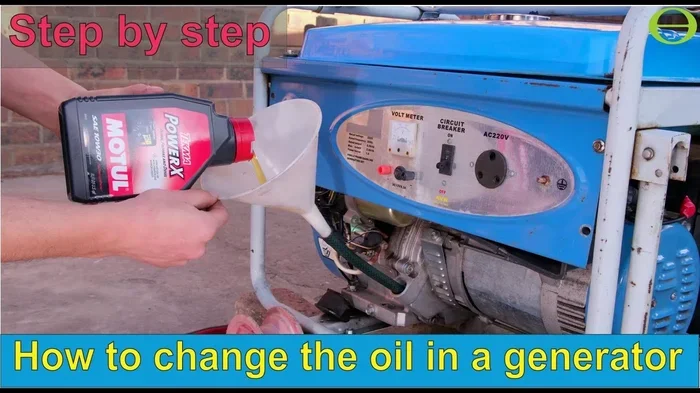
Now it’s time to add fresh oil. Remove the oil fill cap and insert a funnel. Pour in the recommended amount of oil slowly. Most generators take between 0.5 and 1.5 quarts, depending on the engine size. After filling, wait a minute for the oil to settle. Then pull out the dipstick, wipe it clean, reinsert it fully, and pull it out again to check the level. The oil should be between the “Full” and “Add” marks.
Start the generator and let it run for a few minutes. Turn it off and check the oil level again. Top off if needed. Dispose of the old oil and filter properly at a recycling center.
Common Mistakes to Avoid When Choosing Generator Oil
Even experienced owners sometimes make mistakes when selecting oil. Avoid these common errors to keep your generator in top shape.
- Using car oil without checking the manual: Car oils often contain additives designed for passenger vehicles. These additives can be harmful to small engine combustion chambers. Always use oil that meets the API SF, SG, SH, or SJ rating for small engines.
- Ignoring the break-in period: New generators or newly rebuilt engines need special attention. Use the oil recommended by the manufacturer for the first 20–30 hours. After the break-in period, you can switch to a different oil if desired.
- Overfilling the crankcase: Too much oil can cause foaming, which reduces lubrication. It can also lead to oil leaks and smoke. Always stay within the recommended fill range.
- Choosing oil based on price alone: The cheapest oil may not provide enough engine protection. Look for oils with the right viscosity and certifications, such as API or JASO ratings.
- Skipping oil filter changes: A clogged oil filter can’t trap contaminants. This dirty oil circulates through the engine and causes premature wear. Replace the filter every other oil change, or as the manual suggests.
Expert Tips for Extending Generator Engine Life
Choosing the right oil is just one part of generator maintenance. These expert tips will help you get the most out of your machine.
- Keep a maintenance log: Write down every oil change, filter replacement, and service date. This helps you stay on schedule and spot patterns early.
- Store oil properly: Keep oil in a cool, dry place. Heat and moisture can degrade the oil before you even use it. Tightly seal the container after each use.
- Check the oil level before every use: A quick check takes a few seconds and can prevent engine damage. If the oil is low, top it off before starting the generator.
- Use high-quality fuel: Clean fuel reduces carbon buildup in the combustion chamber. This keeps the oil cleaner for longer and improves fuel efficiency.
- Let the generator warm up: Before placing a load on the generator, let it run for a minute or two. This allows the oil to circulate and reach all moving parts.
- Consider a high-mileage oil for older units: If your generator has over 500 hours, a high-mileage oil formula can help seal small leaks and reduce oil consumption.
Taking care of your generator’s oil is one of the easiest ways to ensure reliable power when you need it most. Whether you have a small portable unit or a large standby system, the right oil makes a big difference. Start by checking your manual, pick the correct generator engine oil, and stick to a regular change schedule. Your generator will reward you with years of dependable service.
Remember, the best oil for your generator is the one that matches the engine design, your local climate, and your usage patterns. With the tips in this guide, you’re now equipped to make the right choice. Keep your machine well-lubricated, and it will keep the lights on when it matters most.
Frequently Asked Questions
Can I use 10W-30 in my generator year-round?
Yes, 10W-30 is a versatile oil that works well in a wide range of temperatures. It flows easily in cold weather and maintains protection in the heat. Check your owner’s manual to confirm this viscosity is approved for your specific model.
How often should I change the oil in my generator?
For most generators, change the oil after the first 20–30 hours of use, then every 100–150 hours. If you use a synthetic oil, you can extend the interval to 150–200 hours. Always refer to your generator’s manual for the exact schedule.
Is synthetic oil worth the extra cost for a generator?
Yes, synthetic oil offers better protection, lasts longer, and improves fuel efficiency. It’s especially beneficial if you run your generator frequently or in extreme temperatures. The higher upfront cost is offset by fewer oil changes and better engine longevity.
What happens if I use the wrong viscosity oil?
Using oil that is too thin can cause poor lubrication and increased wear. Oil that is too thick may not flow properly, leading to overheating and reduced fuel efficiency. Always match the oil viscosity to your climate and the manufacturer’s recommendation.
Can I reuse old generator oil?
No, used oil contains contaminants and metal particles that can damage the engine. Always drain the old oil completely and dispose of it at a recycling center. Never pour used oil down the drain or into the trash.
Do all generators require an oil filter?
Not all generators have an oil filter, especially smaller portable units. Larger standby generators and those with bigger engines usually do. Check your manual to see if your model includes a filter and replace it according to the maintenance schedule.