What Powers a Generator and How It Creates Electricity
What powers a generator? The answer lies in fuel, engines, and the science of electromagnetic induction. Generators convert mechanical energy from fuels like diesel, natural gas, and propane into electrical power. Understanding how a generator works helps you choose the right type for your needs. This guide breaks down the science, fuel options, and practical tips in simple terms.
Have you ever wondered what powers a generator? It is a question that comes up a lot, especially when the lights go out or you are planning a camping trip. Generators are machines that create electricity when you need it most. They do not make energy from nothing. Instead, they convert other forms of energy into electrical power.
The process behind a generator is fascinating but not overly complicated. At its heart, a generator uses fuel, an engine, and a clever bit of physics to produce the electricity that runs your home, tools, or appliances. In this article, we will break down exactly how generators work, what fuels they use, and how to pick the right one for your situation. By the end, you will have a clear picture of what powers a generator and why it all matters.
Key Takeaways
- Generators run on fuel: Diesel, gasoline, natural gas, and propane are the most common options.
- Electromagnetic induction is the core science: It is the process that turns motion into electricity.
- Different generators use different fuels: Portable units often use gasoline, while standby models may run on natural gas or diesel.
- Choosing the right fuel matters: It affects cost, runtime, portability, and environmental impact.
- Regular maintenance keeps generators running: Fuel quality and engine care are essential for reliable power output.
- Inverter generators are a popular modern option: They produce cleaner power for sensitive electronics.
📑 Table of Contents
- How a Generator Works: The Science Behind the Power
- Types of Fuel That Power Generators
- Generator Fuel Comparison
- What Powers Different Types of Generators
- How to Choose the Right Fuel for Your Generator
- Maintaining Your Generator for Reliable Performance
- Conclusion: Understanding What Powers a Generator
How a Generator Works: The Science Behind the Power
Generators do not create electricity out of thin air. They rely on a scientific principle called electromagnetic induction. This concept was discovered by Michael Faraday in the 1830s and it still forms the basis of how all generators operate today.
The Role of Electromagnetic Induction
Electromagnetic induction happens when a conductor, like a copper wire, moves through a magnetic field. This movement pushes electrons in the wire, which creates an electric current. That current is what we use to power our devices and lights.
Inside a generator, a part called the rotor spins inside another part called the stator. The rotor creates a magnetic field, and the stator contains coils of wire. As the rotor spins, the magnetic field moves through the stator coils. This movement generates the electric current that flows out of the generator.
Think of it like a water wheel. The flowing water (magnetic field) turns the wheel (rotor), and that turning motion produces something useful (electricity). The faster the rotor spins, the more electricity the generator produces.
Key Components Inside a Generator
Every generator has several important parts that work together. Here are the main components you should know about:
- Engine: The engine burns fuel to create mechanical energy. It is the heart of the generator.
- Rotor: This is the spinning part that creates the magnetic field.
- Stator: The stationary part that contains the wire coils where electricity is generated.
- Alternator: This is the combination of the rotor and stator. It is where the actual electricity creation happens.
- Voltage Regulator: This component keeps the electrical output steady, so your devices get consistent power.
- Fuel Tank: This stores the fuel that powers the engine. The size of the tank determines how long the generator can run.
- Outlets and Control Panel: These let you plug in your devices and control the generator’s settings.
All of these parts work as a team. When the engine runs, it turns the rotor. The rotor spins inside the stator. The voltage regulator monitors the output. And electricity flows through the outlets to power your tools, lights, or appliances.
Quick Tips for Understanding Generator Basics
- Remember: generators do not create energy. They convert mechanical energy into electrical energy.
- The engine runs on fuel, and the alternator turns that fuel energy into electricity.
- More fuel burned per minute means more power output, but also more fuel consumption.
- Keep the voltage regulator in mind. It protects your devices from power spikes.
Types of Fuel That Power Generators
Now that you understand the basic science, let us talk about what actually fuels a generator. The answer to what powers a generator depends on the type of generator and its intended use. Different fuels offer different benefits, costs, and trade-offs.
Here are the most common fuel types used in generators today:
- Diesel: Popular for heavy-duty and standby generators. Diesel fuel is energy-dense, meaning it provides a lot of power per gallon. Diesel generators are known for durability and long engine life.
- Gasoline: The most common fuel for portable generators. Gasoline is widely available and easy to store. However, it has a shorter shelf life than some other fuels.
- Natural Gas: Often used for standby home generators. Natural gas connects directly to your home’s gas line, so you never run out during a power outage. It burns cleaner than diesel or gasoline.
- Propane: A clean-burning fuel stored in tanks. Propane generators are popular for backup power and outdoor use. Propane has a long shelf life and is widely available.
- Solar and Battery (Hybrid Systems): Some modern generators use solar panels or battery banks to store and generate electricity. These are quieter and more eco-friendly but may have limited power output.
Diesel Generators
Diesel generators are workhorses. They are commonly used in construction sites, hospitals, data centers, and homes in areas prone to outages. Diesel engines are built tough and can handle heavy loads for long periods. The fuel itself is less flammable than gasoline, which adds a safety advantage.
However, diesel generators tend to be louder and heavier than other types. They also produce more emissions. If you need reliable, high-power backup for a business or large home, a diesel generator is a strong choice.
Natural Gas Generators
Natural gas generators are increasingly popular for residential backup power. The biggest advantage is the endless fuel supply. As long as your home has a natural gas line, the generator will keep running. You do not need to store fuel or worry about running out.
Natural gas burns cleaner than diesel or gasoline, producing fewer harmful emissions. These generators also tend to run more quietly. The downside is that they require professional installation and a constant gas supply. If the gas line goes down, the generator goes down too.
Propane Generators
Propane is a versatile fuel that works well for both portable and standby generators. It stores easily in tanks and has a very long shelf life. Unlike gasoline, propane does not degrade over time, which makes it great for emergency preparedness.
Propane burns cleanly and produces fewer emissions. Many dual-fuel generators can run on both propane and gasoline, giving you flexibility. The main limitation is that propane has a lower energy density than diesel, so you may need more fuel to produce the same amount of power.
Gasoline Generators
Gasoline generators are the most affordable and widely available option. They are perfect for camping, tailgating, and small backup needs. You can find them at most hardware stores and they are easy to refuel.
The downside is that gasoline has a short shelf life. It can go stale in as little as 30 days, which can cause starting problems. Gasoline is also more flammable than diesel or propane. For short-term or occasional use, a gasoline generator is a solid pick.
Generator Fuel Comparison
Choosing the right fuel can be confusing. Each option has pros and cons. Here is a side-by-side look at the most common generator fuels to help you decide.
| Fuel Type | Availability | Runtime | Clean Burning | Shelf Life | Best For |
|---|---|---|---|---|---|
| Diesel | Good | Long | Moderate | 6-12 months | Heavy-duty, standby, commercial |
| Gasoline | Excellent | Short to Medium | Low | 30 days | Portable, recreational, small backup |
| Natural Gas | Excellent (piped) | Unlimited | High | N/A (piped) | Home standby, continuous backup |
| Propane | Good | Medium to Long | High | Indefinite | Backup, outdoor, dual-fuel systems |
| Solar/Battery | Depends on sun | Variable | Very High | N/A | Eco-friendly, quiet, low-power needs |
As you can see from the table, there is no single best fuel. The right choice depends on your power needs, budget, and how long you need the generator to run. Many homeowners choose dual-fuel generators so they can switch between options based on availability and cost.
What Powers Different Types of Generators
Not all generators are the same. The type of generator you choose determines what powers it and how it fits into your life. Let us look at the most popular categories.
Portable Generators
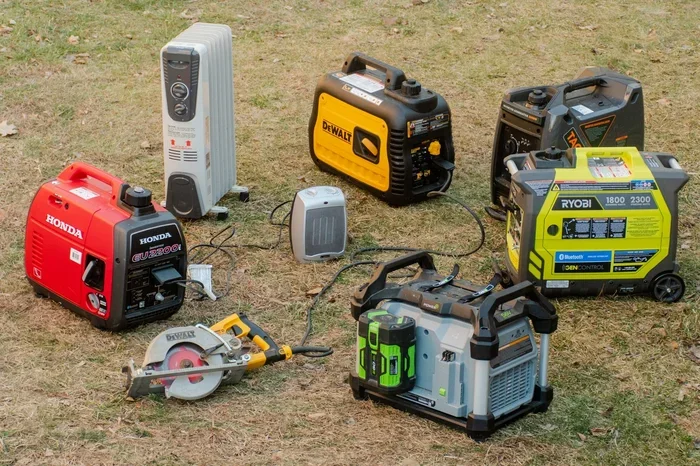
Portable generators are the most common type for everyday use. They are typically powered by gasoline or propane. These units are designed to be moved easily, so you can take them to campsites, job sites, or use them during a power outage at home.
Portable generators usually provide between 1,000 and 7,500 watts of power output. They are great for running essential appliances like refrigerators, lights, and tools. However, they need to be refueled periodically and should never be used indoors due to carbon monoxide risks.
Standby Generators
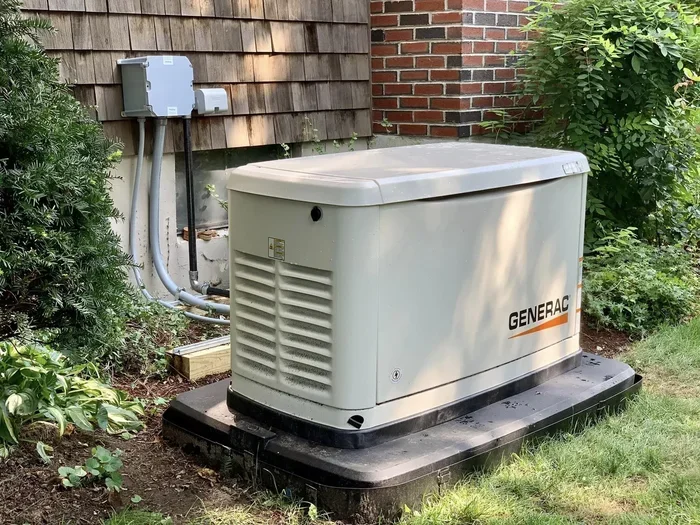
Standby generators are permanent installations. They are connected to your home’s electrical system and run on natural gas or propane. When the power goes out, a standby generator automatically turns on within seconds.
These units can power an entire house, including heating systems, air conditioners, and kitchen appliances. They are more expensive than portable options, but they offer unmatched convenience and reliability. Standby generators are what powers a home during extended outages without any manual effort from the homeowner.
Inverter Generators
Inverter generators are a newer type that has gained a lot of popularity. They use a special process to produce very clean, stable electricity. This makes them safe for sensitive electronics like laptops, phones, and TVs.
Inverter generators are typically quieter and more fuel-efficient than conventional portable generators. They are popular among campers, RV owners, and anyone who needs reliable power for electronics. Most inverter generators run on gasoline, but some models offer dual-fuel capability with propane.
Industrial and Large-Scale Generators
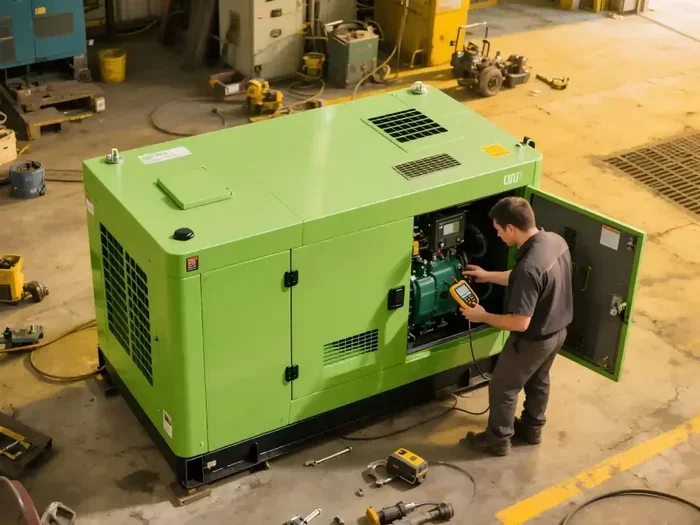
Large-scale generators power hospitals, data centers, construction sites, and entire neighborhoods. These units are usually diesel-powered or connected to natural gas lines. They can produce hundreds of kilowatts or even megawatts of electricity.
Industrial generators have robust engines and heavy-duty components built to handle continuous operation. They often include automatic transfer switches that detect power loss and start the generator without human intervention.
Common Mistakes People Make When Choosing Generator Fuel
- Buying the wrong fuel type: Always check your generator’s manual before purchasing fuel.
- Storing gasoline for too long: Old gasoline can cause starting problems. Use a fuel stabilizer if you store it.
- Ignoring runtime ratings: A larger fuel tank means longer runtime. Do not assume all generators of the same size perform equally.
- Overlooking fuel availability: During a long emergency, gasoline may be hard to find. Propane and natural gas are more reliable in prolonged outages.
- Skipping fuel maintenance: Drain old fuel before long-term storage. Dirty fuel can clog the engine and cause expensive repairs.
How to Choose the Right Fuel for Your Generator
Selecting the best fuel for your generator depends on several factors. Think about how you plan to use the unit, how long you need it to run, and what is available in your area.
Quick Tips for Fuel Selection
- Match the fuel to your needs: For short trips, gasoline works fine. For home backup, consider natural gas or propane.
- Check availability: Make sure you can easily get the fuel you need, especially during emergencies.
- Consider storage: Propane and diesel store better than gasoline over long periods.
- Think about cost: Natural gas is often cheaper per unit of energy than gasoline or propane.
- Evaluate environmental impact: Propane and natural gas burn cleaner than gasoline and diesel.
- Plan for dual fuel: A dual-fuel generator gives you flexibility and peace of mind.
Expert Insights: What the Pros Say About Generator Fuel
Industry experts recommend always having a backup fuel source on hand. Even if your generator runs on natural gas, having a propane tank or gasoline available ensures you are never left in the dark. Many professionals also suggest running your generator under load for at least 15 minutes each month. This keeps the engine lubricated and prevents fuel system issues.
Another key tip from the pros is to invest in a quality fuel stabilizer. This simple additive can extend the life of stored gasoline by up to a year. It is a small cost that can save you from a frustrating starting problem when you need your generator most.
Maintaining Your Generator for Reliable Performance
Once you know what powers a generator, the next step is keeping it in good shape. Regular maintenance ensures your generator starts when you need it and delivers consistent power output.
Essential Maintenance Steps
- Check the fuel level regularly: Never let the tank run completely empty. This can cause air locks in the fuel system.
- Change the oil: Follow the manufacturer’s recommendations. Fresh oil keeps the engine running smoothly.
- Replace the air filter: A dirty air filter reduces engine performance and fuel efficiency.
- Inspect the spark plug: A worn spark plug makes starting difficult. Replace it at least once a year.
- Run the generator monthly: Even if you do not need power, running it for 15 minutes keeps everything in working order.
- Store fuel properly: Use approved containers and store fuel in a cool, well-ventilated area away from heat sources.
Expert Insights on Long-Term Generator Care
Generators that sit unused for months can develop fuel system problems. Ethanol in gasoline attracts moisture, which can cause corrosion and clogs. If you plan to store your generator for an extended period, drain the fuel tank and carburetor, or use a fuel stabilizer.
Professional maintenance at least once a year is also a smart investment. A trained technician can spot potential issues before they become costly repairs. They will check the voltage regulator, inspect the alternator windings, and test the overall power output to make sure everything is functioning properly.
Key Takeaways on Generator Maintenance
- Regular use prevents fuel system problems and keeps the engine healthy.
- Clean fuel, fresh oil, and a good air filter are the basics of generator care.
- Annual professional check-ups can extend the life of your generator by years.
- Proper fuel storage is just as important as engine maintenance.
Conclusion: Understanding What Powers a Generator
We have covered a lot of ground in this guide. From the science of electromagnetic induction to the different fuel types that power generators, you now have a solid understanding of how these machines work and what keeps them running.
The answer to what powers a generator is straightforward: fuel, an engine, and the principles of physics work together to create the electricity you need. Whether you choose a gasoline-powered portable unit for camping or a natural gas standby generator for your home, knowing how your generator works helps you make smarter decisions.
Remember to match your fuel choice to your needs, maintain your unit regularly, and always follow safety guidelines. A well-maintained generator is one of the most valuable investments you can make for your home or business. It gives you peace of mind, backup power when you need it, and the confidence that you will never be left in the dark.
Take what you have learned here and apply it. Choose the right fuel. Keep your generator in good shape. And enjoy the reliable power that comes from understanding how your generator actually works.
Frequently Asked Questions
What fuel is most commonly used to power generators?
Gasoline is the most common fuel for portable generators because it is widely available and affordable. For standby home generators, natural gas and propane are the top choices. Diesel is most common for large commercial and industrial generators that need high power output and long runtime.
Can a generator run on renewable energy sources?
Yes. Some generators use solar panels or battery banks to store and generate electricity. These hybrid systems are quieter and produce zero emissions. However, they typically provide less power than fuel-based generators and depend on sunlight or charging access. They work best for low-power needs like charging devices or running small appliances.
How long can a generator run on a full tank of fuel?
Runtime depends on the fuel tank size, the load you are running, and the type of fuel. A portable gasoline generator might run 8 to 12 hours on a full tank. A standby natural gas generator can run indefinitely as long as the gas supply is active. Always check the manufacturer’s runtime specifications before purchasing.
Is it safe to store generator fuel indoors?
No. Generator fuel should always be stored outdoors in a cool, well-ventilated area away from heat sources and direct sunlight. Use approved fuel containers designed for the specific fuel type. Gasoline is highly flammable and poses a fire risk if stored improperly. Always follow local regulations for fuel storage.
What is the difference between a conventional generator and an inverter generator?
A conventional generator produces raw electricity that can be inconsistent. An inverter generator converts the power through a special process that produces clean, stable electricity. This makes inverter generators safer for sensitive electronics like laptops and phones. Inverter generators are also typically quieter and more fuel-efficient than conventional models.
Do generators need regular maintenance even if they are not used often?
Yes. Generators that sit unused can develop fuel system problems, corroded components, and dead batteries. Running the generator for at least 15 minutes each month keeps the engine lubricated and the fuel system fresh. Annual professional maintenance is also recommended to catch small issues before they become big problems.