The Ultimate Guide to Choosing the Right Backup Generator
Choosing the right backup generator means understanding your power needs, comparing fuel types, and picking the correct size for your home. This guide breaks down everything from standby vs. portable options to installation tips and cost considerations. By the end, you will know exactly what to look for when buying a backup generator.
Power outages are more common than most people think. Storms, equipment failures, and grid overloads can leave your home in the dark for hours or even days. A backup generator solves this problem by keeping your essential systems running when the power goes out.
But not all generators are the same. Choosing the wrong size, fuel type, or model can lead to wasted money or, worse, an underpowered system that leaves you in the dark. That is exactly why we put together this guide. Whether you are dealing with occasional short outages or preparing for long-term emergencies, you will find the answers you need right here.
We will walk you through every major decision point. From understanding the different types of generators to sizing your unit correctly, comparing fuel options, and learning what features really matter. By the time you finish reading, you will feel confident making the right choice for your home and budget.
Key Takeaways
- Match your generator size to your actual power needs by calculating total wattage for essential circuits and appliances.
- Standby generators offer automatic backup while portable units are more affordable and flexible for different situations.
- Fuel type matters a lot for runtime, cost, and availability during extended outages.
- Professional installation and regular maintenance keep your generator running safely and efficiently.
- Key features like automatic transfer switches and low-oil shutoff add convenience and protection.
- Budget for the total cost including the unit, installation, fuel, and ongoing upkeep.
📑 Table of Contents
Why Every Home Needs a Backup Generator
A backup generator is not a luxury. It is a practical investment in your home’s comfort and safety. When the power goes out, the effects go far beyond just losing lights. Your refrigerator stops working, your heating or cooling system shuts down, and your sump pump becomes useless.
For families with medical equipment, a power outage is not just an inconvenience. It is a serious health risk. Even a few hours without electricity can cause food spoilage, frozen pipes, or damage to sensitive electronics. A reliable home backup power system removes all of these worries.
Beyond the practical benefits, a generator also protects the value of your home. Buyers increasingly look for properties with standby power options. So installing a backup generator today can pay off if you ever decide to sell. Think of it as both a daily comfort tool and a long-term home improvement.
The Hidden Costs of Going Without
Many homeowners underestimate what a power outage really costs. Spoiled food, burst pipes, and lost productivity all add up fast. A small business running from home can lose thousands of dollars during a multi-day outage. Having a standby generator in place means you never have to worry about these costs again.
Types of Backup Generators
Not all generators work the same way. Understanding the main types helps you narrow down your options before diving into specific models and sizes.
Standby Generators
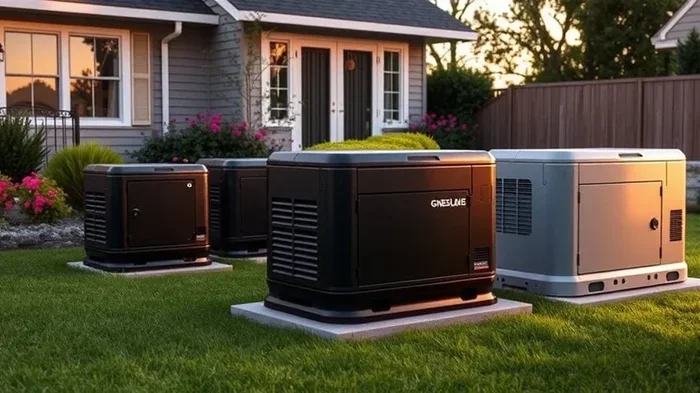
A standby generator is a permanent installation outside your home. It connects directly to your electrical system and kicks on automatically when it detects a power loss. These units are the gold standard for whole-home protection. They run on natural gas or propane and can power everything from your HVAC system to your kitchen appliances.
Standby generators typically range from 7,000 to 24,000 watts. They are more expensive upfront but offer unmatched convenience. You never have to flip a switch or drag equipment outside. The automatic transfer switch handles everything for you seamlessly.
Portable Generators
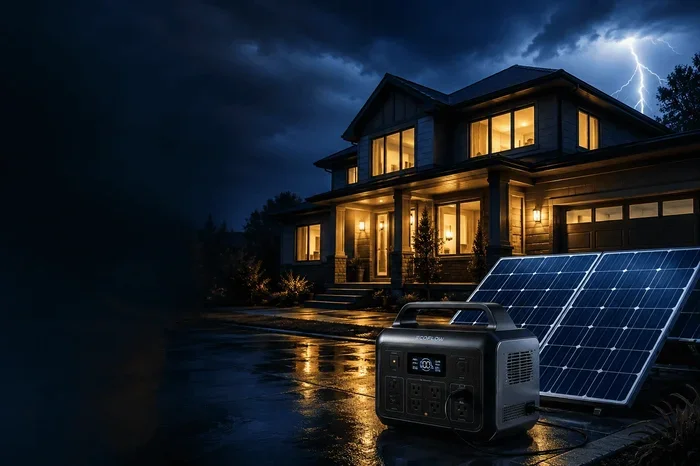
Portable generators are smaller, movable units that you store indoors and bring outside when needed. They are much more affordable than standby models and work well for basic needs. You can run lights, a refrigerator, a few outlets, and essential electronics on a quality portable unit.
The downside is that you must manually set them up each time. They also cannot power your entire home at once. For many homeowners, a portable backup generator strikes the right balance between cost and capability.
Inverter Generators
Inverter generators produce clean, stable power safe for sensitive electronics like laptops and phones. They are typically more fuel-efficient and quieter than conventional portable units. If you need power for recreational activities or as a supplementary home backup, an inverter model is worth considering.
How to Size the Right Generator for Your Home
Sizing is one of the most important decisions you will make. A generator that is too small will overload. One that is too large wastes money on fuel and upfront cost. Getting the right size starts with understanding your power needs.
Step 1: List Your Essential Loads
Start by writing down the appliances and systems you want to keep running during an outage. Common essentials include:
- Refrigerator and freezer
- Heating or cooling system
- Sump pump
- Lights in key rooms
- Internet router and modem
- Medical equipment
Add up the wattage for each item. You can find the wattage on the manufacturer label or in the user manual. Remember that some devices need extra power to start up, so factor in starting watts along with running watts.
Step 2: Choose Your Generator Size
Once you know your total wattage needs, add a 20 percent buffer for safety. This gives you room for any additional loads and prevents the generator from running at full capacity constantly. For most average homes, a backup generator in the 10,000 to 15,000 watt range covers essential circuits comfortably.
If you want to power your entire house, you will need a larger unit, typically 20,000 watts or more. The article how big of a backup generator do I need offers a more detailed walkthrough of sizing calculations.
Quick Sizing Reference
- Small (3,000–5,000 watts): Lights, phone charging, and a refrigerator
- Medium (7,000–10,000 watts): Adds sump pump, select outlets, and a window AC unit
- Large (12,000–15,000 watts): Powers most of a home including HVAC and kitchen appliances
- Whole-House (20,000+ watts): Runs everything including electric water heaters and dryers
Fuel Types and What Matters Most
The fuel your generator uses affects runtime, cost, availability, and environmental impact. Each fuel type has clear advantages and trade-offs.
Natural Gas
Natural gas generators connect directly to your home’s gas line, giving you an unlimited fuel supply. You never need to refill a tank. This makes them ideal for long outages. Natural gas burns cleanly and is widely available in most residential areas.
However, natural gas produces less energy per unit compared to other fuels. This means slightly higher fuel consumption. The article how much natural gas does a generator use breaks down consumption rates in detail.
Propane
Propane generators are a great alternative, especially in areas without natural gas service. Propane stores indefinitely, so it does not degrade over time like gasoline. You will need to keep propane tanks on hand and swap them out during extended use.
Propane burns cleaner than gasoline and diesel, producing fewer emissions. It is also widely available at hardware stores and gas stations. For homeowners looking for a reliable emergency power source, propane is a strong contender.
Diesel
Diesel generators are built for durability and long runtime. They are more common in commercial settings but work well for homes in remote areas. Diesel fuel has a long shelf life and provides excellent energy density.
The downside is that diesel units tend to be louder and more expensive. They also require more maintenance than natural gas models. For most residential applications, natural gas or propane is the simpler choice.
Gasoline
Gasoline generators are the most common type found in portable units. Gasoline is easy to find and affordable upfront. But it has a short shelf life and is not ideal for long-term storage. If you go with a gasoline model, rotate your fuel supply regularly.
Installation and Maintenance Tips
Proper installation is just as important as choosing the right unit. A poorly installed generator can be dangerous, inefficient, or both. Here is what you need to know.
Professional vs. DIY Installation
For standby generators, professional installation is strongly recommended. A certified technician will handle electrical connections, gas line hookups, and permit requirements. They also ensure the unit is placed at a safe distance from your home and windows.
Portable generators are simpler to set up but still need careful attention. Always place them outside, at least 20 feet from your home, to prevent carbon monoxide buildup. Never run a generator indoors or in an enclosed space. Ever.
Routine Maintenance Checklist
Keeping your backup generator in top shape means following a regular maintenance schedule. Here is what to do:
- Check the oil level before each use and change it regularly
- Inspect air filters and clean or replace them as needed
- Test the unit monthly by running it for 15–20 minutes
- Keep the fuel fresh and use stabilizer for long-term storage
- Schedule a professional inspection once a year
Regular maintenance extends the life of your generator and ensures it starts when you need it most. The article on generator testing covers how to verify your unit is performing at its best.
Common Installation Mistakes to Avoid
- Placing the generator too close to windows or doors
- Skipping the permit and inspection process
- Using extension cords rated for too low an amperage
- Ignoring exhaust direction and wind patterns
- Forgetting to ground the unit properly
Top Features That Make a Generator Worth Buying
Not all generators come with the same features. Some add real value, while others are just marketing extras. Here is what actually matters.
Automatic Transfer Switch
An automatic transfer switch (ATS) detects power loss and starts your generator within seconds. It then switches your home’s electrical load from grid to generator seamlessly. You do not need to be home or do anything manually. This feature alone makes a standby generator worth the investment.
Low-Oil Shutoff
A low-oil shutoff sensor protects your engine from running dry. This simple feature prevents costly damage and extends the life of the unit. Almost every quality generator includes this today, but it is always worth confirming.
Runtime at Half Load
Runtime matters more than you might think. A generator that runs 8 hours at full load might run 12 or more hours at half load. Check the runtime specifications carefully. Longer runtime means fewer refueling interruptions during extended outages.
Noise Level
Generators can be loud, and that matters if you live in a suburban neighborhood. Look for units rated below 70 decibels for a quieter experience. Inverter generators are especially known for their low noise levels.
Remote Monitoring
Some modern generators offer remote monitoring through a smartphone app. You can check fuel levels, runtime, and error codes from anywhere. This is a convenient feature for anyone who wants peace of mind without constantly checking on the unit.
Cost Considerations and Budgeting
The total cost of a backup generator goes well beyond the purchase price. To budget correctly, you need to account for the unit, installation, fuel, and ongoing maintenance.
Portable generators typically cost between $500 and $2,000. Standby generators range from $3,000 to $15,000 depending on size and features. Professional installation for a standby unit adds another $1,000 to $5,000. Factor in fuel costs over time, especially if you live in an area prone to frequent or long outages.
The article on electrical generators provides additional insights into generator costs and what drives pricing. Investing in a quality unit upfront saves money on repairs and replacements down the road.
Is a Backup Generator Worth It?
For most homeowners, the answer is yes. A backup generator protects your home from the cascading effects of power loss. It keeps your food safe, your pipes from freezing, and your family comfortable. When you factor in the cost of alternative solutions like hotel stays or food spoilage during outages, a generator pays for itself quickly.
The key is to choose wisely. Pick the right size, the right fuel type, and a model with the features that match your actual needs. Avoid overspending on power you do not need, but also avoid cutting corners on safety and reliability.
Final Thoughts
Choosing the right backup generator comes down to understanding your home, your power needs, and your budget. Start by calculating your essential loads and selecting the appropriate size. Then compare fuel types and focus on the features that matter most to you. Invest in professional installation and commit to regular maintenance.
A good generator gives you peace of mind that is hard to put a price on. When the next storm hits or the grid goes down, you will be glad you made the effort to choose wisely. Take your time, do your research, and pick the unit that fits your home best.
For more guidance on related topics, explore our resources on how long a generator battery lasts and other generator tips to keep your home powered and protected year-round.
Frequently Asked Questions
How long can a backup generator run continuously?
A standby generator can run continuously for days as long as it has fuel. Most natural gas and propane models are designed for extended runtime. However, it is a good practice to let the unit cool down for 15 minutes after every 24 hours of continuous use.
What size generator do I need for a 2000 square foot house?
For a 2000 square foot home, a generator in the 10,000 to 15,000 watt range typically covers essential circuits. If you want to power everything including HVAC and laundry, aim for 20,000 watts or more. Always calculate your specific load before deciding.
Can I install a standby generator myself?
While it is technically possible, professional installation is strongly recommended. A licensed technician handles gas connections, electrical wiring, and permits. Improper installation can be dangerous and may void your warranty.
How often should I maintain my backup generator?
You should run your generator under load for 15 to 20 minutes once a month. Change the oil annually or every 100 hours of use. Have a professional inspection once a year to check all systems and components.
Is a portable generator or standby generator better?
It depends on your needs. A standby generator offers automatic backup and whole-home coverage but costs more. A portable generator is affordable and flexible but requires manual setup. For most homeowners seeking reliable emergency power, a standby model is the better long-term choice.
What fuel is best for a backup generator?
Natural gas is the most convenient because it connects to your home’s existing gas line. Propane is a great alternative with a long shelf life. Diesel works well for heavy-duty needs. Choose based on availability, budget, and how long you need to run the generator during outages.